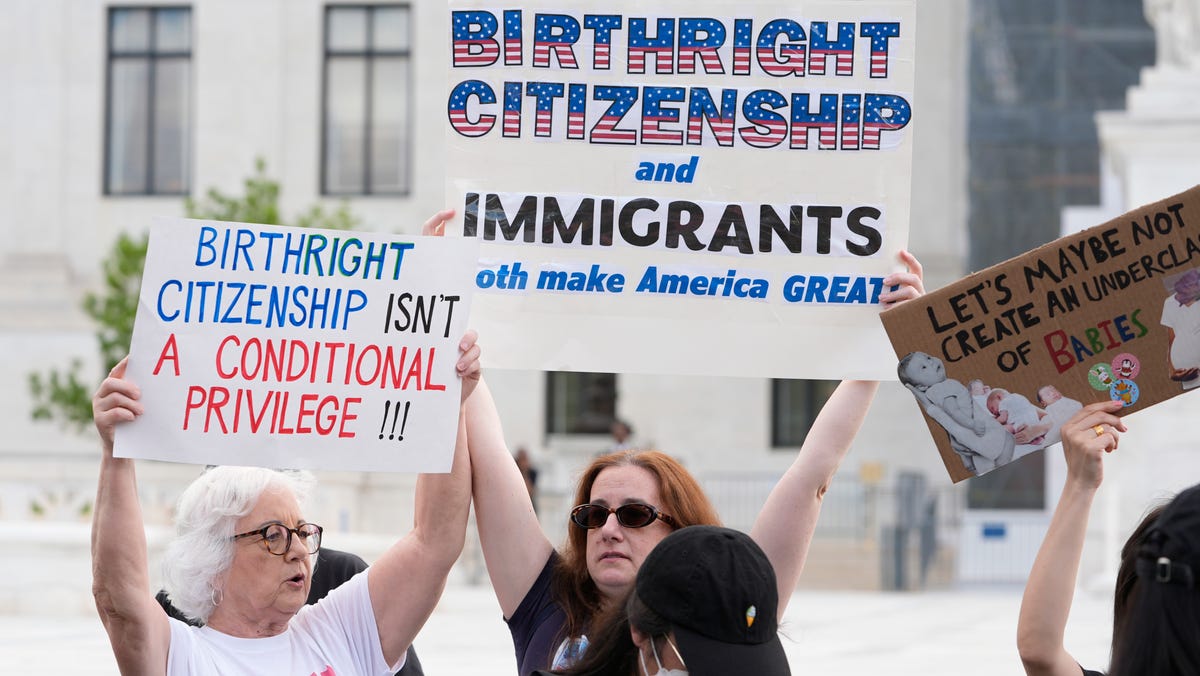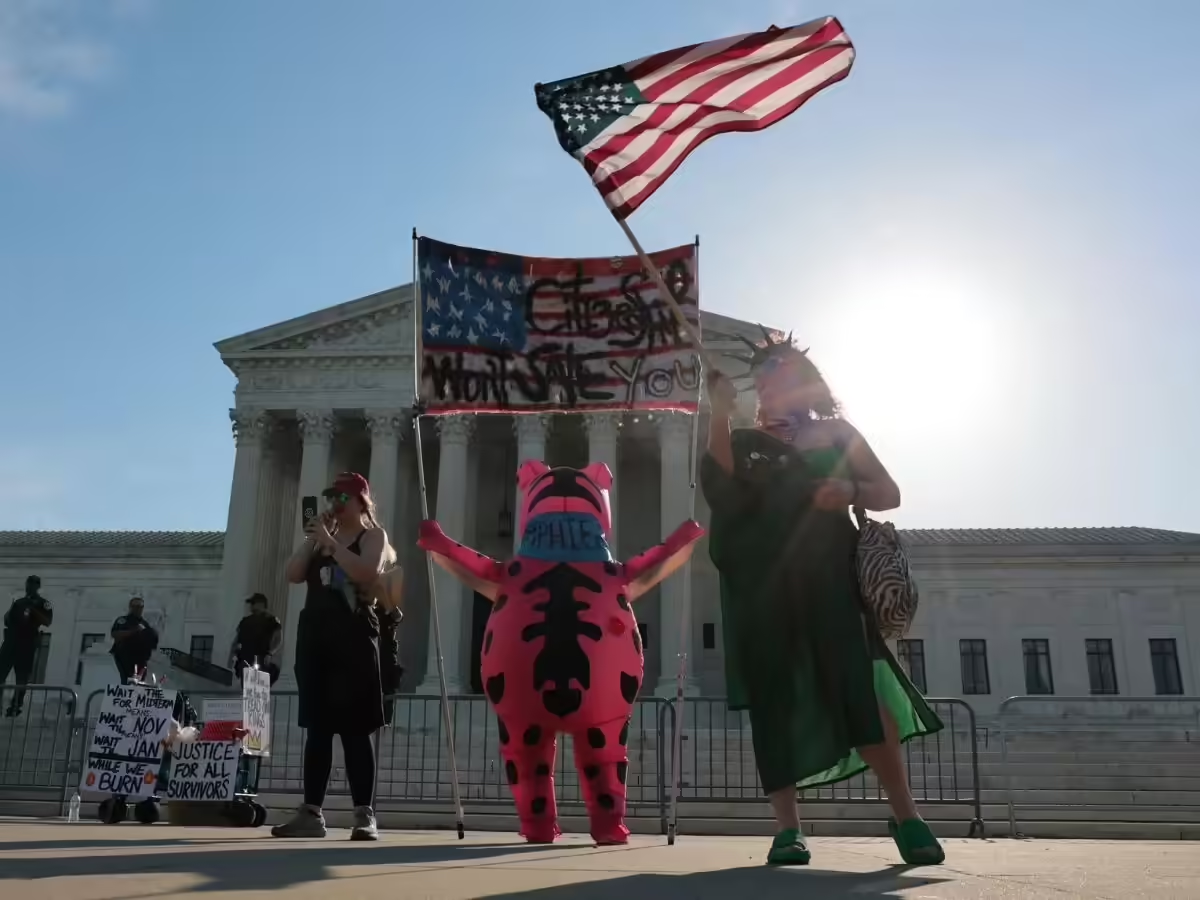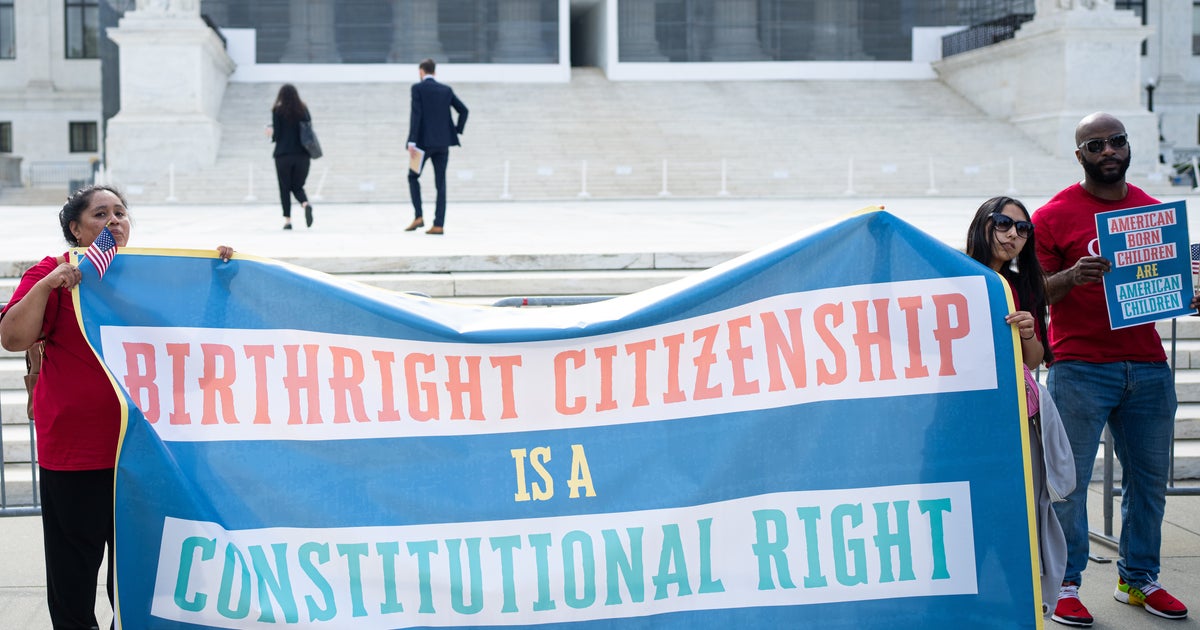
Chaos. Chaos is what could reign for untold thousands of children and their parents if the U.S. Supreme Court allows the Trump administration’s executive order on birthright citizenship to go into effect, even on a limited basis, by limiting how lower courts issue nationwide injunctions.
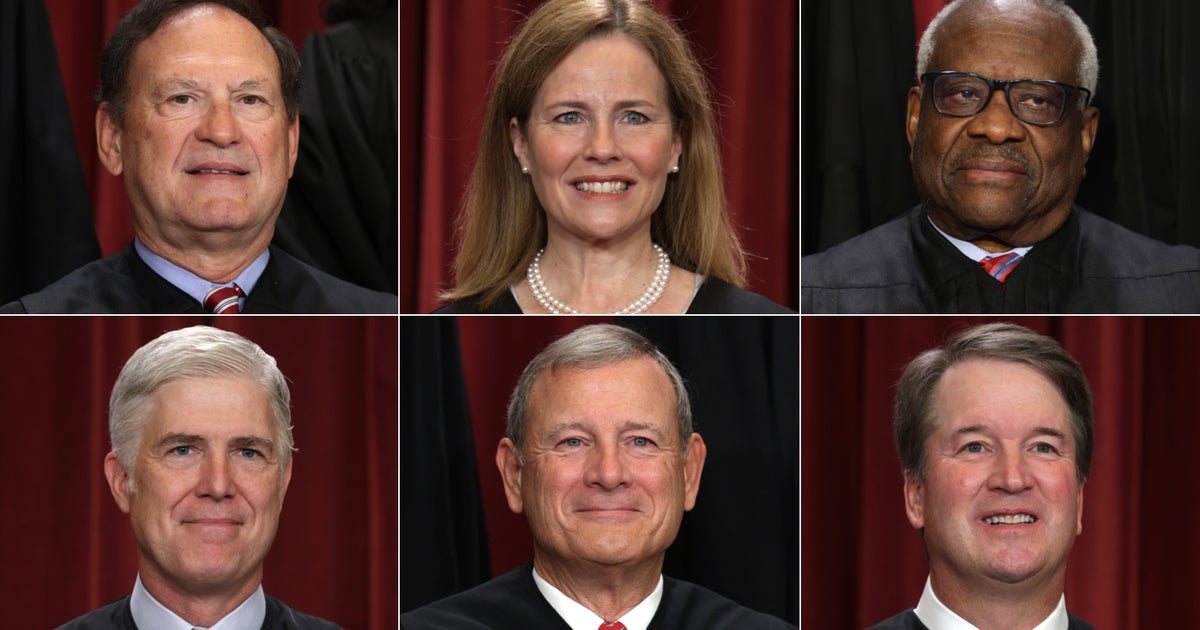
On Thursday, conservative justices seemed largely swayed by Solicitor General John Sauer’s arguments that courts should only be allowed to provide relief to specific plaintiffs who bring legal challenges, and that nationwide injunctions from the courts ultimately act as an unchecked power on the executive branch’s authority.
But this very premise, when accompanying Trump’s executive order — which seeks to rewrite over a century of precedent around birthright citizenship — threatens to unleash “destabilization across the country,” according to some legal experts.
Without lower courts’ injunctions on orders that potentially affect huge swaths of people — including those who have never signed on to a lawsuit or can’t afford a lawyer or are simply unable to access a courtroom — the legal system could be turned into a “catch-me-if-you-can regime” led by the executive branch, Justice Kentanji Brown Jackson noted during oral arguments Thursday.