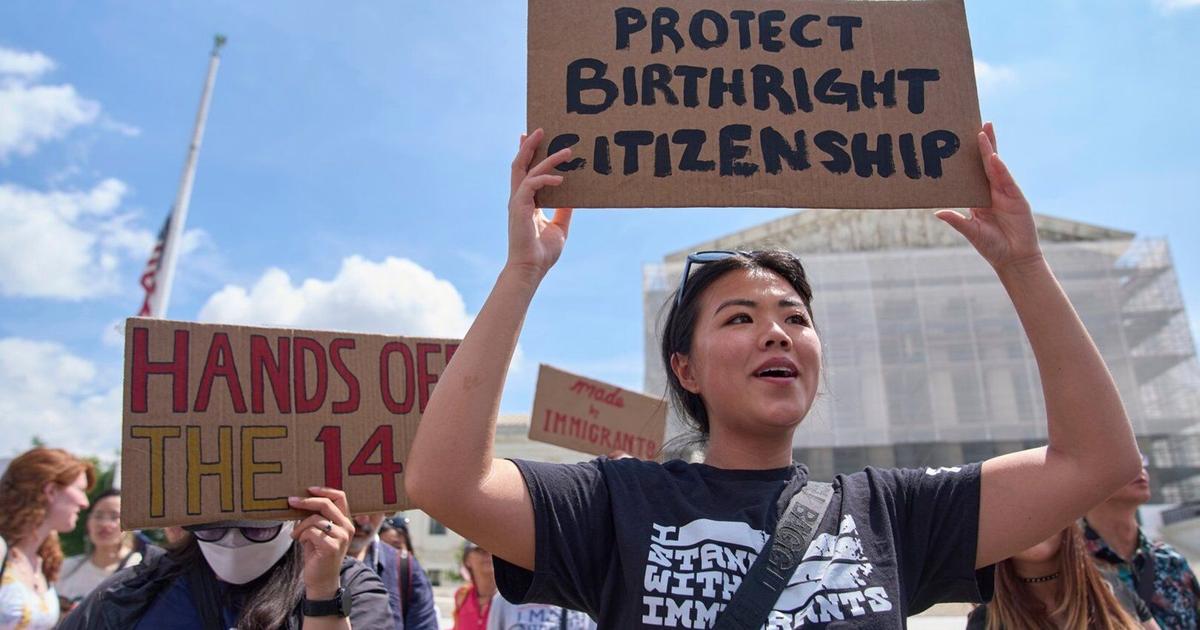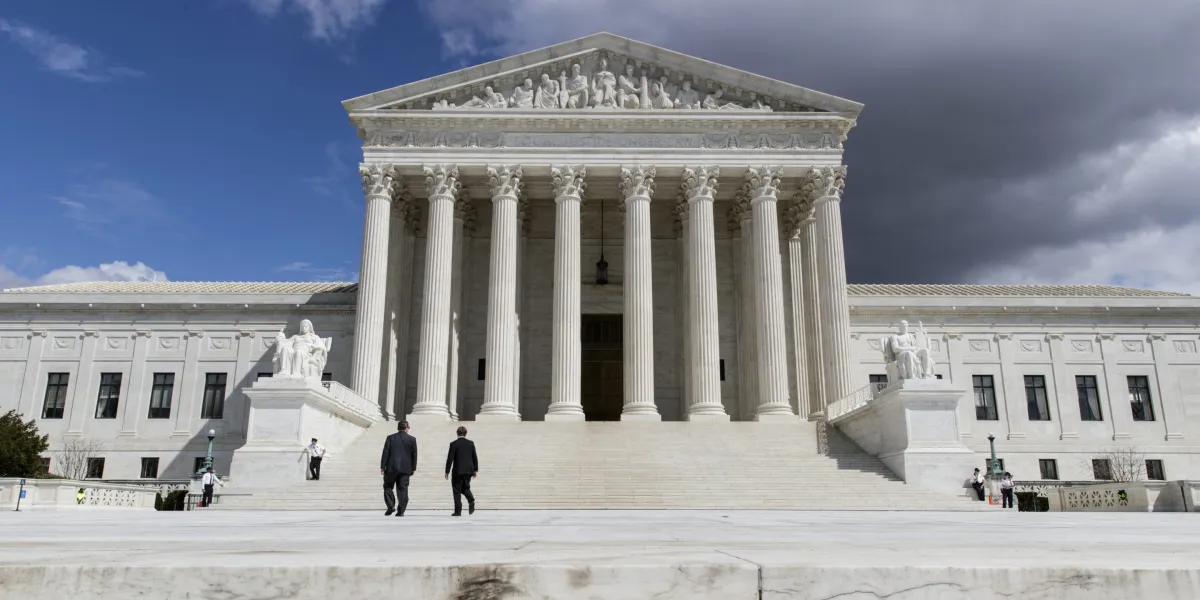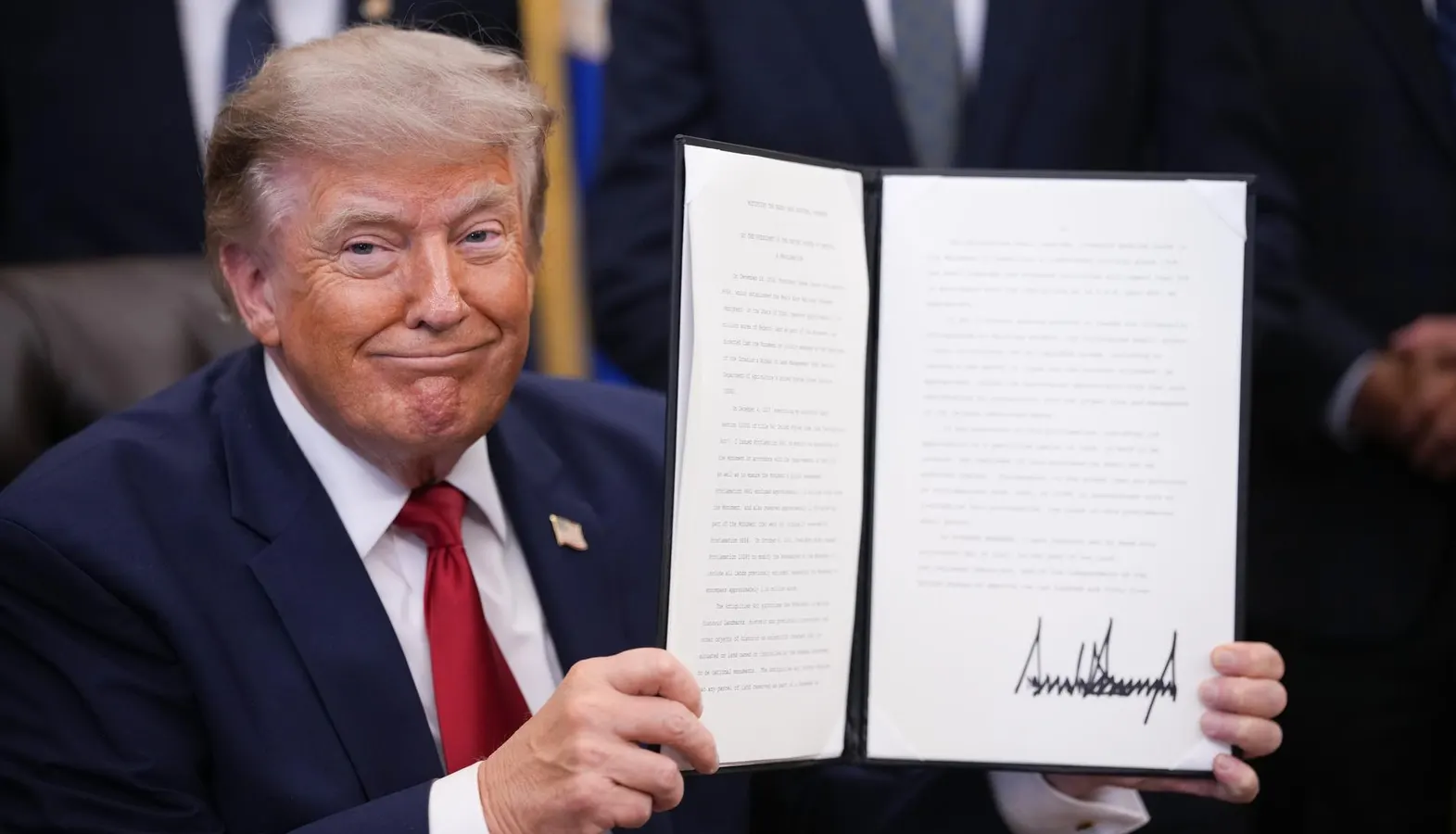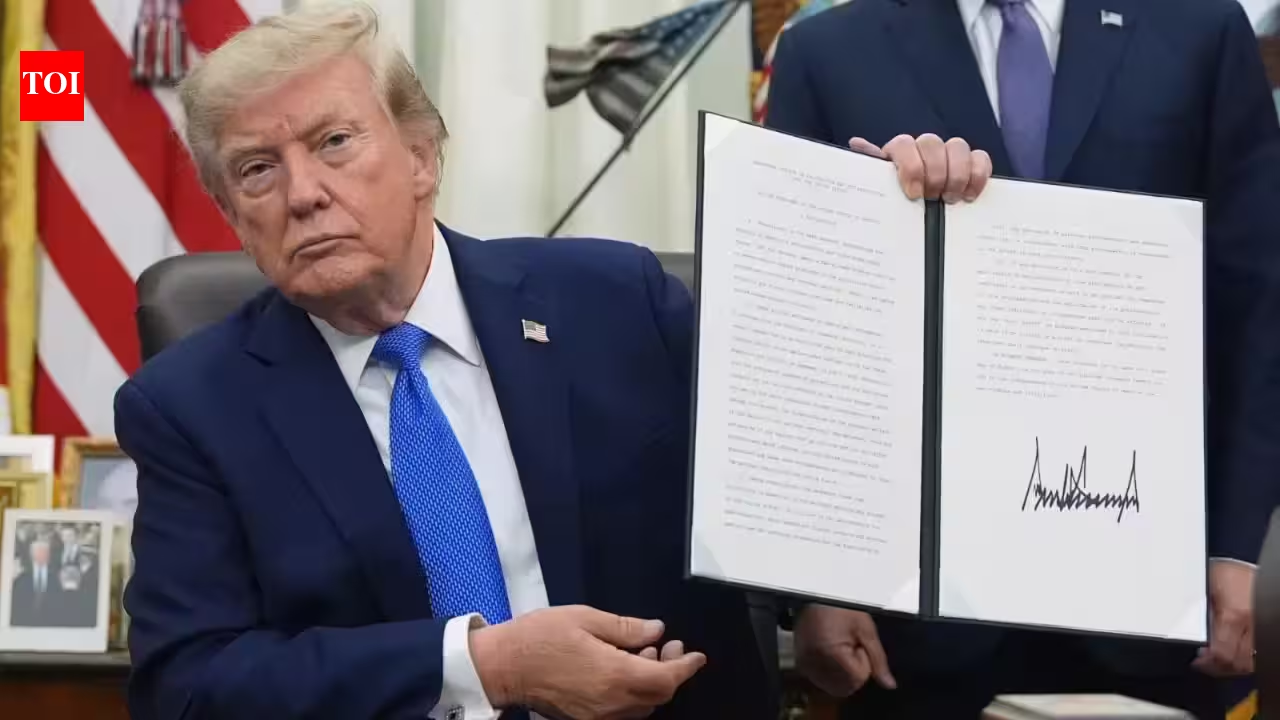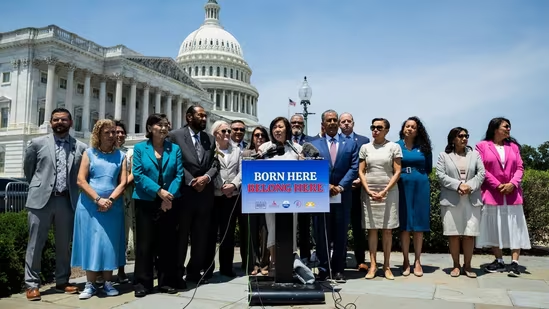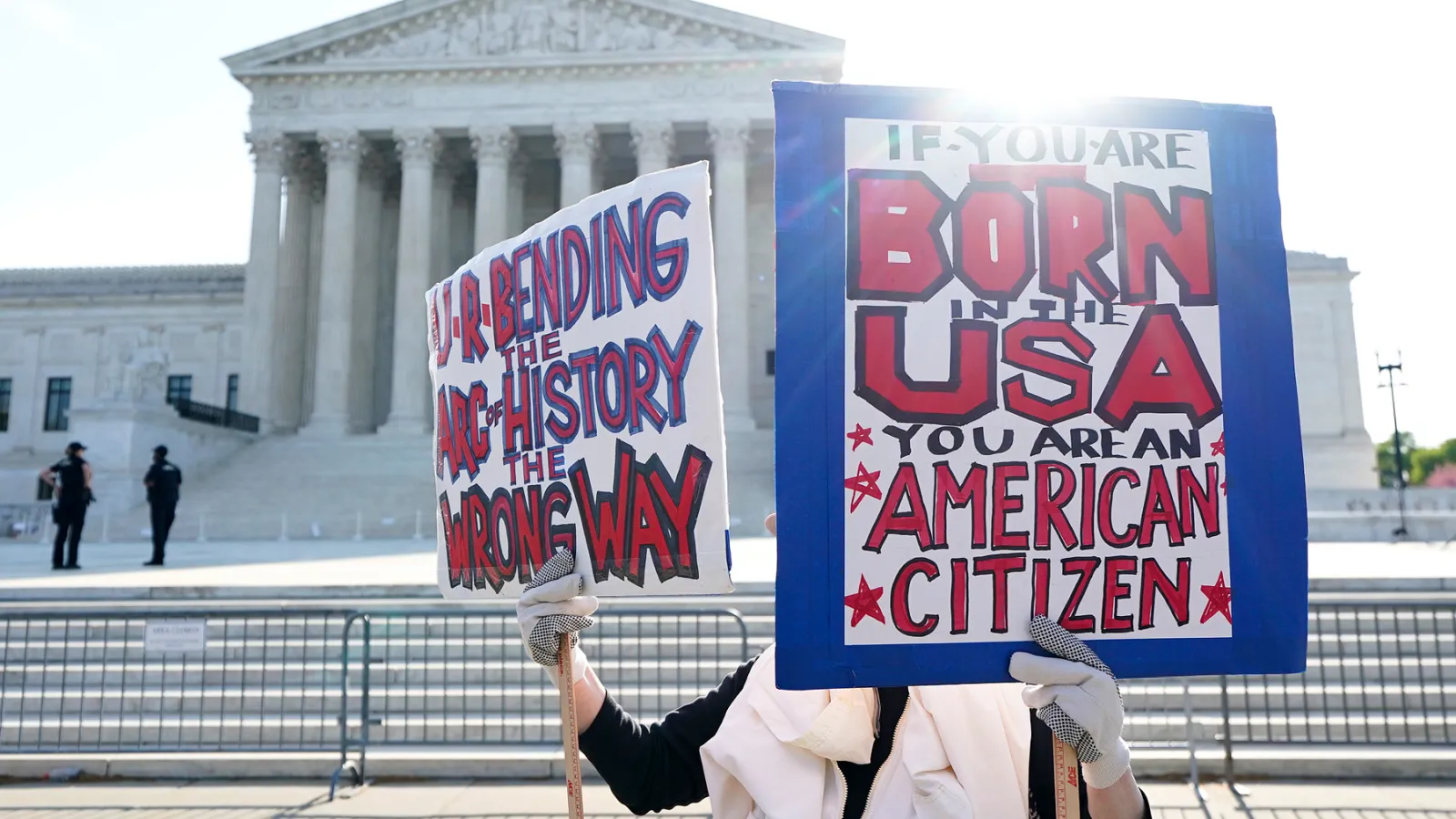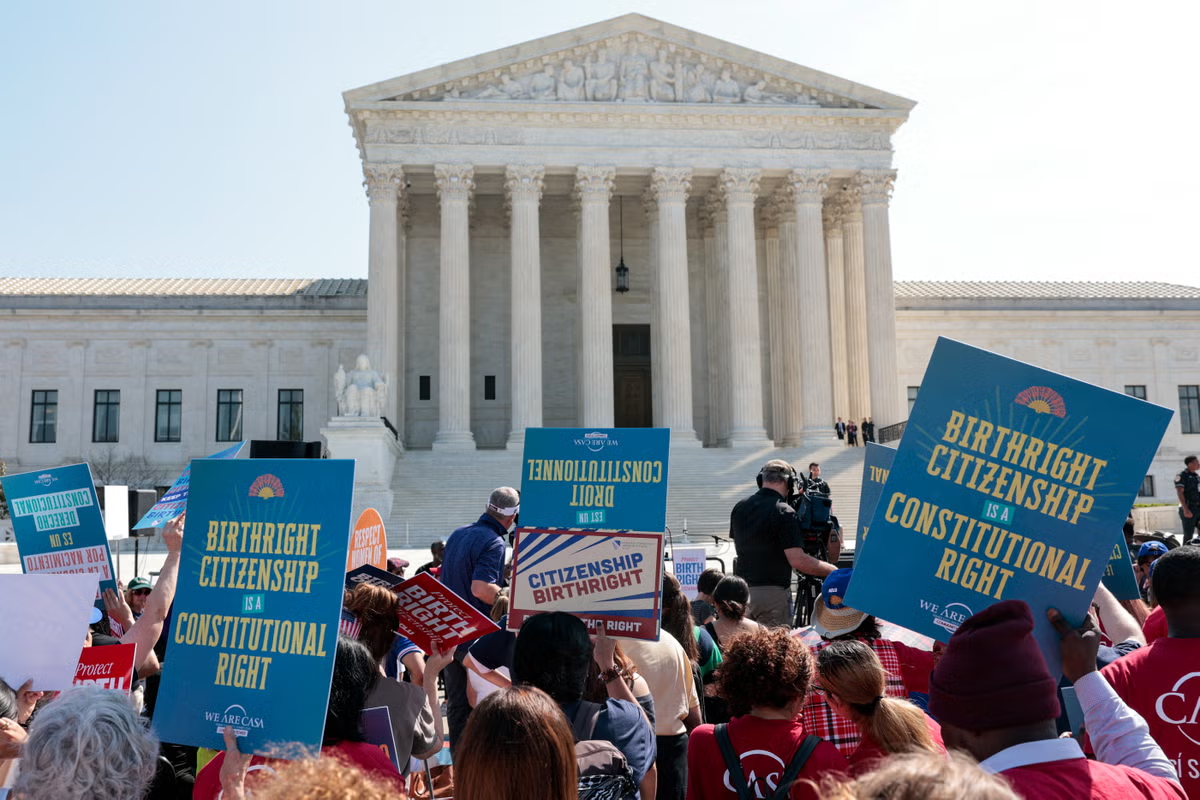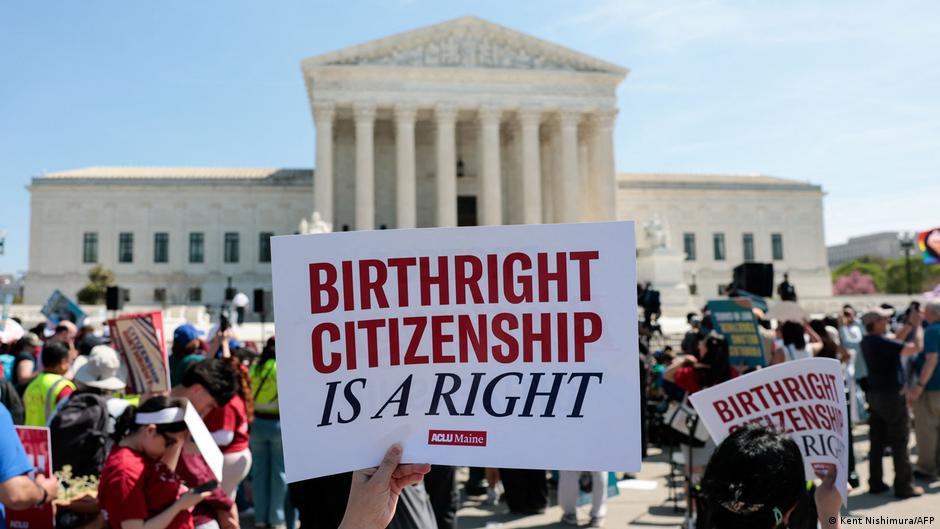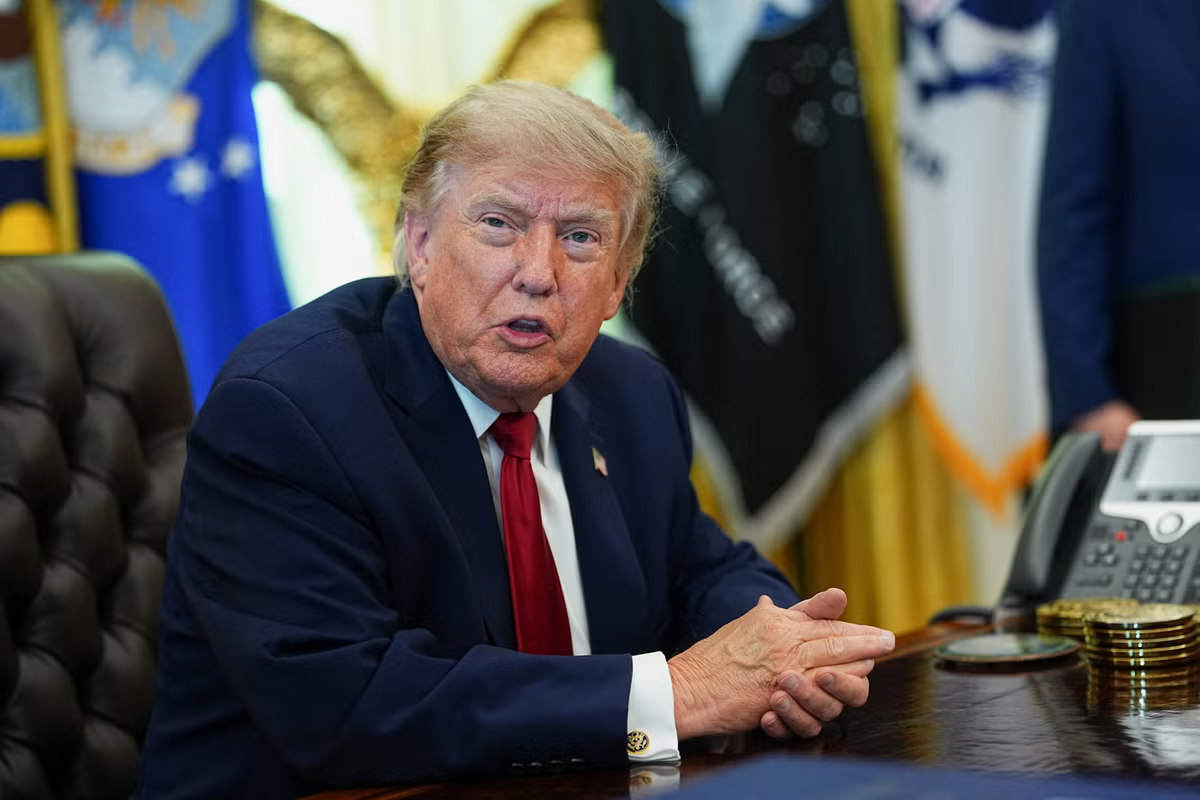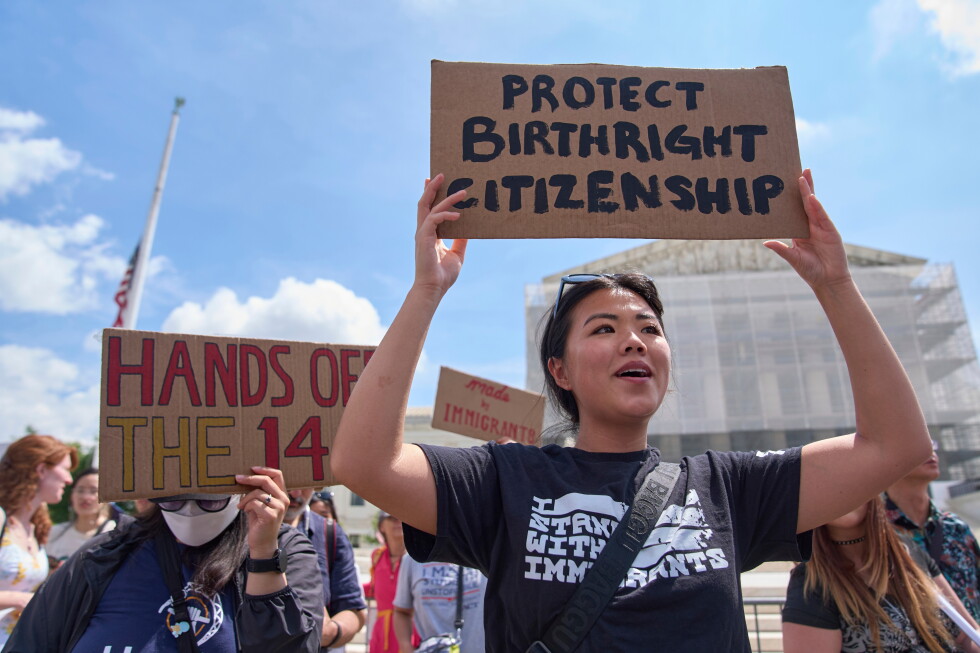
When it comes to birthright citizenship, the Trump administration hasn’t been subtle about its views.The practice, which grants automatic citizenship to nearly everyone born on U.S. soil and which is soon to face Supreme Court judgment, is “a disgrace,” according to President Donald Trump. “The gravest and most preposterous of all constitutional abominations,” top White House adviser Stephen Miller wrote on X. “The dumbest immigration policy in the world,” Vice President JD Vance said in 2025. “You know, we’re the only country that has it,” Trump said in one interview, a claim he has made repeatedly. And falsely.The Supreme Court is expected to address the issue in the coming days, ruling on a Trump executive order that would upend more than a century of constitutional and legal history.“It’s all up to a couple of people,” he told reporters recently. “I hope they do what’s right.”Here’s a closer look at the facts.
Birthright citizenship became law in 1868Birthright citizenship became law in 1868 when the 14th Amendment was ratified in the aftermath of the Civil War, in part to ensure that former slaves would be citizens.In the late 1800s, in the case of Wong Kim Ark, a man born in the U.S. to Chinese parents, it was expanded to include children of immigrants. In later cases, the Supreme Court ruled that anyone born in the U.S. is a citizen, including if their parents are in the U.S. illegally or temporarily.There are a tiny number of exceptions, mostly for children born in the U.S. to foreign diplomats.