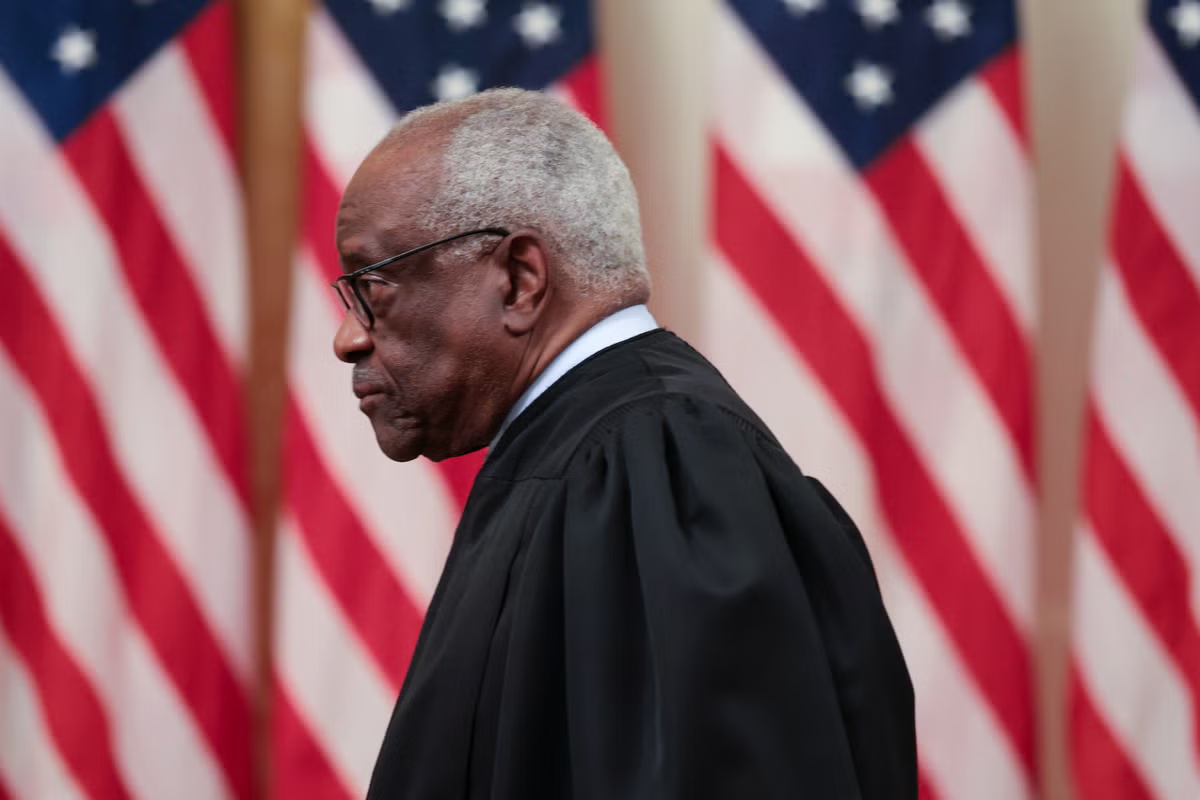
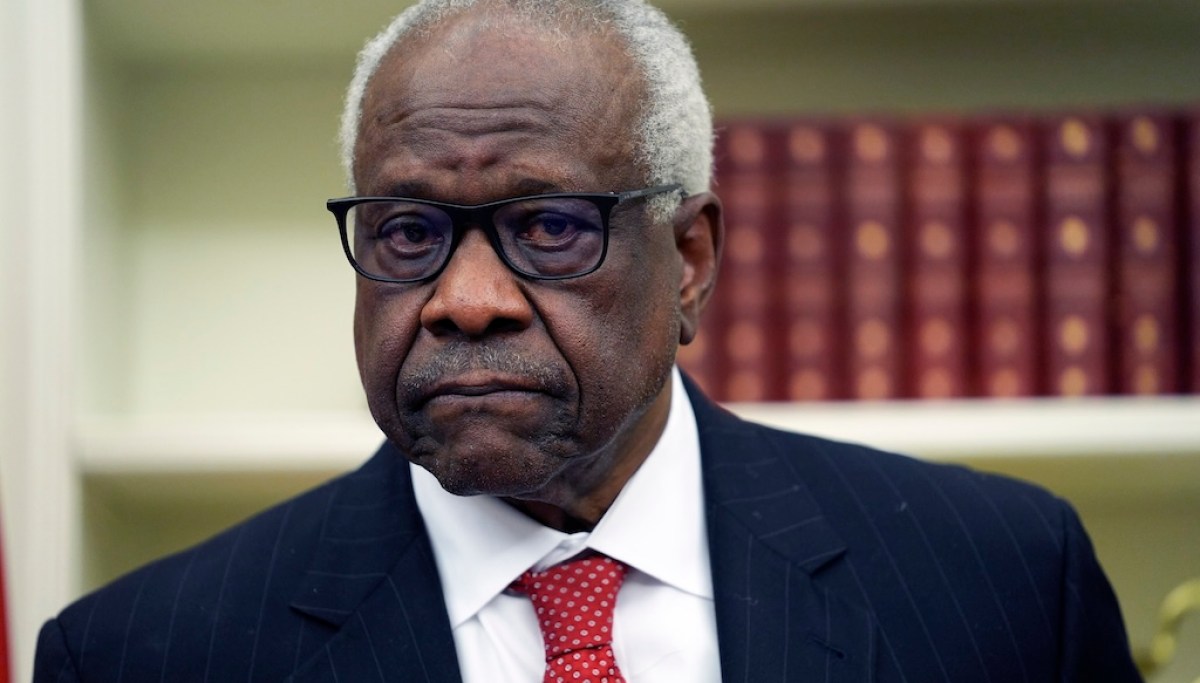
In his dissent, Thomas argued that the 14th Amendment was a narrow correction for formerly enslaved Black Americans — not anyone born on U.S. soil.

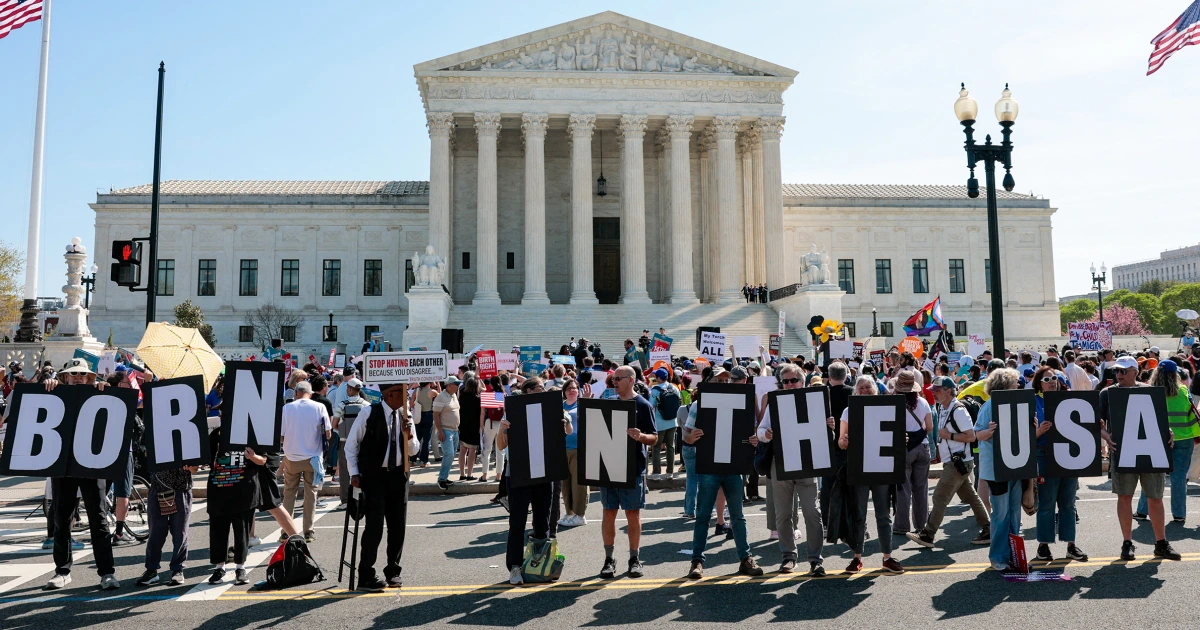
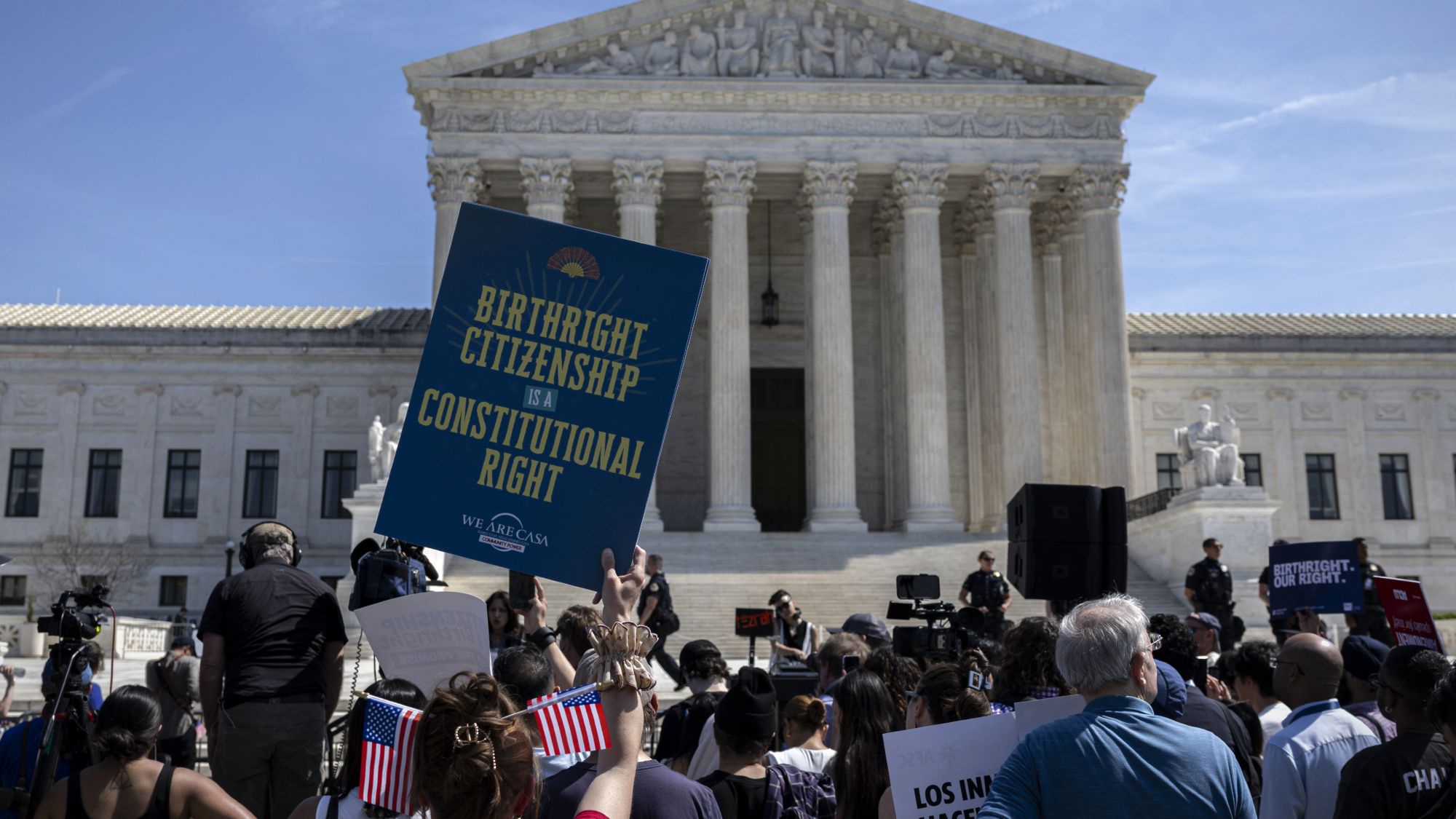
The Trump administration sought to upend the historical understanding of the 14th Amendment, which has long been interpreted to extend birthright citizenship broadly.

The Constitution’s promise of what makes an American an American remains.
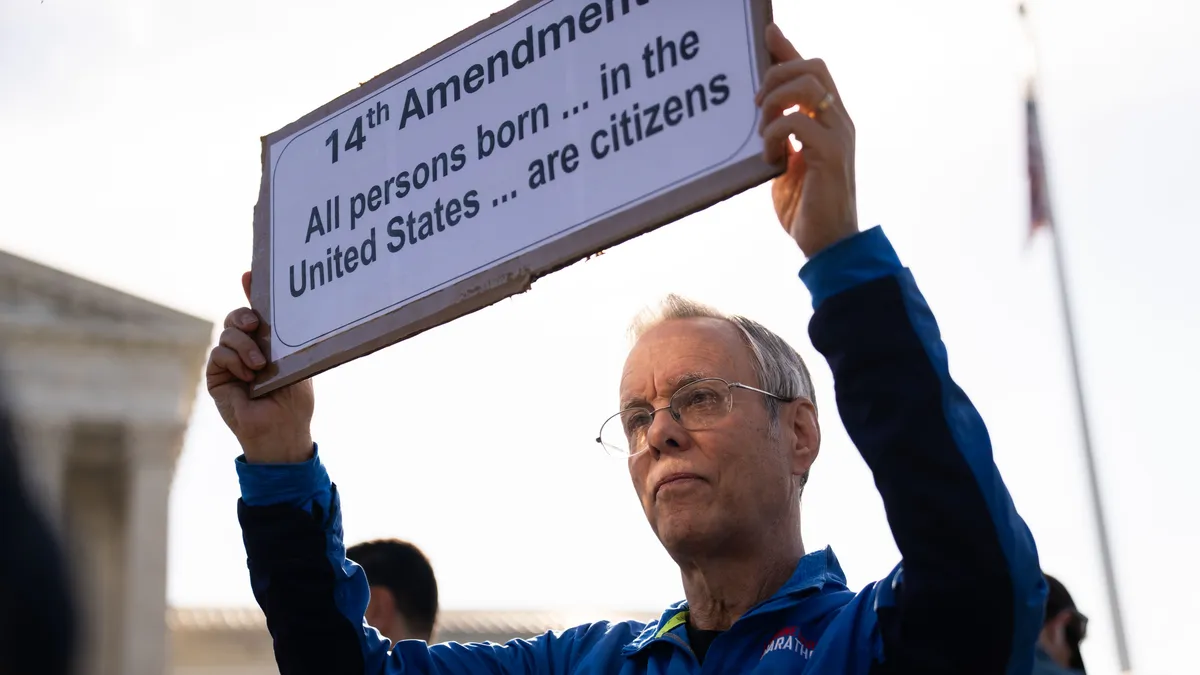
The 14th Amendment says that "all persons born or naturalised in the United States, and subject to the jurisdiction thereof, are citizens of the United States and of the State…

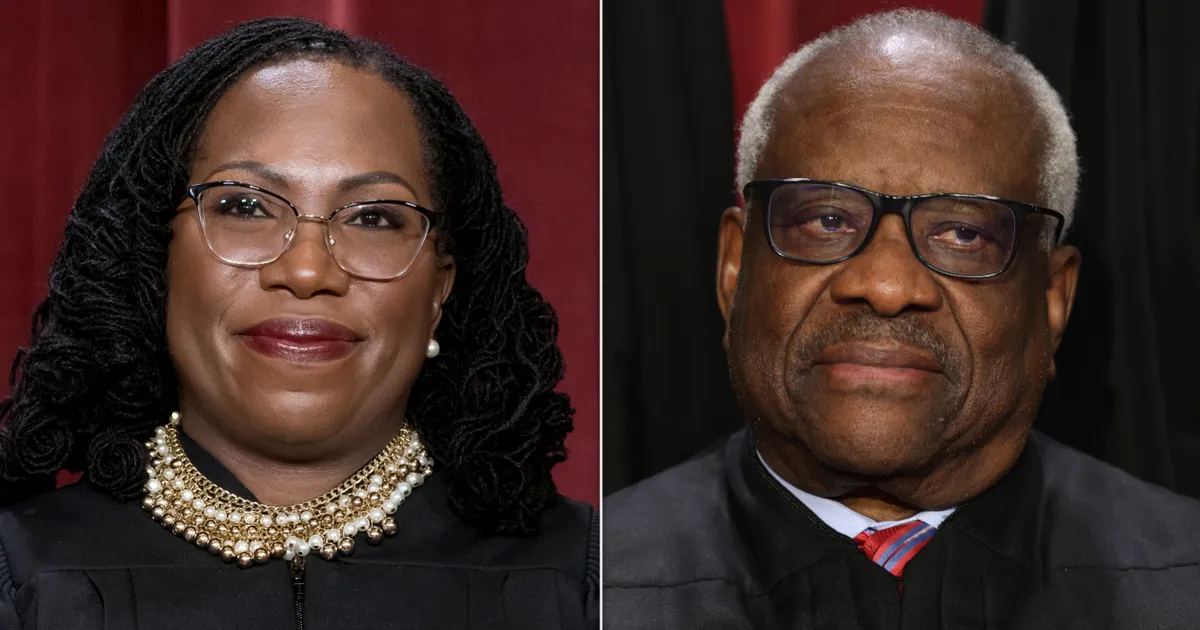
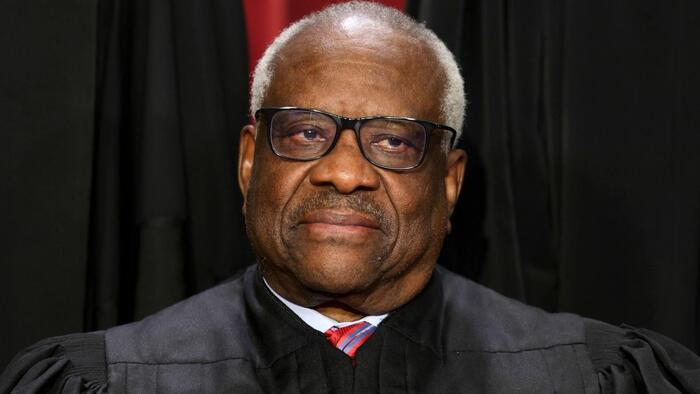
Justice Ketanji Brown Jackson criticized Justice Clarence Thomas for opposing birthright citizenship.

Justice Ketanji Brown Jacksom slams conservative’s ‘myopic’ treatment of 14th Amendment

Jackson criticized her fellow justice's “ahistorical” interpretation of the 14th Amendment.

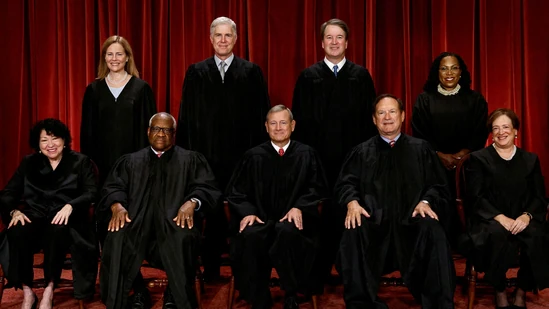
The Supreme Court's birthright citizenship case fueled a dispute between the court’s two Black justices that played out in dueling written opinions.

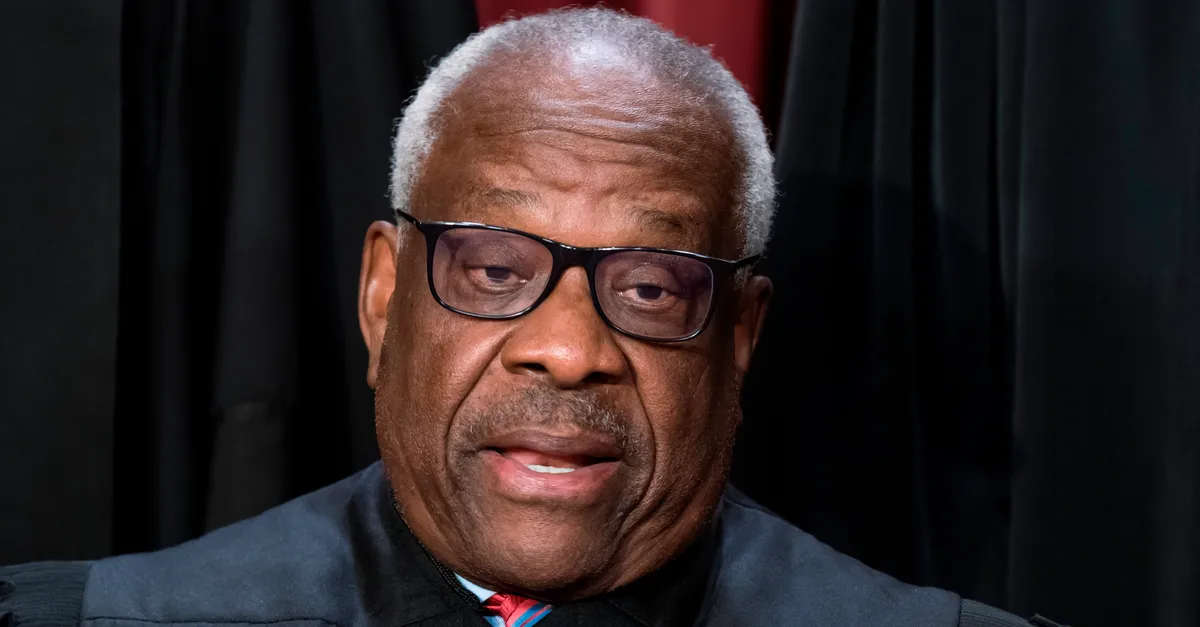
In his dissent, Thomas argued that the 14th Amendment was a narrow correction for formerly enslaved Black Americans — not anyone born on U.S. soil.

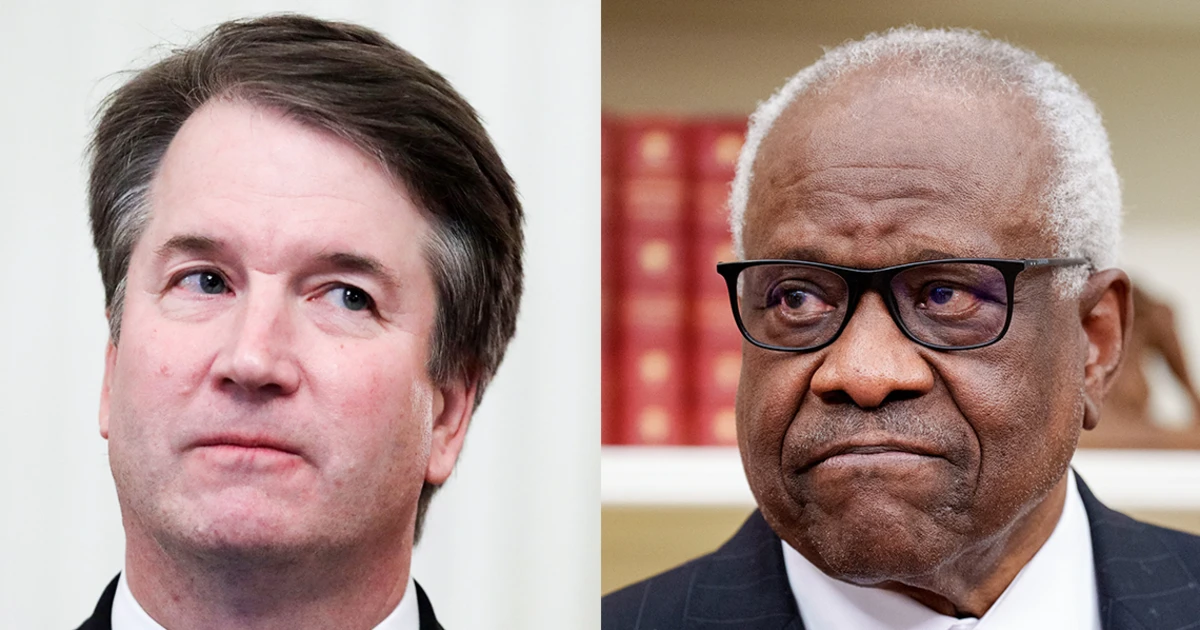
The court rejected President Donald Trump’s proposal, but four justices said it was lawful under the 14th Amendment’s citizenship clause.

The decision that rejected Donald Trump’s attempts to rewrite the Constitution was much too close.

Justice Clarence Thomas issued a forceful dissent to the Supreme Court's birthright citizenship ruling, saying it relied on "alternative history."

The court rejected Trump’s attempt to end the guarantee that all children born on US soil are citizens