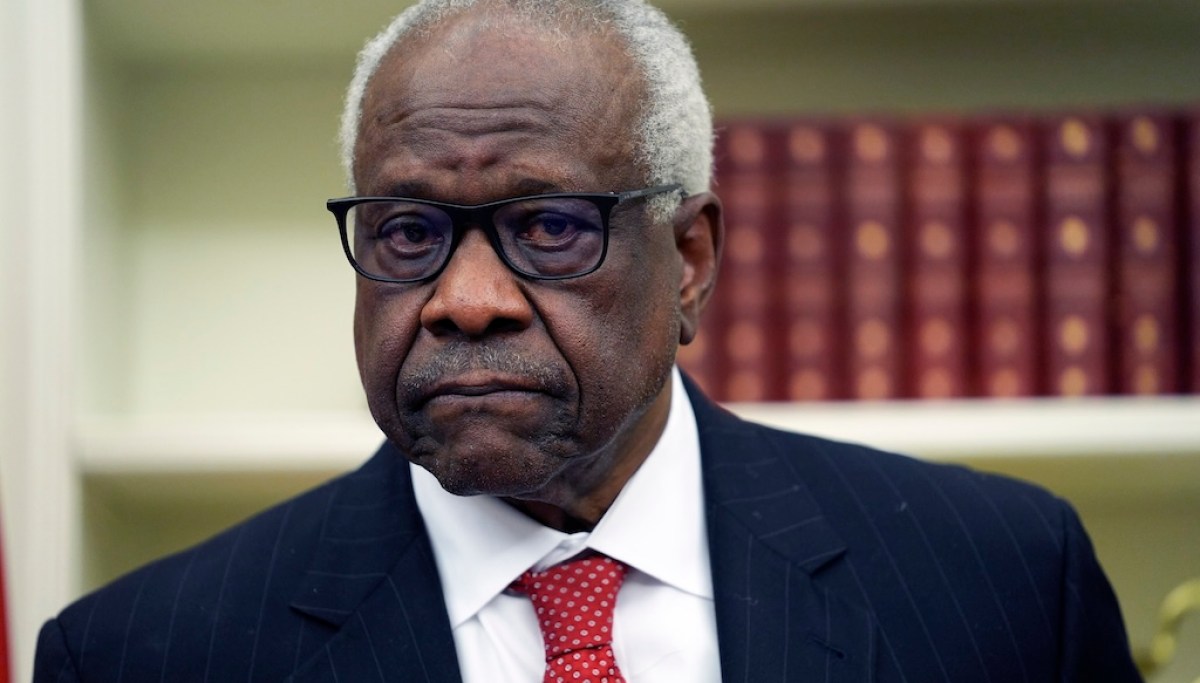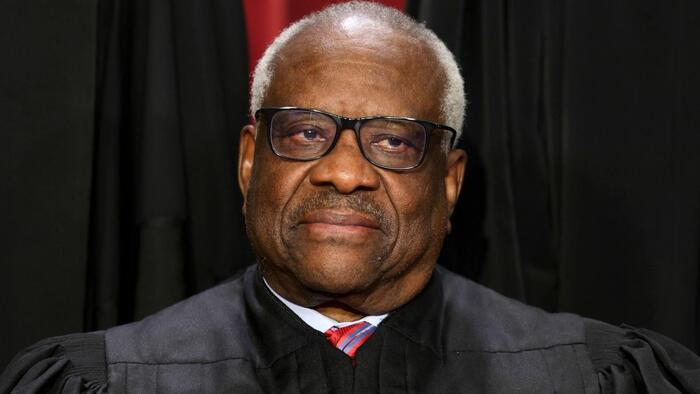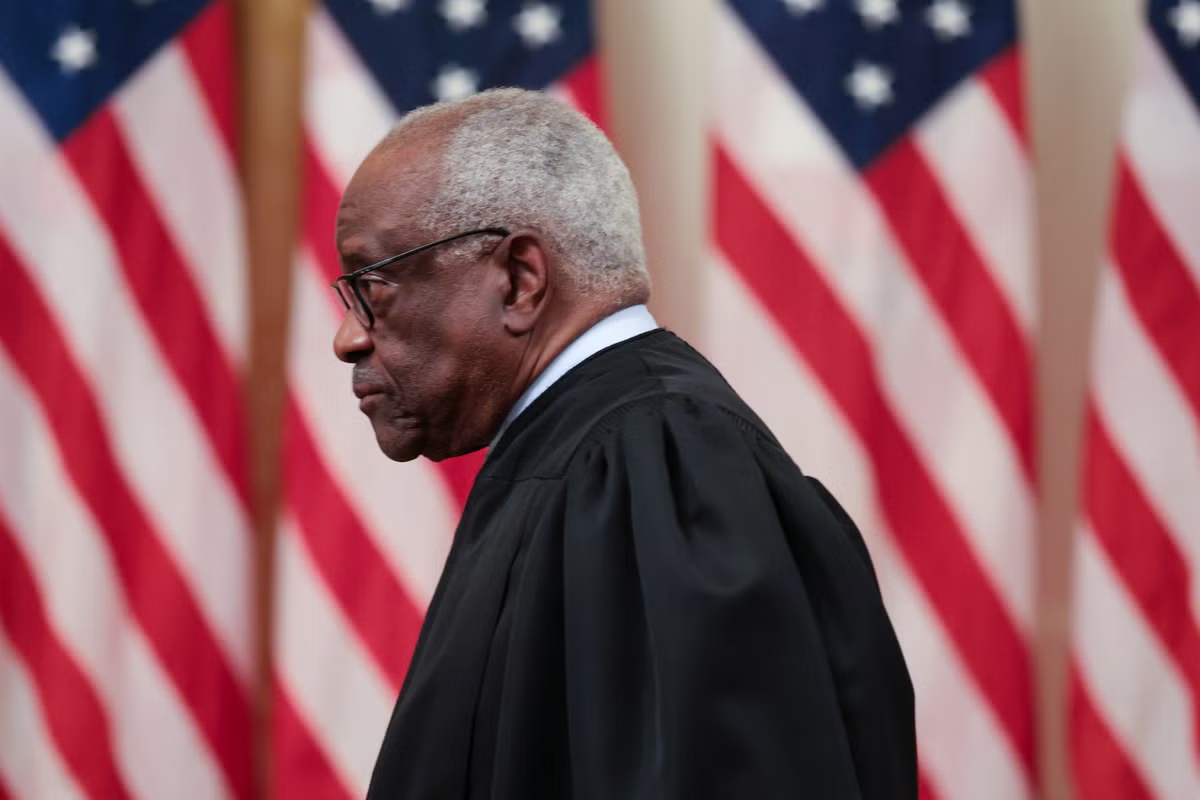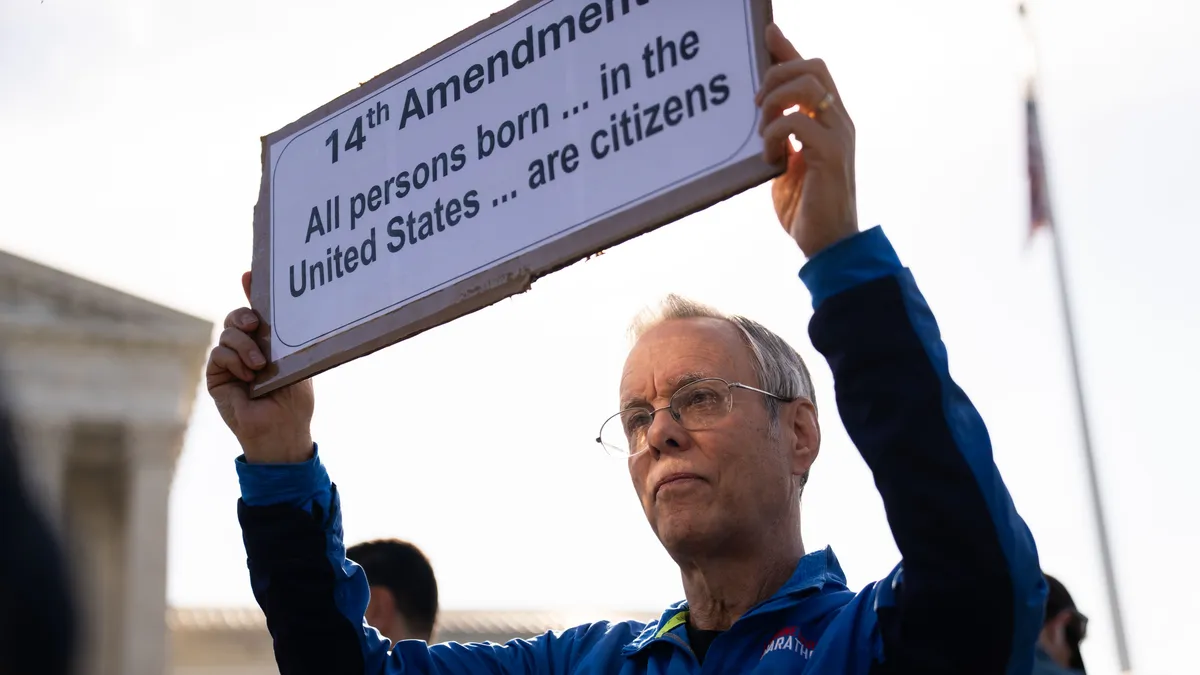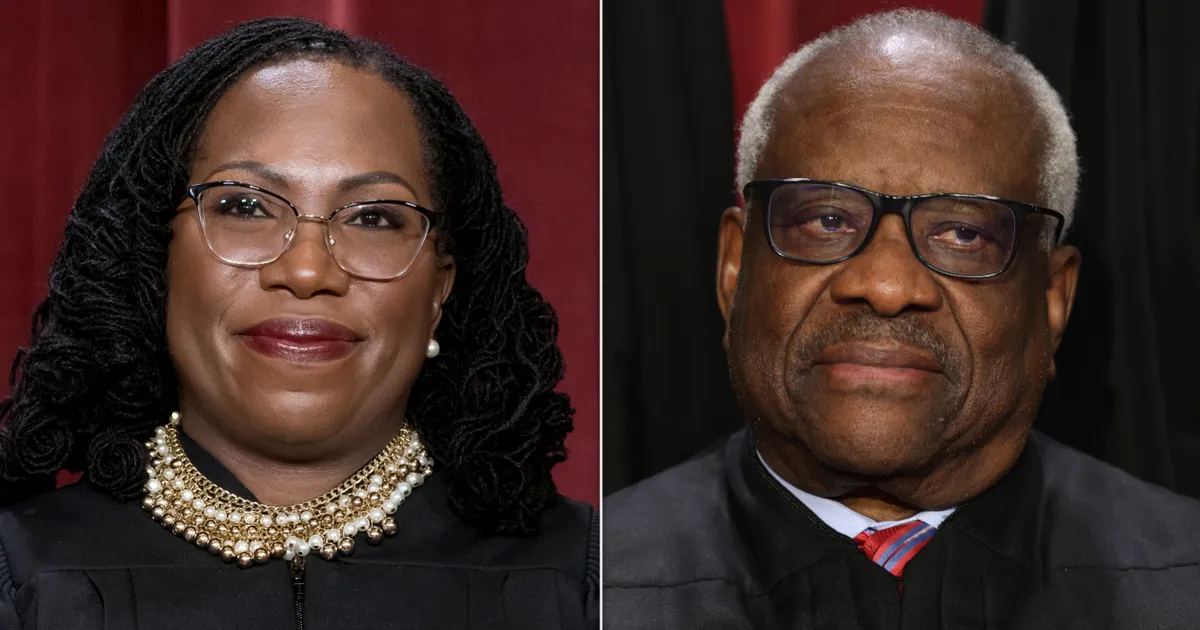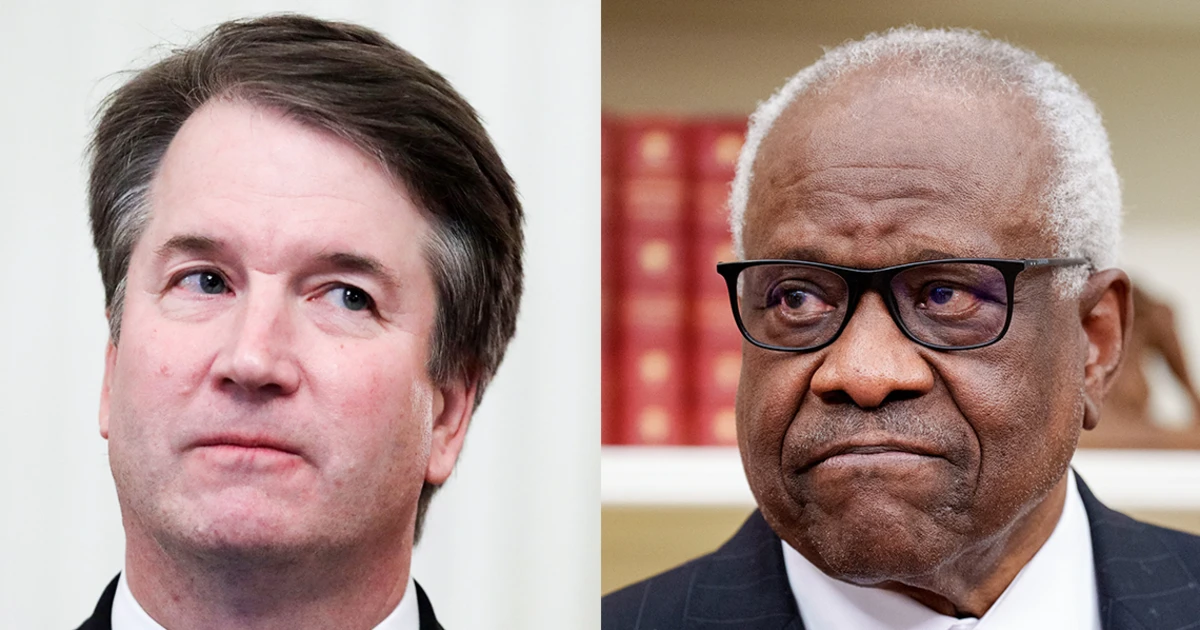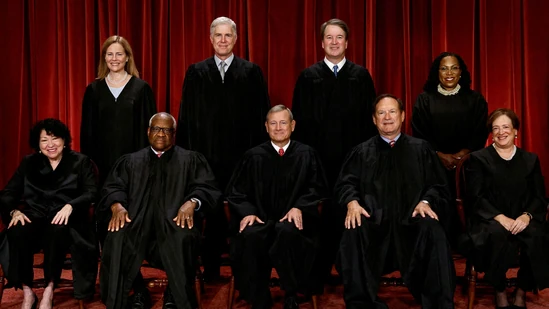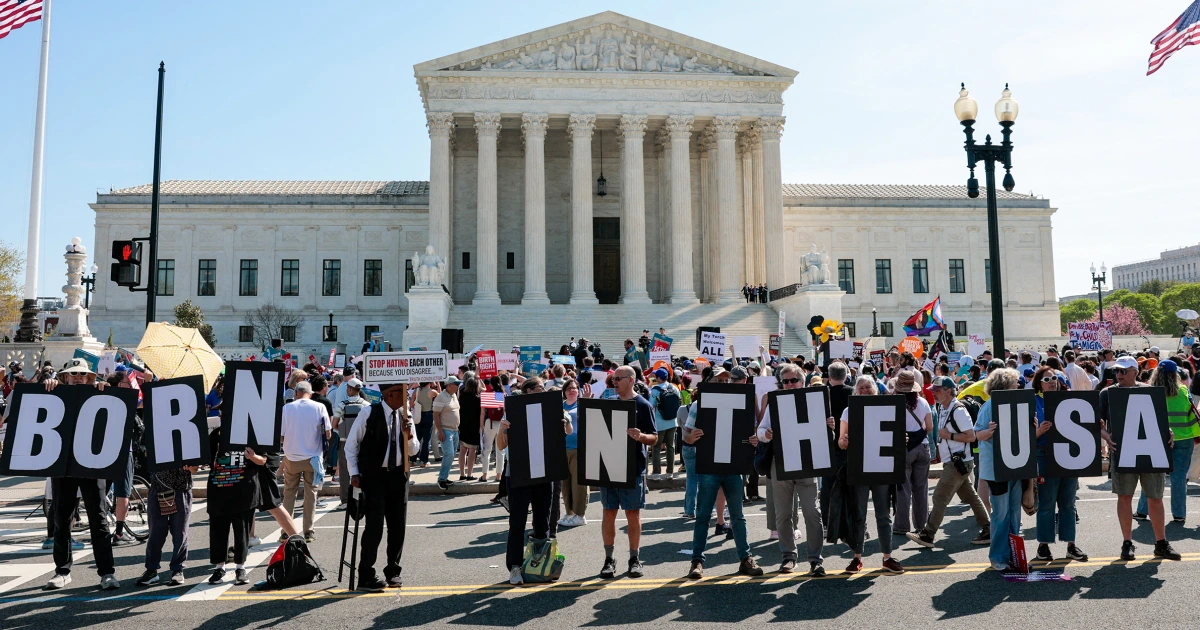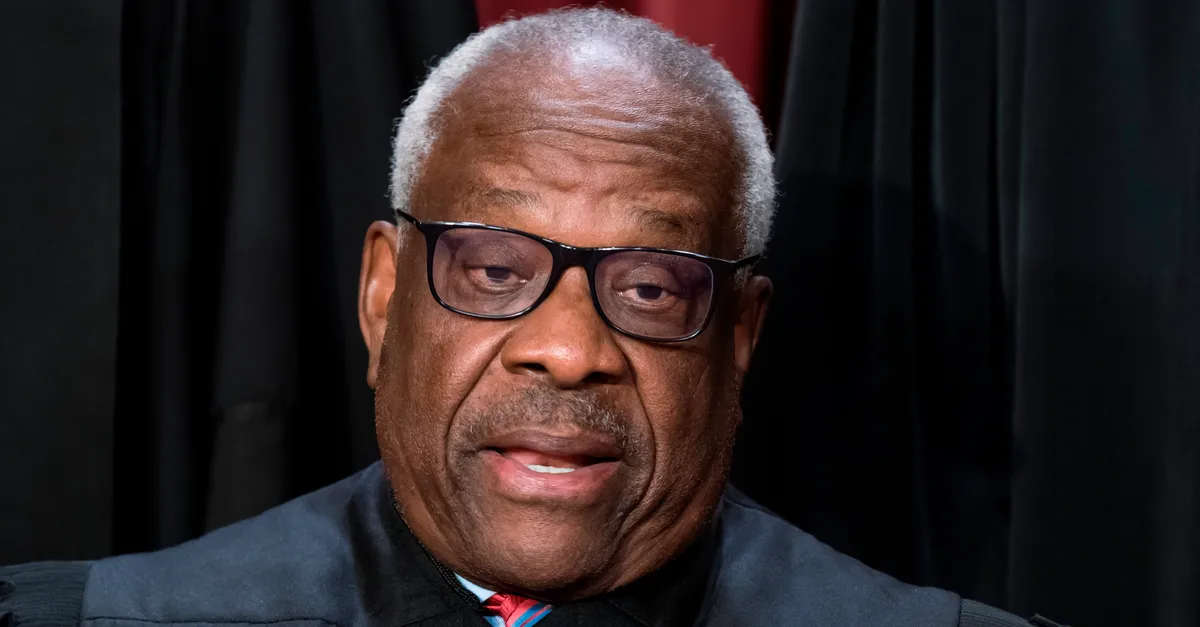
In a 91-page dissent, Supreme Court Justice Clarence Thomas slammed the majority for blocking President Donald Trump’s effort to end birthright citizenship, writing that his colleagues’ decision “repurposed” the 14th Amendment and “devalues” citizenship.“I am not sure that today’s opinion will stand the test of time,” he wrote. “The Citizenship Clause ‘added greatly to the dignity and glory of American citizenship.’ Today’s opinion devalues that citizenship. I respectfully dissent.” The Supreme Court ruled in a 6-3 decision Tuesday to uphold birthright citizenship in the landmark case Trump v. Barbara, extending protections for virtually any child born on U.S. soil to undocumented parents and temporary visa holders. The rulings dealt a significant blow to Trump, who since Day 1 of his second term has sought to end over 150 years of legal precedent. Thomas, whose dissent was joined by fellow conservative Justice Neil Gorsuch and in part by Justice Brett Kavanaugh, wrote that the majority opinion had “repurposed the Fourteenth Amendment to protect its own set of preferred rights.” In writing his lengthy dissent, which occupied nearly half the length of the court’s entire 194-page opinion, Thomas leaned heavily on Dred Scott v. Sandford, an ugly moment in the court’s history that stated former slaves could not claim American citizenship. (Gorsuch, Kavanaugh and Justice Samuel Alito also filed their own, shorter opinions.)U.S. Supreme Court Associate Justice Clarence Thomas answers questions during a visit to the University of Texas at Austin, in Austin, Texas, Wednesday, April 15, 2026. (AP Photo/Eric Gay)via Associated PressThe majority also pointed to Dred Scott, noting that the 14th Amendment was meant to firmly repudiate it. But Thomas framed the 14th Amendment as a corrective clause narrowly intended for formerly enslaved people. “Thomas is trying to make the law much more complex than it is. The law is not that complex,” Samuel Breidbart, a lawyer with the Brennan Center’s Democracy Project, told HuffPost. Justice Ketanji Brown Jackson pointed out the apparent hypocrisy in Thomas’ rationale at the top of her concurrence, where she wrote: “Despite his longstanding endorsement of a ‘colorblind’ Constitution, Justice Thomas now surprisingly suggests that the Citizenship Clause was a race-conscious remedial measure, relating only to ‘freed slaves such as Dred Scott.’” Matthew Brogdon, senior director of the Center for Constitutional Studies at Utah Valley University, noted that Thomas’ lengthy dissent could reflect an attempt to “problematize the historical record” the majority of the court relied on, and lay the groundwork to change it. “If he lays out a compelling enough case, a future court could utilize that to move the law in a different direction,” he said.Notably, Thomas also repeated the divisive rhetoric that Trump has frequently used to describe immigrants, such as “foreign birth tourists” and “illegal aliens,” while stoking anxieties that birthright citizenship could force the U.S. to grant citizenship to children of foreign spies or enemies.Kristen Clarke, general counsel for the NAACP and former assistant attorney general for civil rights at the Department of Justice, told HuffPost that she saw “strong strains of xenophobia and a startling degree of anti-immigrant animus that run through the dissents issued by both Justices Thomas and Alito.”She also suggested that Thomas’ reading of that history should be rejected outright. His “revisionist description of the 14th Amendment,” she said, “finds no support in text, history or precedent.”RelatedImmigrationscotusClarence Thomasbirthright citizenshipdred scott
Justice Thomas Invokes Black History To Argue Against Birthright Citizenship In Dissent
In his dissent, Thomas argued that the 14th Amendment was a narrow correction for formerly enslaved Black Americans — not anyone born on U.S. soil.
554 words~3 min read