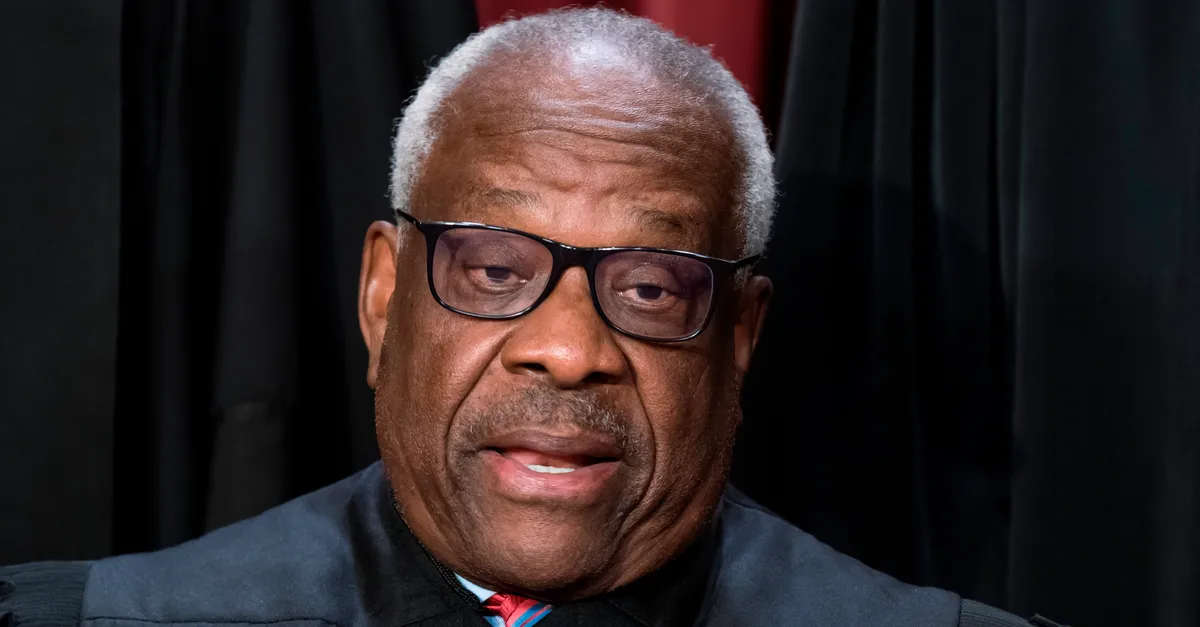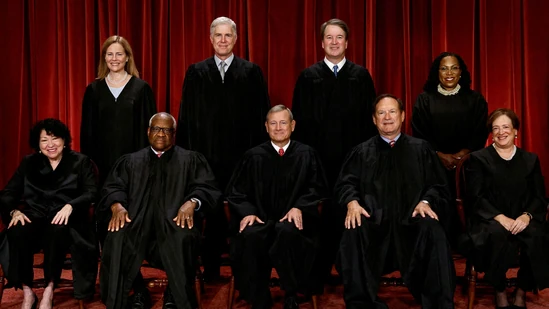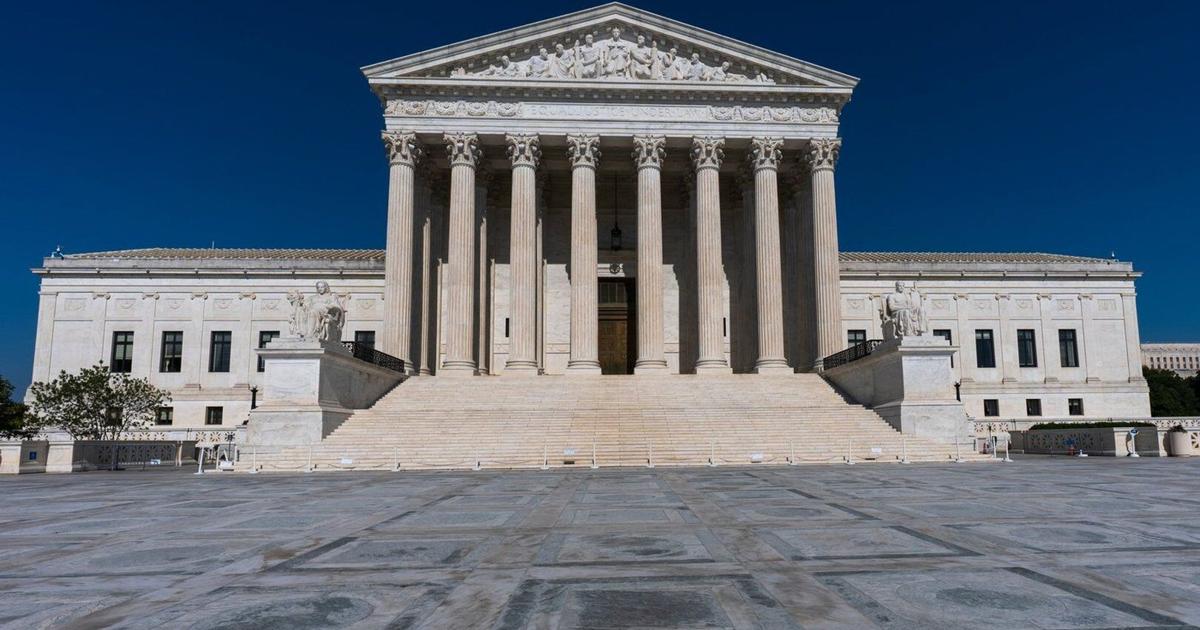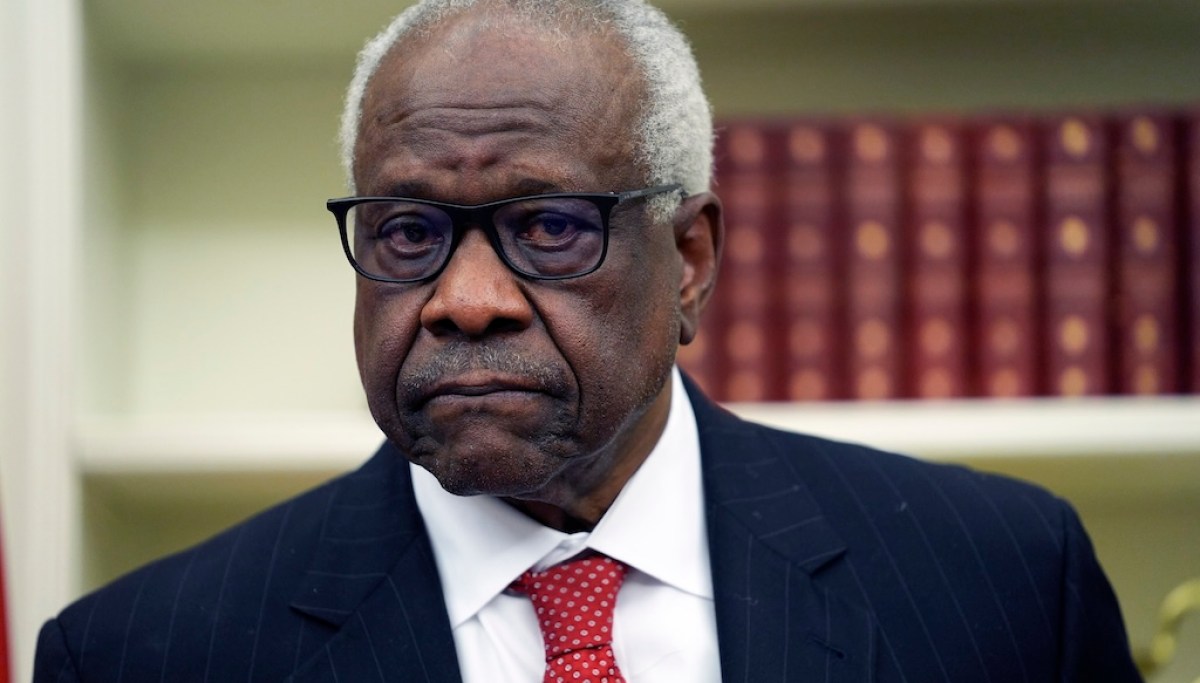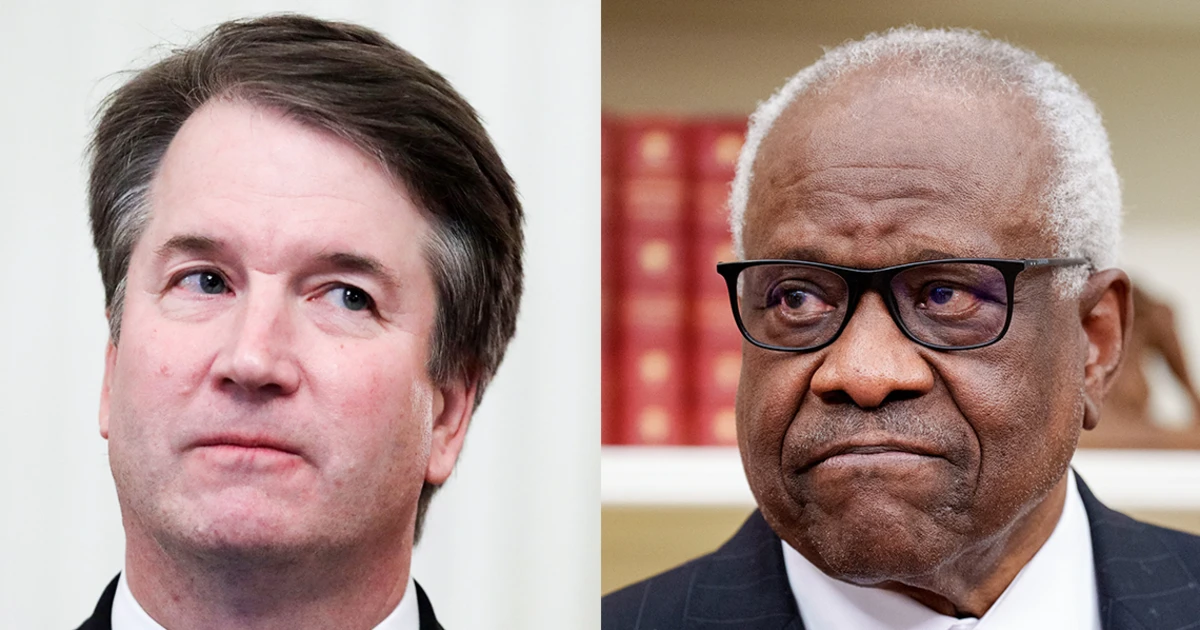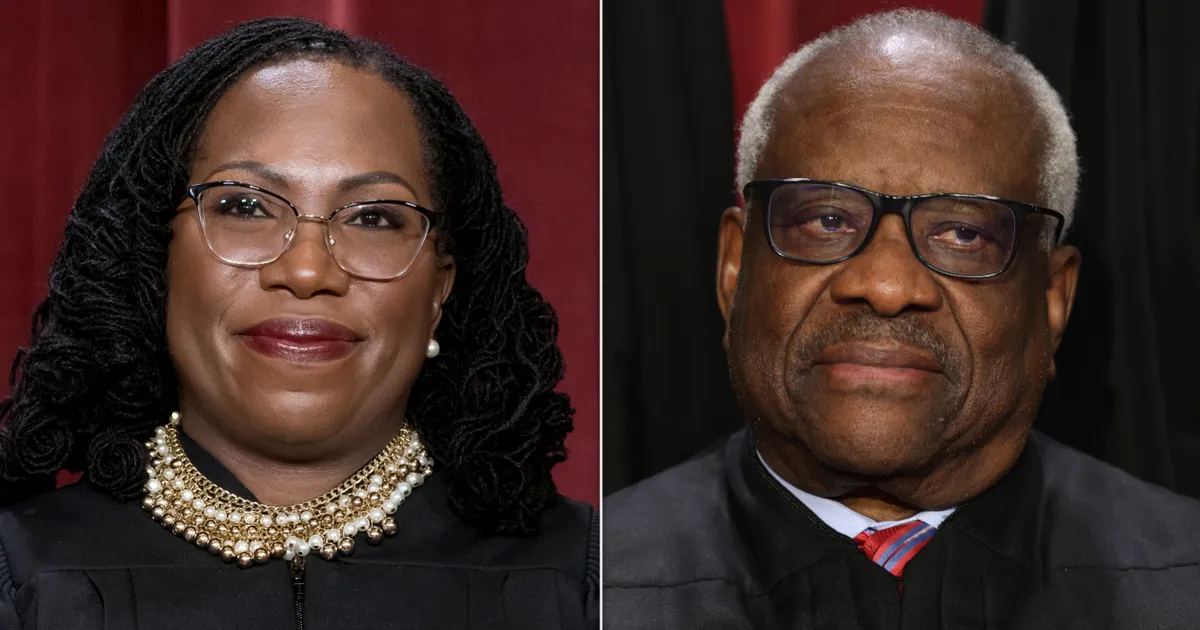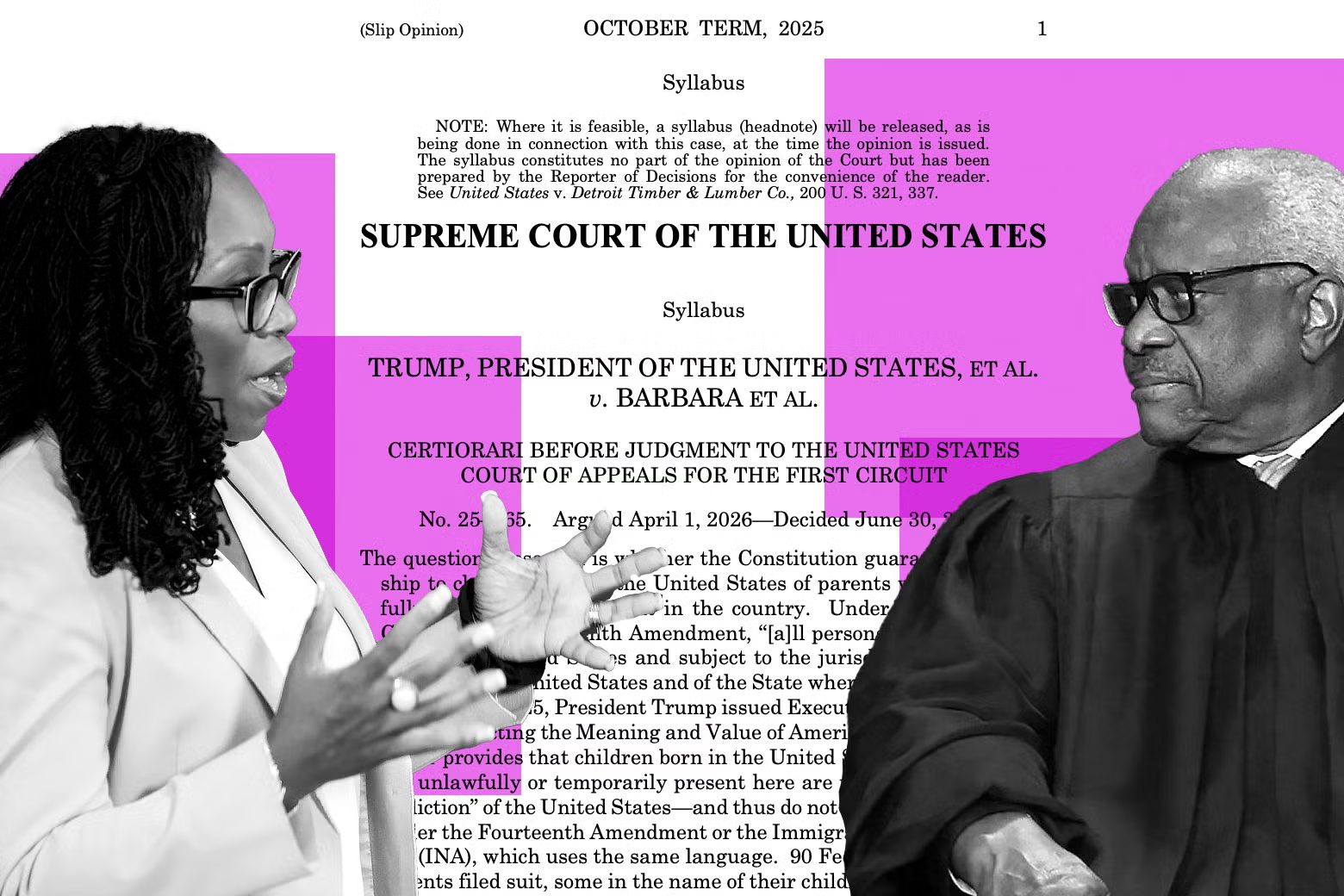
The Supreme Court's birthright citizenship case fueled a dispute between the court’s two Black justices that played out in dueling written opinions.Show Caption
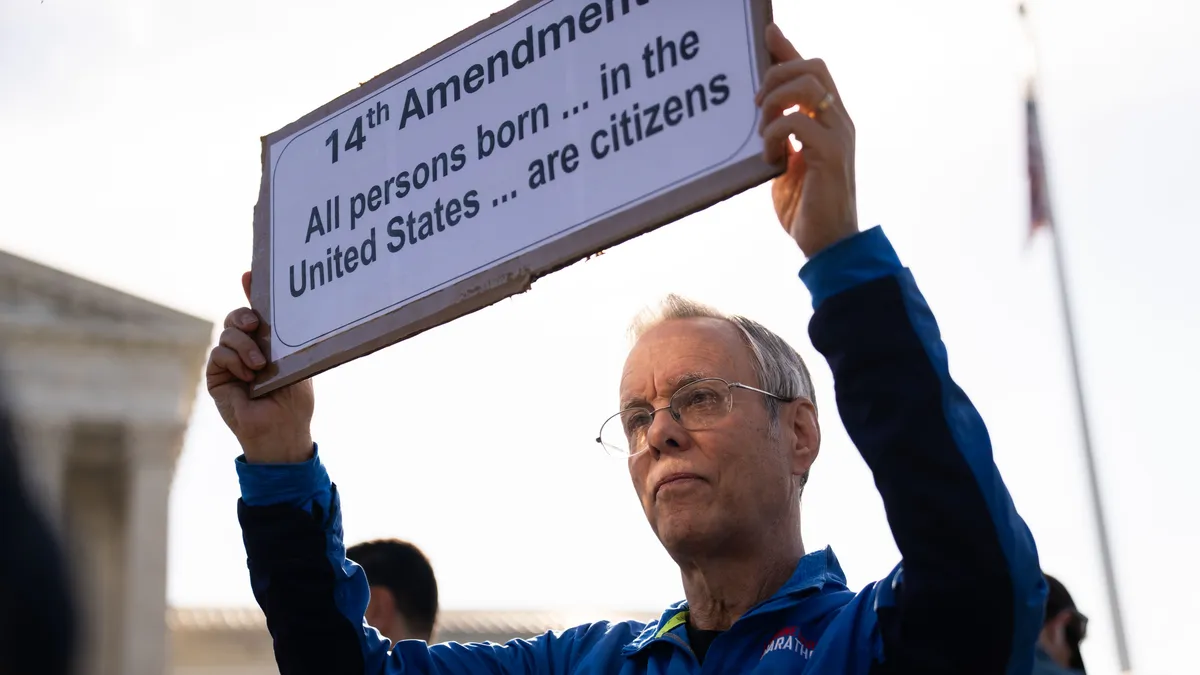
The Supreme Court’s rejection of President Donald Trump’s attempt to limit birthright citizenship on June 30 also fueled a dispute between the court’s two Black justices in dueling written opinions.Justice Clarence Thomas, appointed by Republican President George H.W. Bush and Justice Ketanji Brown Jackson, appointed by Democratic President Joe Biden, differed sharply on aspects of the case’s key question: Whether the Constitution’s 14th Amendment ensured citizenship for everyone born in the United States.The case stemmed from Trump’s order that federal agencies not recognize the citizenship of babies born in the United States if they do not have at least one parent who is an American citizen or lawful permanent resident. Expectant parents, immigrant rights groups and 22 state attorneys general sued to challenge the order.The majority 6-3 decision found that Trump cannot change the definition of how the constitutional guarantee had historically been understood, and that children born to parents who are unlawfully or temporarily in the United States still satisfy the citizenship clause of the 14th Amendment.The 14th Amendment states that "all persons born or naturalized in the United States, and subject to the jurisdiction thereof, are citizens of the United States and of the State wherein they reside."Trump argued the amendment ratified in 1868 after the Civil War was intended to protect the rights of the children of slaves, not of the temporary visitors or undocumented immigrants he sought to exclude.Justices Thomas and Jackson focused in part on the court’s notorious 1857 decision called Dred Scott, which ruled a slave couldn’t be a citizen or claim the resultant rights and privileges.Justice Thomas, in his dissent, said that Congress overruled Dred Scott with the 1866 Civil Rights Act and the 14th Amendment. But he argued that neither provision provided citizenship to visitors."Both the Civil Rights Act and the Citizenship Clause guaranteed citizenship to persons born and domiciled in the United States regardless of their race,” Thomas wrote for himself and Justice Neil Gorsuch. “Neither guaranteed citizenship to persons who were not domiciled in the United States."Unlike temporary visitors from other nations, Blacks were entitled to citizenship because they were Americans. They had no other homeland, owed no allegiance to any foreign power, and were subject to no other authority," he wrote. He also said that the 14th Amendment had “been repurposed for political projects that the Reconstruction Congress did not support.”But Jackson, in her concurring opinion, took aim at Thomas’ argument, saying it was he who had “repurposed” the 14th Amendment and echoed the “detestable” Dred Scott decision by agreeing with Trump to deny citizenship to the children of tourists or undocumented immigrants.She argued that the Fourteenth Amendment’s “universalist aims” had endured through past debates on whether children of Chinese or Roma immigrants should be considered citizens.“The Reconstruction Amendments were an anticaste, antisubordination reset for the Nation, not a mere spot treatment for the dark stain of slavery,” she wrote, arguing that the minority’s view “pitches Black Americans against immigrants when the advocates who promoted the Fourteenth Amendment did no such thing. Freed Blacks fought for the shared humanity of all people.”“Their bottom line is that, for certain people, being born on American soil will not suffice to confer citizenship,” Jackson wrote.