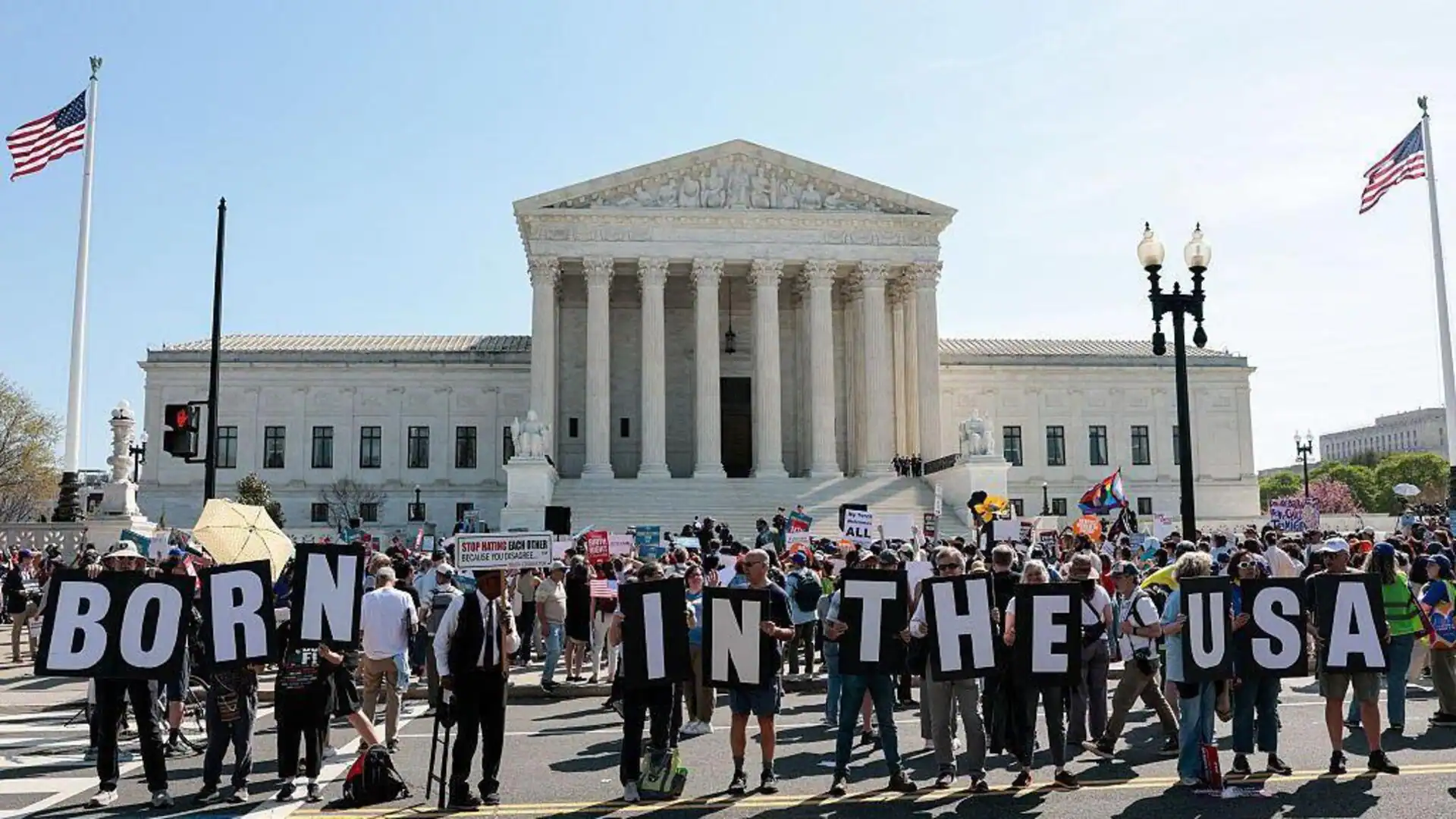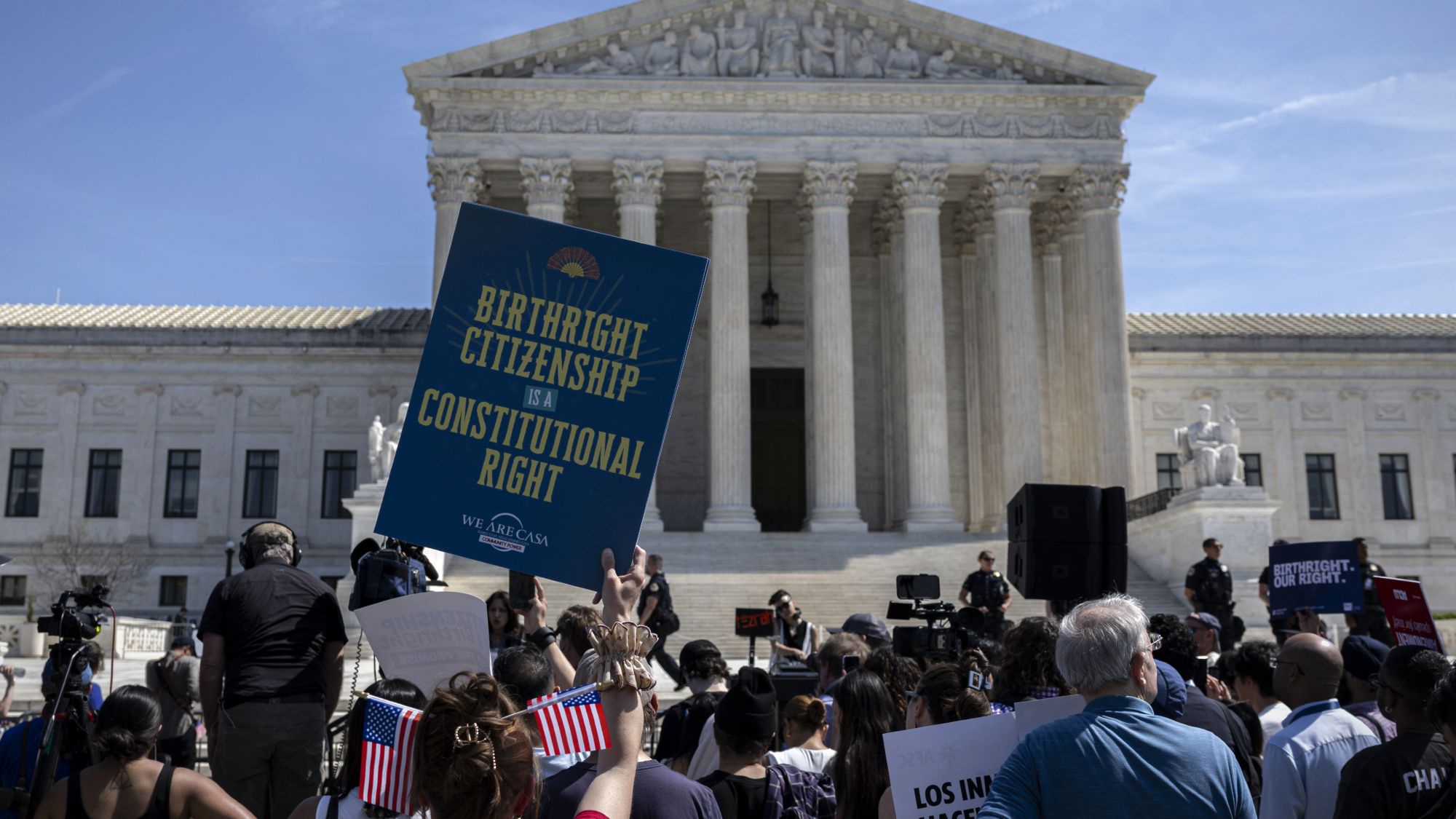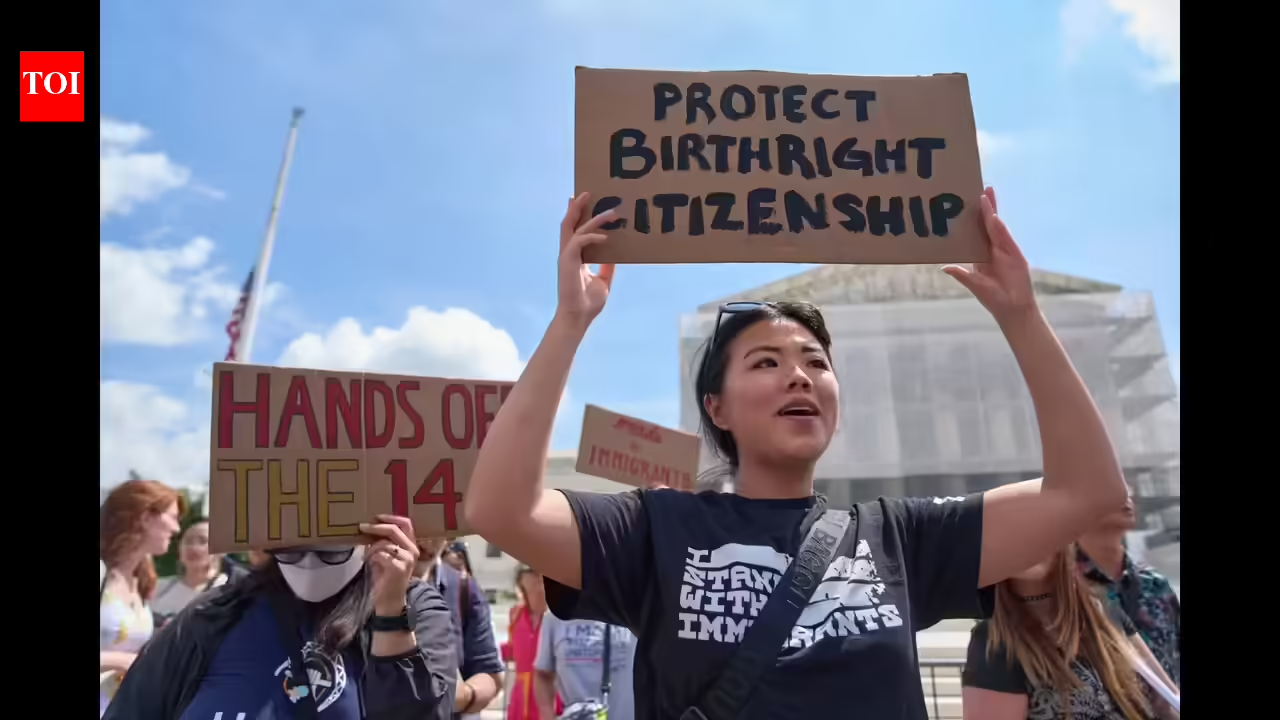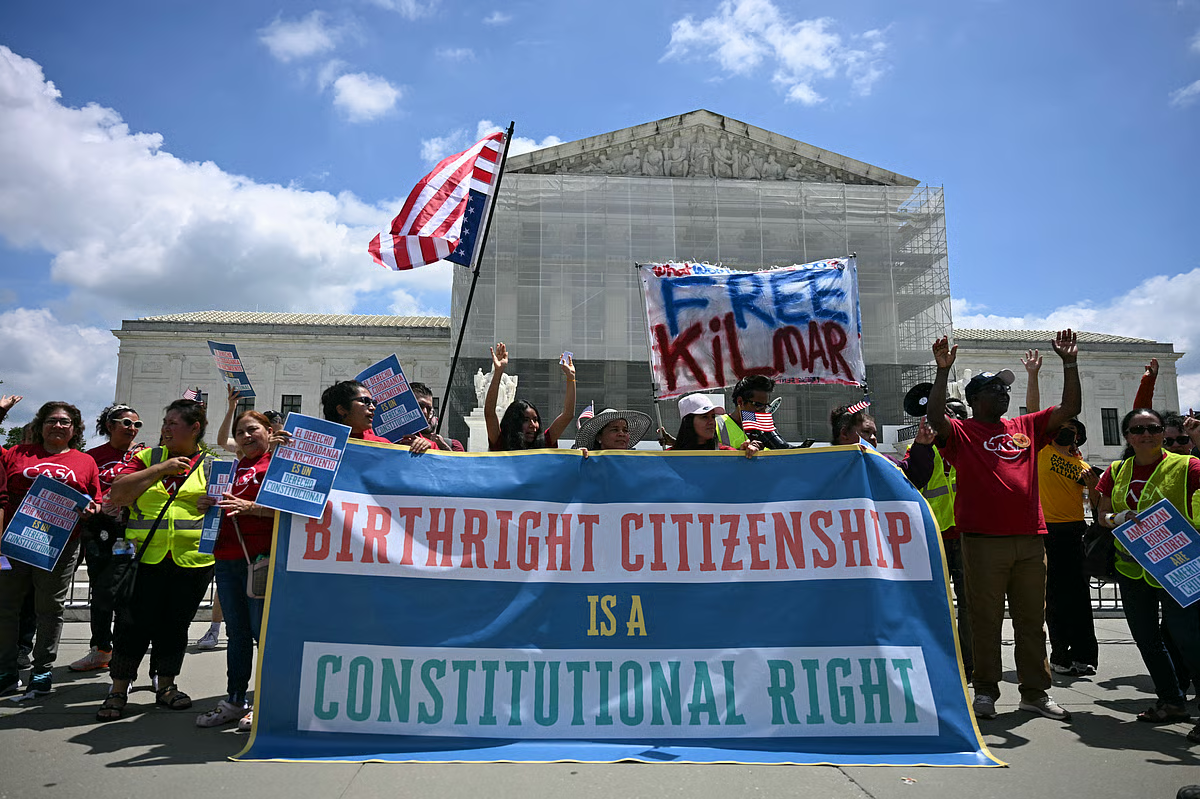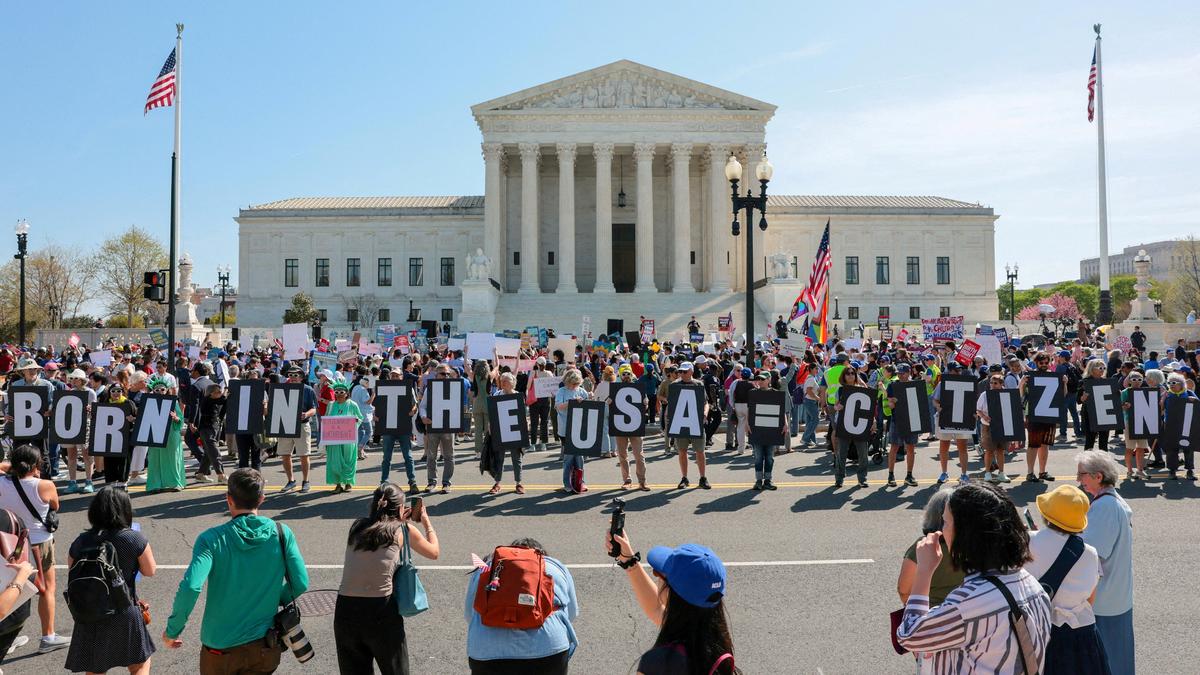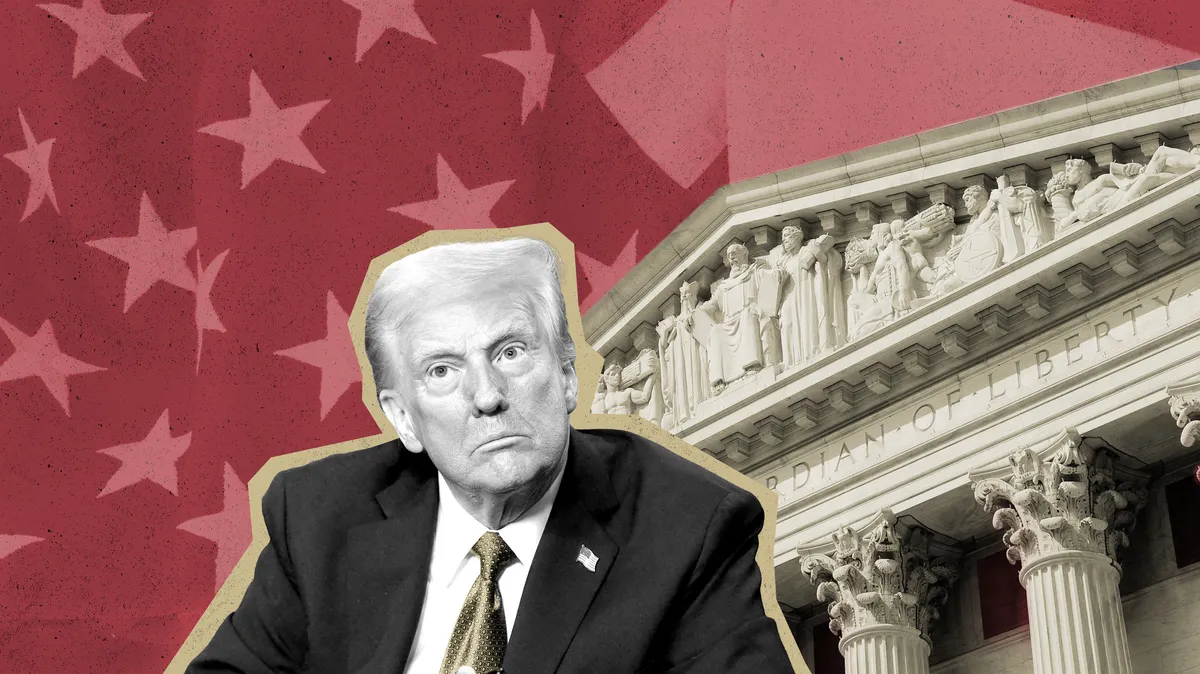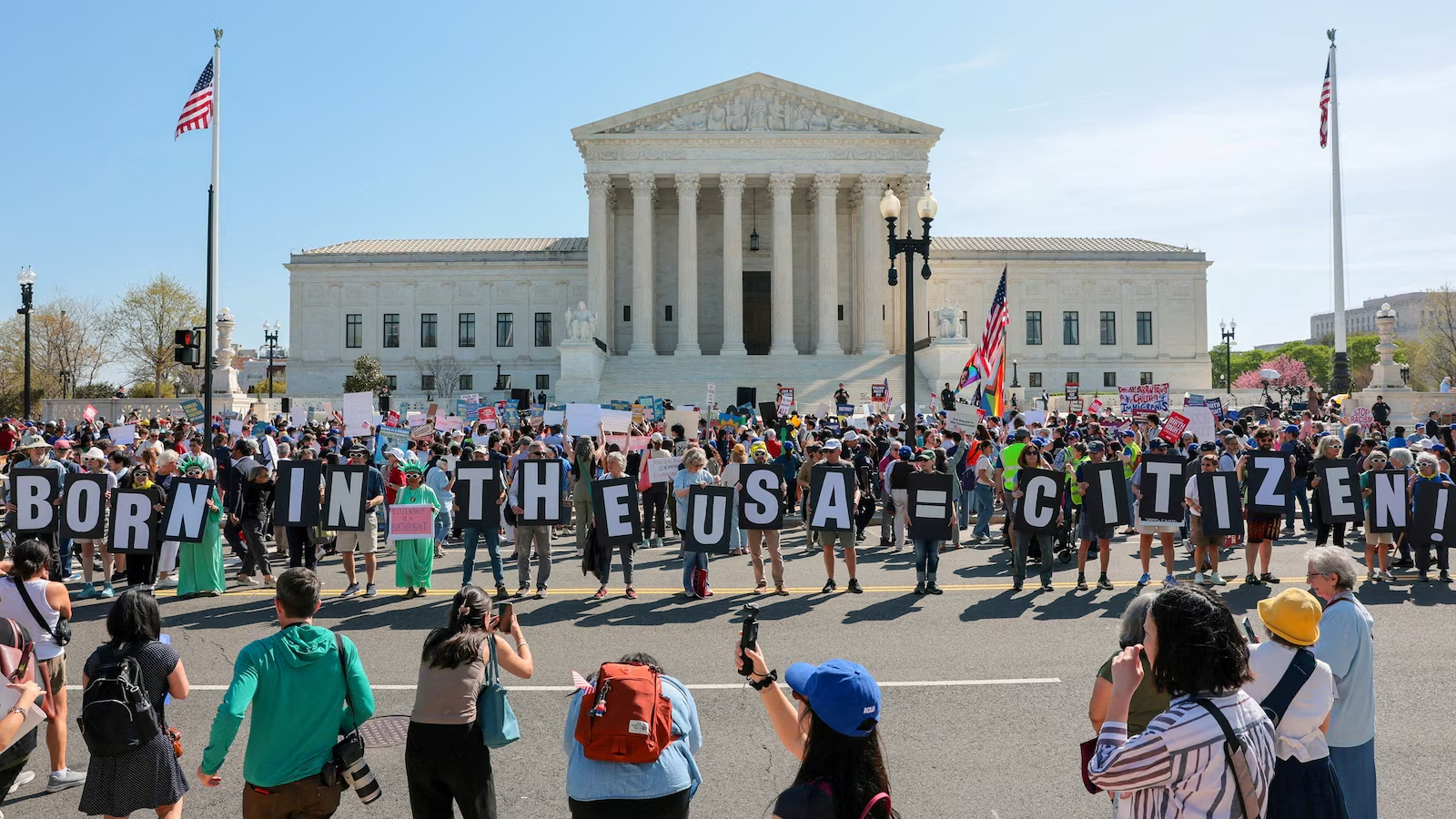
The U.S. Supreme Court this week reaffirmed the constitutional guarantee of birthright citizenship, rejecting President Donald Trump’s attempt to end the longstanding practice of granting citizenship to nearly all children born on U.S. soil.
In a 6-3 decision, the Court held that Trump's executive order violated the Fourteenth Amendment, preserving a principle that has defined American citizenship for more than 150 years.
As the justices considered the history of birthright citizenship in the United States, they turned to the work of UC Berkeley History Professor Hidetaka Hirota, whose 2017 book “Expelling the Poor: Atlantic Seaboard States and the Nineteenth-Century Origins of American Immigration Policy” was cited in the decision.
The Court referenced Hirota's account of the “outcry in 1855 when Massachusetts deported a pauper Irish mother with her American-born infant, who was acknowledged to be a native-born citizen,” illustrating that even during a period of strong anti-immigrant sentiment, birthright citizenship was widely recognized.
For Hirota, the citation highlights the value of historical scholarship in shaping contemporary legal debates.