HomeAI · summaries
Storia in 6 fonti
When the government searches Google, it searches you
The Supreme Court recently heard oral argument in Chatrie v. United States, the first direct constitutional challenge to geofence warrants.
Confronto fonti
6 prospettive sulla stessa storiaTimeline cronologica
- ·
theverge.com

A search is a search.
In a 6-3 ruling, the Supreme Court determined that people have a reasonable right to privacy on their devices. The government had argued “geofence warrants” don’t constitute…
- ·
scotusblog.com
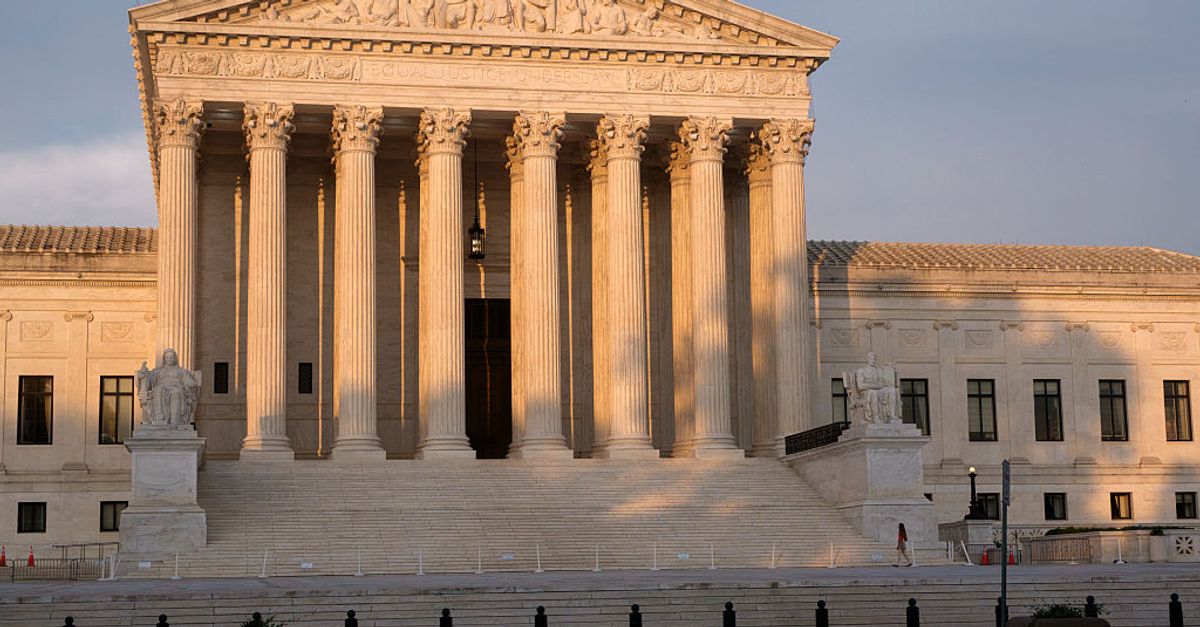
Court rules that law enforcement’s use of “geofence warrant” was a “search”
Type to search articles, cases, and authors.