HomeAI · summaries
Storia in 15 fonti
OECD warns prolonged Middle East war could sharply slow global growth
The global economy faces uncertainty due to the Middle East conflict. The OECD warns of recession and rising inflation if the war continues into next year. A prolonged conflict could significantly slow global growth. Asian nations heavily reliant on Middle East energy supplies are expected to face the biggest impact. Central banks may need to raise interest rates.
Confronto fonti
6 prospettive sulla stessa storiaTimeline cronologica
- ·
cnbc.com

OECD warns of global slowdown as U.S.-Iran war stymies economic growth prospects
The OECD has cut its global growth outlook, warning of lasting damage caused by the Middle East conflict.
- ·
theguardian.com
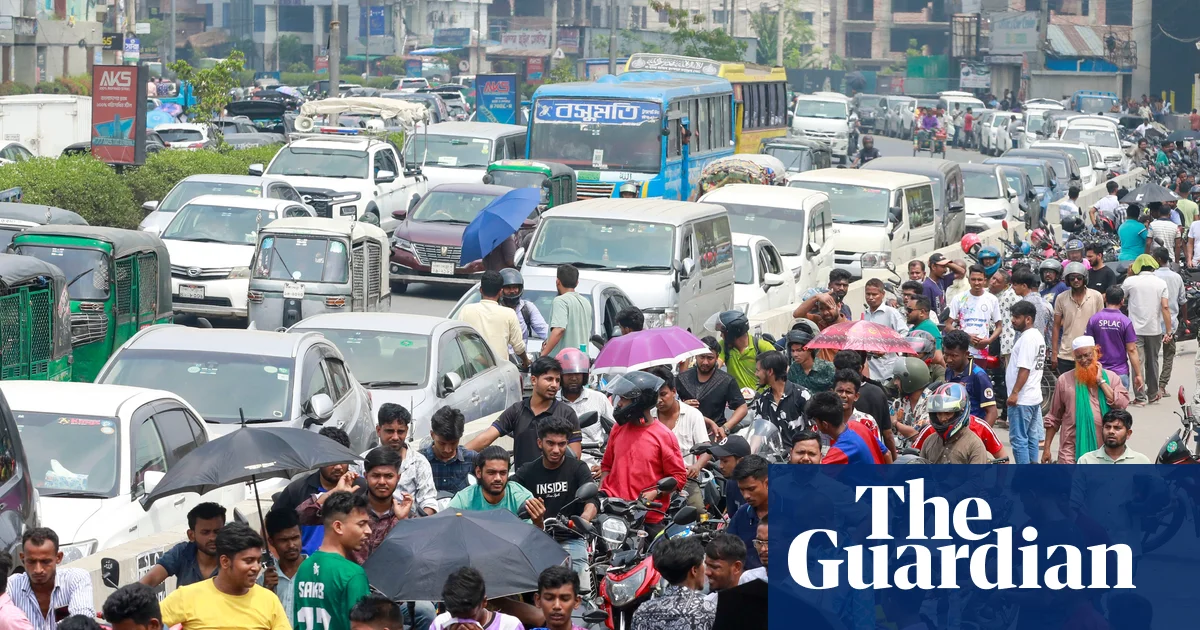
OECD predicts spate of recessions globally if Iran conflict drags into 2027
Policy forum lays out ‘prolonged disruption’ scenario in which world’s GDP falls to 2.1% this year from 3.4% in 2025