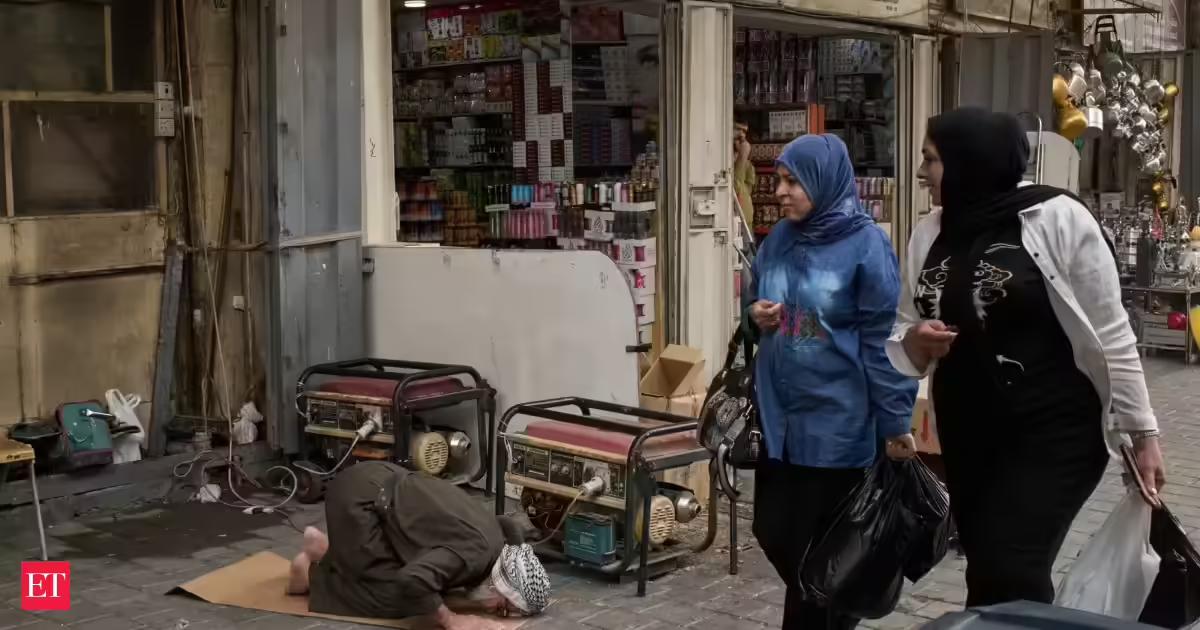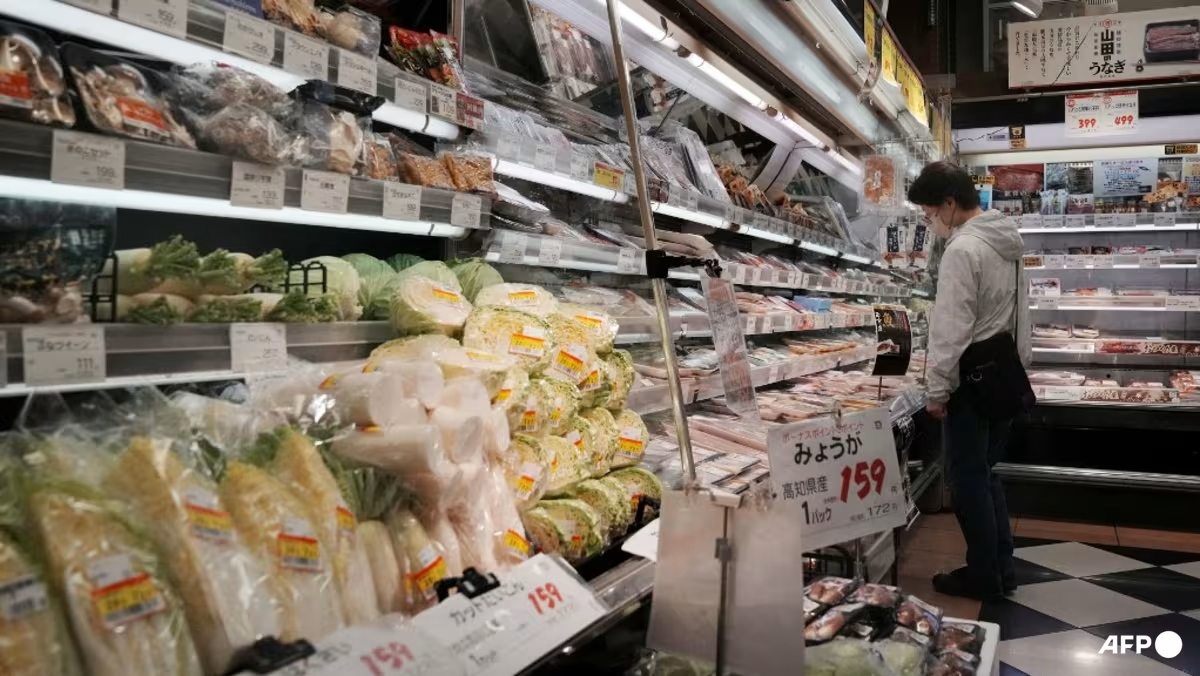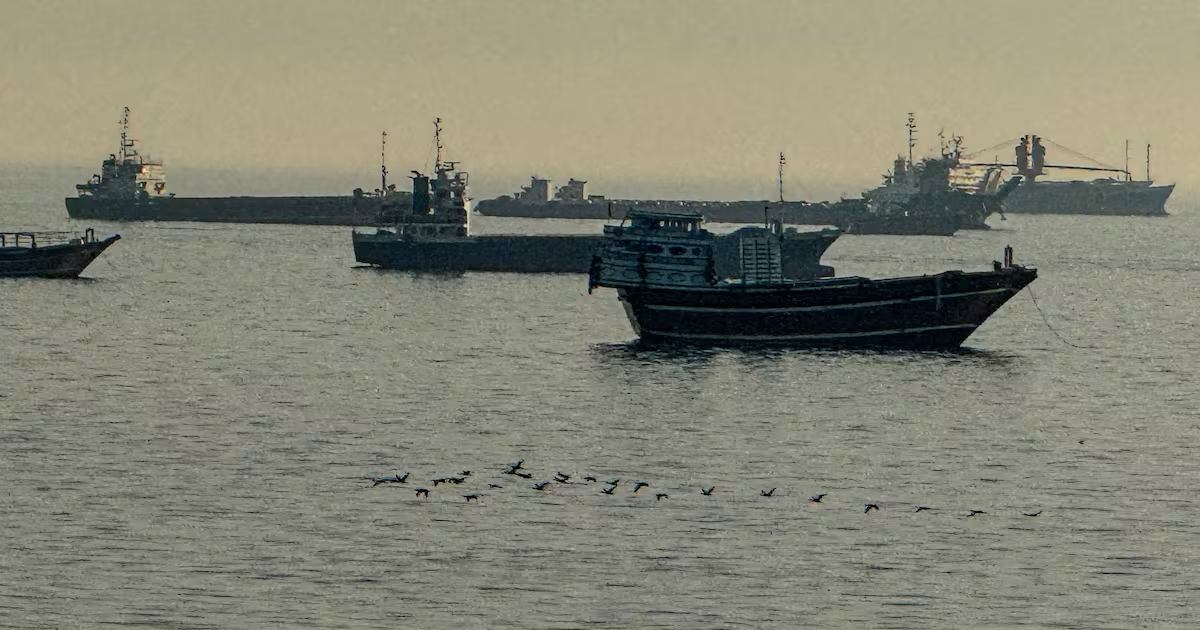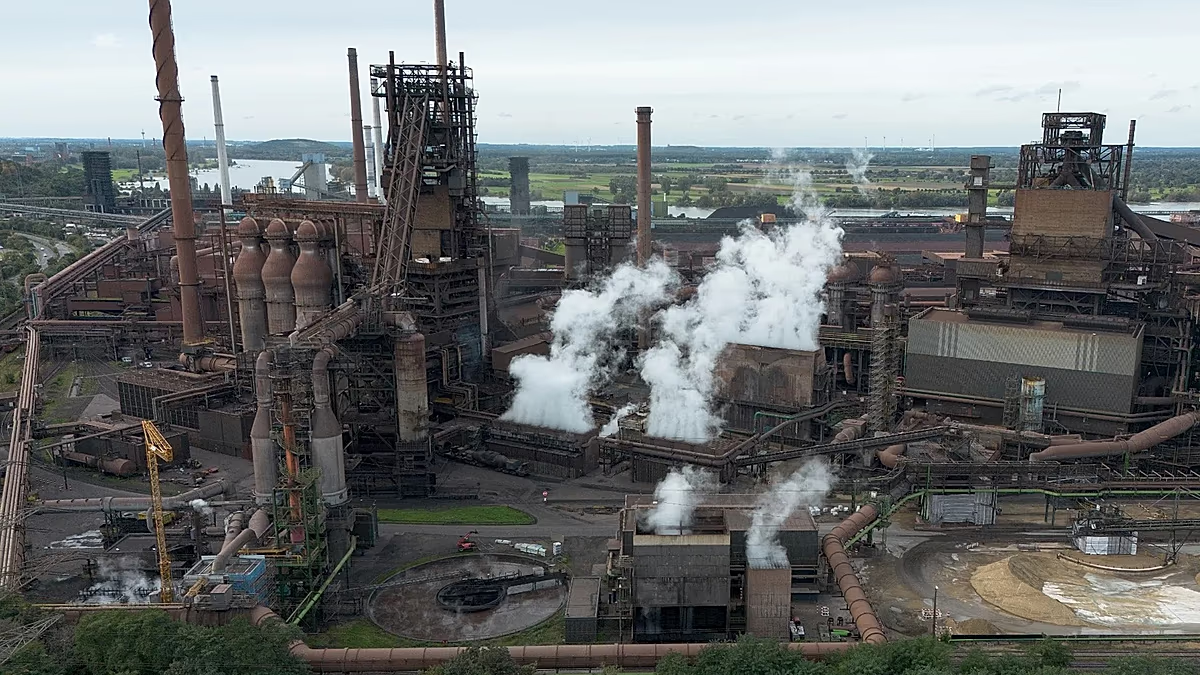
The global economic outlook hinges on how long the war in the Middle East lasts, with recession in some countries and sharply higher inflation a real possibility if it drags on into next year, the Organisation for Economic Co-operation and Development (OECD) warned on Wednesday.
If the conflict proves short-lived, Gulf oil and gas production could gradually return to pre-crisis levels from the third quarter with shortages confined to Asia and cushioned by strategic reserves and shipments from other producers.
In that baseline scenario, global growth is projected to slow from 3.4% in 2025 to 2.8% in 2026 before picking up to 3.1% in 2027, broadly in line with the OECD's March forecasts.
In its previous economic outlook, the group of 38 industrialized countries had forecast 2026 global growth of 2.9%.
"The longer the disruption lasts, the greater the economic, but also the social cost of this crisis, and it certainly will make policy changes much more difficult," OECD chief economist Stefano Scarpetta told a press conference.