HomeAI · summaries
Storia in 17 fonti
Jony Ive’s Ferrari looks nothing like a Ferrari
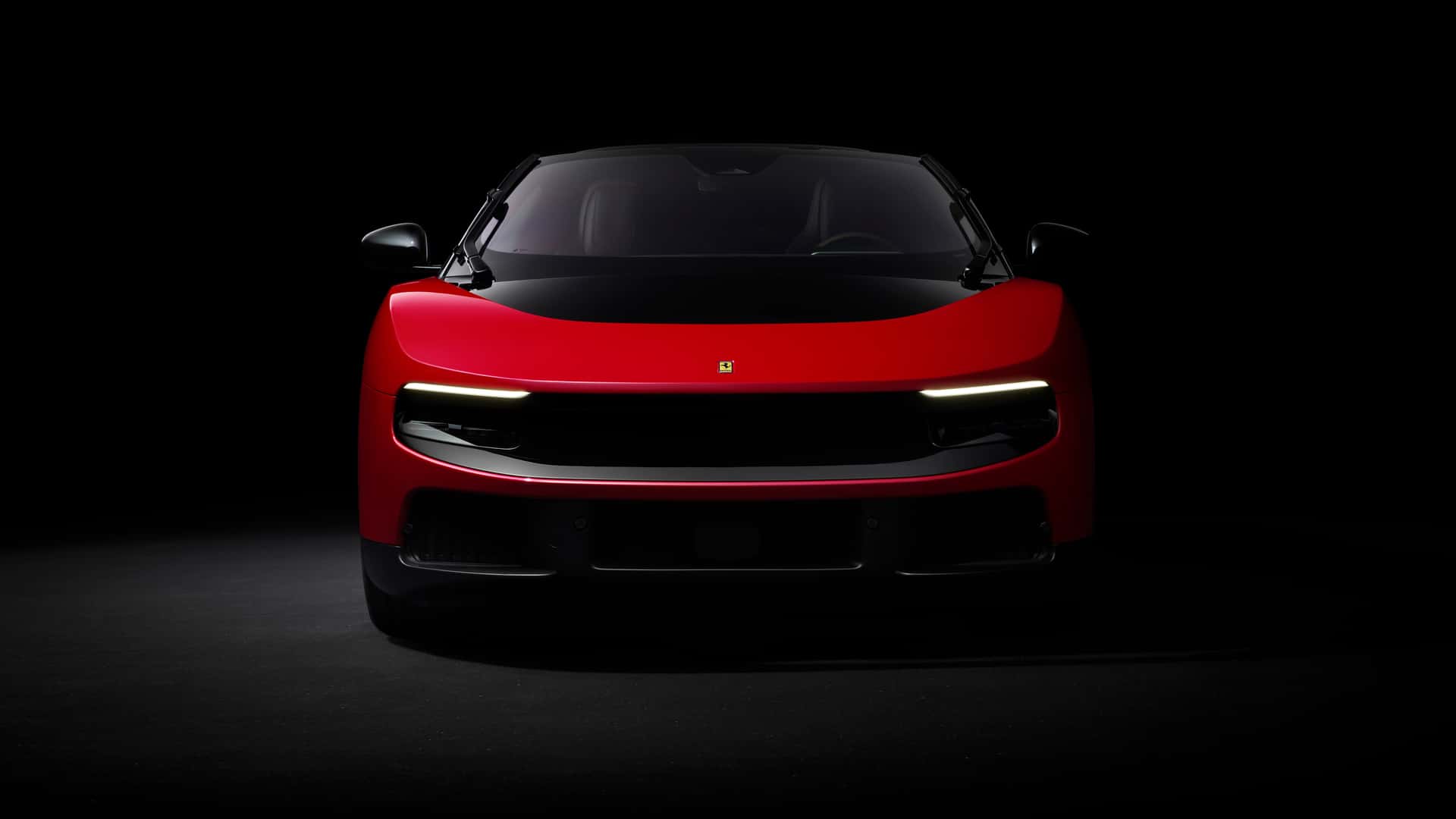
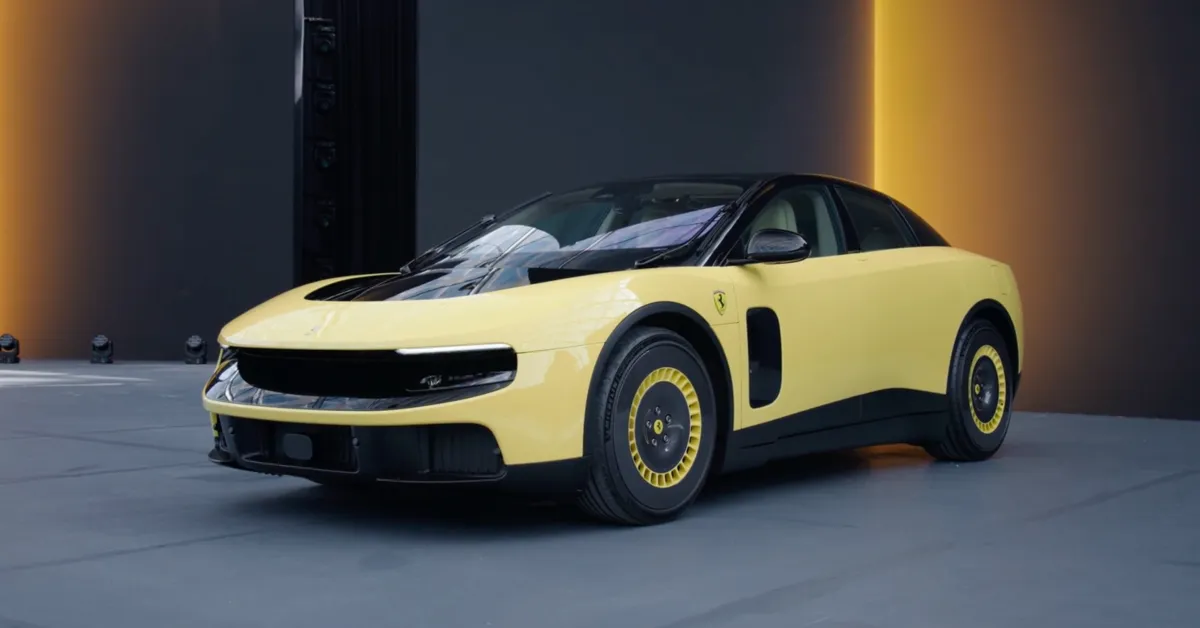
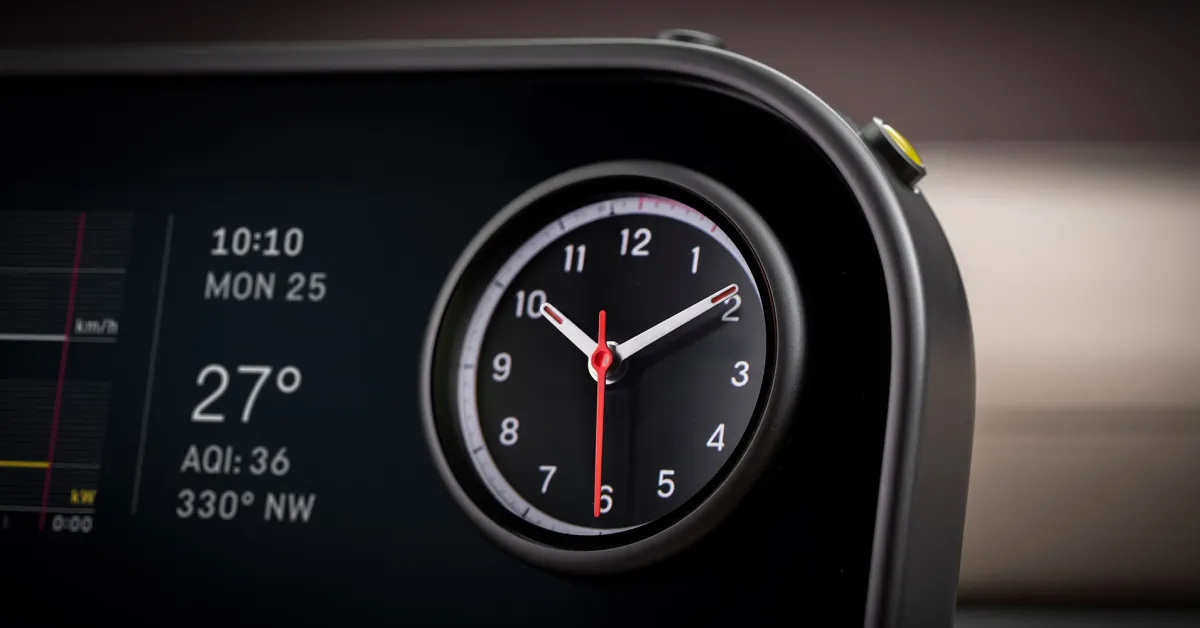
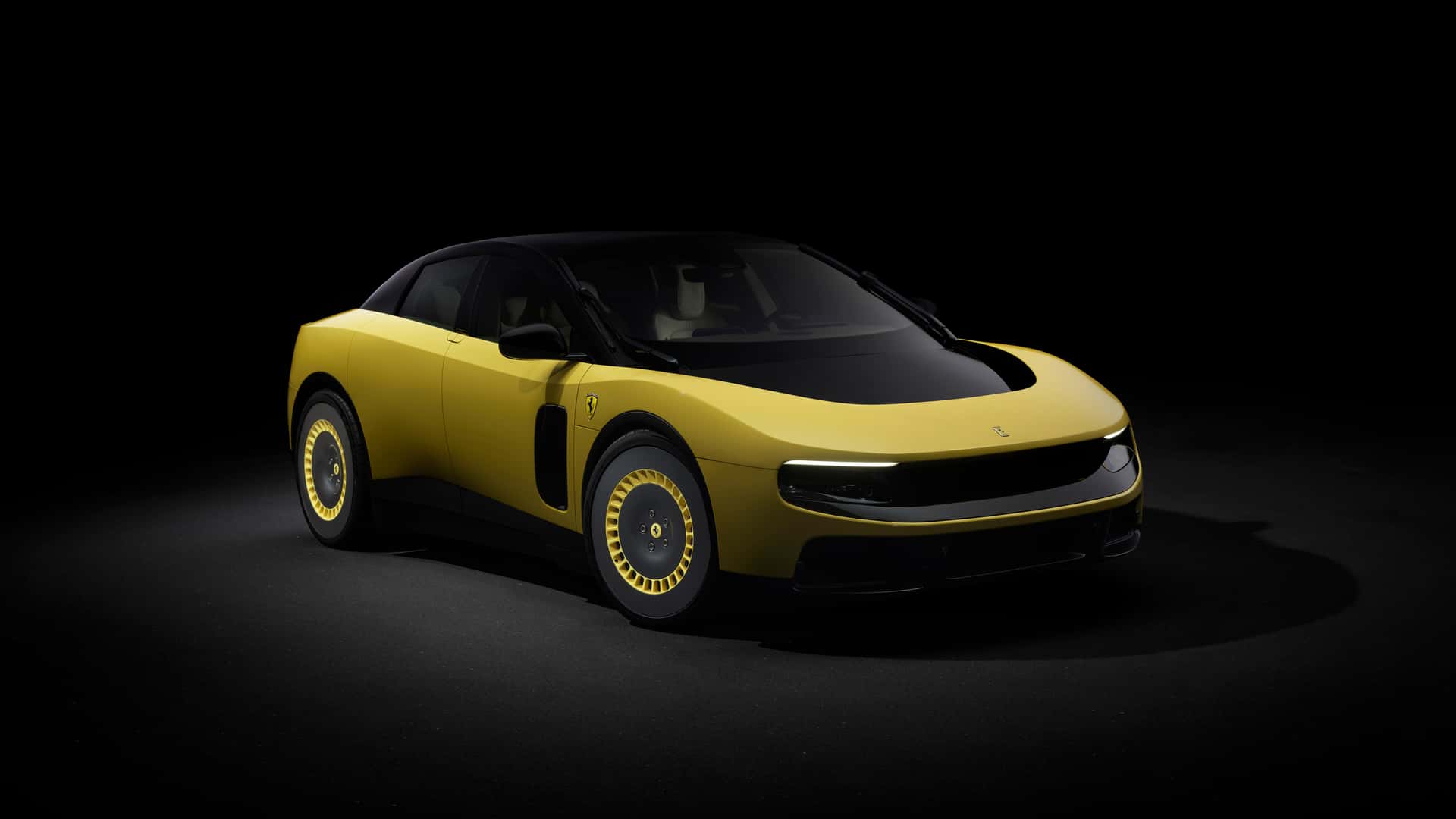
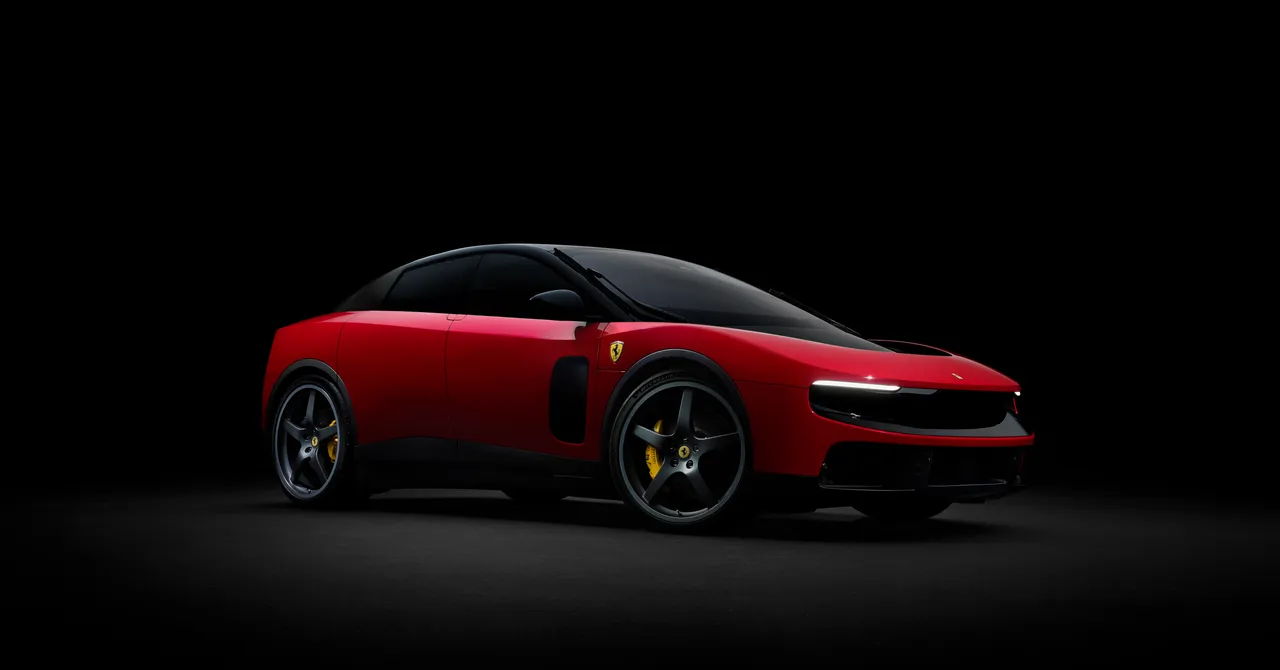
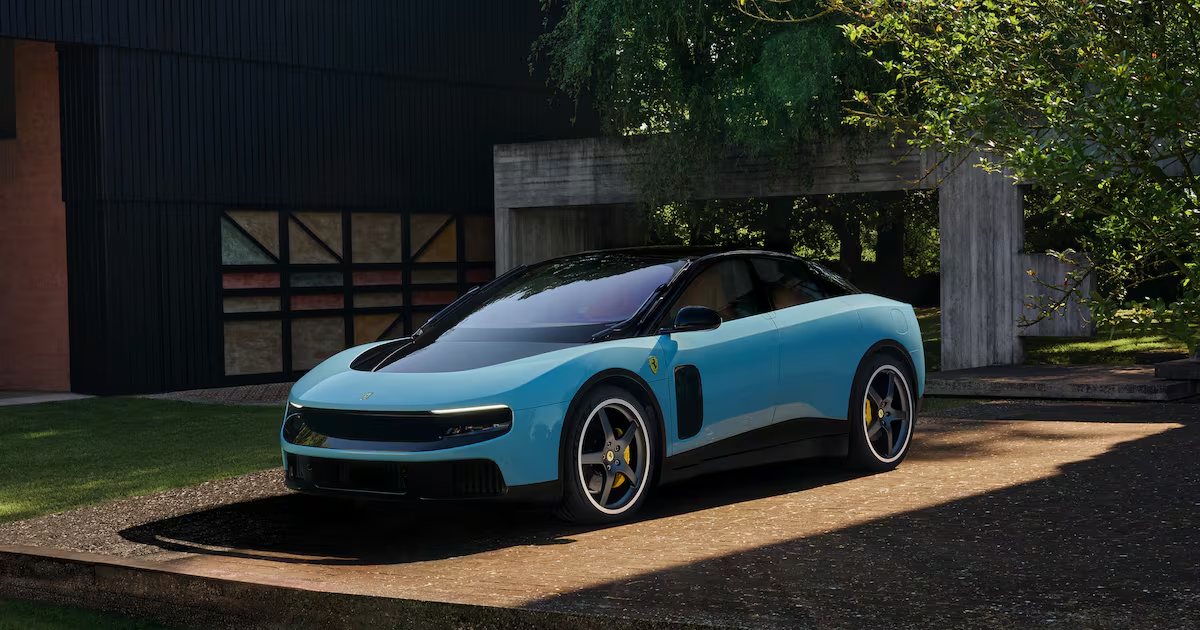
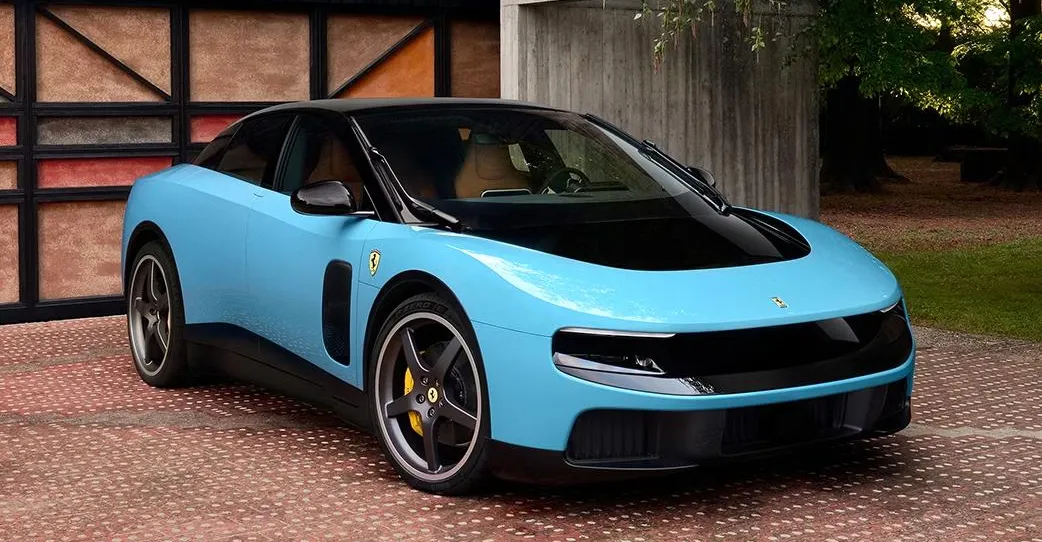
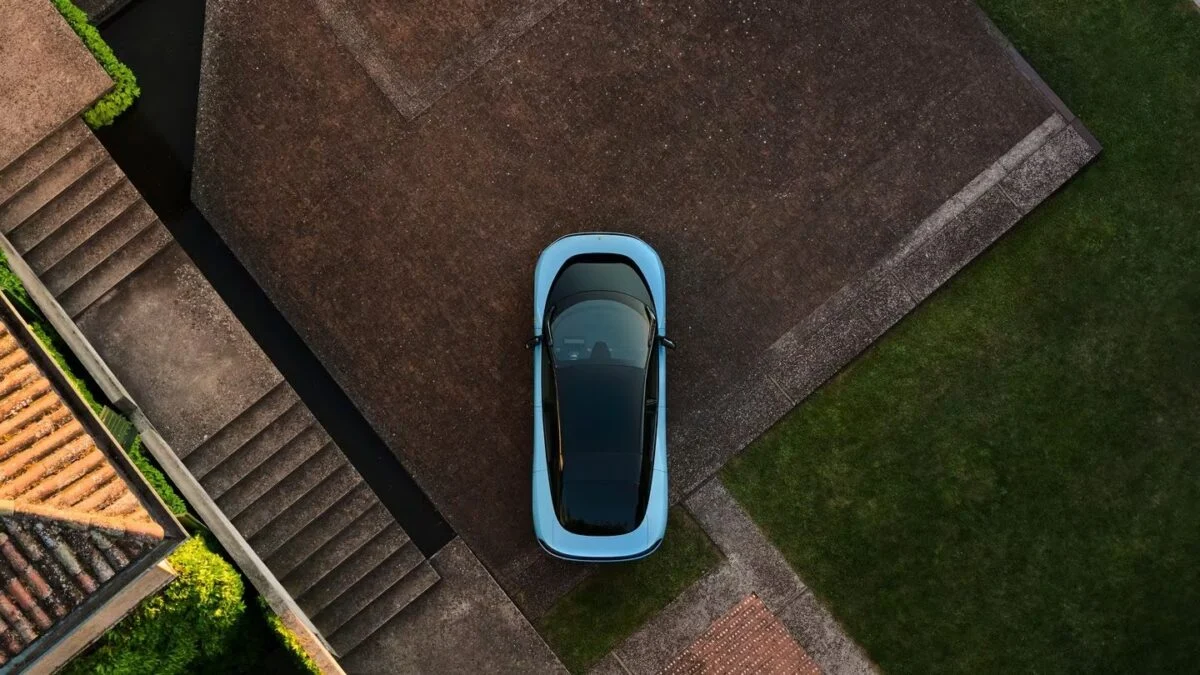
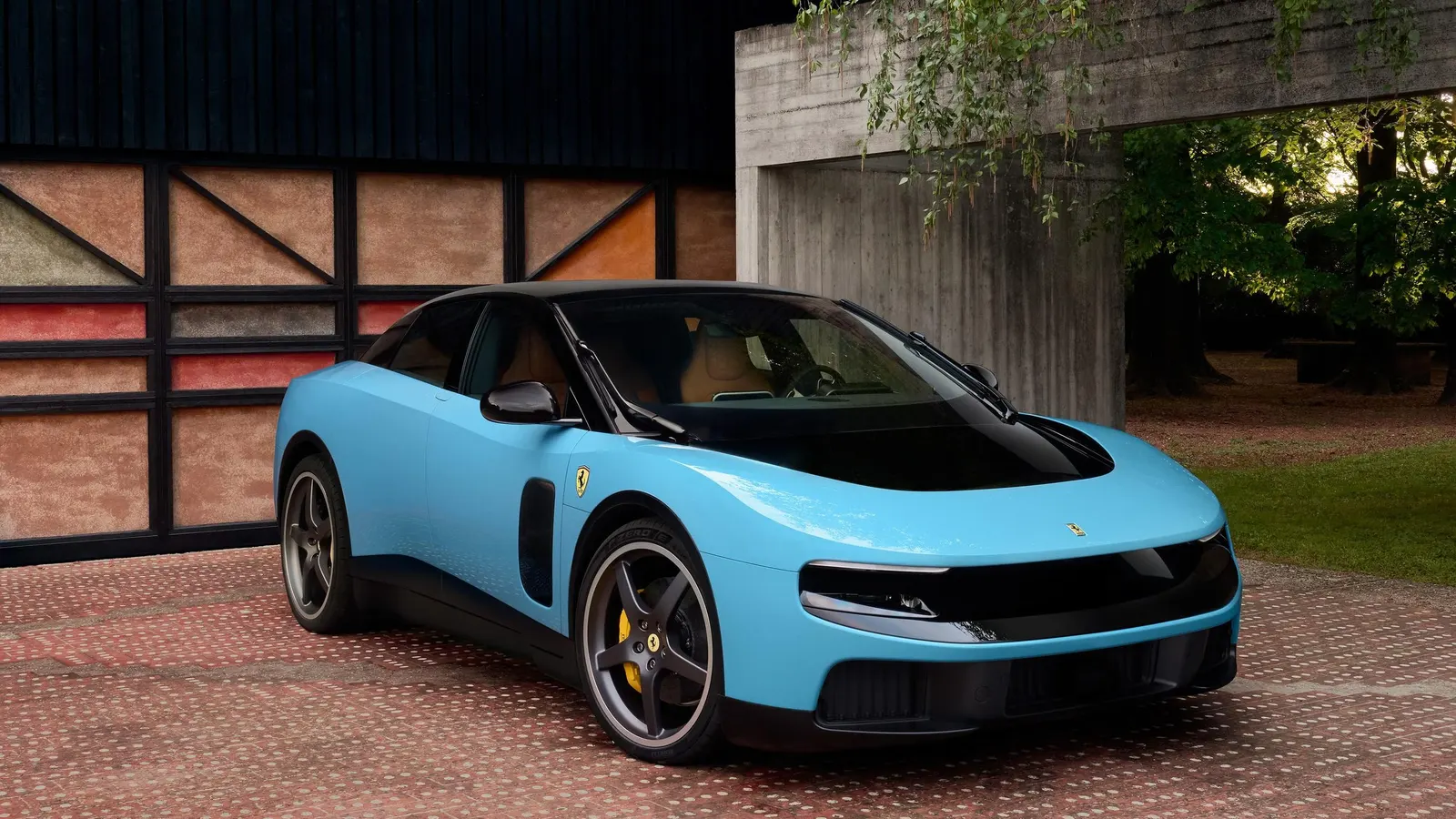
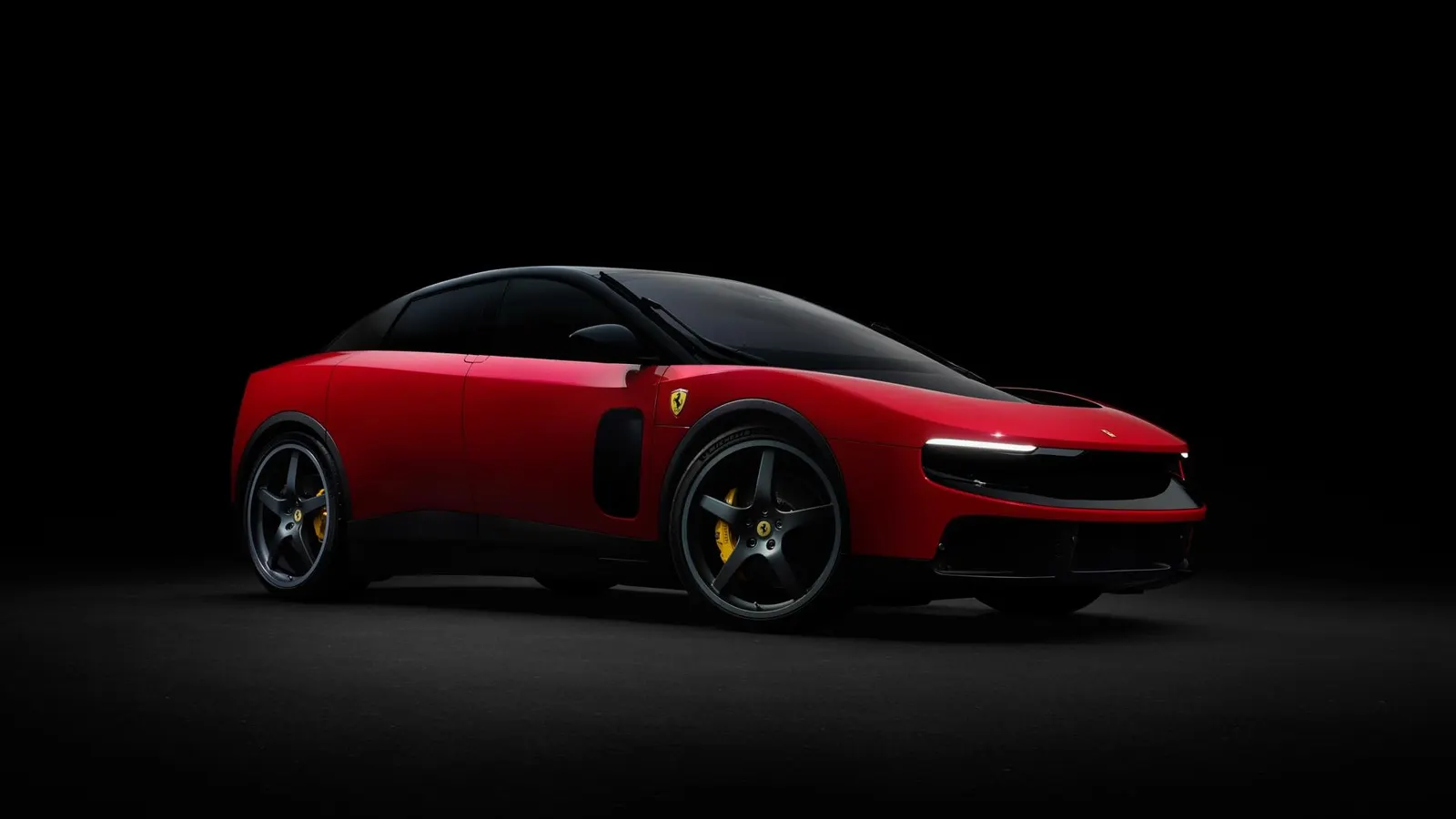
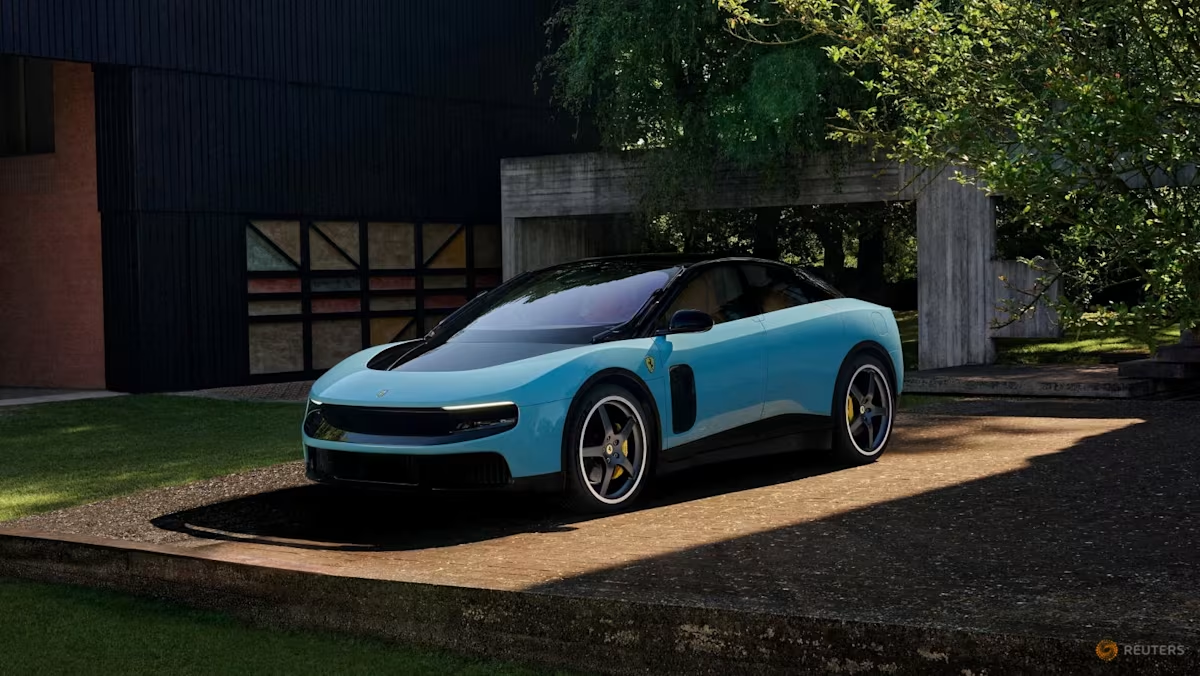
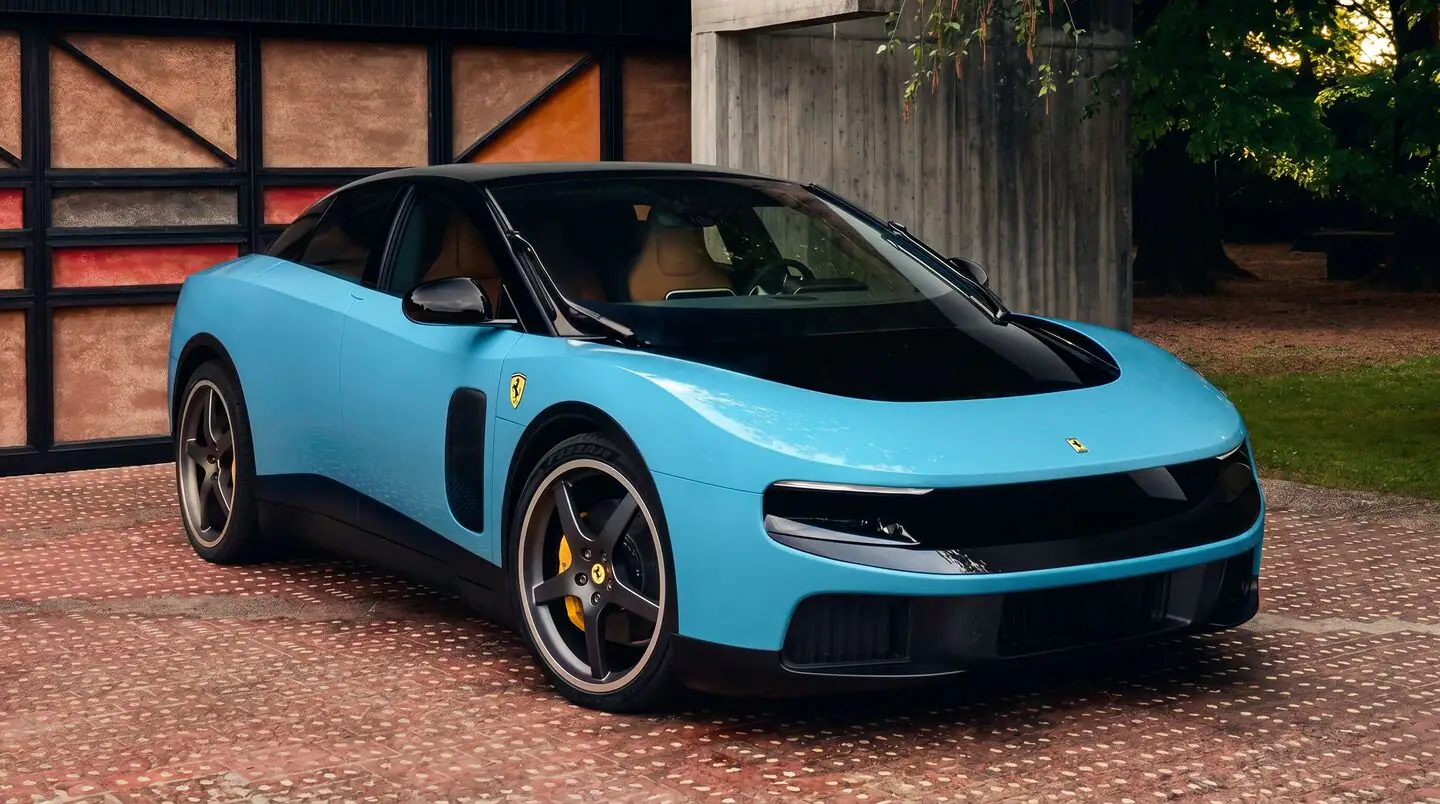
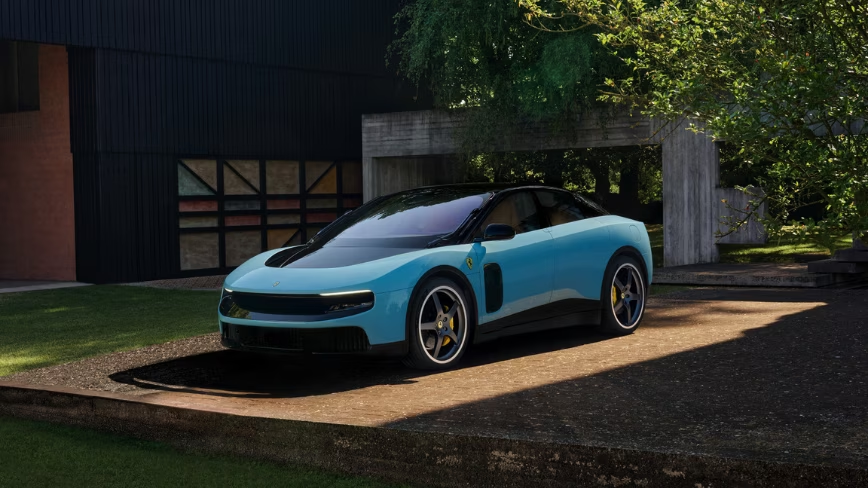
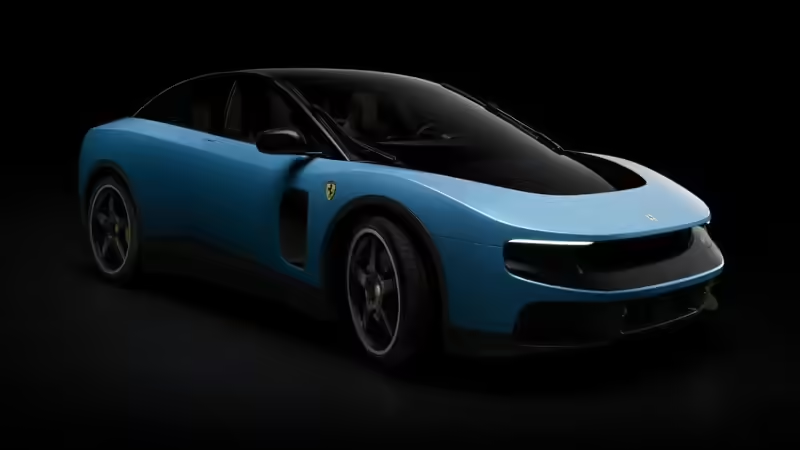
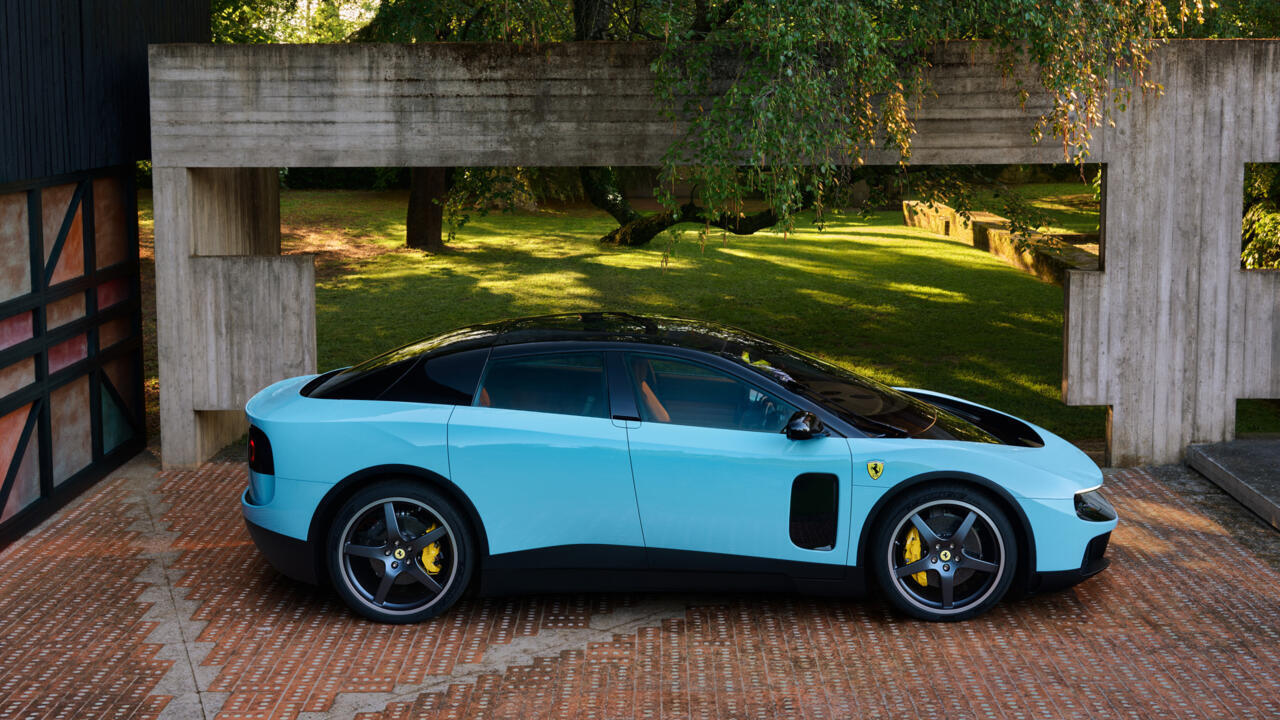
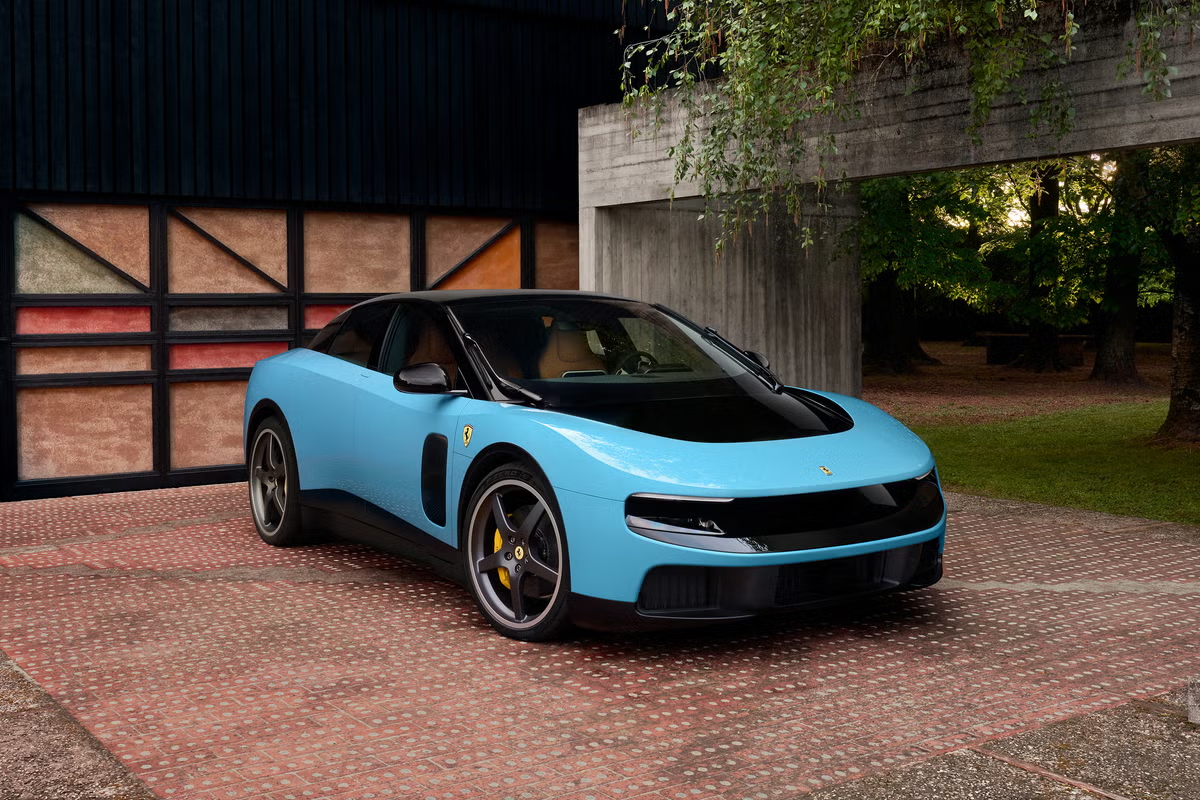
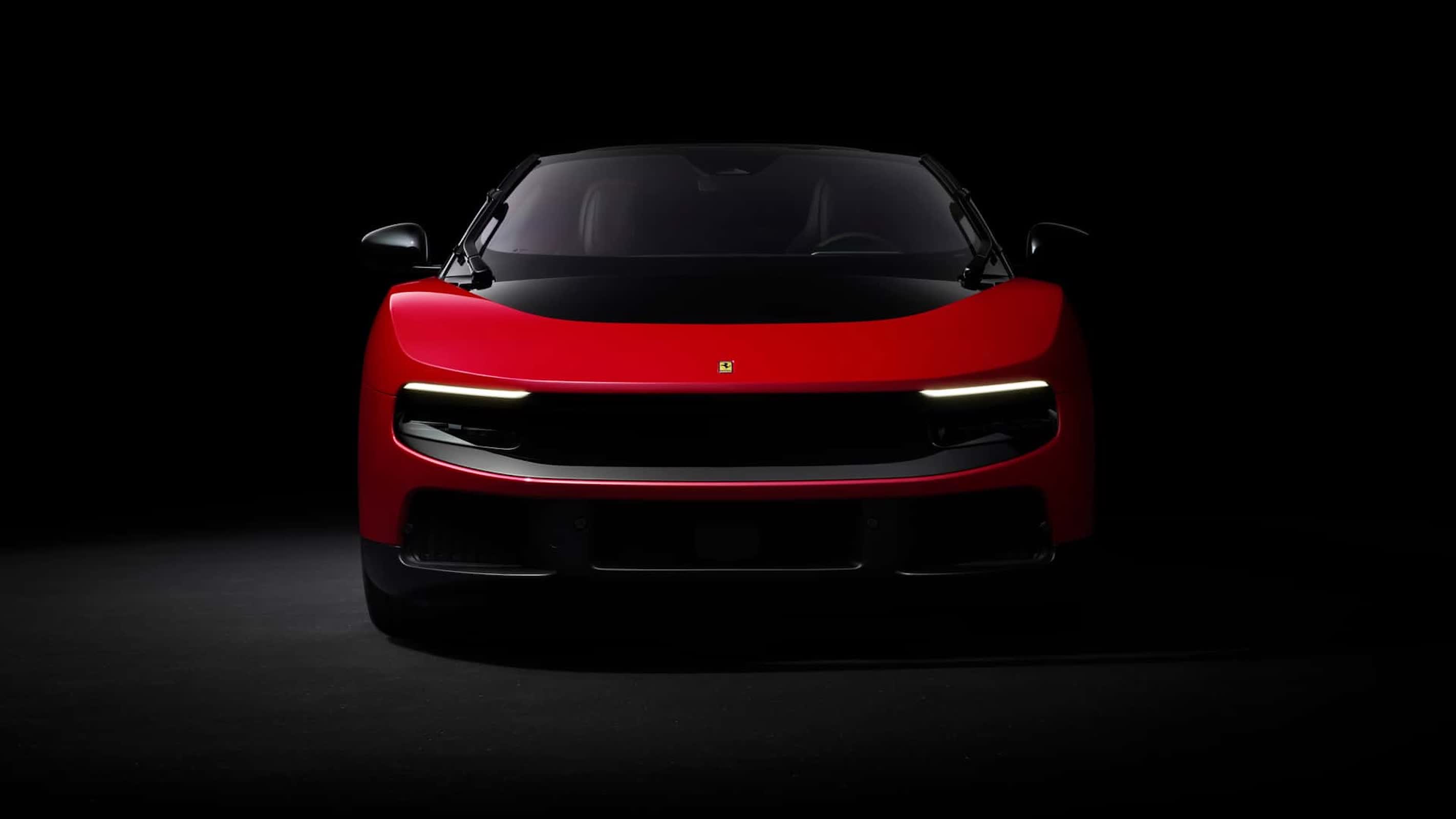
Ferrari makes some of the fastest cars on the planet, so it’s anyone’s guess how the Italian automaker ended up being so incredibly late to the EV party. Long after most automakers have drastically scaled back their EV ambitions, cancelled battery-powered models, or curtailed factory plans, Ferrari emerges from the shadows with a real weird one: the all-electric Luce.Ferrari unveiled the Luce Monday at the Vela di Calatrava, a massive architectural sporting complex located on the outskirts of Rome. In many ways it’s the most anticipated and also the most over-hyped EV to come out since battery-powered models first arrived on the scene. An electric Ferrari! This is a huge deal!But the Luce looks almost nothing like a Ferrari. In fact, it looks more like something Apple would make. Which makes sense because the Luce was designed with help from LoveFrom, the design firm helmed by famed Apple designer Jony Ive and his partner Marc Newson.This is basically as close as we’ll get to an Apple car.1/6Remember when Apple was going to make its own self-driving car? But instead the project lingered in development hell for years until Tim Cook eventually pulled the plug? Apple may have decided designing its own car wasn’t worth the effort, but Apple’s former lead designer clearly seems to have never fully abandoned the idea. By farming out the design to LoveFrom, Ferrari has essentially, and perhaps unwittingly resurrected the dream of an Apple car. The Luce could have easily have emerged from the design halls of Cupertino.The exterior is certainly smooth and rounded like an Ive-designed Apple product. The Autopian said it was akin to a Magic Mouse, and honestly, where’s the lie? (Fortunately, the charge port is not located on the underside of the Ferrari.) Ferrari fans are, understandably, apoplectic about the Luce. But to be a die-hard fan of any automotive brand is to always know disappointment. My feed is already cluttered with impassioned denunciations of the Luce.1/6Personally, I’m fascinated. Ive’s work at Apple focused on sleek minimalism, so it’s somewhat surprising to see a veritable tapestry of buttons, knobs, and switches throughout the Luce’s interior. Of course, the screens all have rounded corners reminiscent of the iPhone or iPad, so Ive’s influence is still front and center.The central display sits on a ball-and-socket joint, allowing it to rotate toward either the driver or passenger. It also includes a palm rest so you can interact with controls without looking. And the mechanical multigraph display with three independent motors functions as a clock, chronograph, compass, or launch control indicator.The rounded edges and metallic finish are all very Jony Ive, as is the extreme attention. Gone are the sharp lines and aggressive stylings that Ferrari has spent nearly 80 years building its reputation around. What we have instead is a sweeping “glass house,” large aerodynamic wings, and flush lighting to achieve the lowest drag coefficient in Ferrari history. If the fabled Italian super carmaker was going to toss out its legacy designs for a new model, this was the one to do it for.1/7Whether Ferrari will fully embrace the Luce’s Apple-ness by enabling the iPhone maker’s CarPlay Ultra remains to be seen. The Italian automaker hasn’t confirmed whether the more expansive version of CarPlay, which takes over more screens and controls core functions like HVAC and the speedometer, is coming to any of its models yet.Once you get past the polarizing looks, the Ferrari Luce has a lot to admire under the hood. The EV has four electric motors kicking out a combined 1,035 horsepower — but not in equal measure. The front two motors combined only generate 282 hp, while the rear motors put out 835 hp. That translates to a lively 0-60mph acceleration in 2.5 seconds, and a 0-124mph in 6.8 seconds. That’s not as quick as the Lucid Sapphire or even the recently unveiled Mercedes-AMG GT 4-door coupe, but honestly I doubt you’ll notice the difference when you’re blasting down the straightaway with tears streaming down your face.Delivering electrons to those motors is a 122kWh battery pack, although that’s gross rather than net capacity. Ferrari claims 330 miles on the WLTP cycle, this tends to be more optimistic than the EPA-rated range. Expect a final figure somewhere around 310 miles. The Luce is also built on an 800-volt architecture for fast DC charging, with the ability to max out at 350kW.The Luce represents a lot of firsts for Ferrari. It’s the first EV, the first four-door sedan, and the heaviest Ferrari ever made, with a curb weight of 4,982 pounds — about 100 pounds more than the four-door Ferrari Purosangue SUV. Pretty ironic for a model who’s name translates to “light.”1/6The Luce may be heavier than the Purosangue, but the wheelbase is slightly shorter by about 2.3 inches. That helps accommodate the battery integrated directly into the chassis floor. Which brings me to a broader point that likely explains why the Luce looks the way it does. Designing an EV is fundamentally different than designing a sports car. If Ferrari had taken one of its two-door mid-engine supercars, or front-engine GTs, and swapped in a battery and some electric motors, the specs would have been a huge bummer. The range would have been pitiful. The aero would have been misaligned. The fans would likely praise the traditional, familiar form, but it would have been pretty useless as an EV.Instead, Ferrari did what it had to do to make the Luce the best, most impressive EV it possible could. Handing over the design keys to Ive and Newson was definitely a choice that Ferrari fans will wrestle for the immediate future.Ive may have never designed a car before, but Newson certainly has. In fact, the Luce looks incredible similar to the Ford 021C, a retro futuristic concept car that was first unveiled at the 1999 Tokyo Motor Show. Newson, who worked at Apple alongside Ive, designed the 021C to look like the basic car a child would draw in a simple “three-box” shape with rounded edges, vibrant paint, and a floating white roof. Like the Luce, the 021C featured front-hinged coach doors, as well as a trunk that slid out like a drawer instead of opening upward. Perhaps the Luce is more Newson’s brain child than Ive’s.Still, the idea of an electric Ferrari been in the ether for over eight years. Legendary former Ferrari chairman and CEO Sergio Marchionne first teased the possibility at the 2018 Detroit Auto Show, saying, “If there is an electric supercar to be built, then Ferrari will be the first.”Well, Ferrari certainly wasn’t the first. But it did reveal something that is truly unique in its lineup. Whether that’s a good thing or a bad thing will be determined by the elite few who are able to afford the Luce’s starting price of $640,000 (€550,000). The automaker’s board, which happens to include Apple executive Eddy Cue as a non-executive member, is likely happy with it.As for the idea of an Apple-built car, the Luce is probably the closest we’ll ever get. The real Apple car, the one that was cancelled, remains a nebulous, mysterious object, never really took shape beyond the rough, embarrassed imaginings of the company’s most devoted fan base. And while it seems to have been a mostly wasted effort, the spirit certainly lives on — in Rome of all places.Follow topics and authors from this story to see more like this in your personalized homepage feed and to receive email updates.Andrew J. Hawkins
Confronto fonti
6 prospettive sulla stessa storiaTimeline cronologica
- ·
businessday.co.za
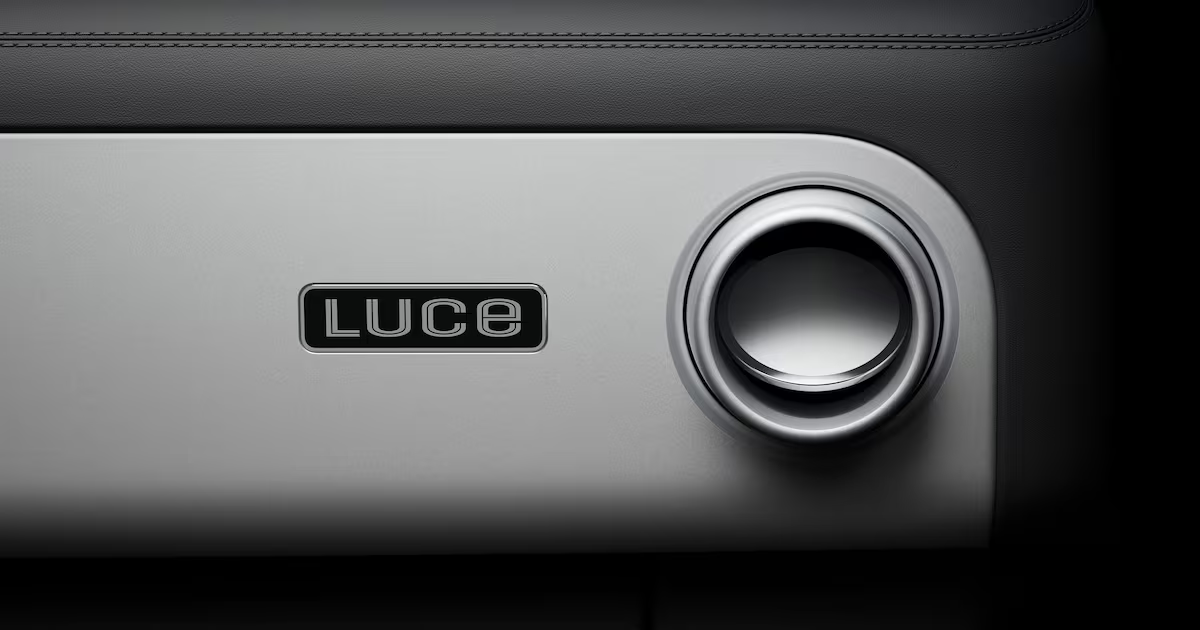
Ferrari Luce leads brand into uncertain electric era
As its sports car rivals tap the brakes on a shift to EVs, Ferrari will take a leap into an uncertain era on Monday with the launch of its first fully-electric car, betting it can…
- ·
newsbytesapp.com
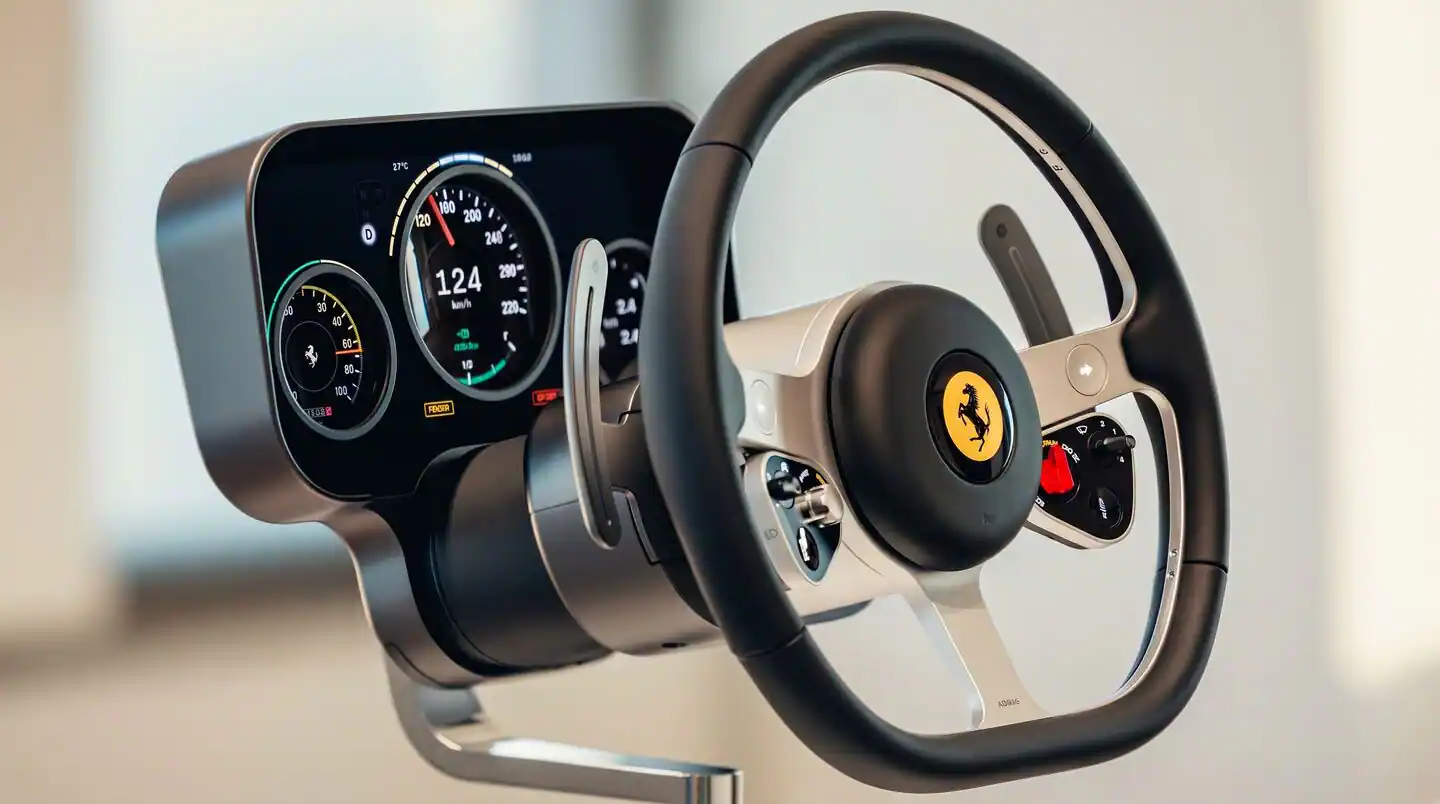
Ferrari's first EV debuts today with Jony Ive-designed interior
Ferrari is set to unveil its first-ever electric vehicle, the Luce, today in Rome, marking a historic moment for the iconic automaker.