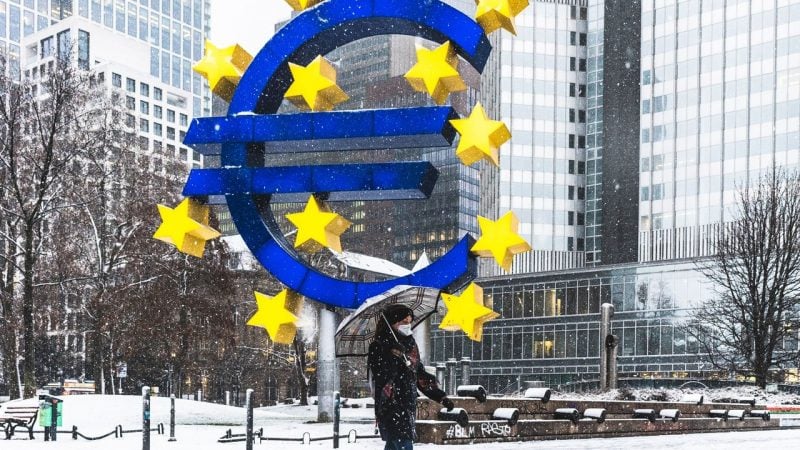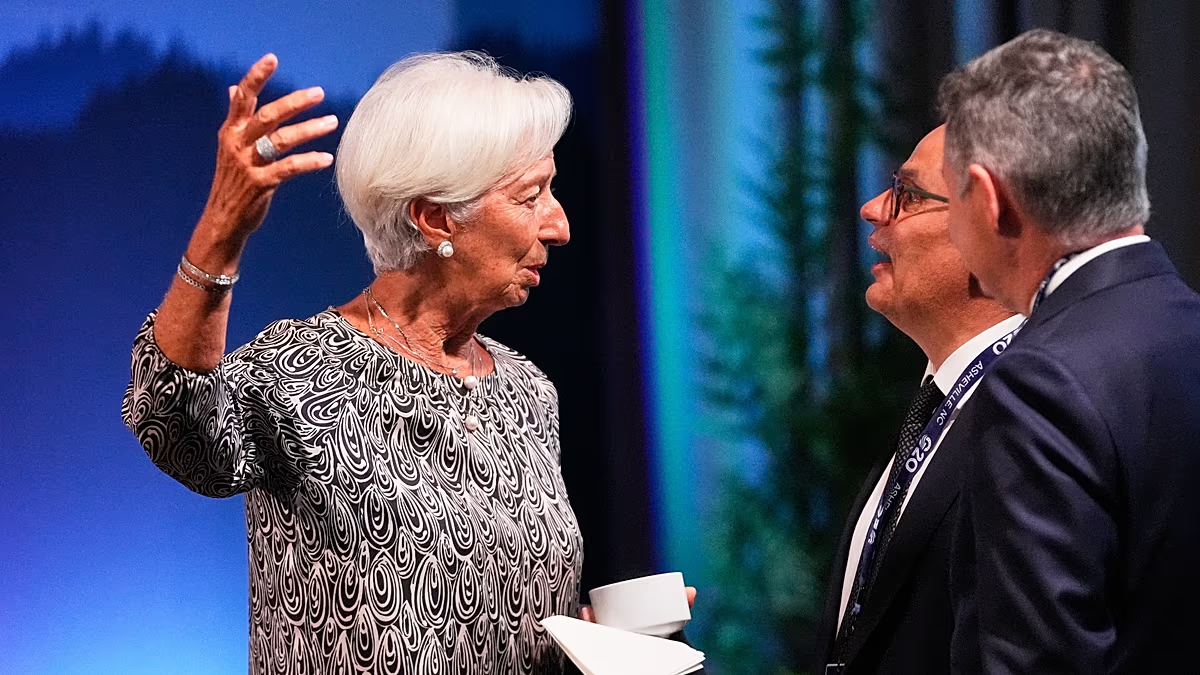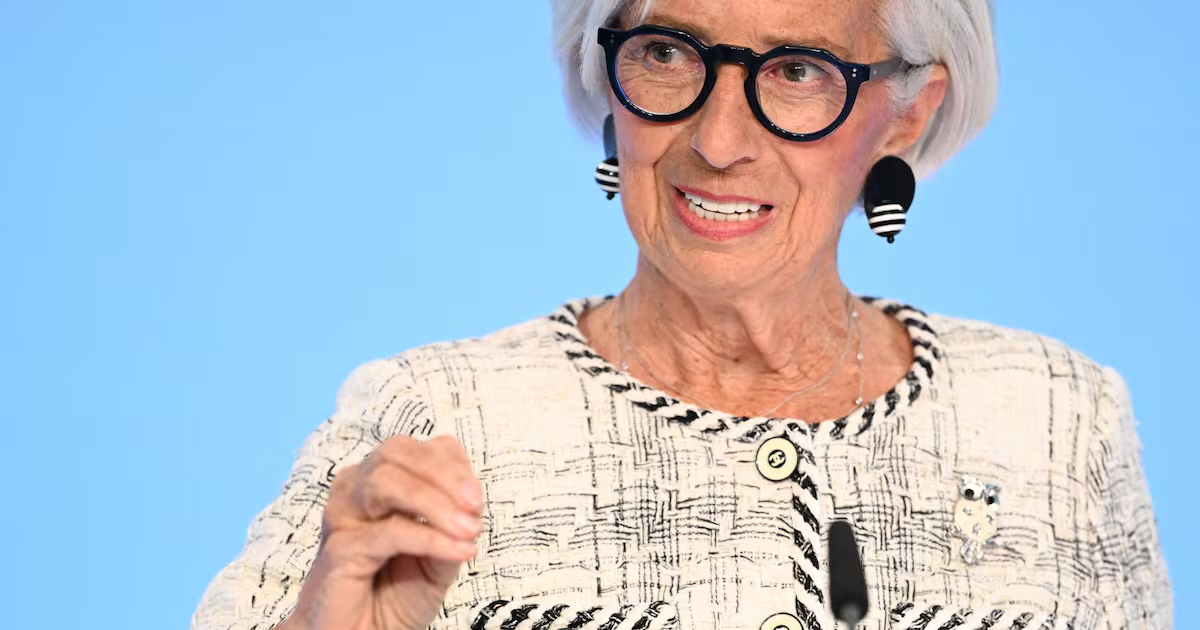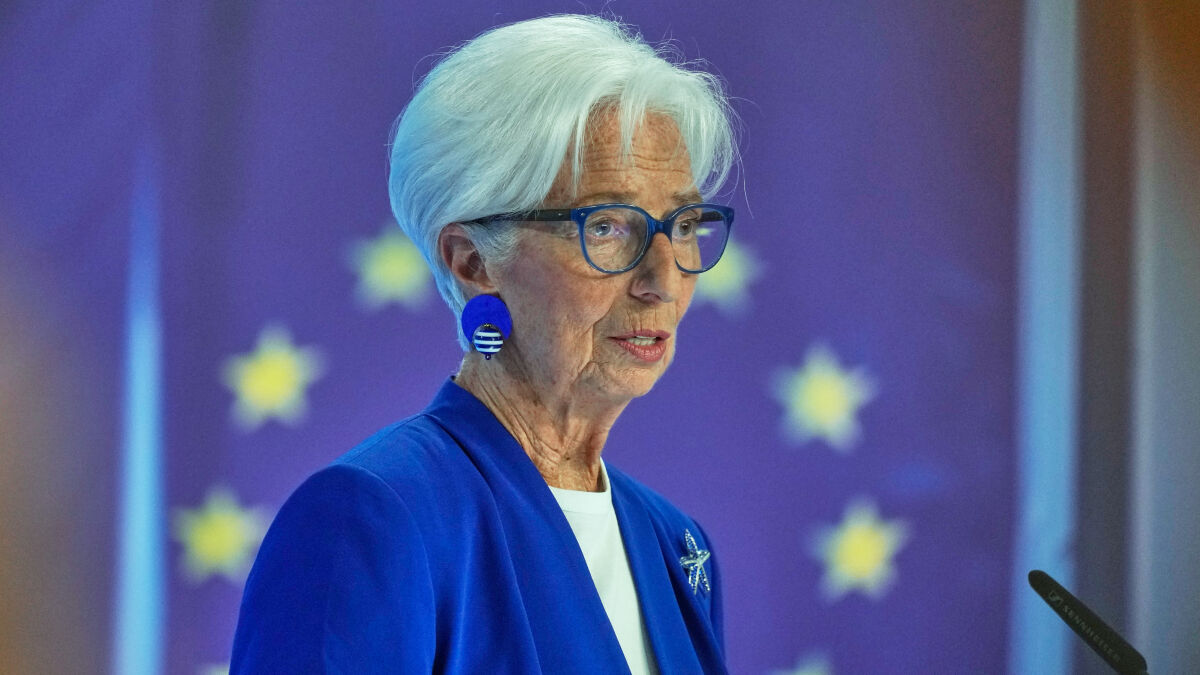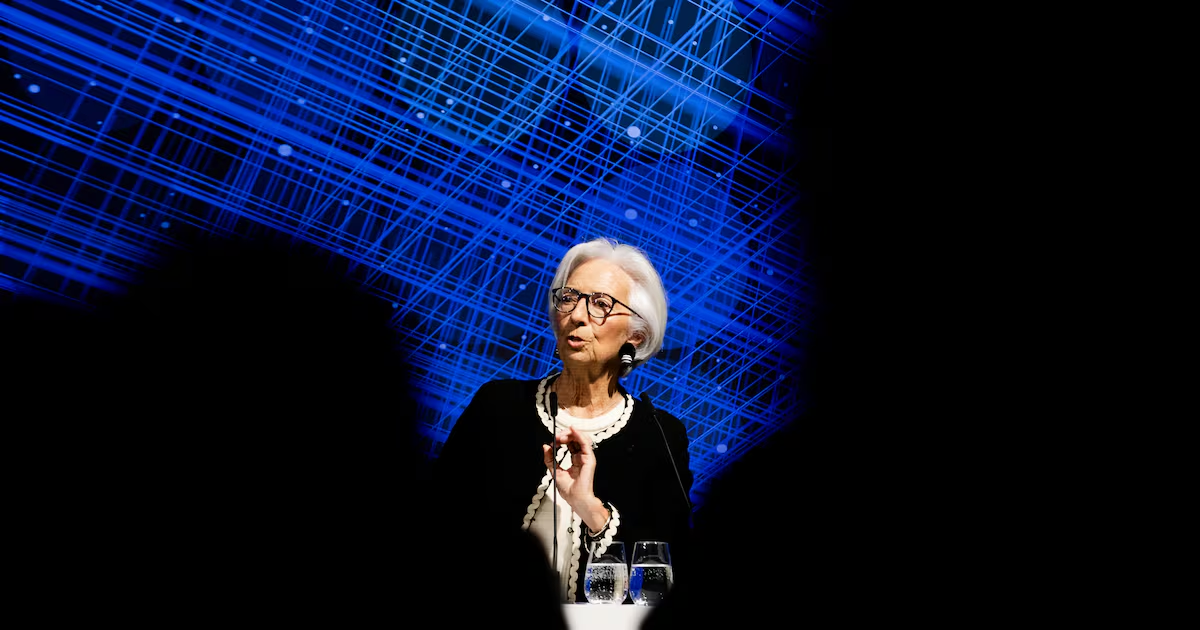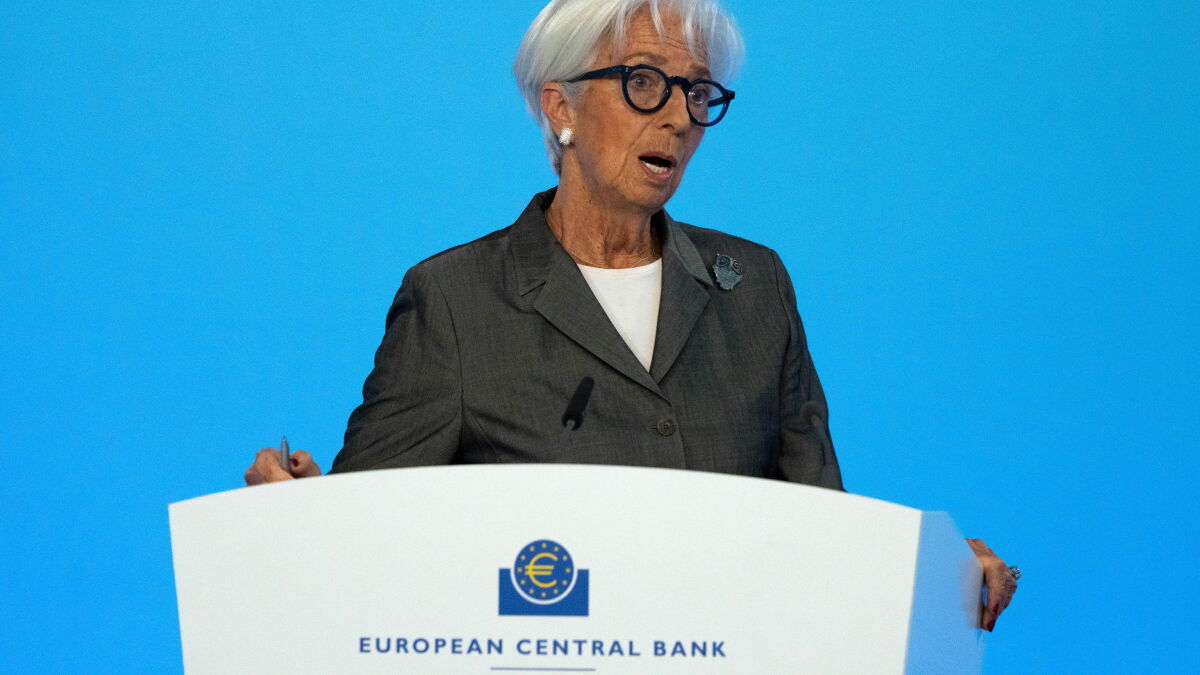
The Governing Council of the European Central Bank (ECB) has decided to raise the three key interest rates by 25 basis points: the deposit rate rises to 2.50 per cent, the main refinancing rate to 2.65 per cent and the marginal lending rate to 2.90 per cent. The markets had taken this as a foregone conclusion. This marks the second rate hike of 2026 following the one at the June meeting (the first since September 2023), and comes after the pause in July, which was decided when the truce in the Gulf appeared set to ease the pressure on energy prices. But since that truce fell through, the picture has changed.The decision was influenced primarily by the August figures: according to preliminary estimates from Eurostat, inflation in the eurozone rose to 3.3 per cent from 2.9 per cent in July, the highest level since September 2023. This was driven mainly by the energy component, which rose by 14.3 per cent year-on-year (up from 10.3 per cent in July). Furthermore, Brent crude has now returned to around $100 a barrel as attacks in the Middle East have intensified due to renewed armed clashes in the Strait of Hormuz, with analysts now certain that the conflict is unlikely to end by the end of the year. The rest of the inflation index, however, remains moderate: excluding energy, inflation is estimated to have risen by 2.2 per cent, the same rate as in July, whilst the services sector has fallen from 3.3 per cent to 3.0 per cent. “The outlook remains highly uncertain, with risks tilted to the upside for inflation and to the downside for economic growth. But the decision to raise interest rates was taken unanimously: we will publish three scenarios for our economy, and this decision is appropriate for all three,” said ECB President Christine Lagarde during the press conference following today’s meeting in Berlin, rather than in Frankfurt. “The conflict in the Middle East and the war in Ukraine continue to put pressure on inflation, which is expected to remain well above target for a prolonged period. The baseline scenario in the ECB staff’s latest projections sees headline inflation averaging 3 per cent in 2026 and 2.5 per cent in 2027.” Then, referring to gas – which today reached nearly 80 euros per MWh on the TTF – the President clarified that prices could rise more than expected “in the event of further supply disruptions” in the Strait of Hormuz. Despite this, “the economy (of the Eurozone, ed.) proved resilient in the second quarter of 2026, despite the headwinds. “The labour market,” Lagarde continued, “has remained robust, whilst productivity has gradually increased. Inflation, too – particularly on food – is lower than we expected. But it will be more persistent than we thought. All this could perhaps lead to growth in the Eurozone of even more than 0.9 per cent.”The President of the German Central Bank, Joachim Nagel, also spoke at the conference, commenting on the AfD’s rise on Sunday in Saxony-Anhalt: “I am concerned. What does this say about our country? About our society, about the values we share? And many of their ideas are economically self-defeating. Do they help to attract foreign investment to Germany? Certainly not. They will drive it away.” Finally, responding to journalists’ questions about rumours that the president might be stepping down from her post in Frankfurt to take the helm of the World Economic Forum, Lagarde made it clear that for the time being “there is nothing to say yet. You (journalists, ed.) will be the first to know, obviously after my grandchildren”.
The ECB raises interest rates. This is the second increase in 2026.
The decision had been anticipated by the market. Lagarde at a press conference: “Inflation, particularly on food prices, is lower than we expected. But it will be more persistent than we thought: we expect an average of 3 per cent in 2026 and 2.5 per cent in 2027. Gas prices? They could be higher than market expectations.”
601 words~3 min read