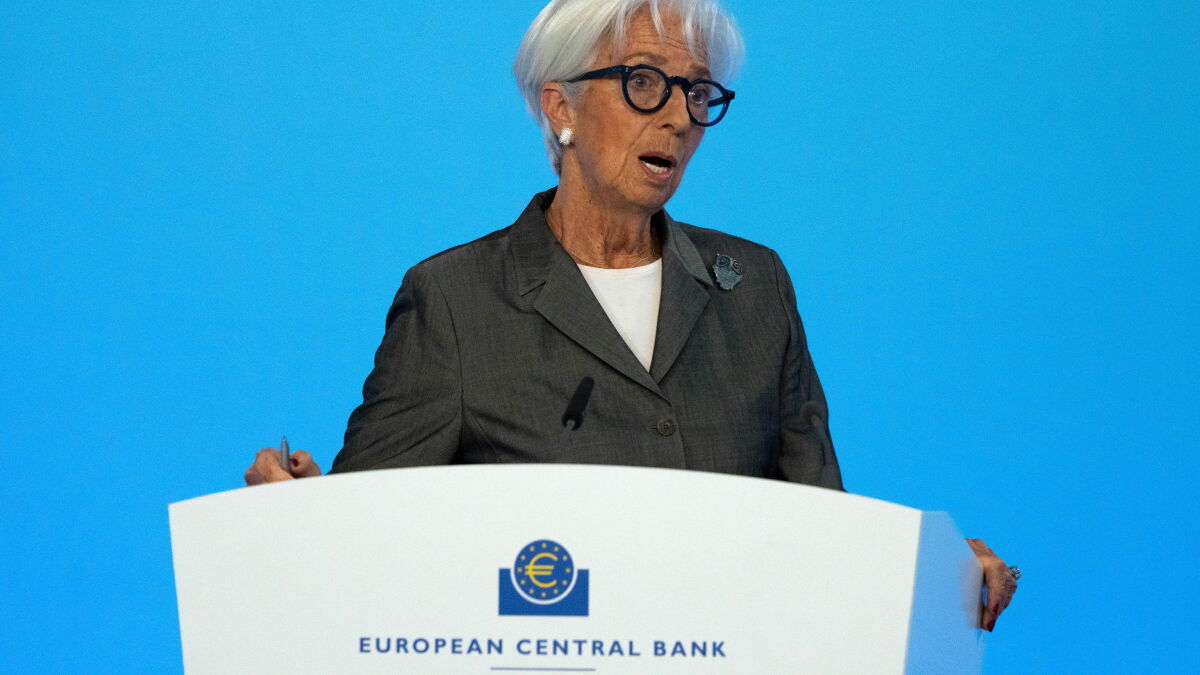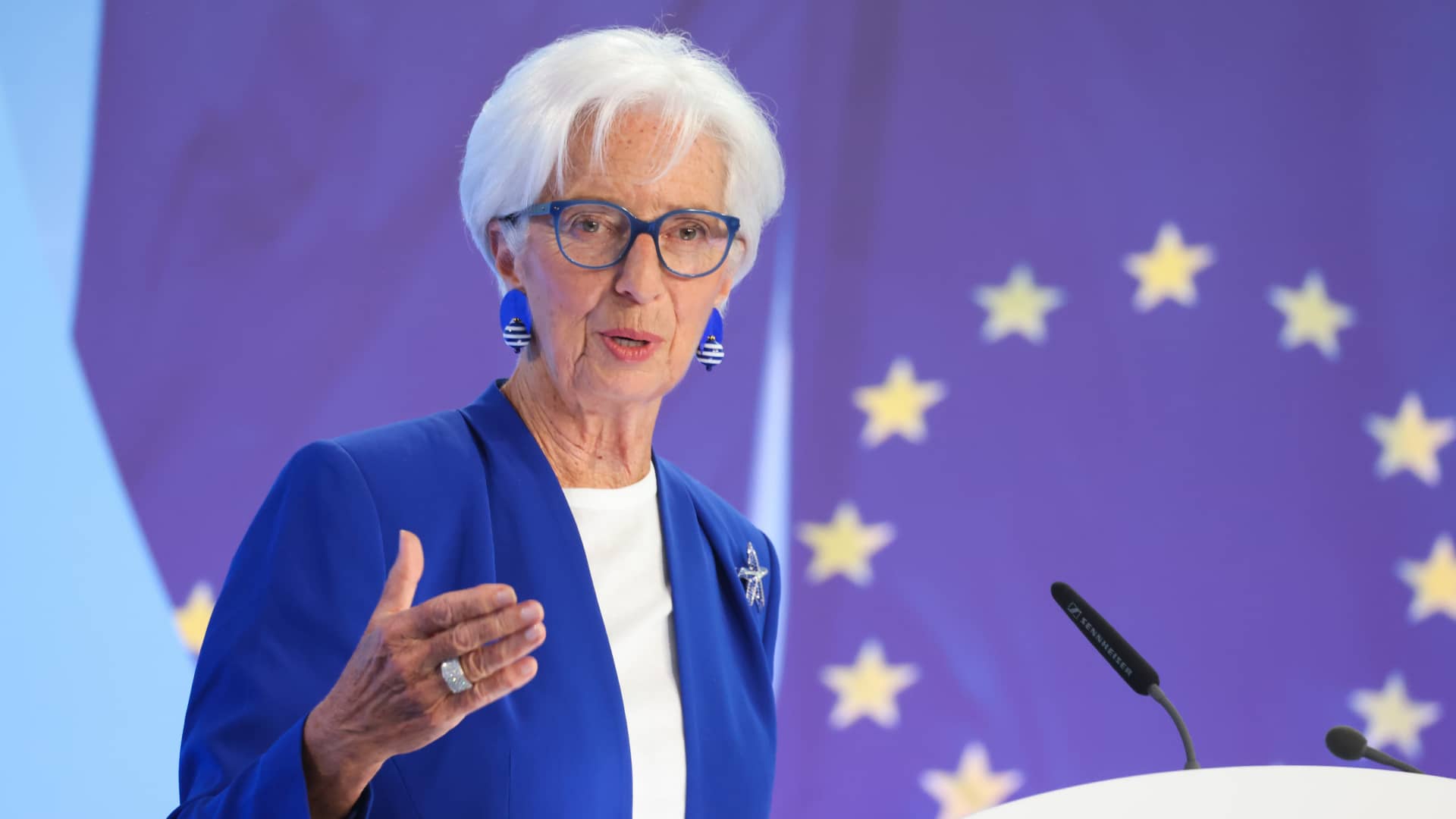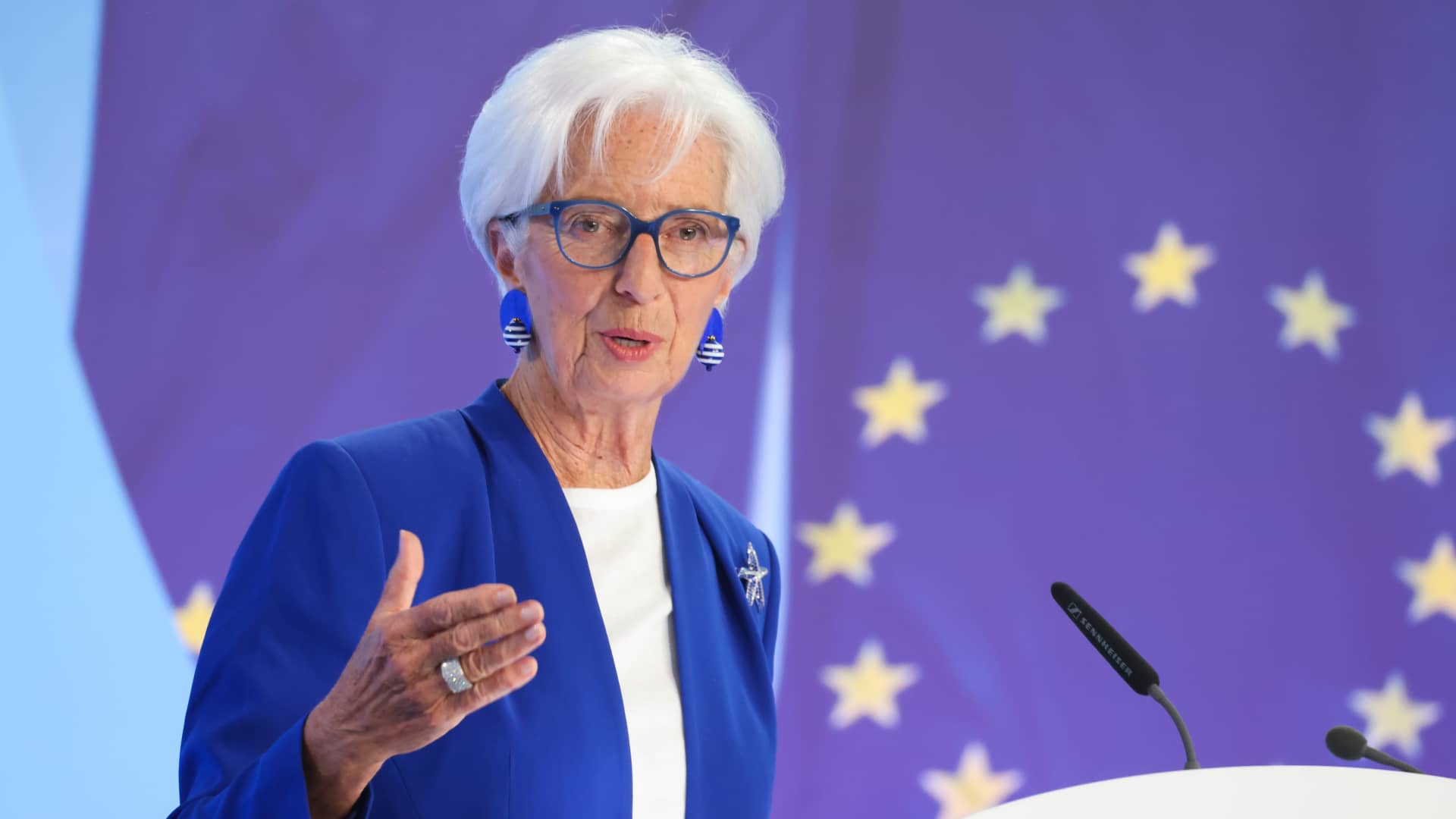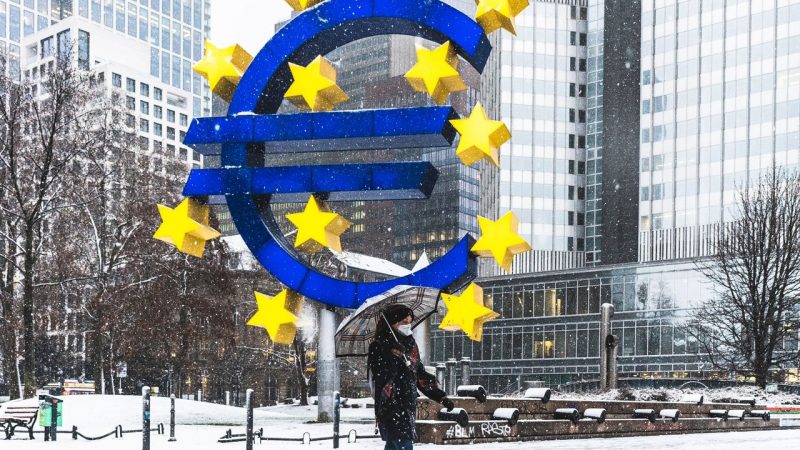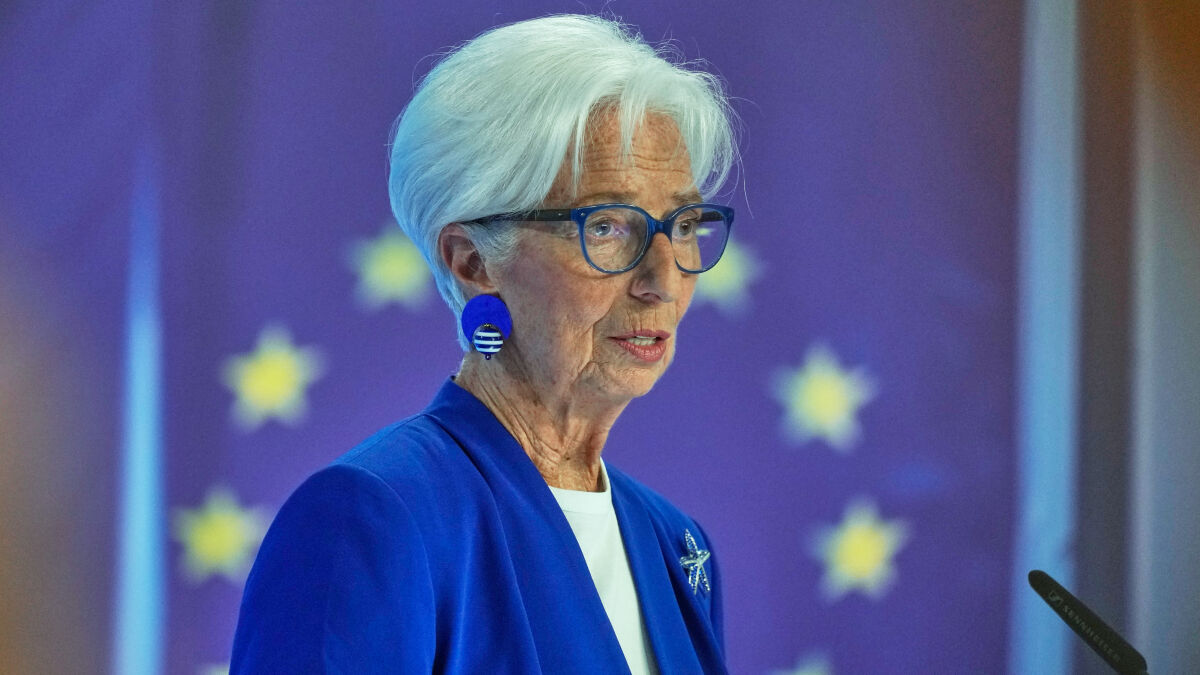
Today, the ECB is expected to raise interest rates by 0.25 basis points. Analysts are virtually unanimous in their forecast, and the decision is taken for granted by the financial markets. The cost of borrowing in the eurozone will therefore rise to 2.5 per cent, to combat inflation and rising energy prices. And what happens next? The European Central Bank, led by Christine Lagarde, remains reluctant to commit to a predefined path, and at today’s meeting too it is likely to avoid making any forecasts; however, there are plenty of clues to suggest just how far the tightening might go. According to a widely held view amongst analysts, the ECB will tend to recalibrate its interest rate policy until a solution is found for the Strait of Hormuz.Energy prices have, in fact, started to soar again: yesterday, oil surpassed $100 and gas rose above $78 as attacks across the Middle East intensified, fuelling fears of supply disruptions. This escalation in tensions could weigh on the board meeting in Frankfurt. Indeed, according to economist Lorenzo Codogno in his latest newsletter, the ECB is becoming increasingly convinced that the current geopolitical shock is set to persist and push inflation upwards. For Codogno, this is not just about rising energy prices, but also about geopolitical fragmentation, trade wars, the summer drought and the impending El Niño phenomenon. In short, economic agents have become increasingly sensitive to inflation, and the pass-through could occur more rapidly than in the past. Furthermore, the economy is proving resilient and, whilst the August inflation figures do not show any alarming signs, inflation could accelerate in the autumn. In short, contrary to those who believe that the ECB will take a break following today’s rate rise, Codogno believes the Eurotower will proceed with further rate rises in October and December.
The ECB’s rate rise is here to stay
The anticipation surrounding today’s decision and the structural rationale behind a turning point
301 words~1 min read