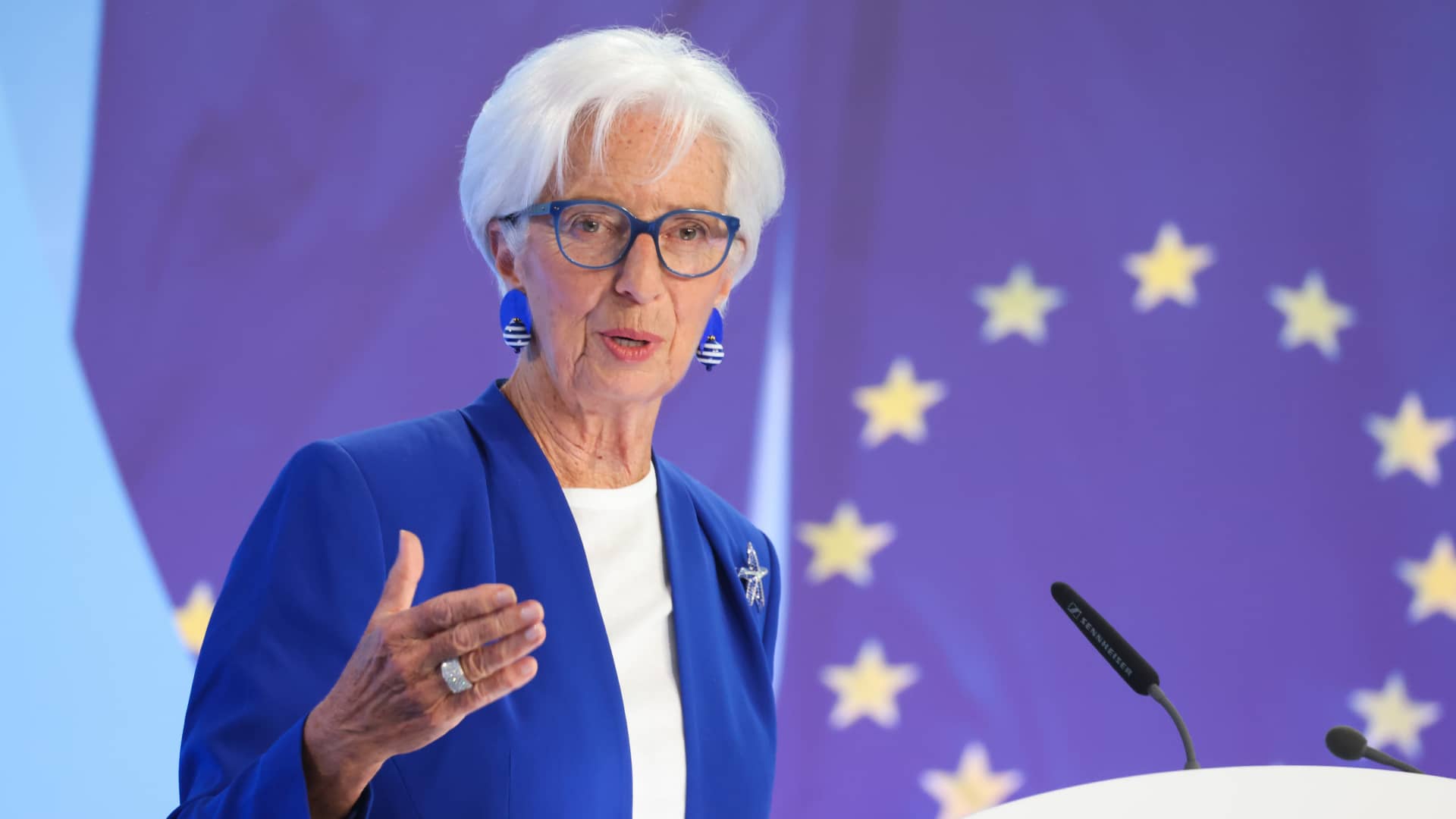
The European Central Bank just did something most market watchers didn’t expect: it raised interest rates. After months of easing, the ECB hiked its key rates by 25 basis points on June 11, pushing the deposit facility rate to 2.25%. And ECB President Christine Lagarde wants everyone to know this wasn’t some nervous, hedge-your-bets move.
It was, in her words, a data-driven decision. Not an “insurance hike.” The distinction matters, because it signals the ECB sees a real inflation problem brewing, not just a theoretical one.
What drove the reversal
The culprit is an external supply shock tied to the ongoing conflict in the Middle East. Specifically, an energy shock stemming from Iran’s actions has sent headline and core inflation climbing across the euro area.
Lagarde laid out the case at the ECB Forum on Central Banking in Sintra, Portugal, and later reinforced it in an interview with French newspaper Les Echos. The core argument: ECB staff projections showed that without this rate increase, inflation would remain stubbornly above the 2% target well into 2028. With the hike, the models show a return to target by the fourth quarter of 2027.