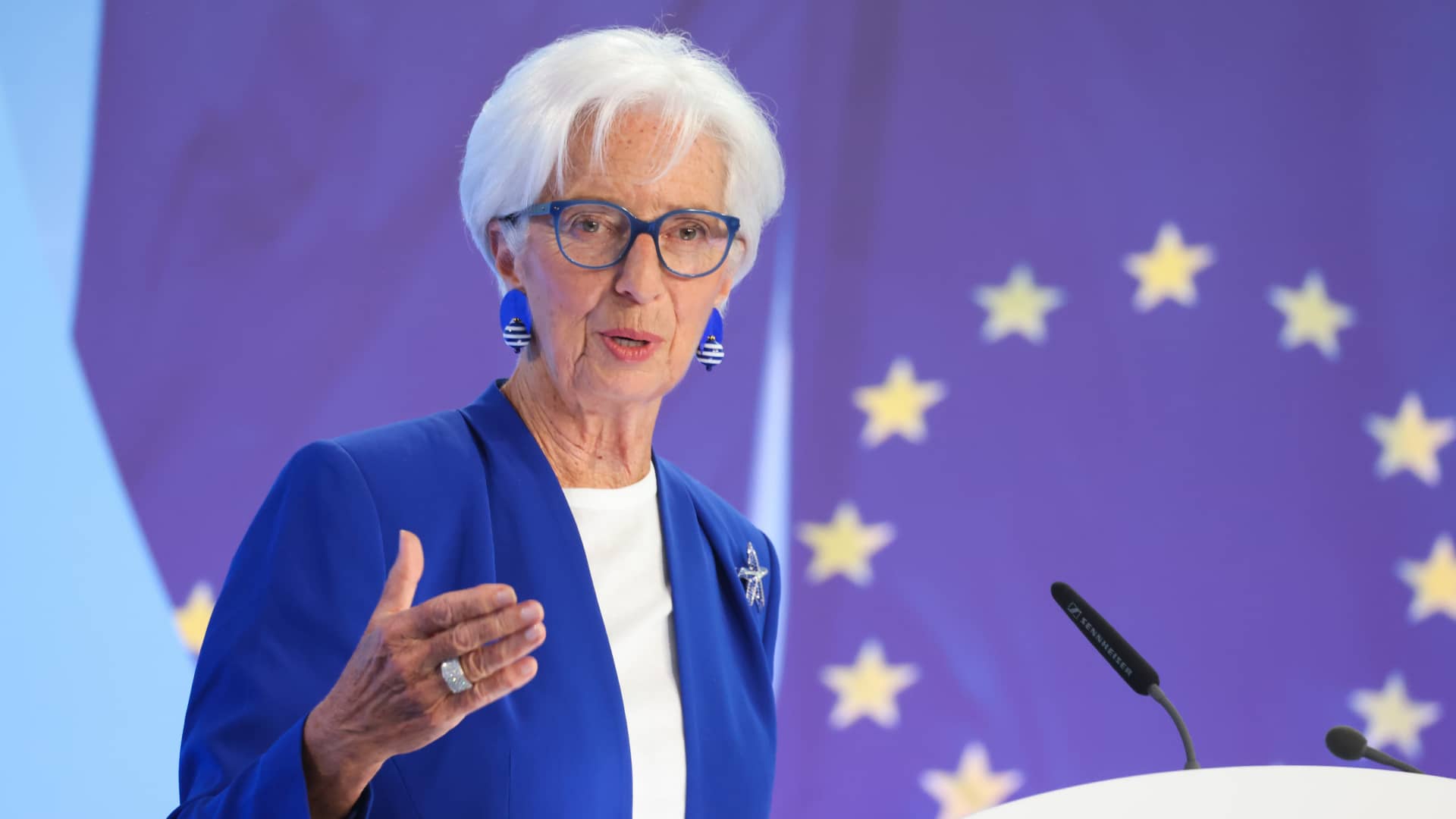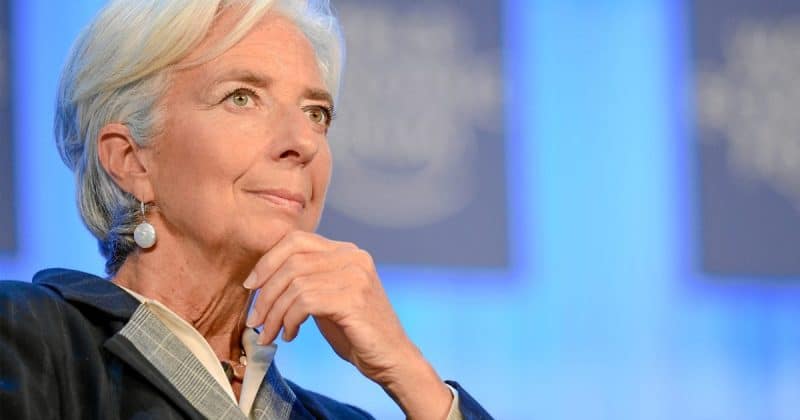
The European Central Bank just did something it hasn’t done in nearly three years: raise interest rates. ECB President Christine Lagarde announced a 25 basis point hike to 2.25% during the June 11 press conference, the first increase since September 2023, while painting a picture of an economy stuck between stubborn inflation and cooling growth.
Here’s the thing. The euro area labor market looks solid on paper, with unemployment sitting at 6.3% as of April 2026, near historical lows. But the mood music is changing. Lagarde noted that both firms and households now expect weaker labor markets ahead, a forward-looking signal that tends to matter more than backward-looking employment data.
Growth projections tell a cautious story
The ECB’s revised GDP forecasts aren’t exactly inspiring confidence. The central bank now projects 0.8% growth for 2026, ticking up to 1.2% in 2027 and 1.5% in 2028. Headline inflation in the Eurozone is projected at 3.0% for 2026, still meaningfully above the ECB’s 2% target and clearly the driving force behind the decision to tighten.
Wage growth, which Lagarde flagged as a key variable the ECB is monitoring, is expected to ease going forward. Geopolitical pressures on energy prices and weakening consumer confidence add uncertainty to the trajectory.