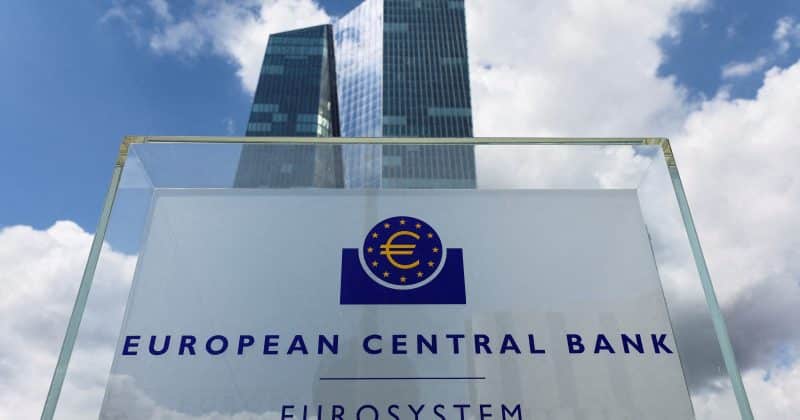
The European Central Bank raised its key interest rates by 25 basis points on September 10, moving the main refinancing rate to 2.65% and the deposit facility rate to 2.50%. The decision, effective September 16, marks the ECB’s second hike of 2026 and signals that Frankfurt is not done fighting inflation just yet.
The trigger is familiar: energy costs, stoked by ongoing conflict in the Middle East, pushed euro area headline inflation to 3.3% in August. That is nearly two-thirds above the ECB’s 2% target.
What the ECB actually decided
The Governing Council lifted three benchmark rates simultaneously. The deposit facility, the rate banks earn on overnight cash parked at the ECB, moves to 2.50%. The main refinancing operations rate, which sets the cost of weekly borrowing for euro area banks, goes to 2.65%. The marginal lending facility, essentially the emergency overnight borrowing window, rises to 2.90%.
This follows a hike in June and a deliberate pause in July. The bank’s 2026 headline inflation forecast stays at 3.0%, but the projections for subsequent years have been revised upward. The ECB now sees inflation at 2.5% in 2027 and 2.1% in 2028, meaning price growth does not return to the 2% target until late in the decade under the bank’s own central scenario.