The European Central Bank is no longer treating the Middle East conflict as a background risk. It is now central to how the ECB sets interest rates, writes its growth forecasts, and talks to markets.
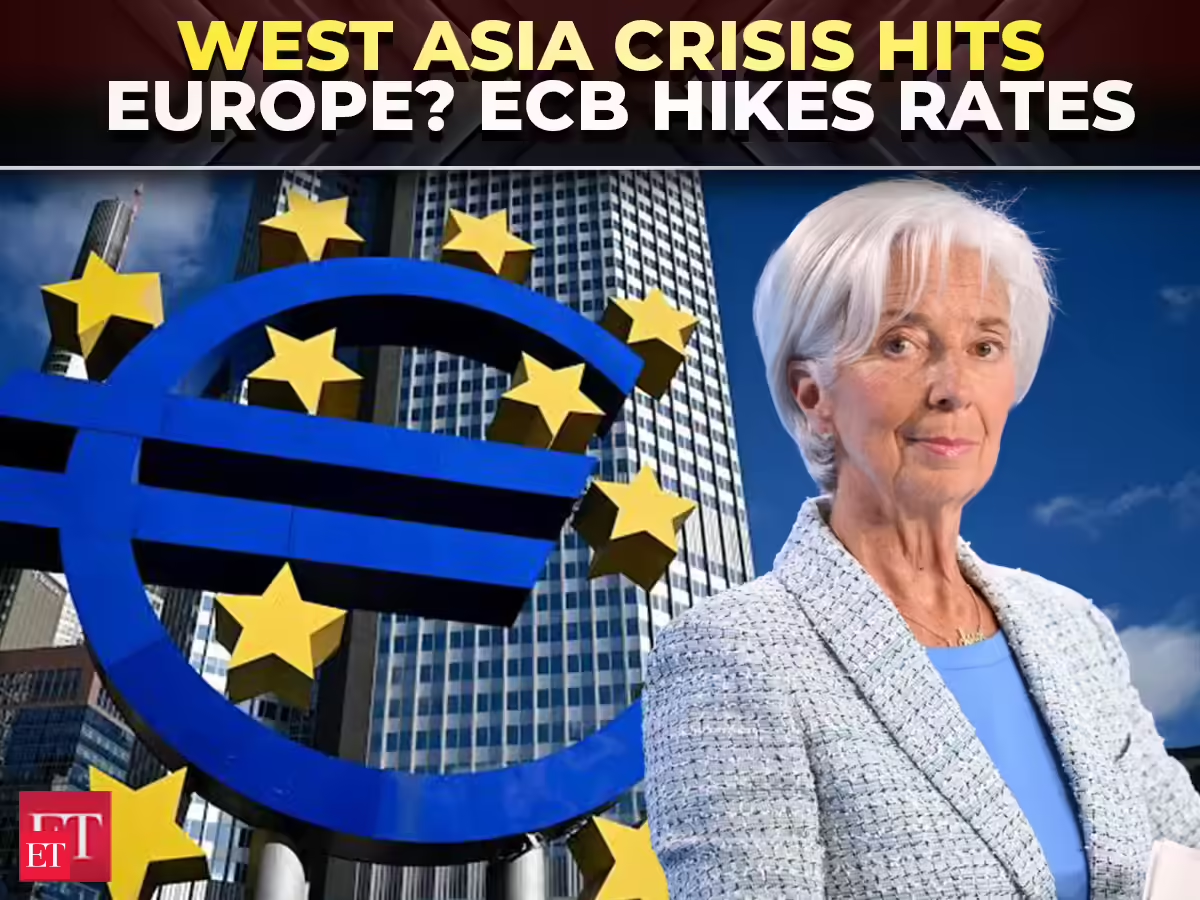
On June 11, 2026, ECB President Christine Lagarde announced a 25 basis point increase in the bank’s key policy rates, lifting them to 2.25%. That marks the first rate hike since 2023, a period when the ECB had been steadily cutting borrowing costs as inflation appeared to be cooling toward its 2% target.
The trigger is a conflict that escalated significantly when coordinated US and Israeli strikes on Iran began on February 28, 2026. The strikes disrupted energy supply chains, pushed crude prices higher, and sent a fresh wave of cost pressure through an already fragile euro area economy.
What the numbers actually say
The ECB’s June 2026 projections tell a straightforward story, and it is not a comfortable one. Euro area GDP growth has been revised down to 0.8% for 2026, a drop of 0.1 percentage points from the March estimate. The 2027 outlook sits at 1.2%, also trimmed from prior forecasts.