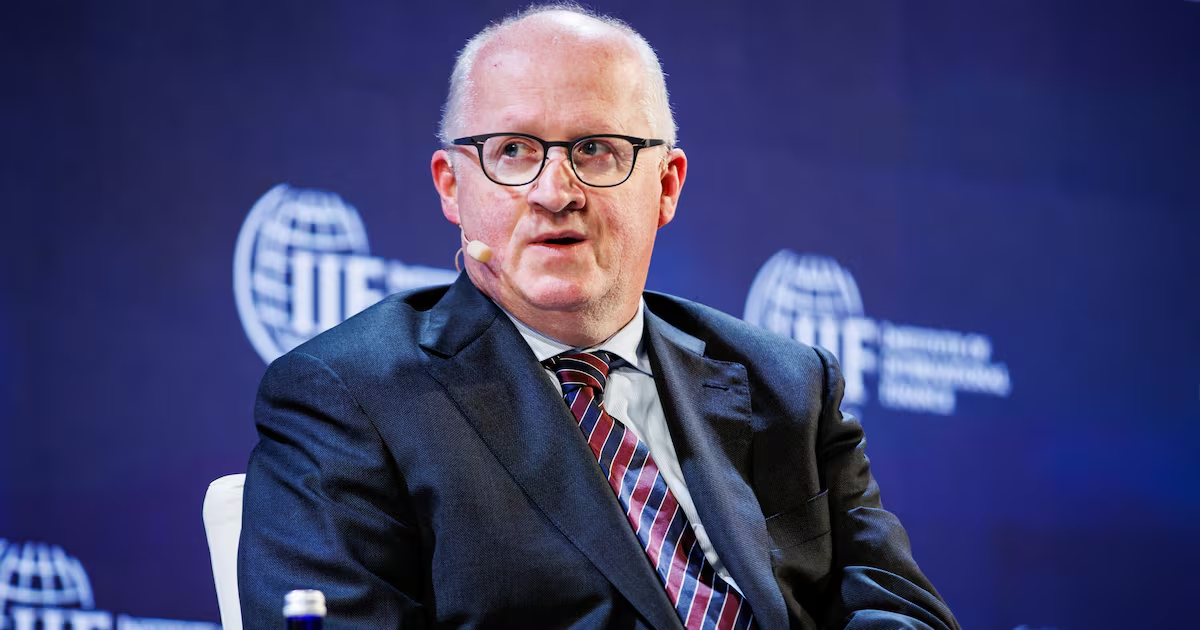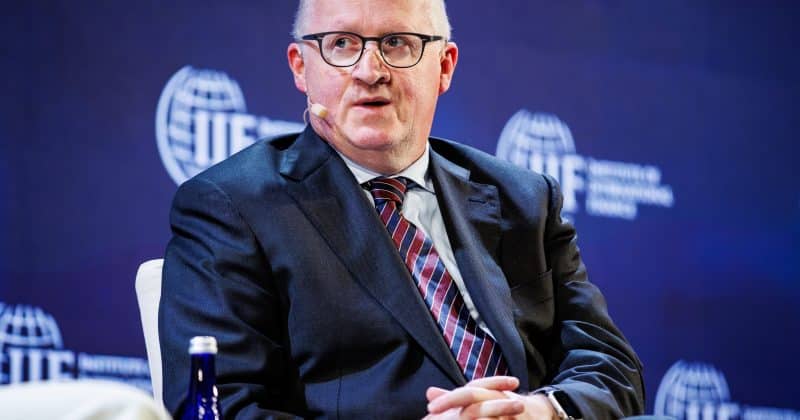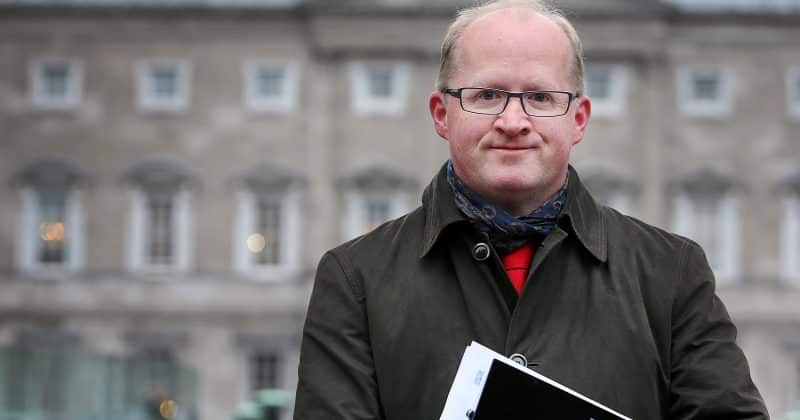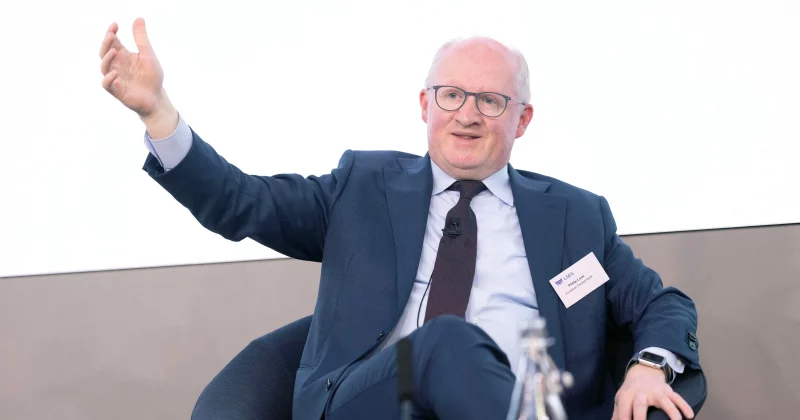
Philip Lane, the European Central Bank’s chief economist, laid out a sobering assessment on May 13 of what prolonged Middle East conflict could mean for Europe’s economy. The short version: higher energy prices, stickier inflation, and a central bank that may have to rethink its rate path.
The ECB held its key deposit rate at 2% during its April 30 meeting. Baseline inflation projections for 2026 have already been revised upward to 2.6%, comfortably above the ECB’s 2% target, and Lane suggested the situation could get meaningfully worse.
The energy problem is different this time
Lane’s central argument is that the current energy price surge is qualitatively different from past episodes. The Iran conflict and potential disruptions to global energy supplies through the Strait of Hormuz create a type of supply shock that doesn’t respond neatly to conventional monetary policy tools.
Higher energy costs simultaneously push inflation up and economic growth down — a combination economists call stagflation.