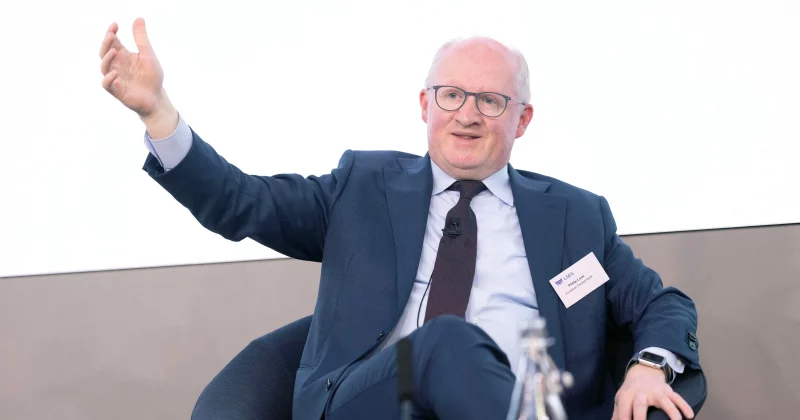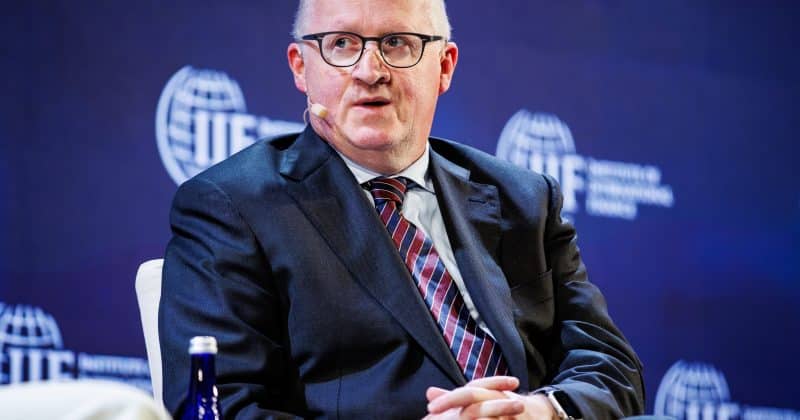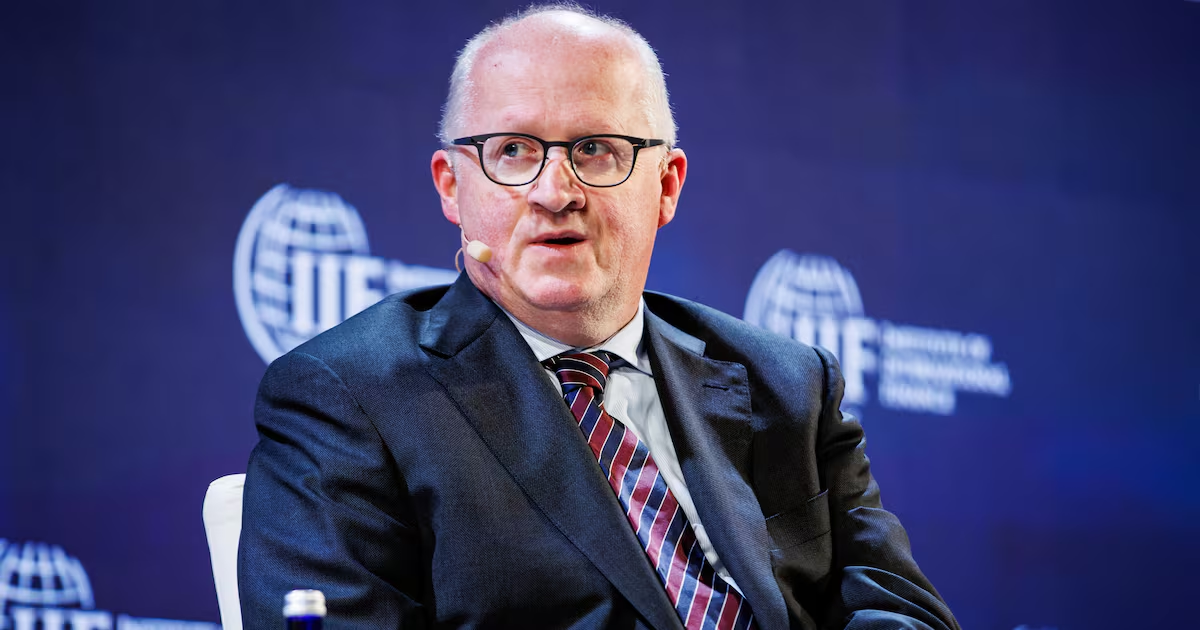
Energy prices have a way of sneaking up on an economy. Not like a sudden punch, more like a slow-acting poison that works its way through supply chains, wage negotiations, and consumer prices over months and years. ECB Chief Economist Philip Lane wants everyone to know that Europe is still digesting the latest dose.
Lane has been on something of a speaking tour, laying out in May and June 2026 how elevated energy costs, driven largely by geopolitical tensions in the Middle East, will continue to push inflation above the ECB’s 2% target for a longer stretch than many market participants seem to appreciate.
The numbers tell a stubborn story
Here’s the forecast Lane presented as of June 16: euro area inflation at 3.0% for 2026, easing to 2.3% in 2027, and finally touching the magic 2.0% number in 2028. Even under the ECB’s baseline scenario, it takes two more years to get back to target.
On May 13, Lane detailed how the ECB has been using Bayesian VAR models to measure the transmission of energy supply shocks through the euro area economy. These are statistical frameworks that help trace how a spike in oil prices today shows up in your grocery bill six to twelve months later.