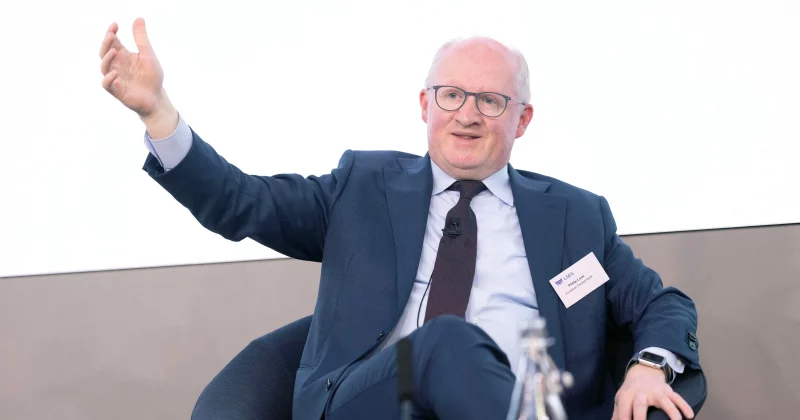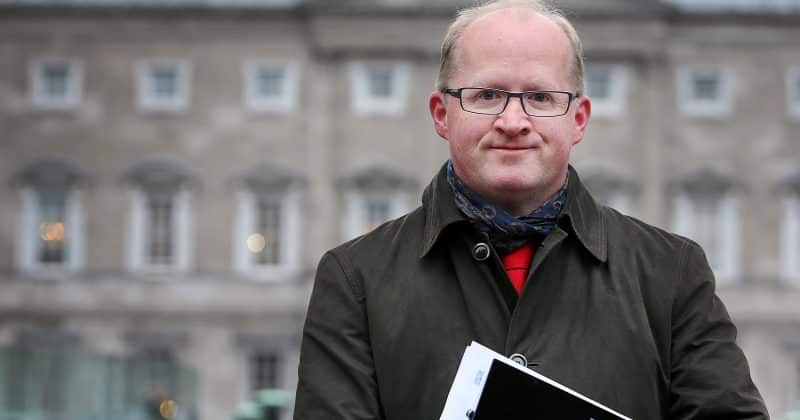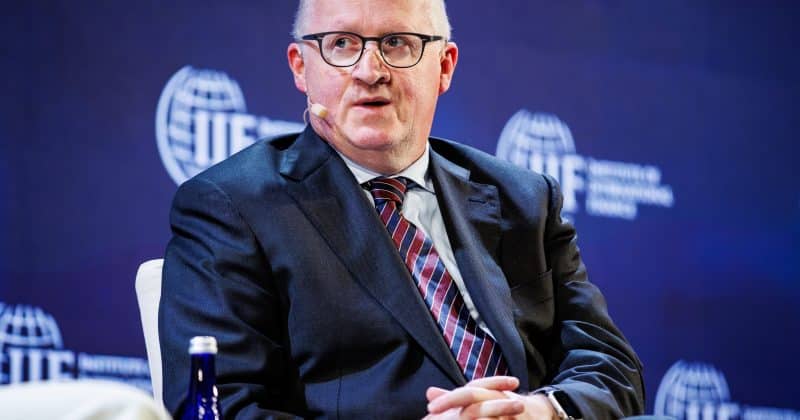
Philip Lane, the ECB’s chief economist, delivered a blunt message to anyone hoping the Iran situation would produce a clean resolution for prices: don’t count on it. Speaking on May 27-28, Lane argued that even a swift diplomatic outcome won’t erase the inflationary damage already baked into the eurozone economy through supply chain disruptions, energy market dislocations, and what he called “non-linear price dynamics.”
The warning lands at a particularly sensitive moment. The ECB hiked its deposit facility rate to 2.25% on June 11, 2026, a 25 basis point increase that marked the institution’s first rate rise in nearly three years. Revised Eurosystem staff projections now peg headline inflation at 3.0% for 2026, 2.3% for 2027, and a return to the 2.0% target only by 2028. Energy prices are doing most of the heavy lifting on those numbers.
Why this Iran shock is different
Lane drew a pointed distinction between the current energy crisis and the one triggered by Russia’s invasion of Ukraine in 2022. The Iran conflict, he noted, carries a genuinely global scope. The Ukraine crisis disrupted European gas supplies in ways that were devastating but somewhat geographically contained. Iran’s role in global oil markets makes this shock harder to compartmentalize.