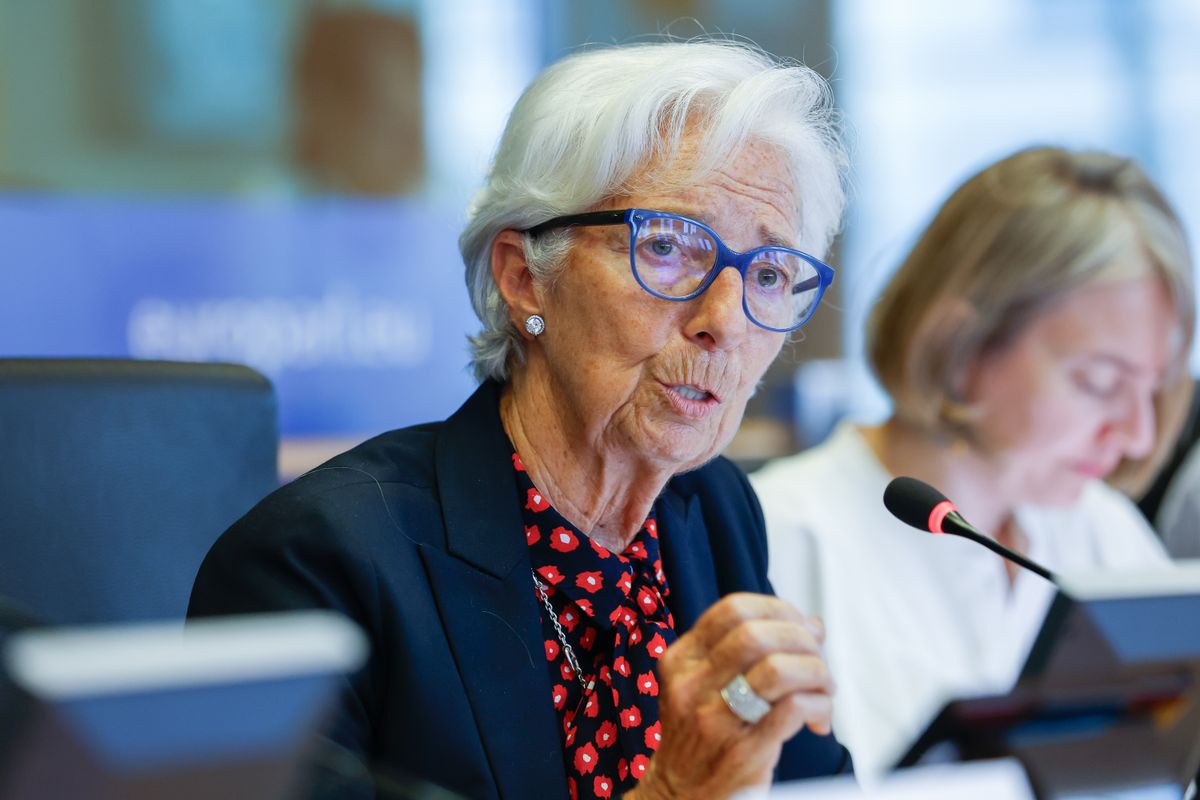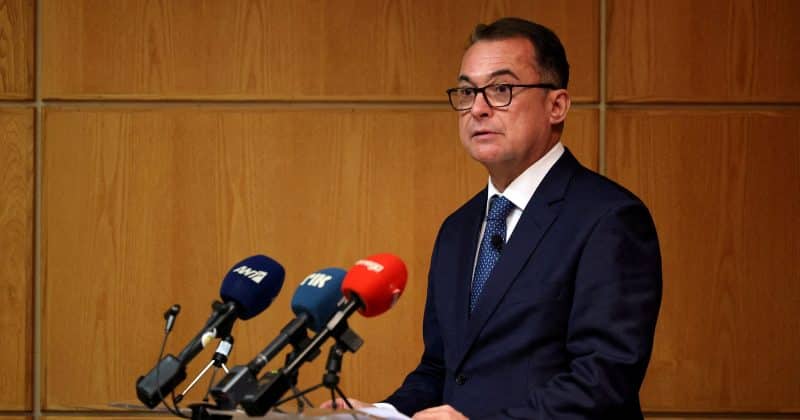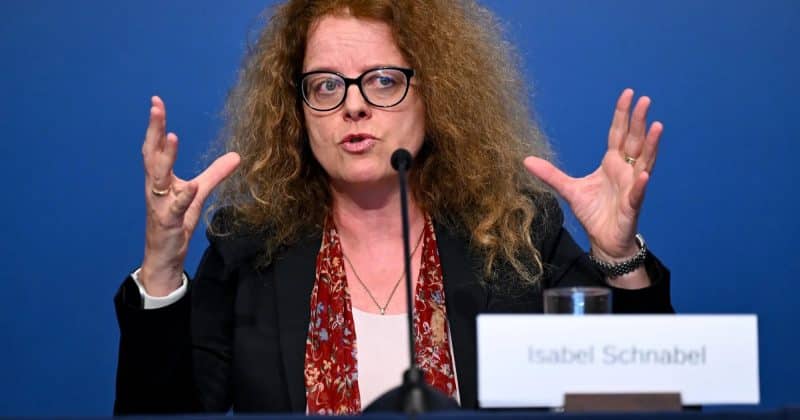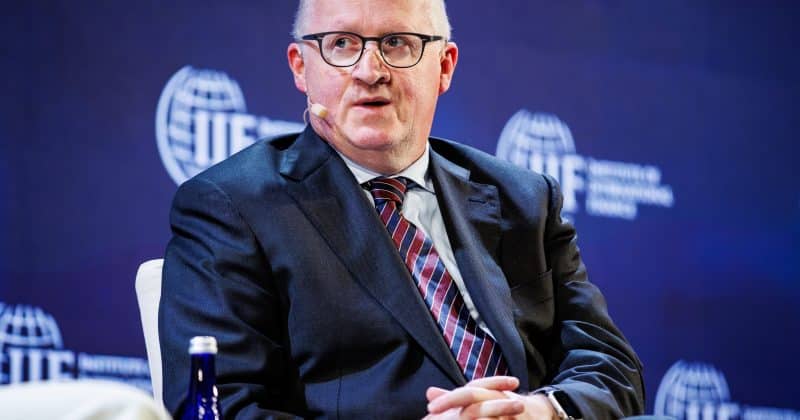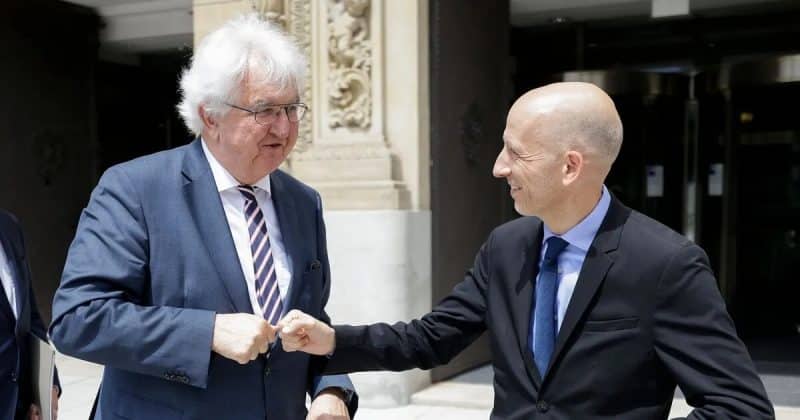
The guns may have gone quiet, but the price tags haven’t. Martin Kocher, a member of the ECB Governing Council, is warning that eurozone inflation will remain stubbornly high for an extended period, even after the US-Iran ceasefire reopened the Strait of Hormuz and sent oil prices tumbling.
The numbers behind the warning
Eurozone inflation hit 3.2% in May 2026. That’s well above the ECB’s 2% target, driven primarily by Middle Eastern supply disruptions that sent energy costs soaring during the Iran conflict.
In response, the ECB raised its deposit rate by 0.25 percentage points to 2.25% on June 15, 2026. That marked the central bank’s first rate hike in nearly three years, a clear signal that Frankfurt views the inflationary threat as serious enough to reverse course on what had been a prolonged easing cycle.
Kocher first sounded the alarm back on May 22-23, warning that inflation would exceed previous forecasts thanks to rising energy prices fueled by the escalating Iran situation. At the time, the ECB was openly weighing a rate hike contingent on whether a sustainable peace deal materialized.