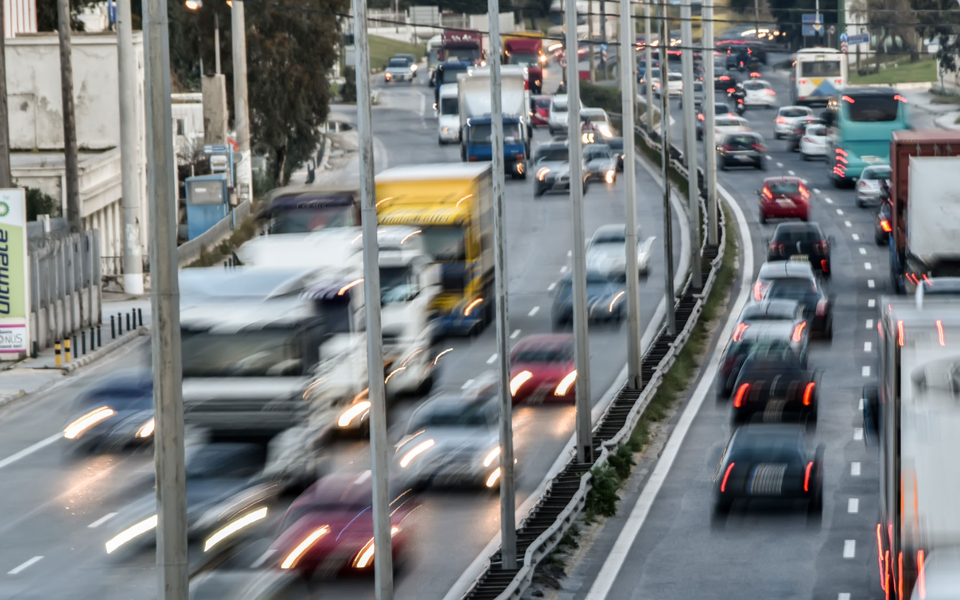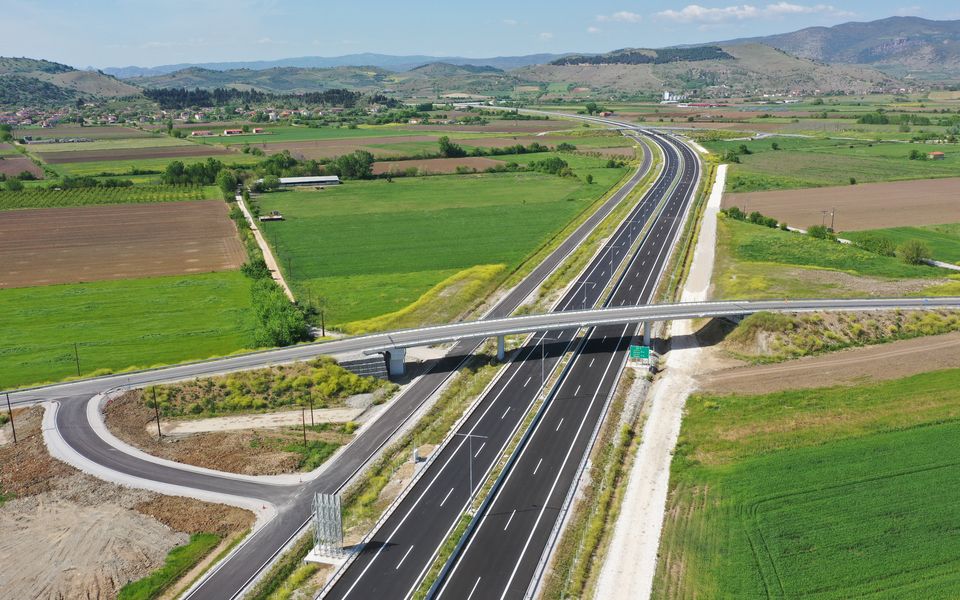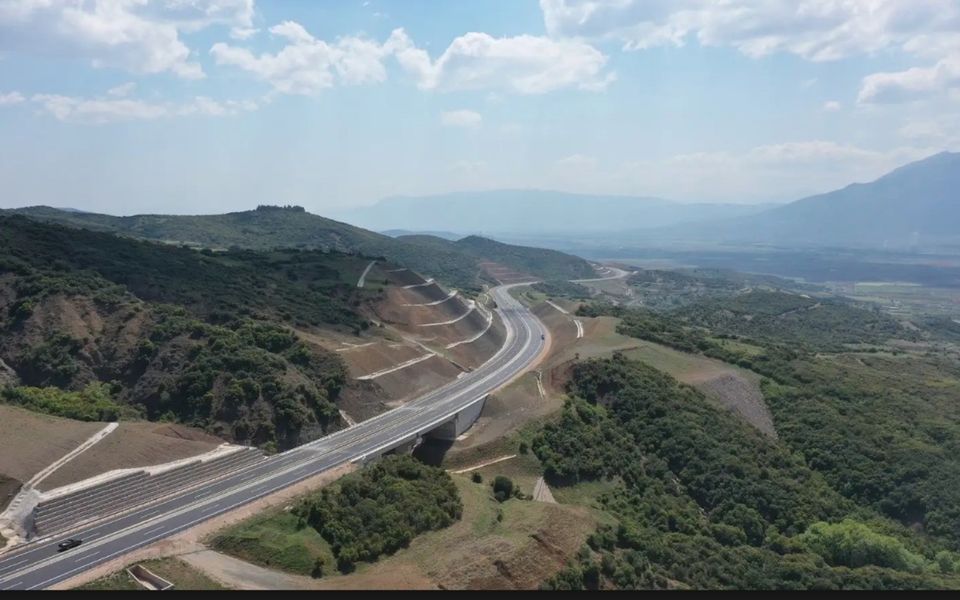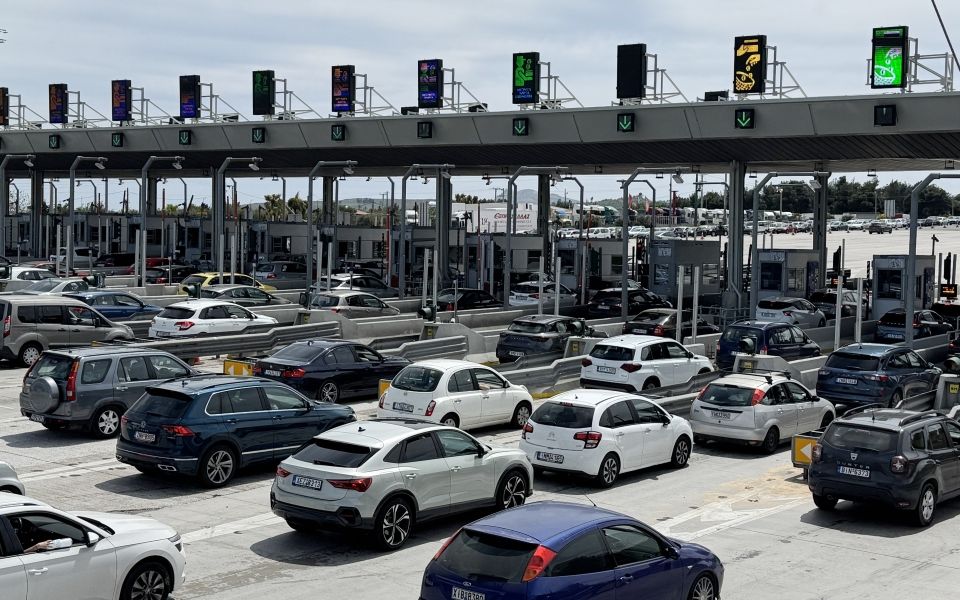
Let’s do the math: Attiki Odos, €2.55; Elefsina, €2.50; Isthmos, €2.10; Kiato, €2.70; Elaionas, €3.80; Rio, €2.70. At the Rio-Antirrio Bridge, we fork out another €15.90. Then, on Ionia Odos, we stop again at Klokova (€3.55) and Angelokastro (€4.20). The 10th and final payment, €3, awaits us at the Aktio-Preveza undersea tunnel, just to make sure we don’t arrive with the illusion that we have somehow gotten away cheaply.
In short, on a journey of roughly 350 kilometers, we pass through 10 toll points and pay €43. Round trip, that’s €86. Add the gas, and a three-day trip to Kanali, near Preveza, starts with a bill of around €200 – before you have even ordered your first coffee.
So what? By now, we have understood that nobody seems particularly bothered by the fact that family budgets have been brought to their knees. I can almost hear the thought forming in their minds: “Who told you to go to Kanali? You could have stayed perfectly well in Athens.” In fact, citizens are apparently considered to be exaggerating. After all, as a leading government minister famously put it on a TV panel: “Well all came back tanned.”
Except that the cost of getting around is not just a matter of vacations. A couple of friends leave their daughter with her grandmother near Agrinio every summer, as soon as school lets out, while they continue working. They may go as long as a month without seeing her. They miss her terribly, but the cost of traveling back and forth for a weekend is simply more than they can afford. Others need to travel regularly for work, medical reasons, to care for elderly relatives or to deal with some matter at a public service office. Being able to move around within your own country is not a luxury.