Ji Da-gyum
For over a decade, I’ve navigated the complexities of North Korean affairs, security, and foreign policy from both Seoul and Washington, D.C. As the National Desk Political Team Lead, I track the pulse of geopolitics, closely following developments from the Unification Ministry and the Foreign Ministry. My mornings start with Rodong Sinmun—North Korea’s state mouthpiece—before diving into the day’s headlines from Seoul and Washington.
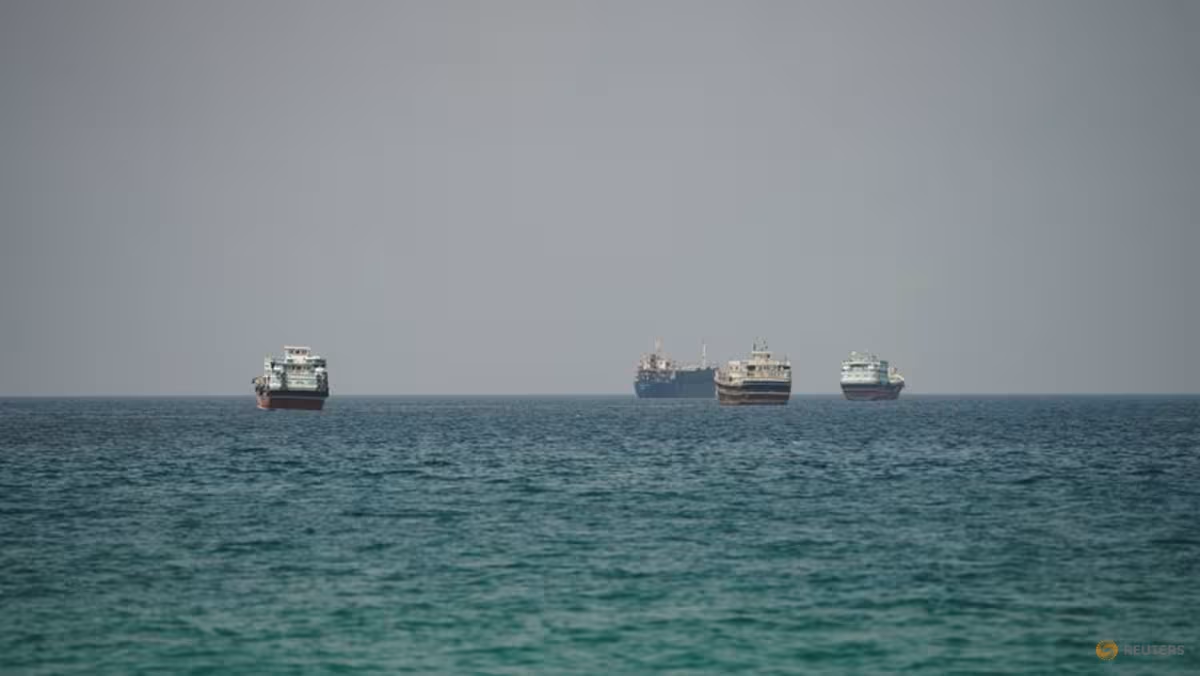
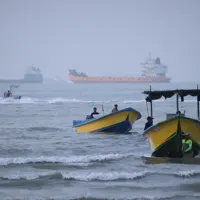
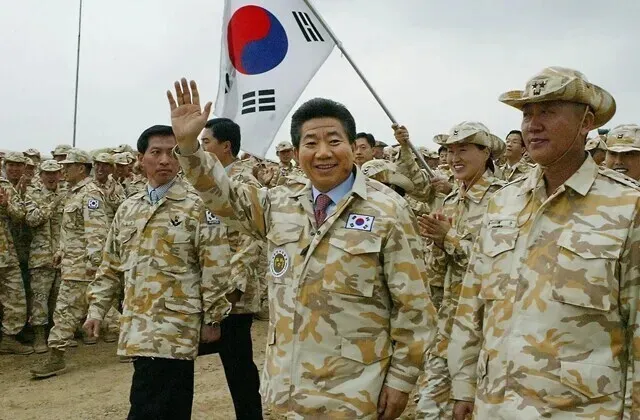
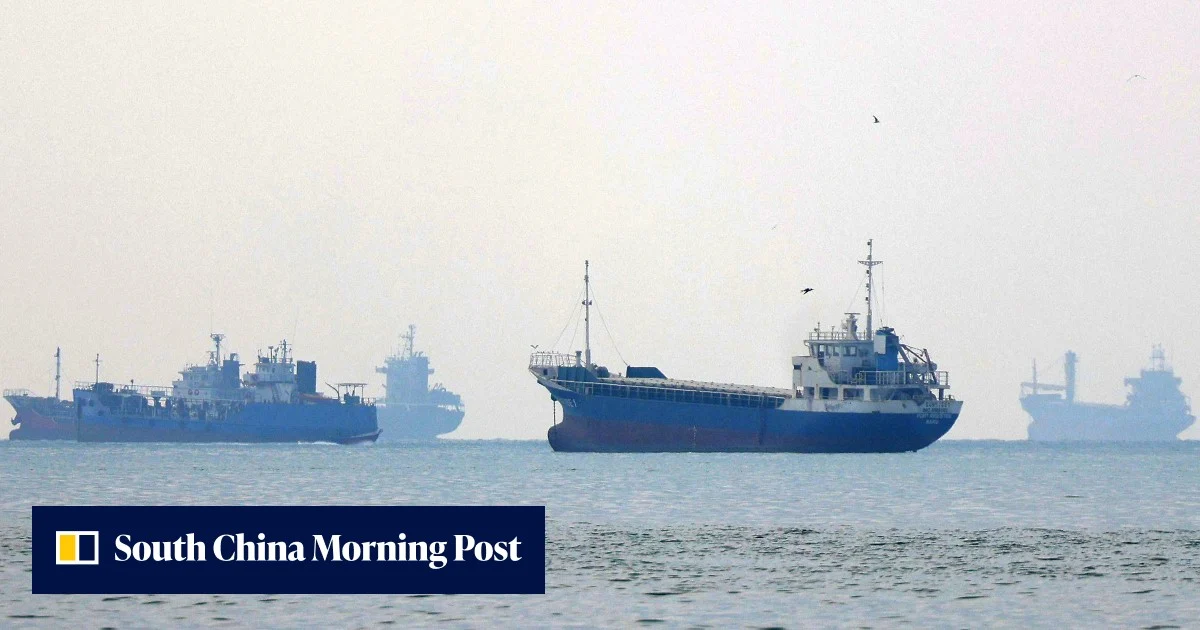
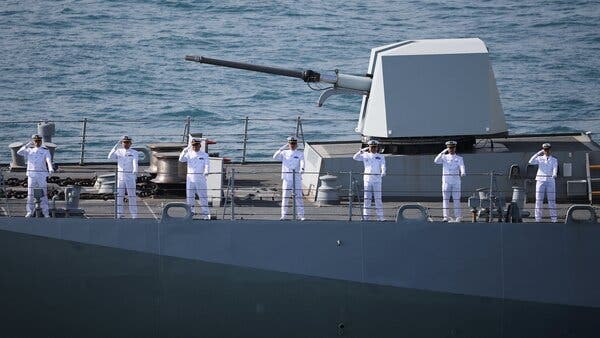
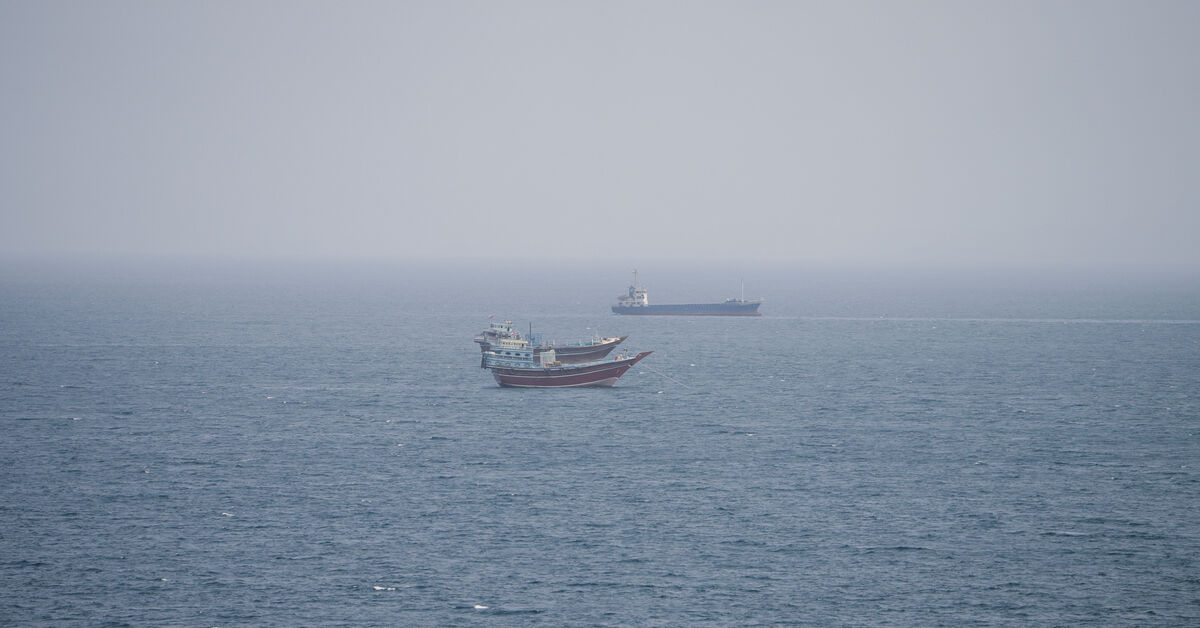
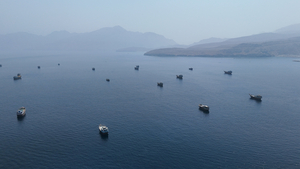
A drone view shows vessels near the Strait of Hormuz, as seen from Musandam, Oman, on Aug. 28. (Reuters) Seoul continues to weigh options for how it might help resolve the situation in the Strait of Hormuz but has yet to reach a concrete decision, the presidential office stressed Tuesday.Cheong Wa Dae's emphasis on the open decision follows revelations that the Ministry of National Defense has dispatched an on-site assessment team to the United Arab Emirates. The move fanned speculations that the government may be nearing a decision on possible troop deployment.The UAE, which hosts South Korea's Akh Unit as well as major US military facilities such as Al Dhafra Air Base and Jebel Ali Port, provides a vantage point for assessing security and other conditions in and around the strategic waterway.US President Donald Trump has recently stepped up pressure for Seoul to contribute more to efforts in the strait, repeatedly saying that President Lee Jae Myung had rejected his request for assistance. Seoul has countered this characterization does not reflect its position.Still, Seoul faces increasingly delicate circumstances amid the renewed US-Iran conflict. Growing domestic opposition to troop deployment, including some lawmakers within the ruling bloc, and Tehran's blunt warning of "serious consequences" complicate deliberations during this sensitive moment in Seoul's alliance with Washington."The review is still underway, and no decision has been made. The dispatch of the on-site assessment team should also be understood as part of that review process," a senior Cheong Wa Dae official said in Paris on condition of anonymity, following Lee's summit with French President Emmanuel Macron.The official added, "We are still considering the matter with all options open at this stage, and there is nothing concrete yet."The remarks followed hours after the Defense Ministry in Seoul confirmed Tuesday that it had sent the team to the UAE over the weekend to assess conditions on the ground, including the regional environment and security situation. The ministry also clarified that the team dispatch did not imply an eventual troop deployment — a view the senior presidential official said Cheong Wa Dae shared.The ministry denied reports that Washington has proposed a specific deadline on whether to send South Korean military personnel or assets to the Strait of Hormuz.Regarding the timeline of the decision, the unnamed Cheong Wa Dae official declined to confirm a separate local media report that the Standing Committee of the National Security Council would begin discussions on whether to seek National Assembly approval for troop deployment at next week's meeting."We have established the broad direction for how we should take part in global cooperation in the Strait of Hormuz, but the details are still under review. In the review process, consultations among relevant ministries should proceed if needed," the official said."Nothing has been decided at this point, so it is difficult for me to lay out any specific timetable for what comes next."The on-site assessment in the UAE is expected to feed into Seoul's subsequent review of whether and how to deploy troops. Once the team returns from the UAE, it is expected to compile a report on its findings for the National Security Council.If Seoul ultimately decides to proceed with a troop deployment, it would have to clear a series of formal procedures, including NSC review, Cabinet deliberation and approval by the National Assembly in that sequence.Asked about Tehran's opposition to a potential deployment, the presidential official said the Korean government had explained its position to Iran in broad terms: "We are reviewing the matter, but nothing has been decided."Iranian Foreign Ministry spokesperson Esmaeil Baqaei warned Monday that any military presence or participation in operations in the Strait of Hormuz "would have serious consequences," in a statement posted in Korean on X. President Lee Jae Myung salutes the national flag as the South Korean national anthem is played after laying a wreath at the Tomb of the Unknown Soldier beneath the Arc de Triomphe in Paris on Tuesday, during his state visit to France. (Yonhap) Hormuz decision is Seoul's ownPrime Minister Han Seon-sook reiterated Wednesday that "no decisions have been made on any aspect of a potential deployment to the Strait of Hormuz," while saying the government was continuing to review "various options for making a substantive contribution" to international efforts.During a National Assembly interpellation session, Han also underscored the strategic importance of the waterway to South Korea, citing the strait's critical role in securing the country's energy supplies.The Strait of Hormuz is a vital shipping route for South Korea, carrying nearly 70 percent of the crude oil the country imports from the Middle East.Against that backdrop, Cheong Wa Dae stressed that any eventual decision would be made independently by Seoul, based on its own assessment of South Korea's interests and circumstances."Ultimately, the government of the Republic of Korea will make its decision based on its own independent judgment," Seong Ghi-hong, the presidential secretary for public relations and communication, said Wednesday during an interview on a YouTube channel.Seong stressed that "any final decision on such an important matter" would ultimately be made by President Lee following deliberations at the National Security Council, where relevant ministries would reconcile differing views and positions before arriving at a unified government stance.Seong added that some of what had surfaced in media reports in recent days appeared to reflect "fragmentary discussions that leaked out before they had reached the level of a final decision.""What I want to emphasize is that this is an extremely important matter," Seong said. "Once the government reaches a considered course of action, we will present our position to the public responsibly." President Lee Jae Myung (left) and French President Emmanuel Macron hold a joint press conference at the Elysee Palace in Paris on Tuesday. (Yonhap) Lee, Macron broaden security cooperation beyond HormuzAt the Paris summit, Lee and Macron "discussed the international community's efforts to ensure freedom of navigation through the strait and promote regional stability, and broadened their common understanding on the issue," according to the senior Cheong Wa Dae official."In particular, President (Lee) discussed the issue based on the position that, recognizing the importance of stability in the strait, we would work to flesh out ways to contribute in a manner grounded in national interests and public consensus," the official added.The official, however, clarified that "today's discussion should not be characterized as being about troop deployment."Following the summit, Lee reiterated Seoul's stance: "The Republic of Korea and France agreed to continue working closely together to help restore freedom of navigation through the Strait of Hormuz and stability in global supply chains as soon as possible," he said during a joint news conference with Macron.The summit between Lee and Macron has drawn attention as France is one of the key countries, along with the US and United Kingdom, discussing Seoul's contribution to freedom of navigation across the Strait of Hormuz. France and the UK have taken an active role in international efforts through a defensive-oriented multinational military mission.The summit also produced broader progress in bilateral defense and security cooperation.Lee said he and Macron "agreed to make a substantive leap forward in defense and security cooperation to respond together to the uncertainties of the international order."South Korea and France signed a protocol amending their agreement on the protection of classified military information, which Lee said would "enhance the institutional framework," making information exchanges "more sophisticated and systematic."The two sides also agreed to accelerate consultations on a Mutual Logistics Support Agreement, which would allow their militaries to provide each other with logistical support, supplies and services.Lee said the pact is aimed at "ensuring that the two armed forces can cooperate in a more stable and efficient manner," stressing that the goal is to conclude it "at the earliest possible date."