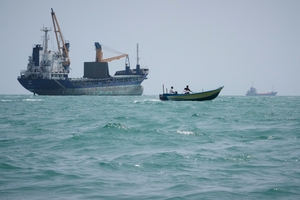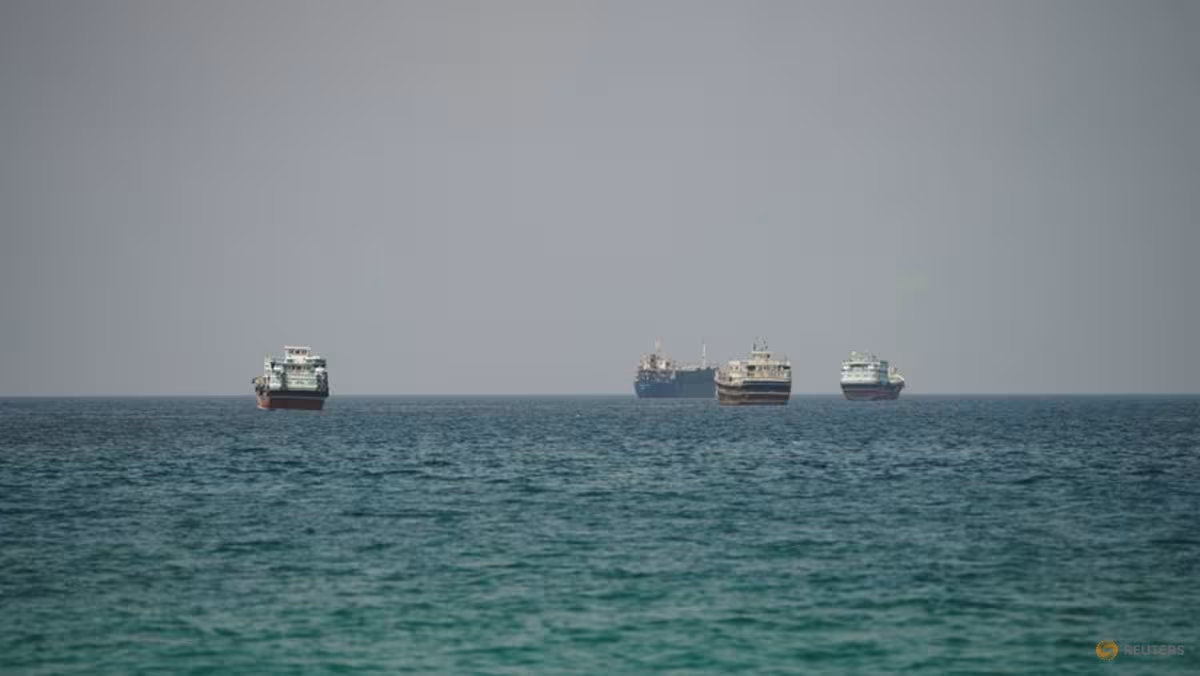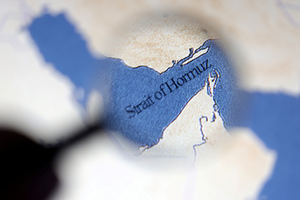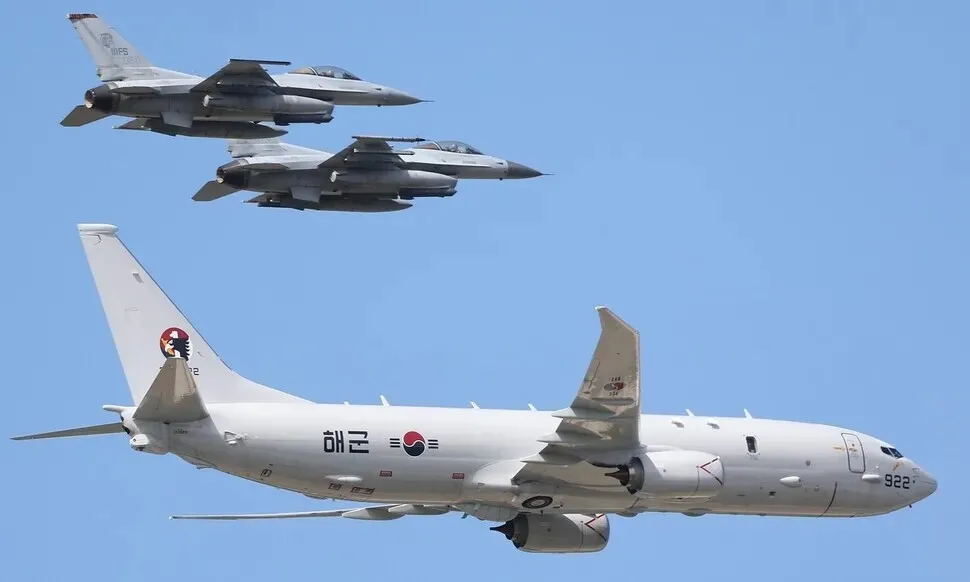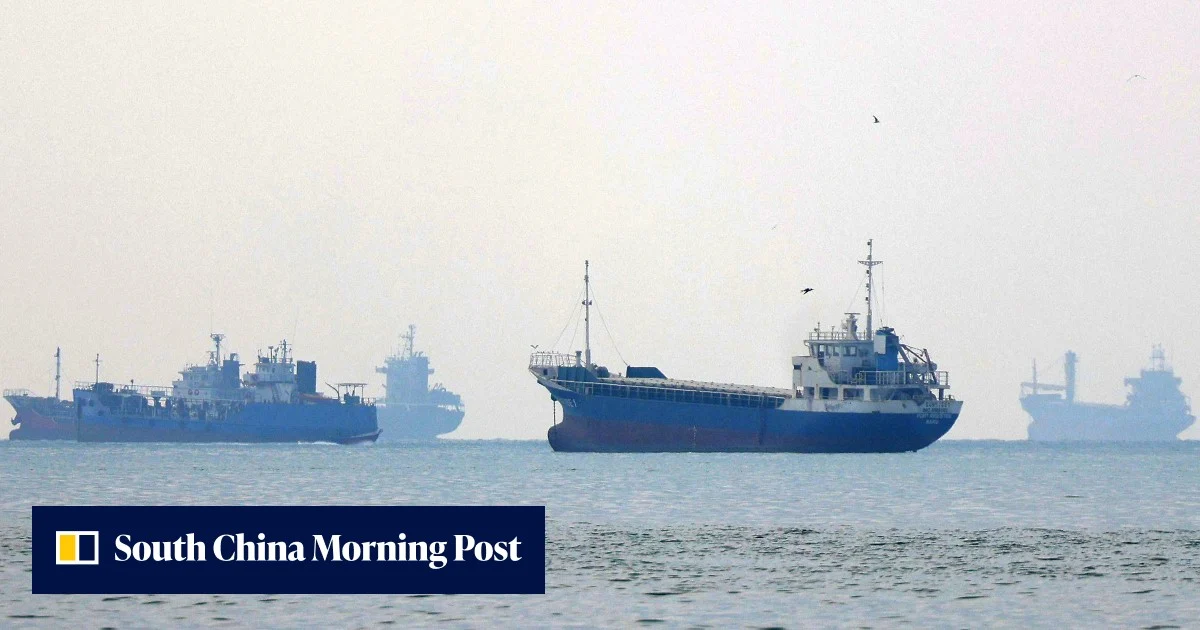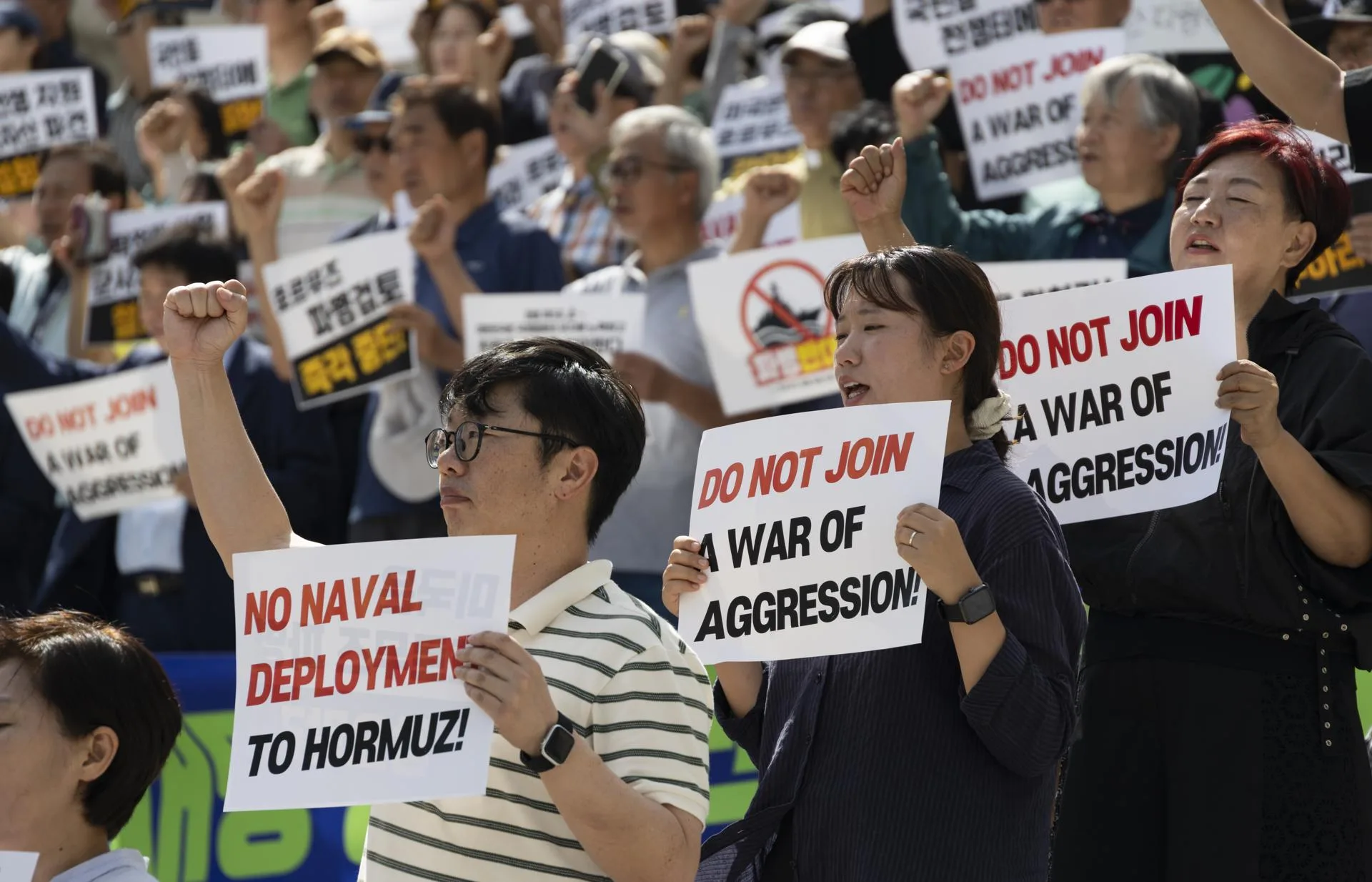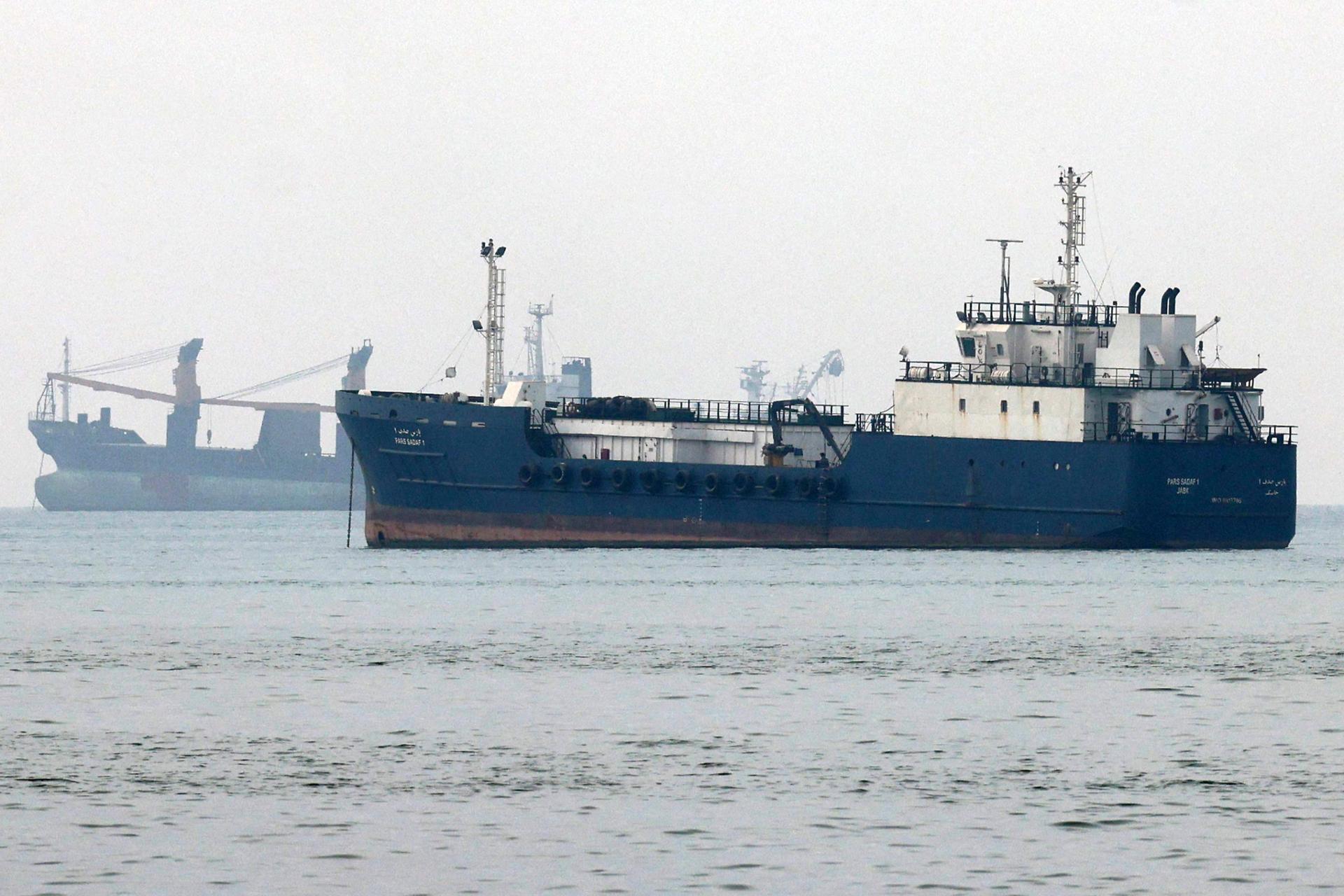
Vessels transit the Strait of Hormuz off the coast of Iran's southern port city of Bandar Abbas, Monday. AFP-YonhapA Korean government team tasked with assessing the security situation near the Strait of Hormuz returned from the United Arab Emirates (UAE) on Thursday as Seoul cautiously weighs a potential military deployment amid U.S. pressure.The team, consisting of defense and foreign ministry officials, had left for the UAE on the weekend to conduct an on-site assessment of the overall security and operational situations near the strait, including checking key military bases and ports, as well as logistical and other conditions.They arrived at Incheon International Airport, west of Seoul, on Thursday, according to officials with knowledge of the matter.The mission to Abu Dhabi was carried out very discreetly as Seoul is carefully deliberating its potential role in helping secure a free and safe passage through the crucial shipping lane amid the ongoing U.S.-Iran conflict.The team's dispatch has widely been interpreted as Seoul leaning toward a military deployment to join U.S.-led operations in the region, triggering immediate backlash from Tehran.The deployment issue has posed a diplomatic challenge for Seoul, as U.S. President Donald Trump's administration presses its key ally to commit forces and military assets to assist with U.S. operations in the region.In a social media posting on Aug. 16, Trump said when he had recently asked President Lee Jae Myung whether Seoul would like to join U.S. efforts to "denuclearize" Iran, he was told, "No thanks." Trump said he would remember Lee's response.Local news reports have speculated on the potential list of military assets for deployment, including the P-8A maritime patrol aircraft, a logistics support ship and explosive ordnance disposal teams — mainly non-combat assets.However, the naval logistics support vessel has reportedly been ruled out as its operation would require dispatching more than 100 sailors.The assessment team likely visited the Al Dhafra Air Base in Abu Dhabi, home to a primary U.S. military installation in the UAE, to check operational conditions for the potential P-8A deployment.Sending an assessment team to a candidate deployment site is part of the required procedures under the defense ministry's directives on overseas military deployment. Upon return, the team is obliged to report the result of the mission to the National Security Council.The defense ministry, however, has stressed that the team's dispatch does not mean the deployment will follow, saying that its purpose was strictly to assess the security environment and safety conditions near the strait.Speaking on MBC Radio on Thursday, Seong Ghi-hong, senior presidential secretary for public relations, reiterated that no final decision has been made about the deployment."If deployment was not an option, we could have technological assistance," Seong said. "While we can consider combat or noncombat forces in the form of deployment, we could also wisely explore alternatives for contribution."Seoul appears to be taking a more prudent approach even as Washington is heaping pressure with its calls for military deployment amid growing negative sentiment even within the government and the ruling party.It remains to be seen how Seoul will navigate its Hormuz dilemma in upcoming talks with Washington.Korea and the U.S. are expected to hold their key defense dialogue in Busan next week, according to sources familiar with the matter.Although the Hormuz contribution is not on the official agenda for the Korea-U.S. Integrated Defense Dialogue (KIDD), Washington could bring up the issue during the meeting.
Korean team for Strait of Hormuz assessment returns from UAE - The Korea Times
A Korean government team tasked with assessing the security situation near the Strait of Hormuz returned from the United Arab Emirates (UAE) on Thu...
559 words~3 min read