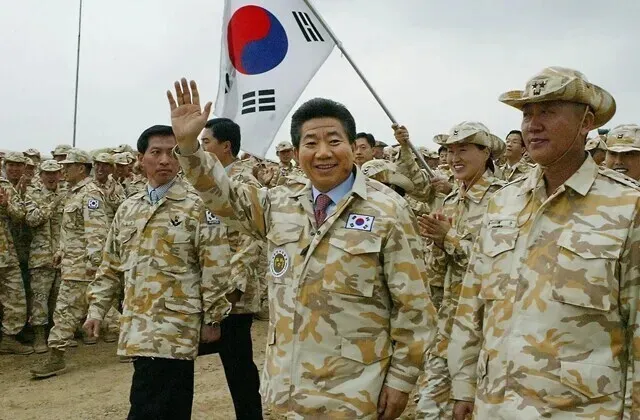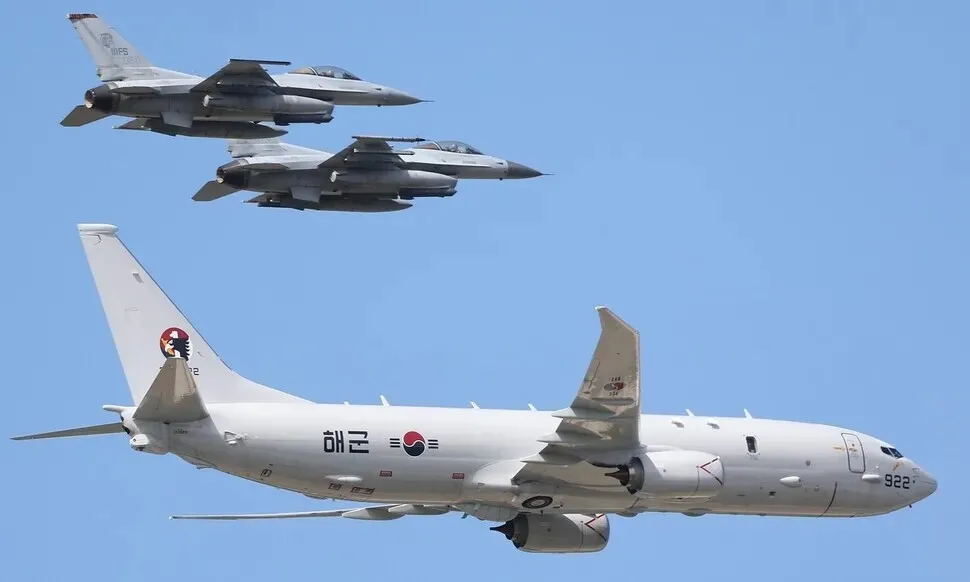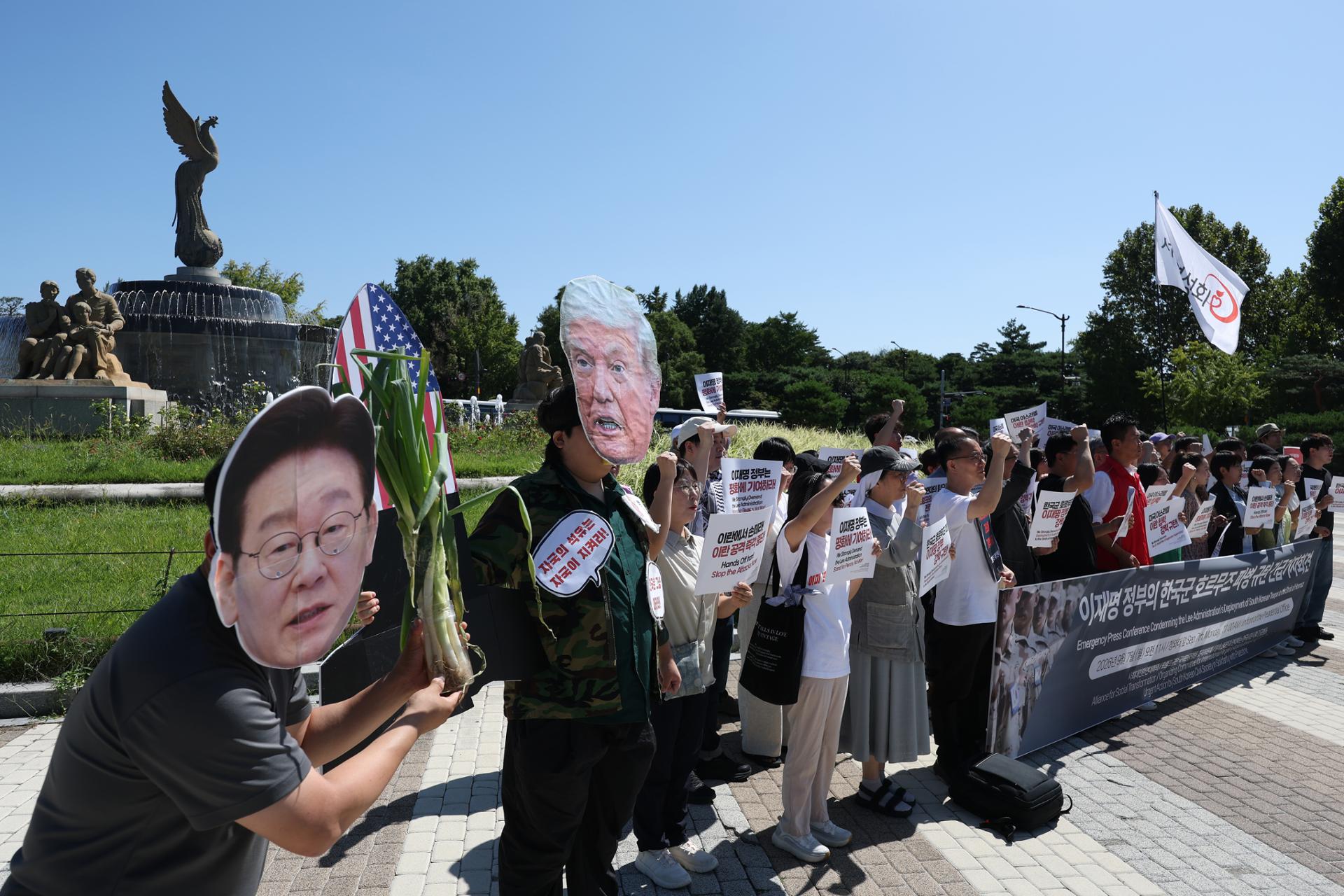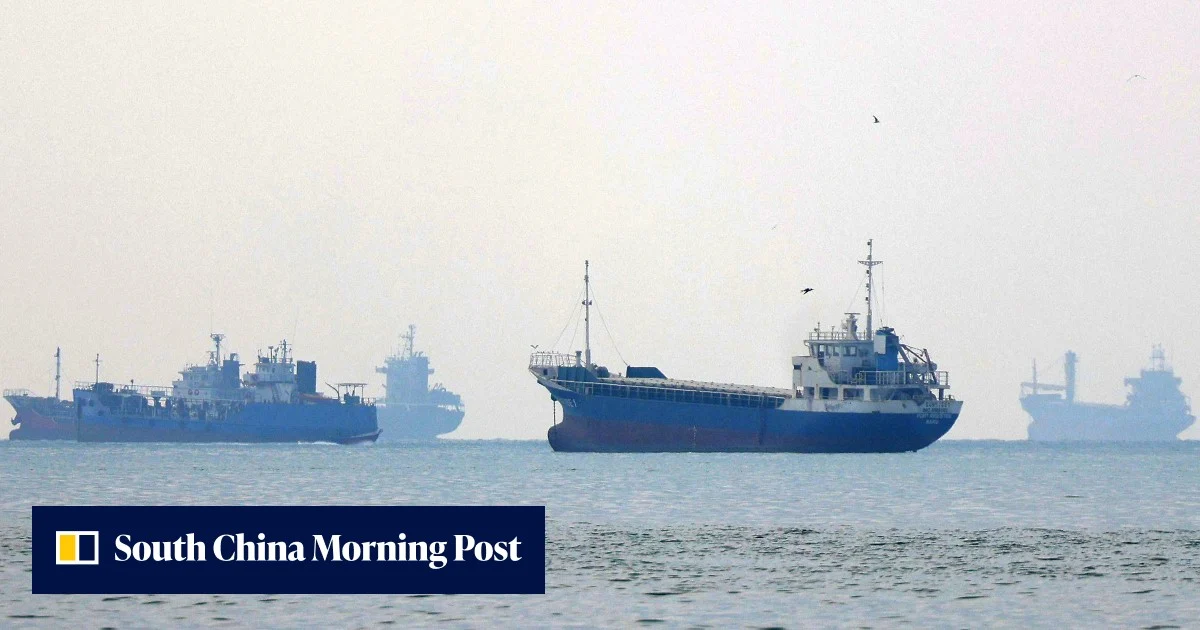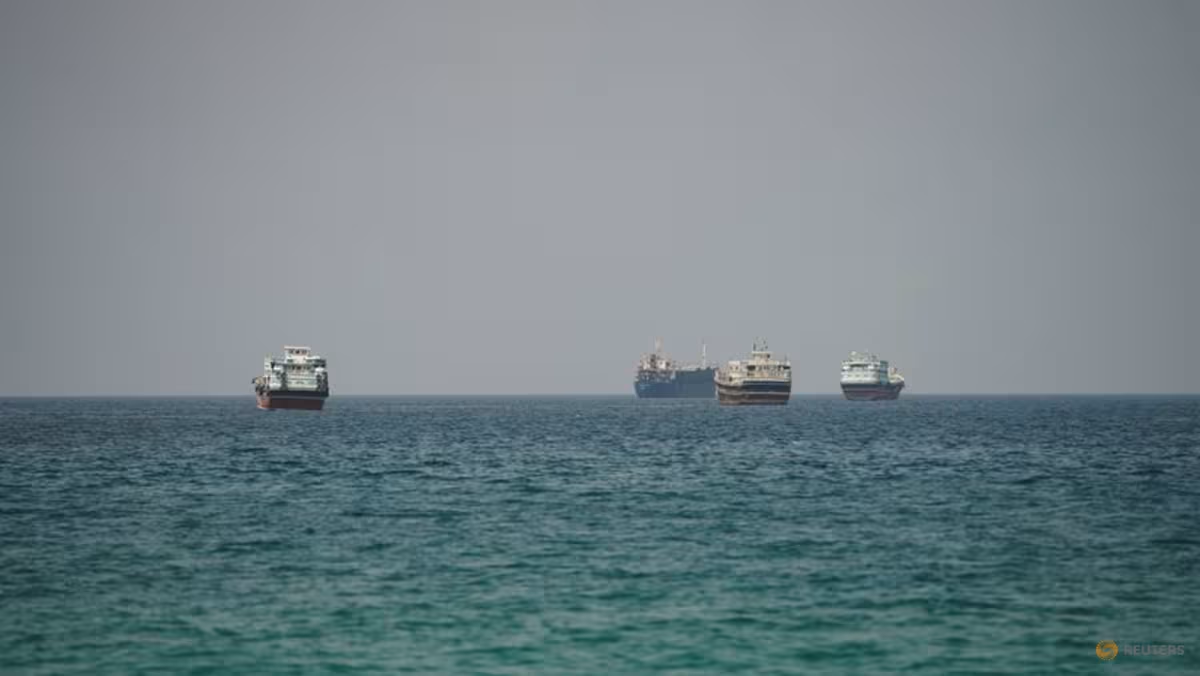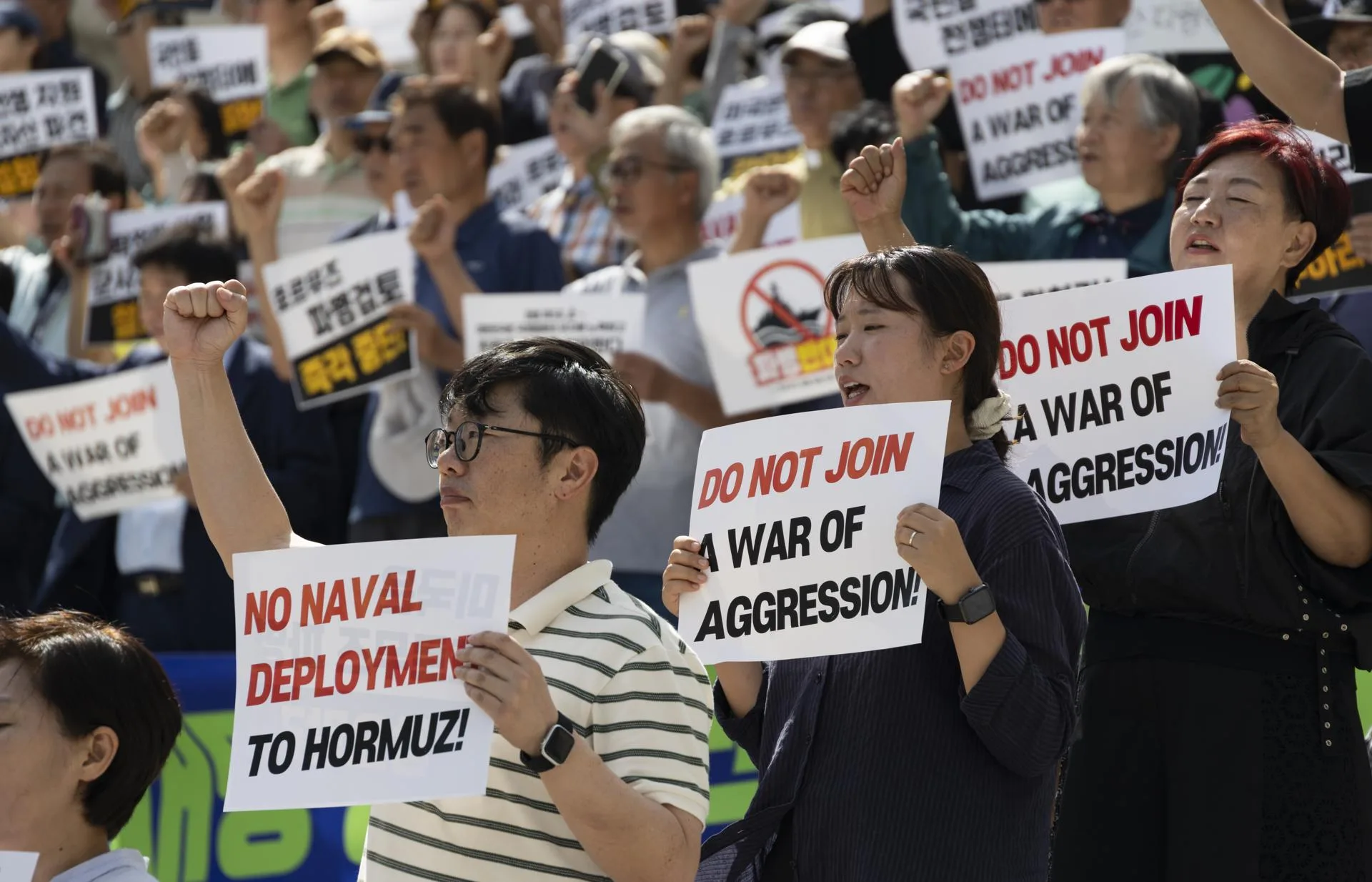
Korea’s Ministry of National Defense has begun de facto preparations for troop deployment, having sent an advance team to assess the situation in the Strait of Hormuz. It appears likely that we will soon hear a decision — possibly at a National Security Council meeting attended by President Lee Jae Myung — to deploy “non-combat forces” that offer logistical support for US military operations.But if Korea joins this illegal war instigated by US President Donald Trump in such a way, it risks turning Iran into an enemy while earning us the stigma of being the first country to bow to American pressure. This deployment could place our young soldiers and vessels passing through the strait in grave danger, not to mention severely damage Korea’s standing in the world. The ministry admitted Tuesday that it had sent a survey team to the Strait of Hormuz to assess regional conditions, while also emphasizing that the team was “not being sent on the assumption” that an actual deployment would follow. A senior Blue House official elaborated on the matter, describing the team’s dispatch as being “part of the review process for deployment.” Seeing how the Blue House has repeatedly stated that it is “considering” something as sensitive as a military deployment, it would be reasonable to assume that it has already decided on the broad direction it intends to take. In the meantime, a flurry of reports are being published about options for deployment, such as combat support ships, maritime patrol aircraft, and explosive ordnance disposal personnel. Back when the Roh Moo-hyun administration decided to send additional troops to Iraq in November 2003, the government embarked on a quest to persuade the National Assembly and the Korean people by underscoring the risks that would come with refusing to comply with US demands, and the profits Korea could reap by cooperating. A large weight was lifted off the administration’s chest when the fighting came to a close as the US declared the end of the war on May 1, 2003, and the unanimous decision to pass UN Security Council Resolution 1511, which authorized “a multinational force under unified command to take all necessary measures to contribute to the maintenance of security and stability in Iraq.” That being said, the Roh administration paid a heavy political price as public opinion became divided, with some critics accusing it of participating in an illegal war by the US. In comparison, the US is currently engaged in fierce combat with Iran, and no international legislation can justify a military deployment by Korea. If we do deploy troops to Iran, we will have to prepare ourselves for the possibility of physical retaliation from Iran, which has already warned us that deployment will lead to “serious consequences.” Also, there is no way of knowing how grateful the US will be if we deploy the non-combat units we are contemplating sending over. A hasty military deployment could leave Korea with neither a credible justification nor any meaningful gains. Any such deployment is out of the question.
[Editorial] A deployment to Hormuz would be neither justified nor beneficial for Korea
Neither a credible justification nor any benefits can be seen in sending troops to the Strait of Hormuz
505 words~2 min read