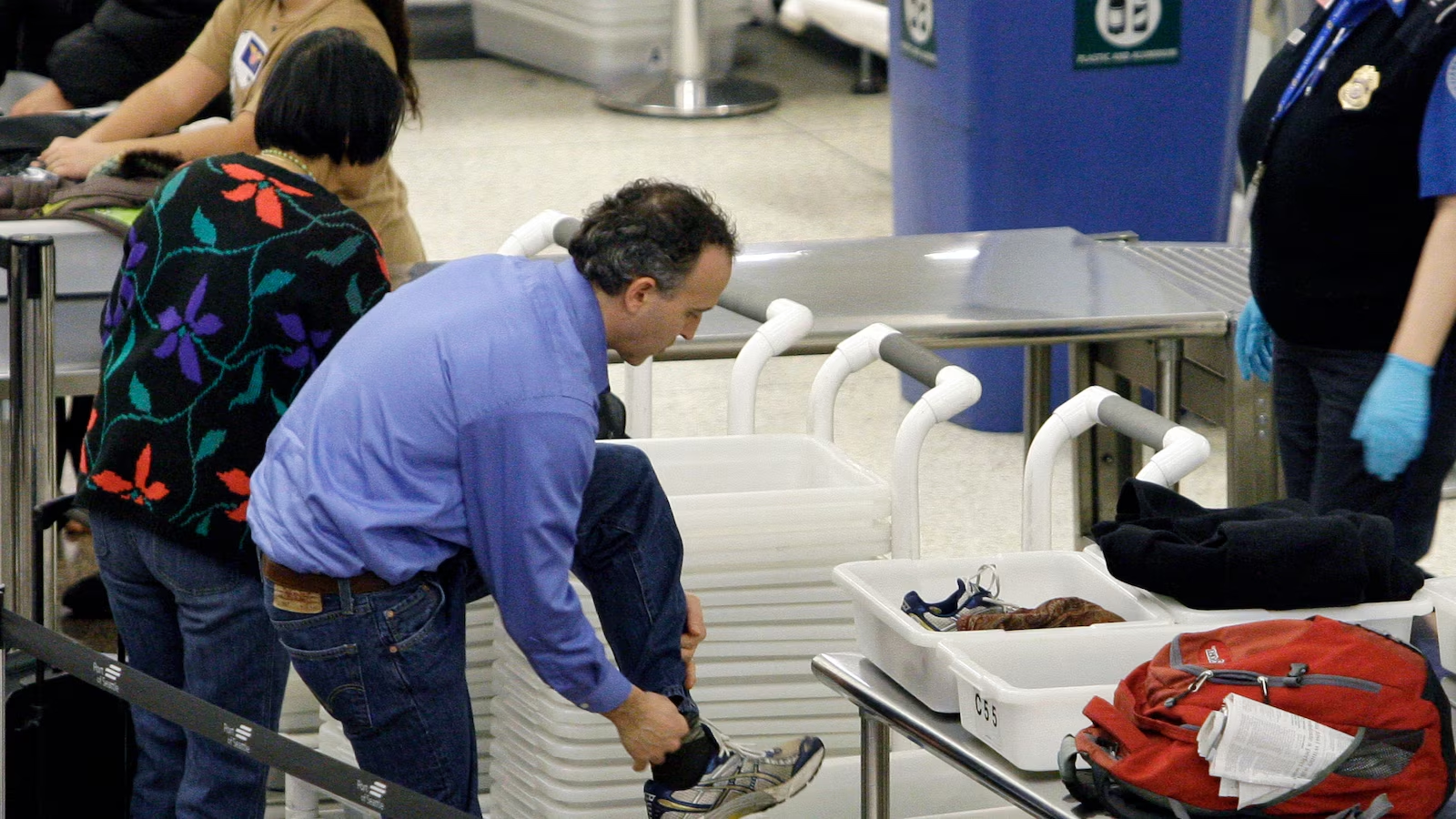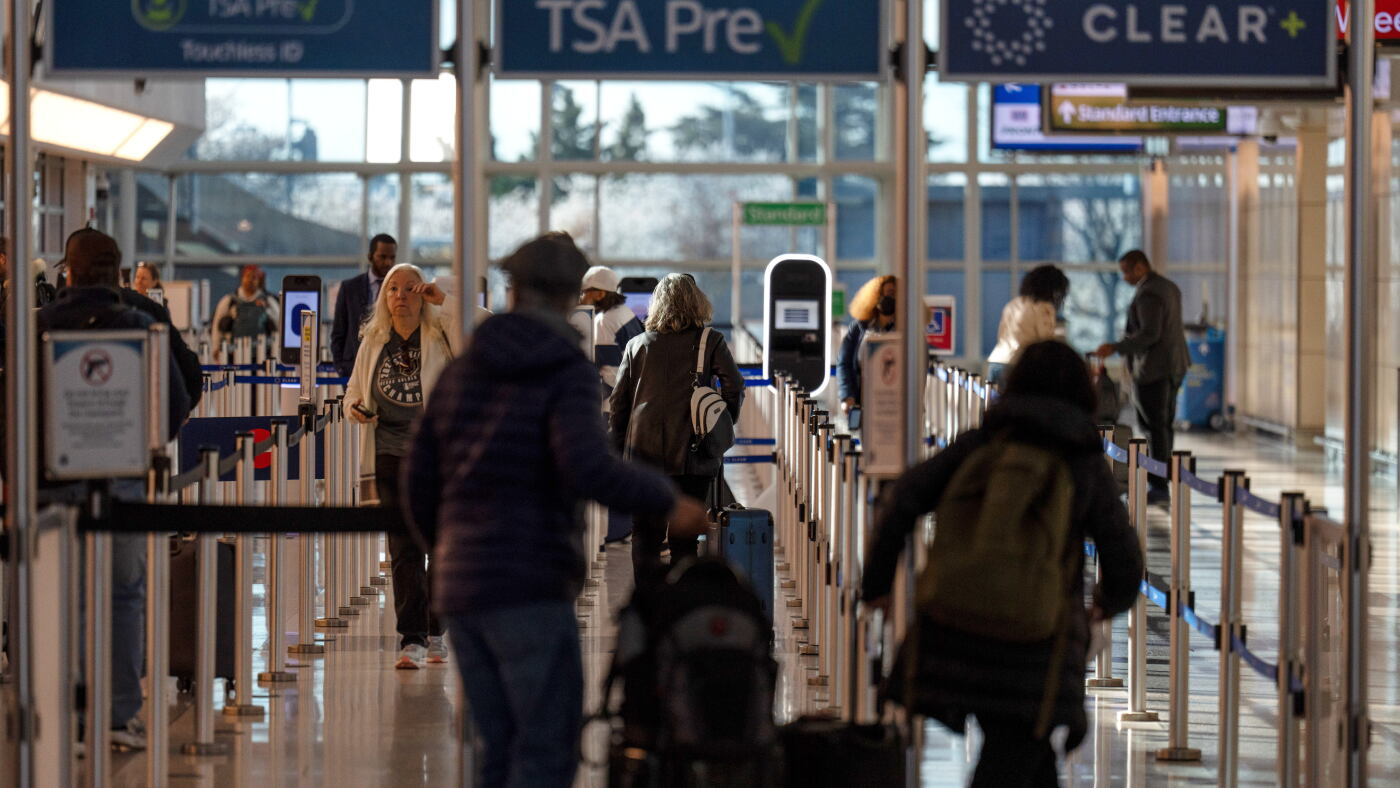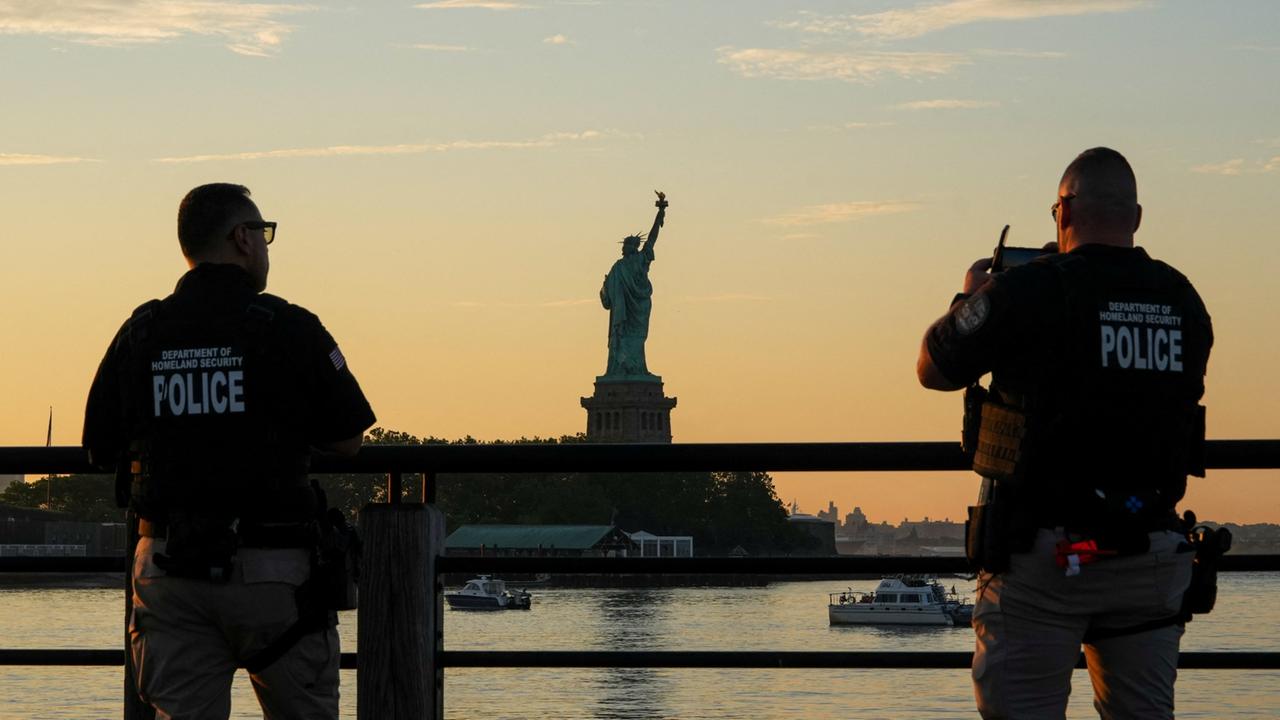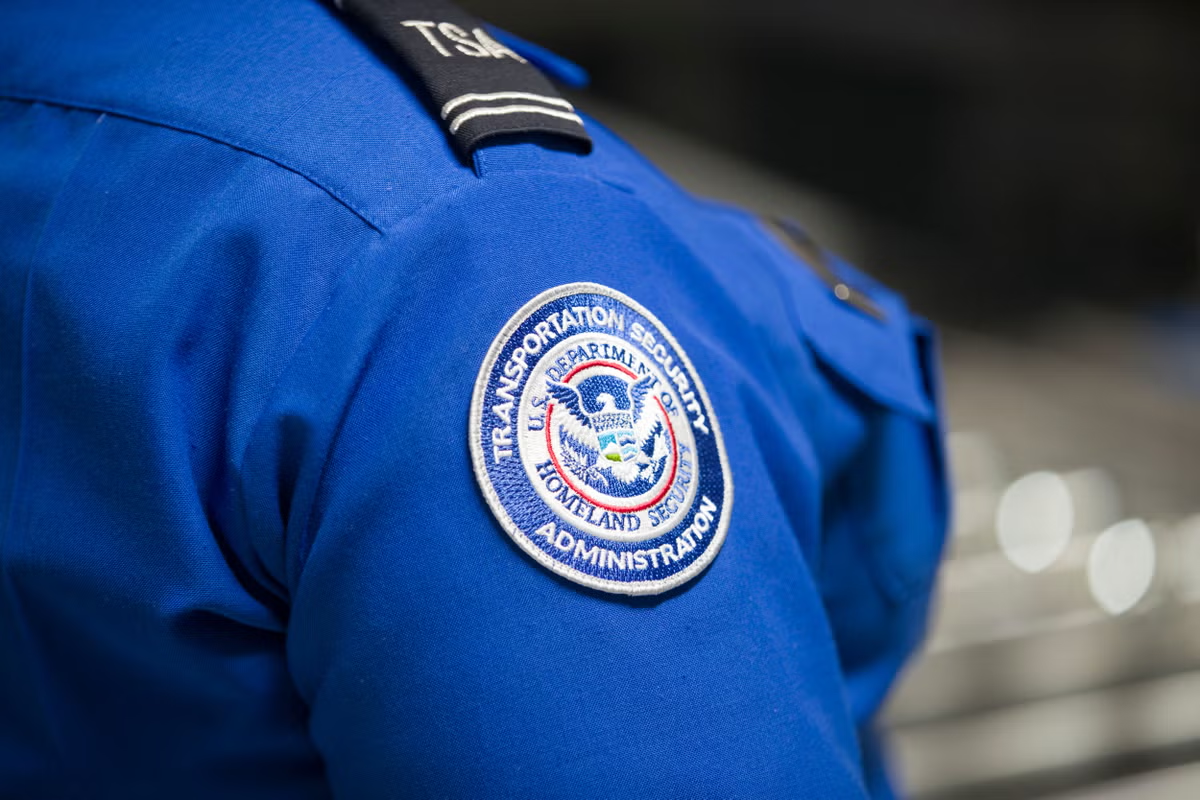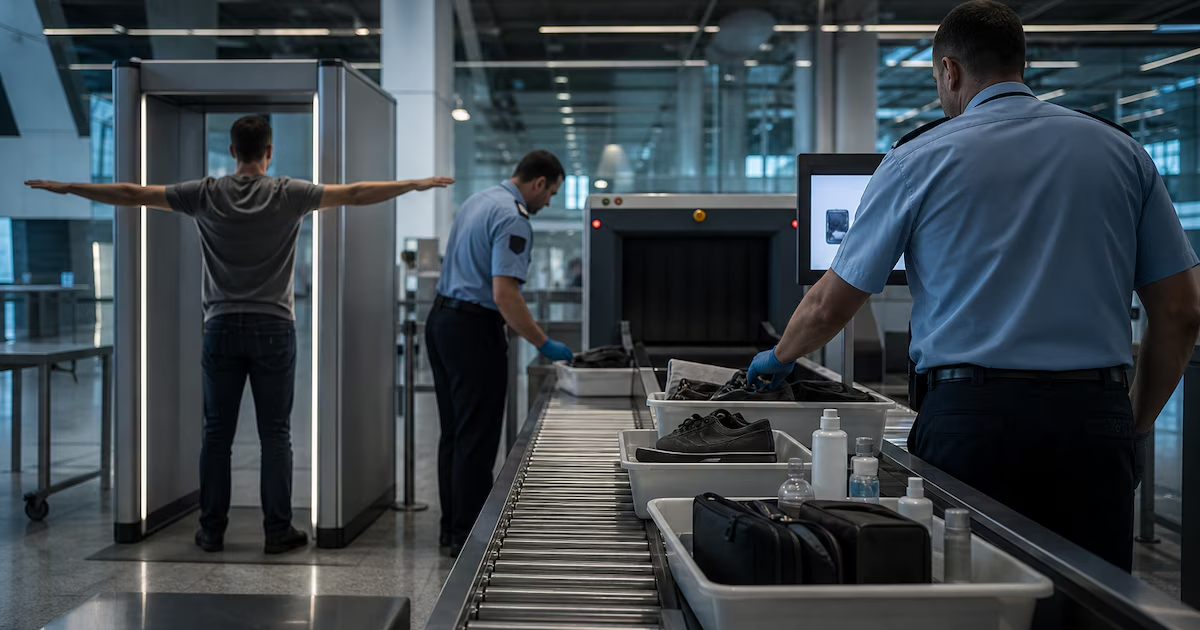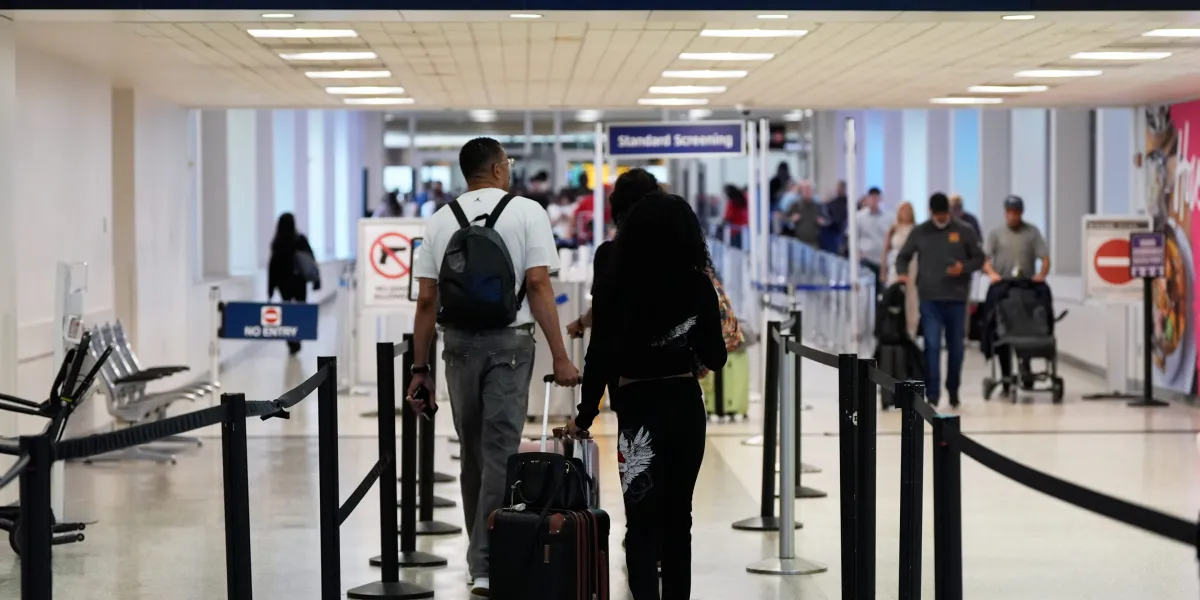
Taking a commercial flight from a U.S. airport generally requires a boarding pass to get anywhere near a gate, security screening controlled by the federal government and careful attention to the contents of carry-on bags.
It wasn’t always this way. Travelers once passed through security checkpoints staffed by private contractors selected by airlines. Full-sized bottles of shampoo and cans of shaving cream didn’t get tossed for exceeding liquid limits. Friends and relatives could accompany departing passengers and exchange goodbye hugs at boarding time.
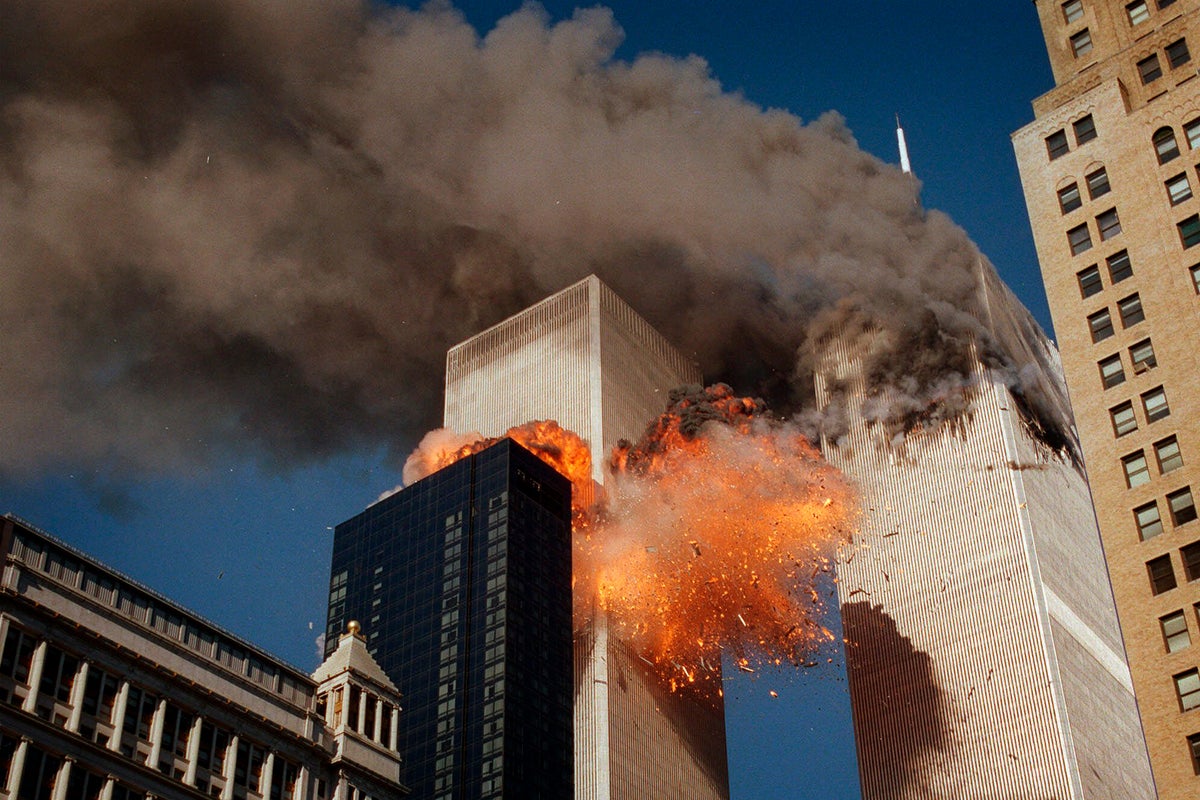
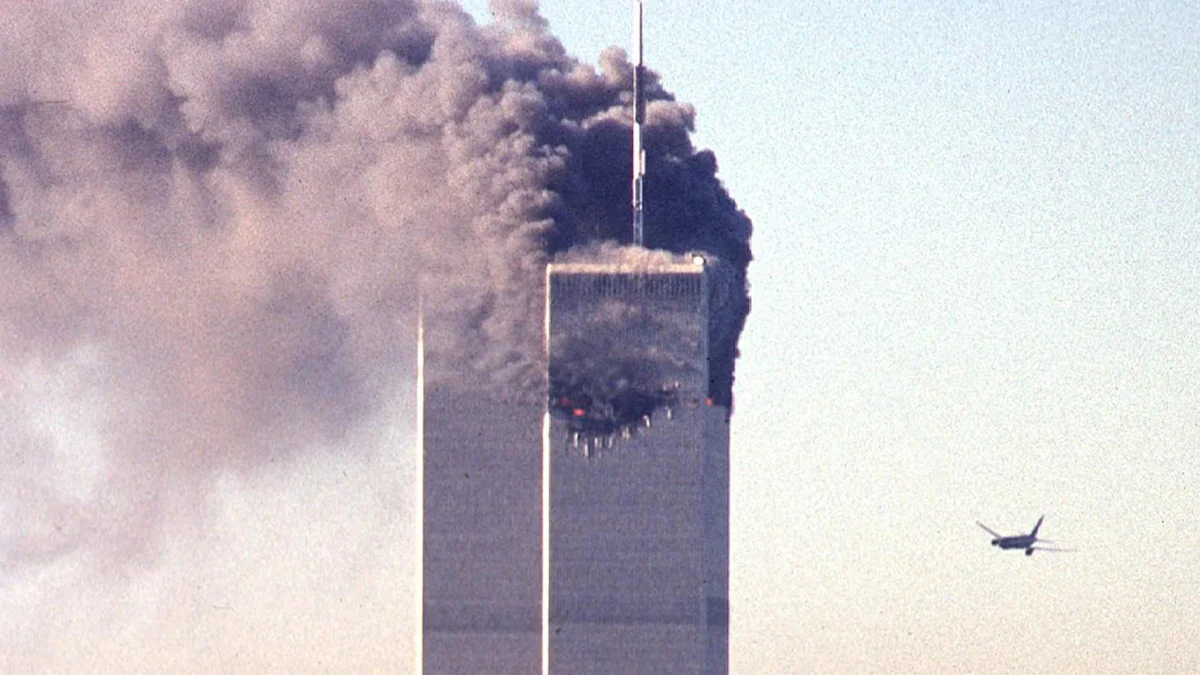
The security system and screening procedures air travelers encounter today were built layer by layer, often after attacks or attempted attacks exposed new vulnerabilities — from bombs hidden in luggage to hijackers who turned airplanes into weapons.
“Attacks on aviation have an impact much greater than attacks on anything else because aviation commands the attention of the world as the thing that links the world,” said Mary Schiavo, an aviation disaster attorney.
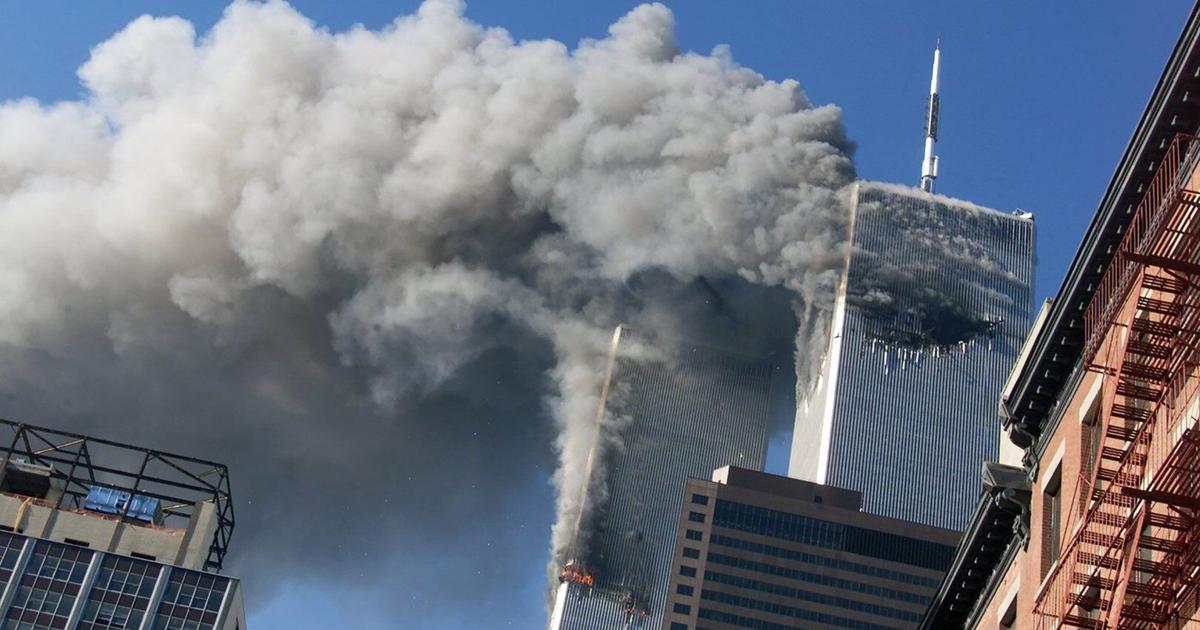
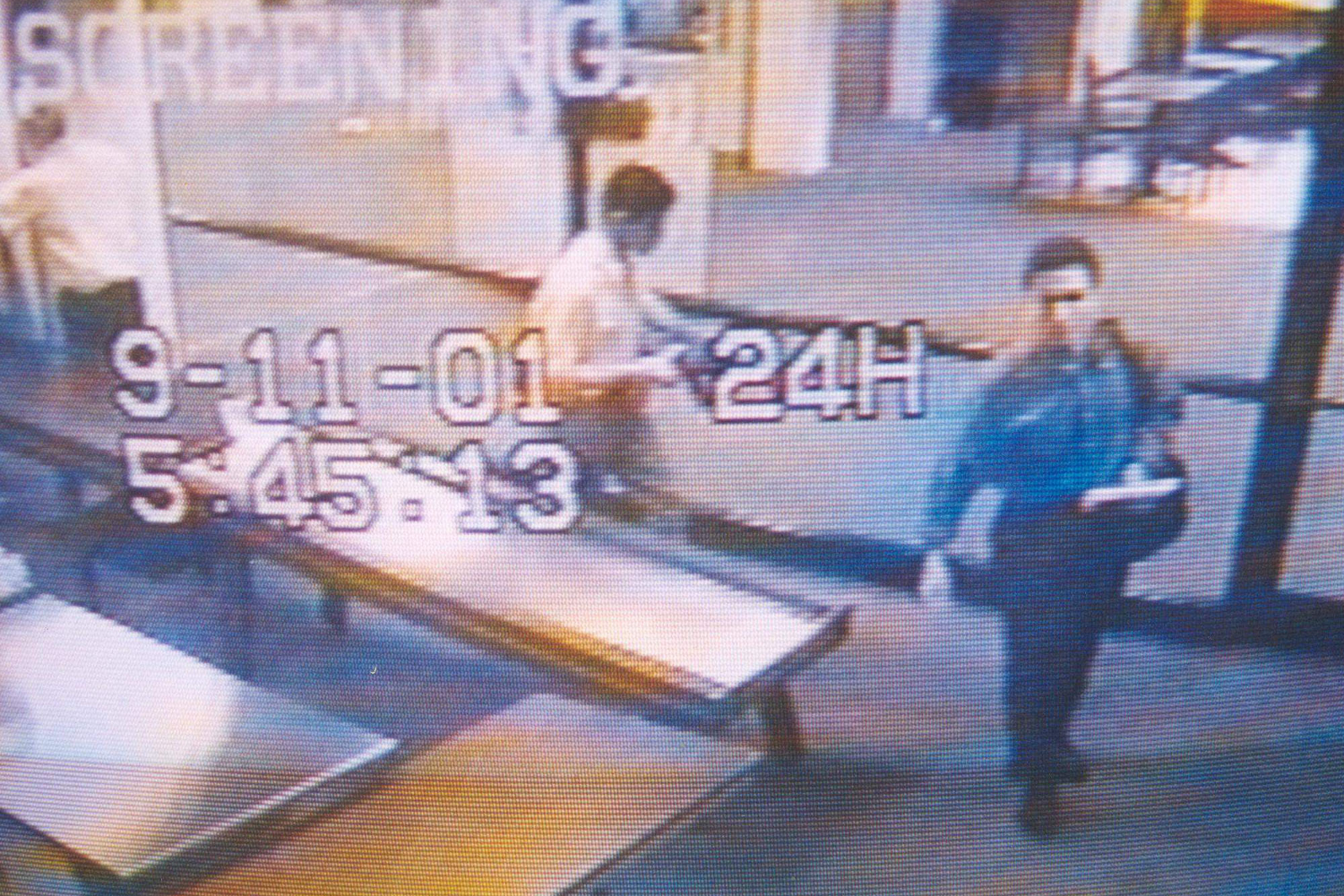
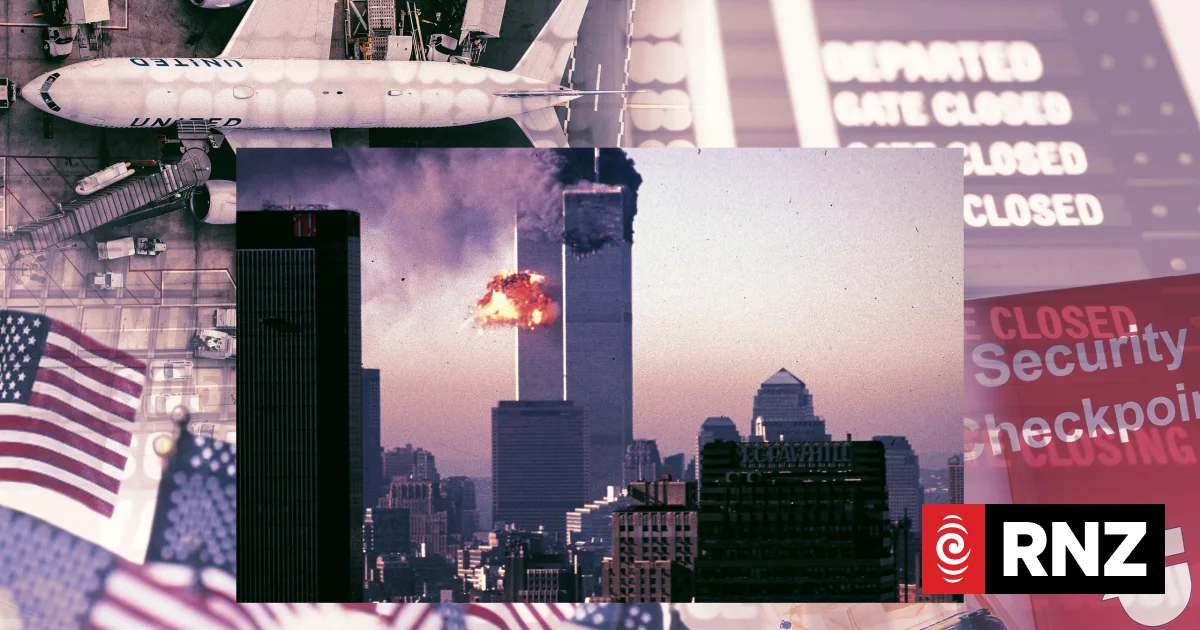
As the 25th anniversary of 9/11 nears, here’s how those attacks, the earlier bombing of Pan Am Flight 103 and subsequent plots shaped airline and airport security.