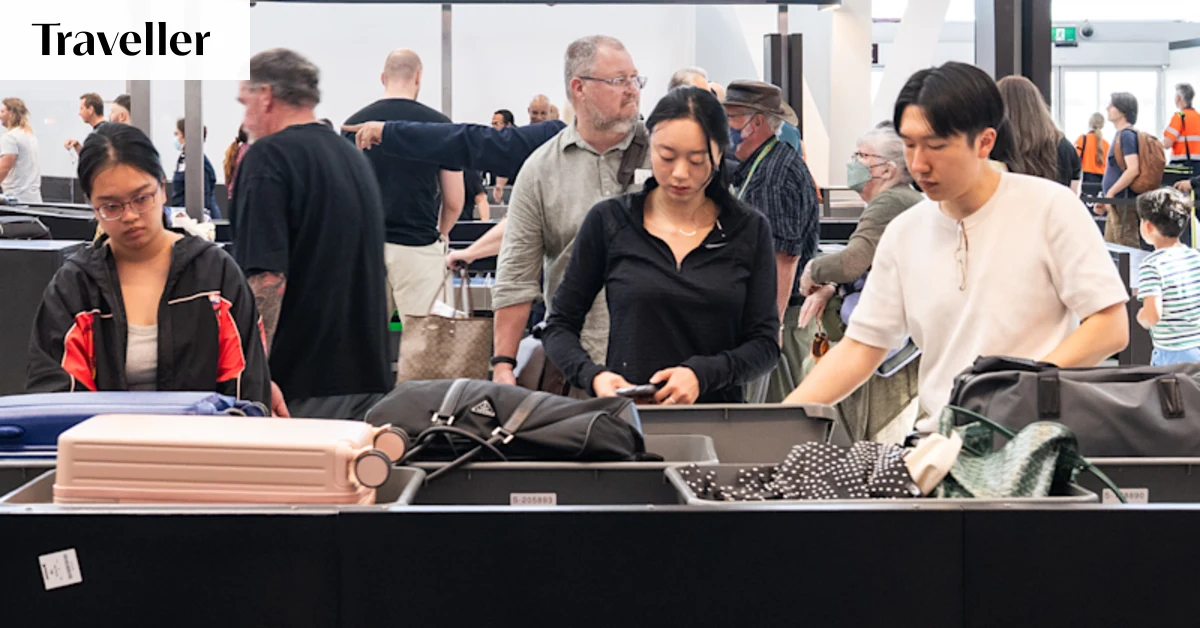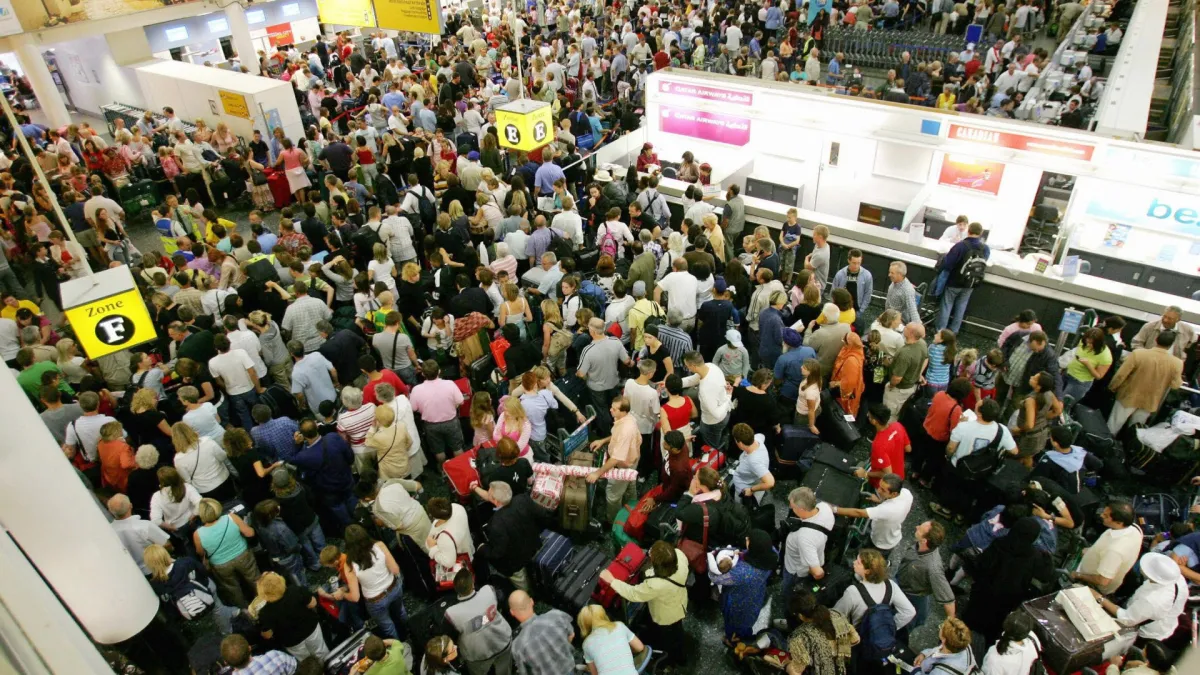
On 10 August 2006, holidaymakers arrived at British airports to find thousands of flights cancelled and security checks in chaos.
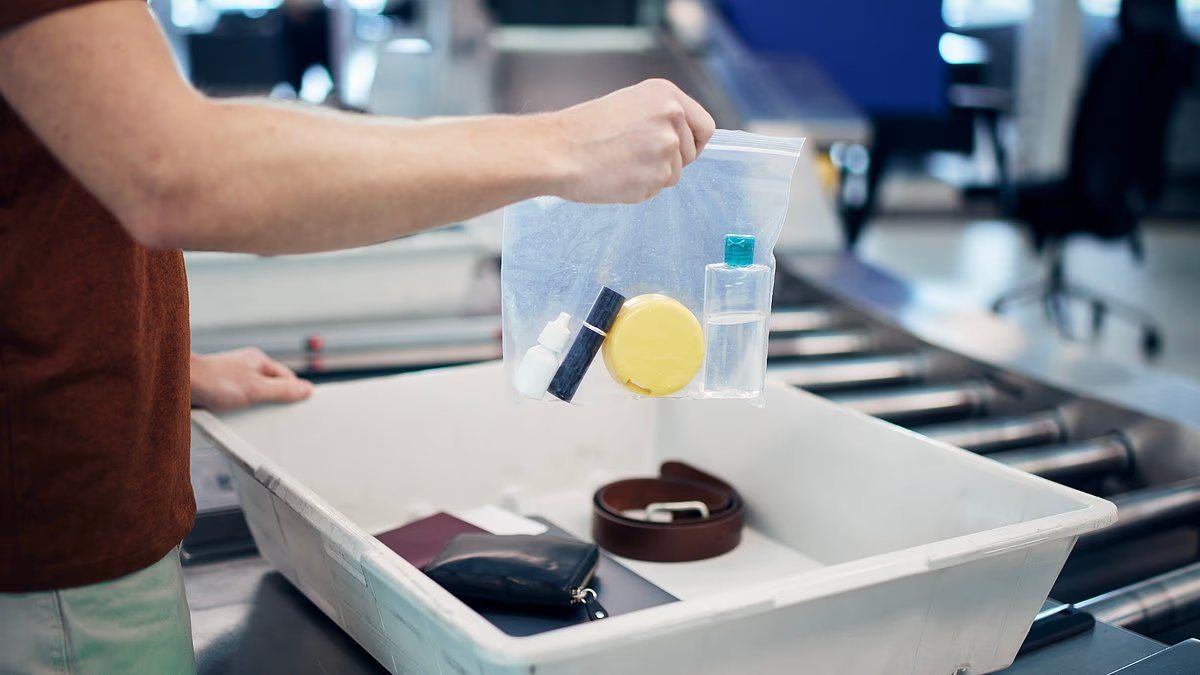
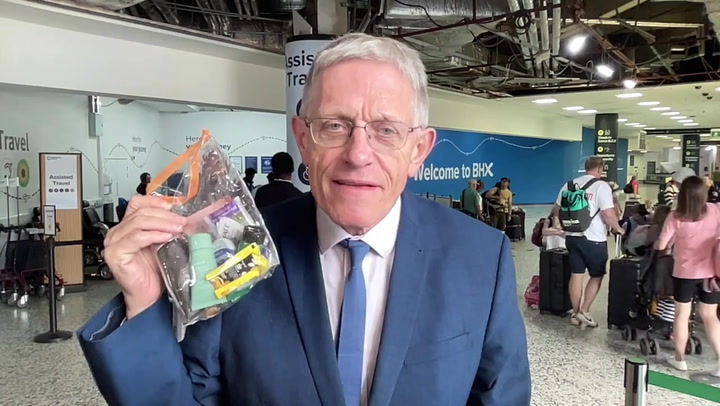
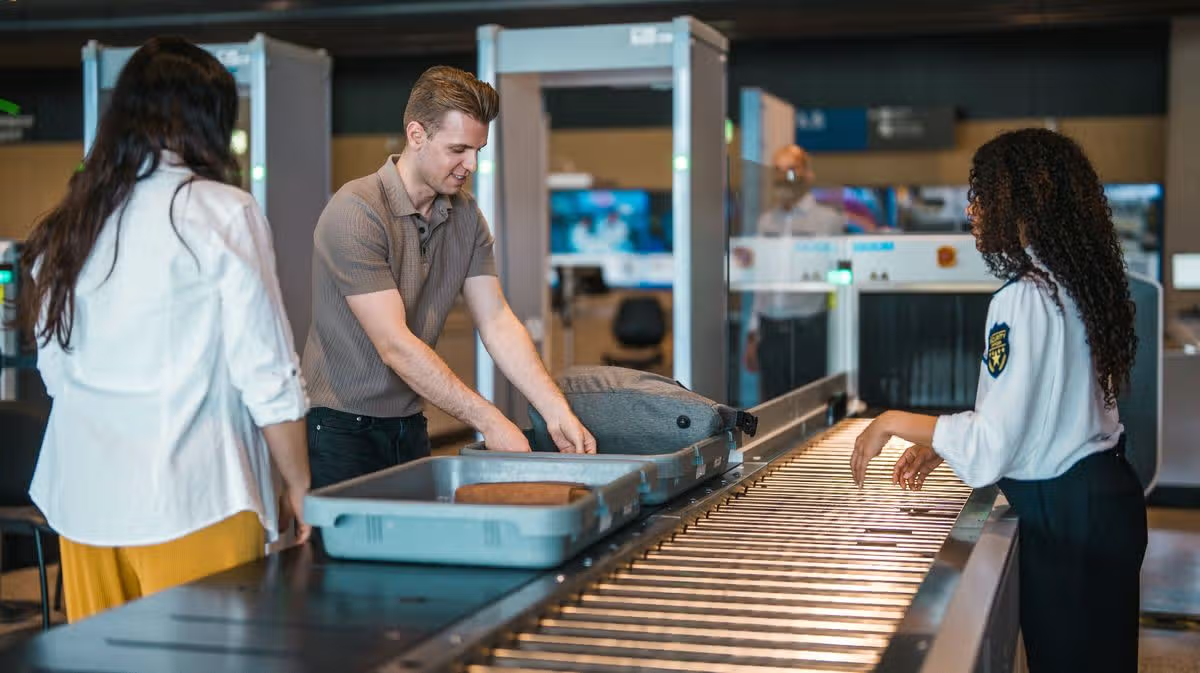
New rules imposed with immediate effect required all hand baggage to be taken into aircraft holds and air passengers to carry nothing apart from transparent bags containing essentials like their passports and wallets.
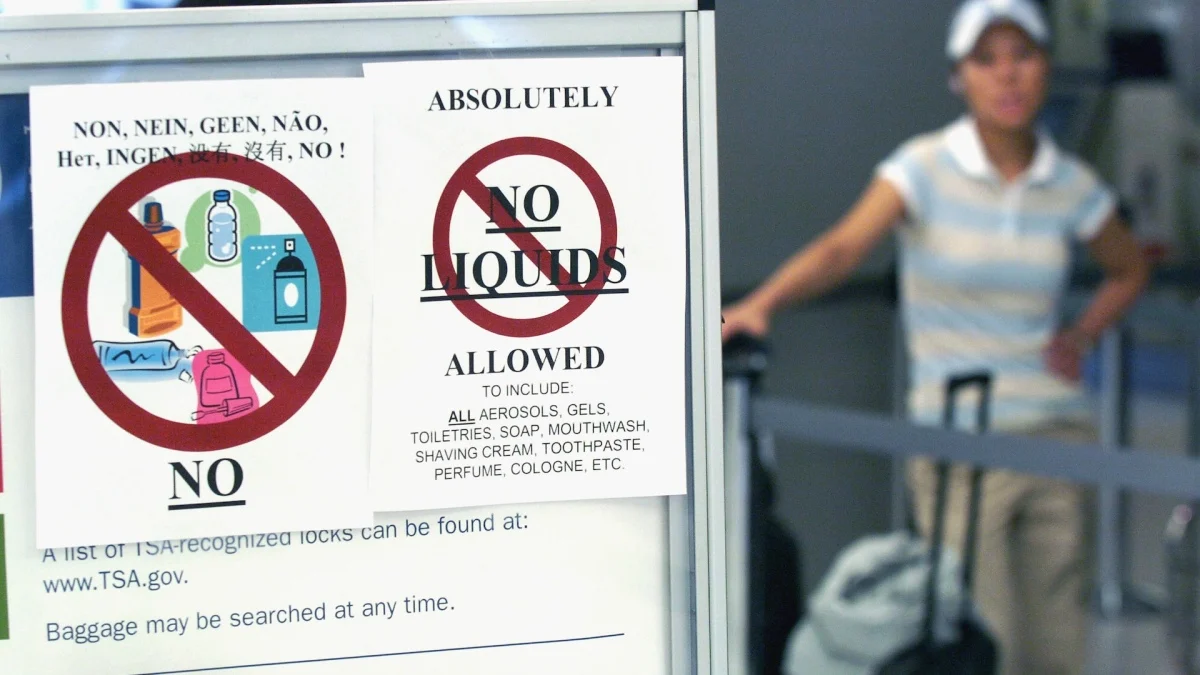
Liquids, apart from verified baby milk and prescription medicines, were banned. The disruption caused at Heathrow Airport was so extreme that British Red Cross volunteers were deployed to assist thousands of stranded travellers.
The upheaval was the consequence of a terror plot to take down multiple transatlantic flights using liquid explosives disguised as soft drinks, and detonated using adapted disposable cameras.
But two decades later, its impact is still being felt on global air travel as airports struggle to bring in new technology designed to ensure a similar attack cannot be attempted again.