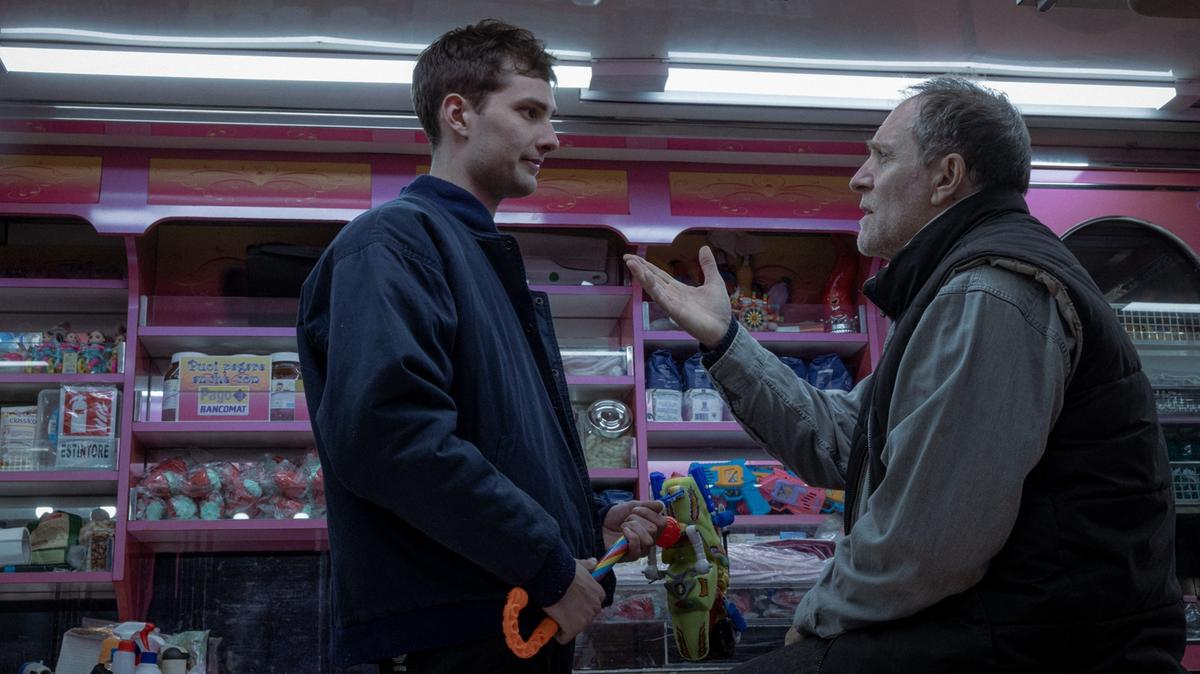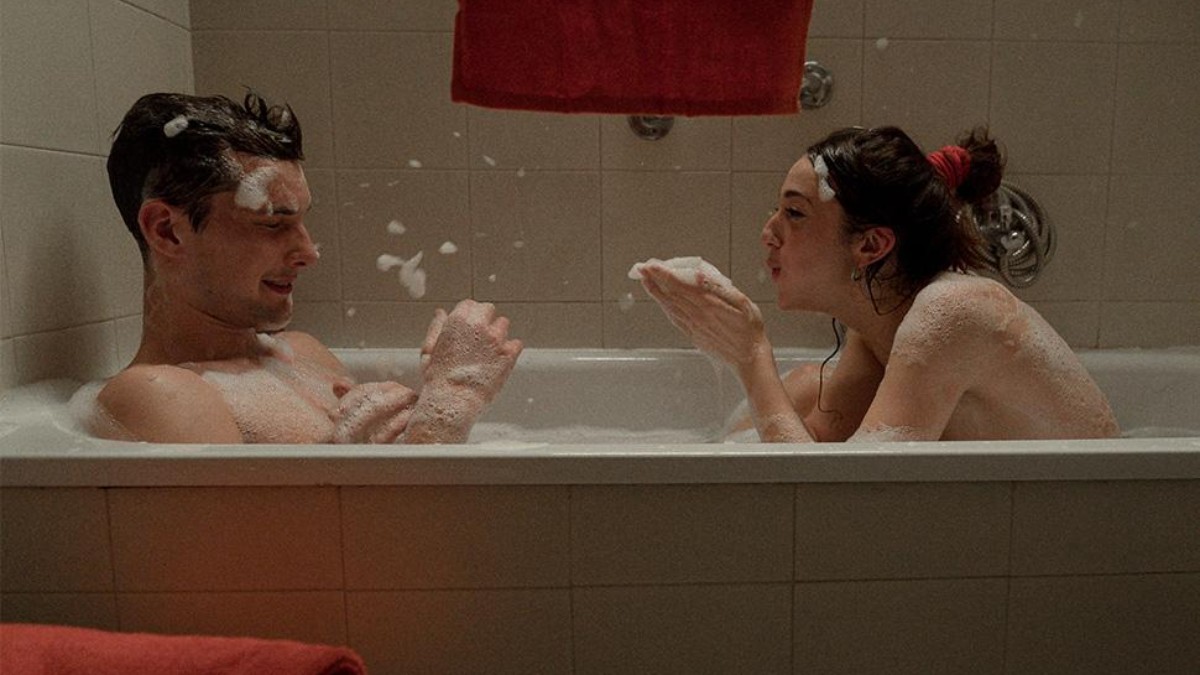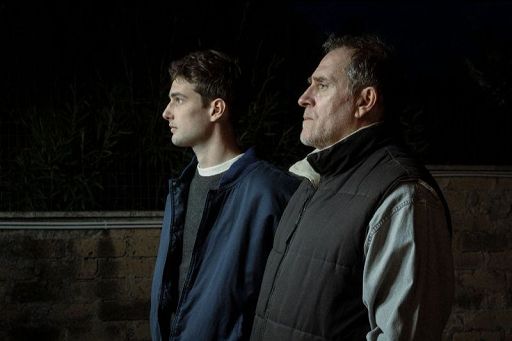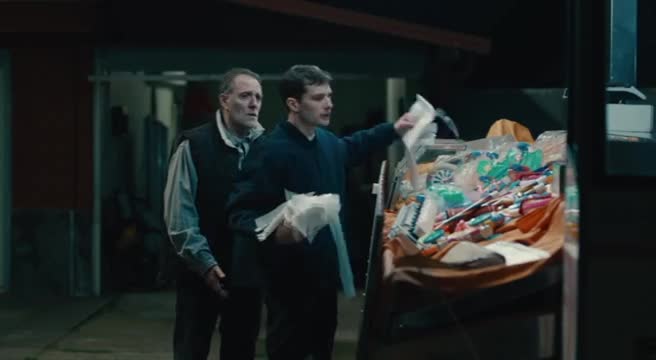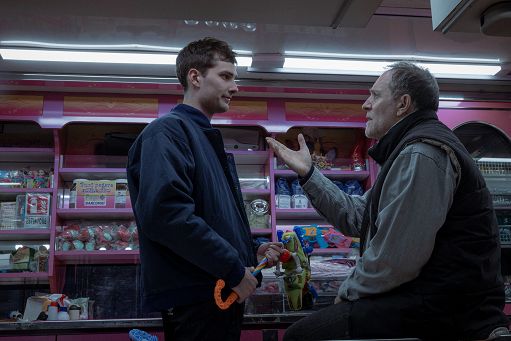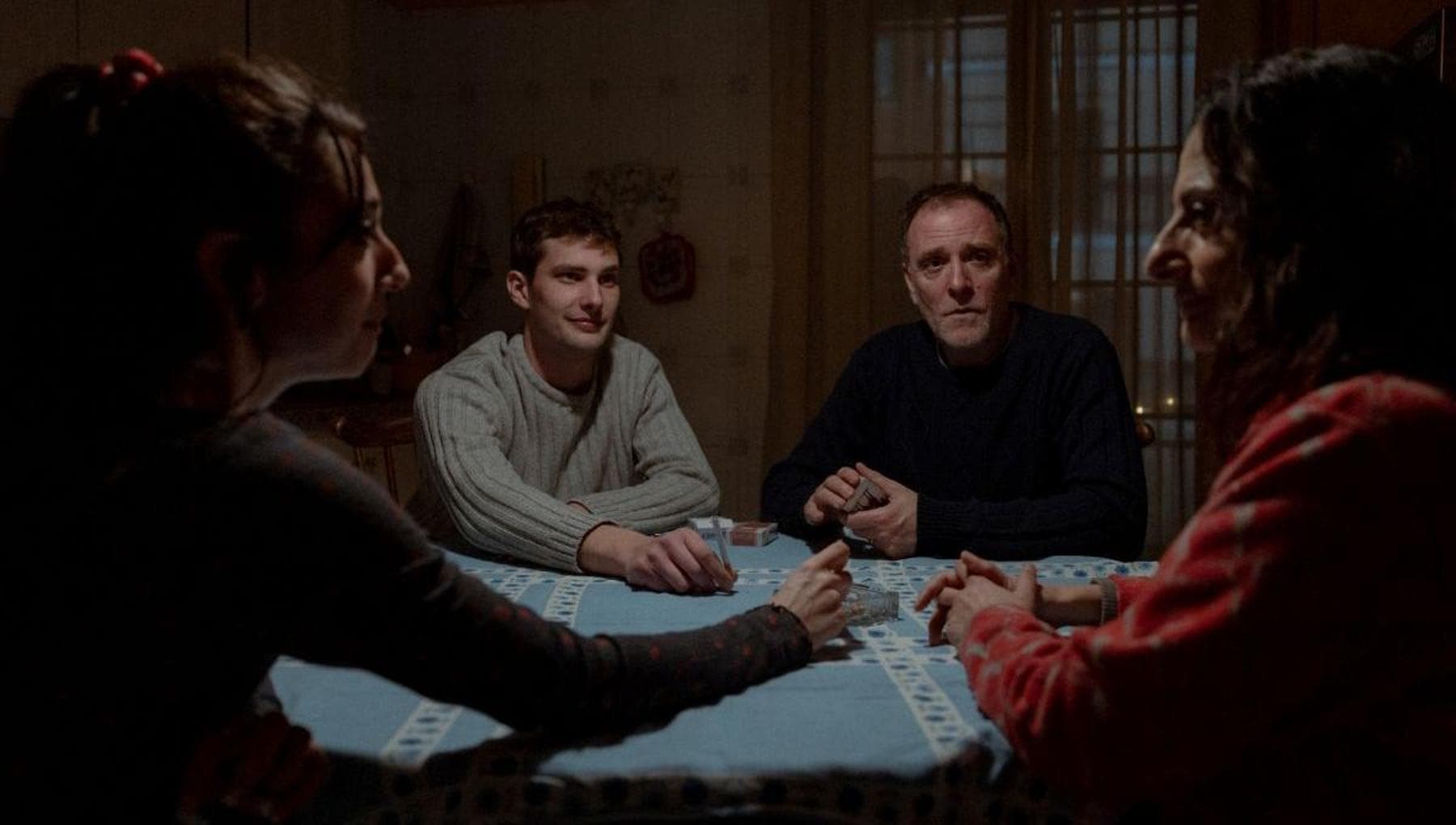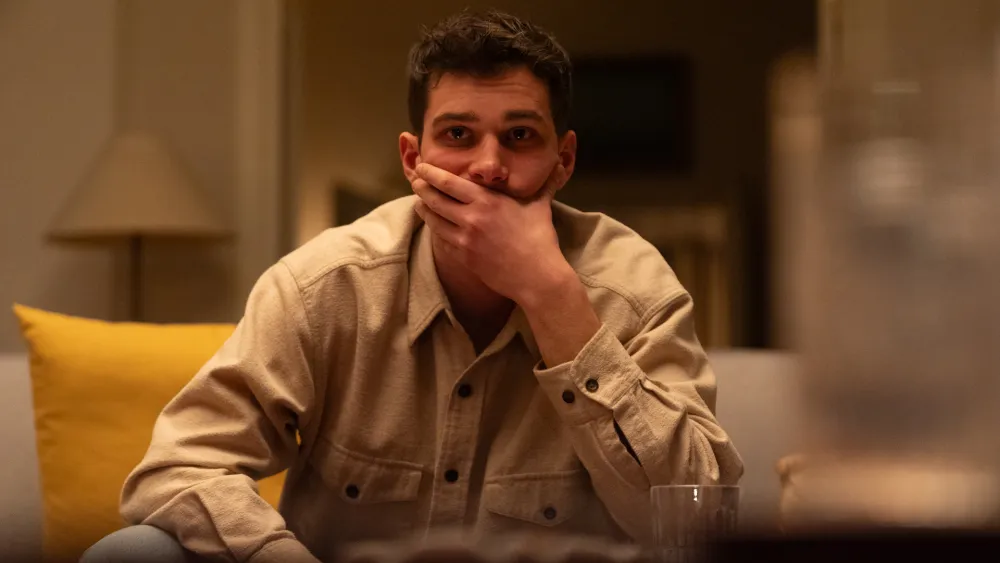
Does a filmmaker have a responsibility towards marginalized communities? It’s an irreconcilable debate given the unbridgeable chasm between the two sides: Is the onus on the artist, or the audience? Edoardo Gabbriellini’s “The City of the Living” is a beautiful, heartrending film that sensitively builds a multifaceted character as real as any you’ll see, his flaws reinforcing rather than deflecting from the sympathy we feel for him, his girlfriend and his parents. Of course it’s impossible to imbue every role with the same three-dimensionality, yet there’s a problem when the most vile people imaginable become reduced to just two things: psychopathic behavior, and queerness.
Most Italians already know what’s coming. Luca Varani, 23, was a working-class regular Roman Joe forging his own way in life when he was sadistically murdered 10 years ago by a couple of drugged-up gay men whose brutality was so shocking that Gabbriellini thankfully condenses the horror, only hinting at the bloody carnage left behind. On the surface, the gay angle isn’t a problem — only a fool would suggest there’s any difference between a gay or straight psychopath, and this was a real event after all, loosely based on a true crime novel by Nicola Lagioia. But for those concerned about the paucity of positive gay representation in Italian media, and the vastly underreported levels of homophobic aggression throughout the country, it’s impossible not to feel frustrated that the only attribute accorded the murderers is their sexuality. For a film as perceptive as this one, so attuned to its protagonists, this blind spot feels disheartening precisely because we feel so emotionally invested in Luca’s well-being.