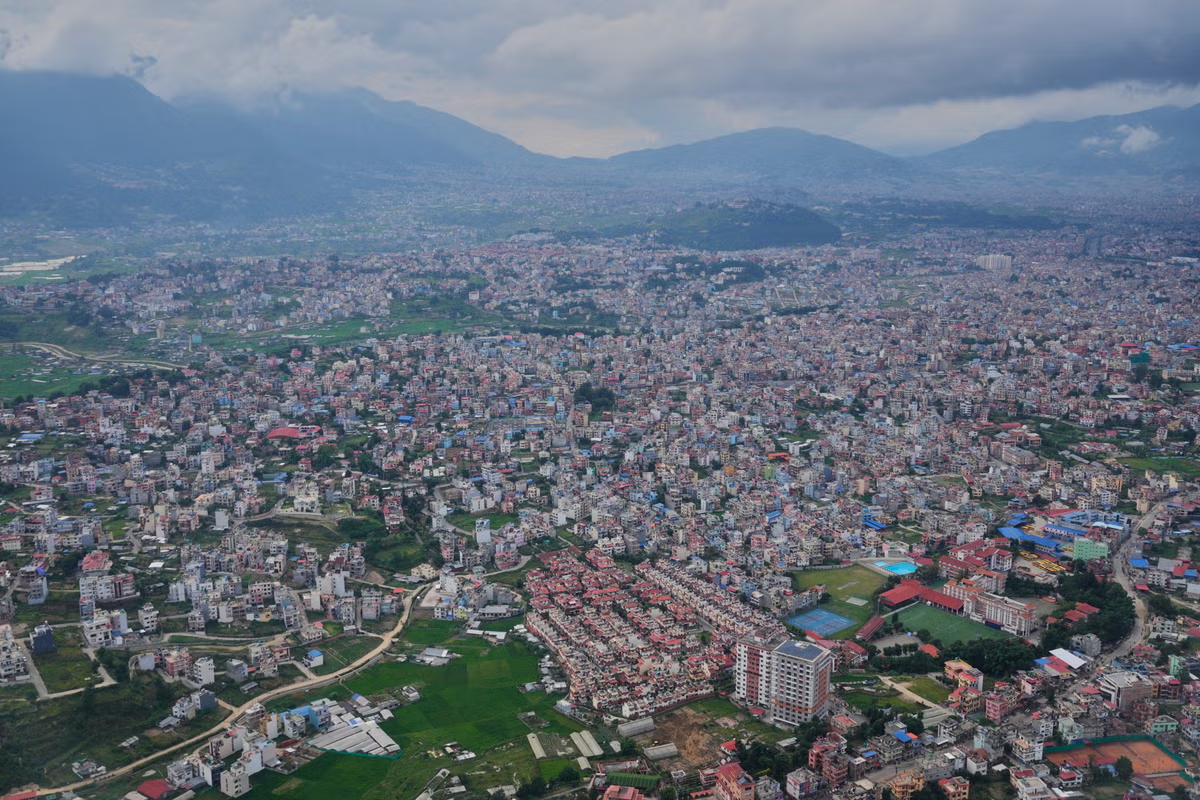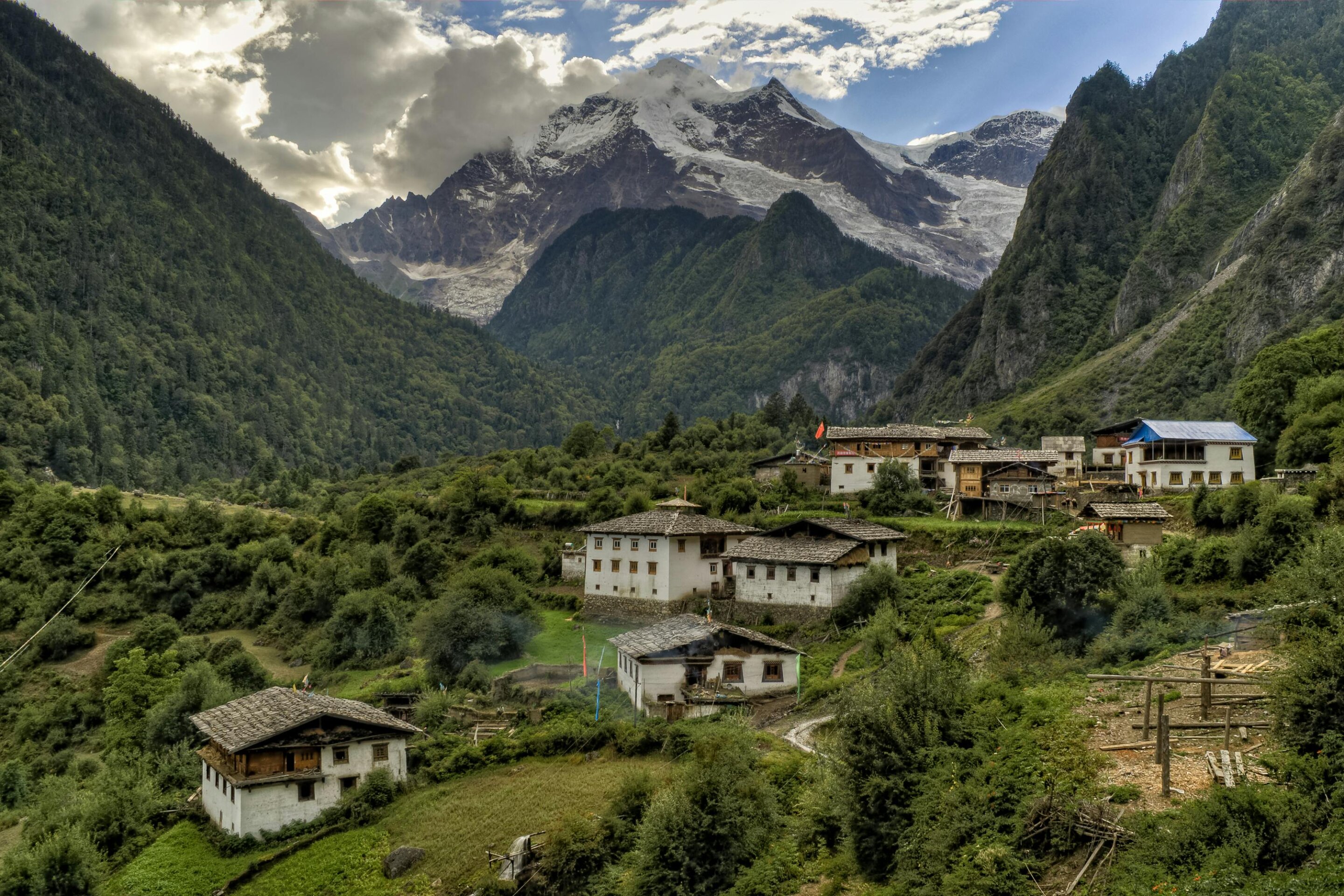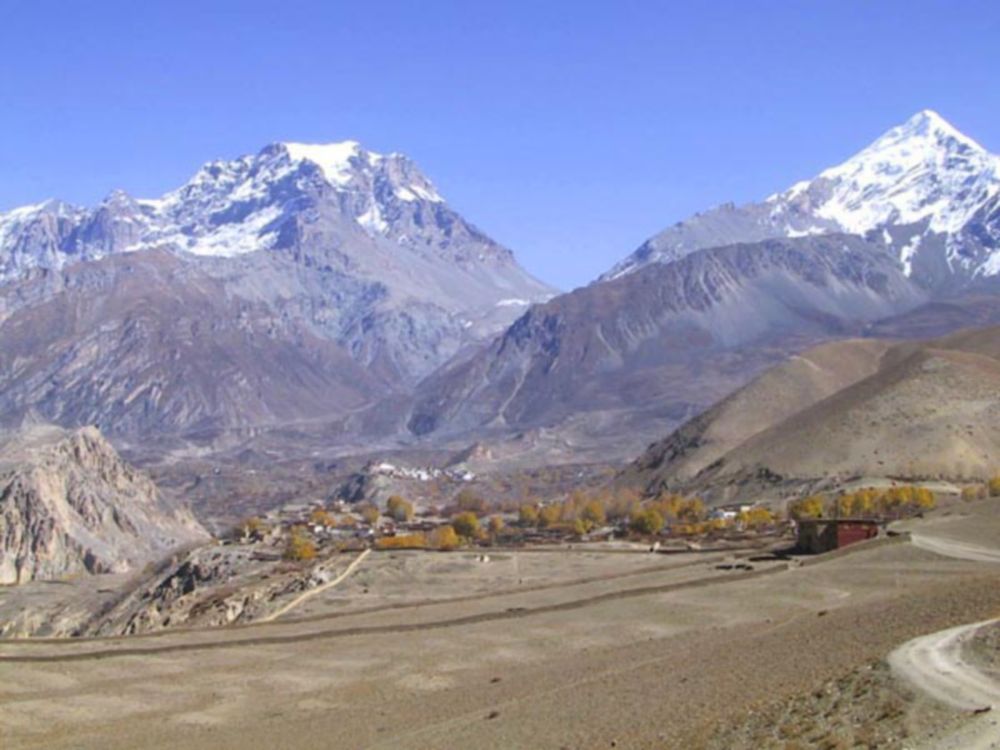
The land of Everest, Nepal is without doubt best known and visited mostly for its dramatic and spectacular mountains. Rightly so; 8 of the 10 highest mountains in the world are in Nepal, and all of these have peaks over 8000 meters
Dan Murtaugh, Laura Millan, Lili Pike and Azman Usmani
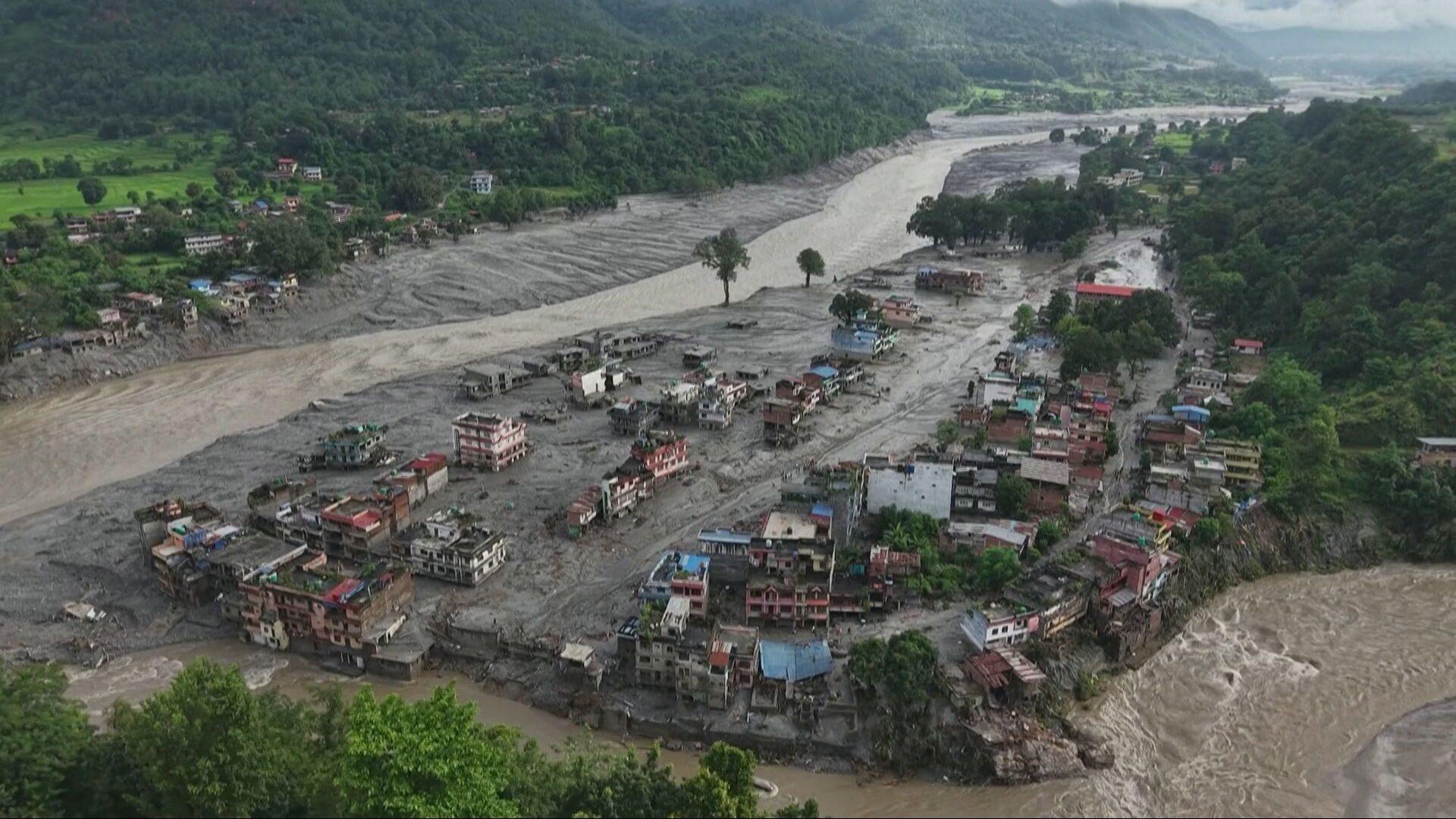
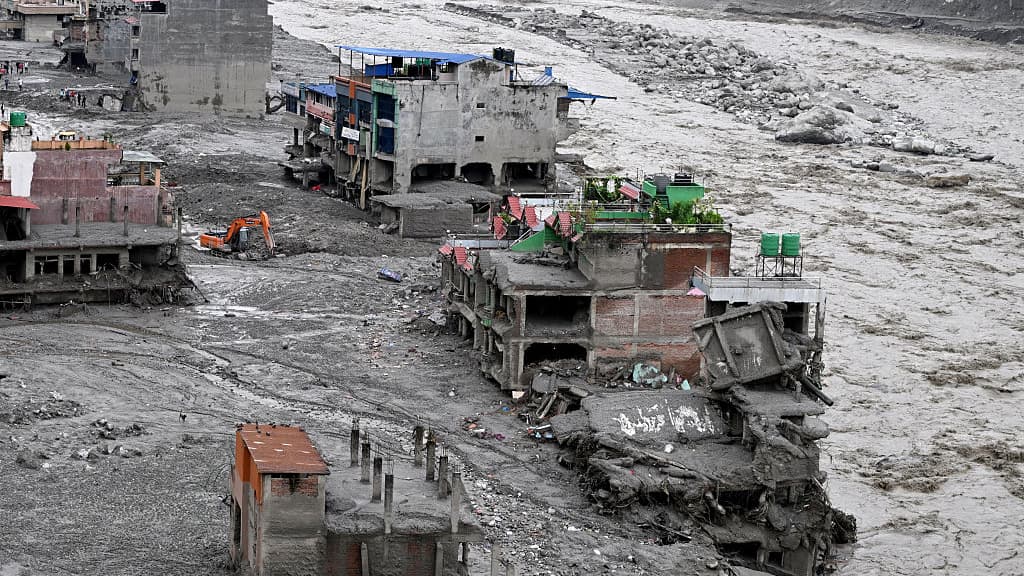
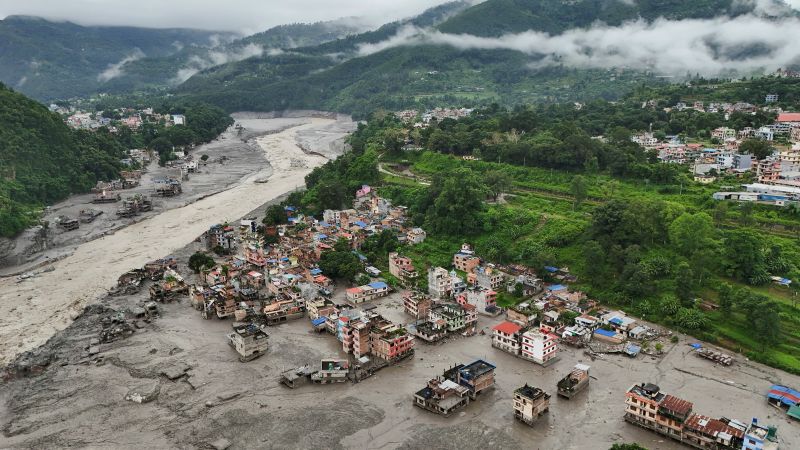
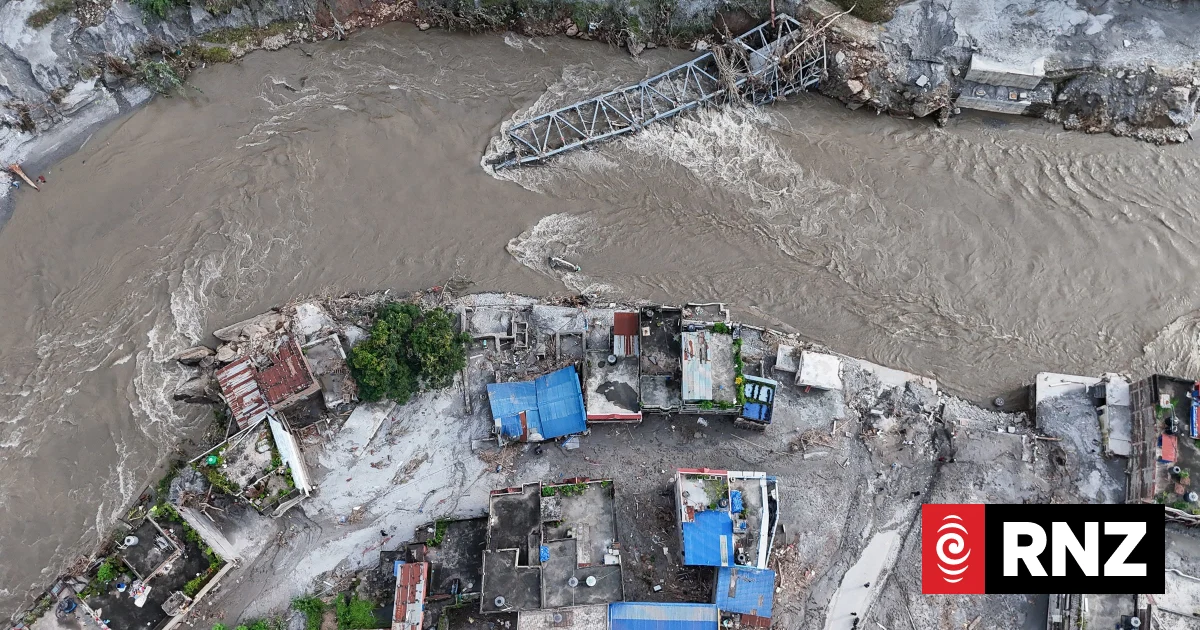
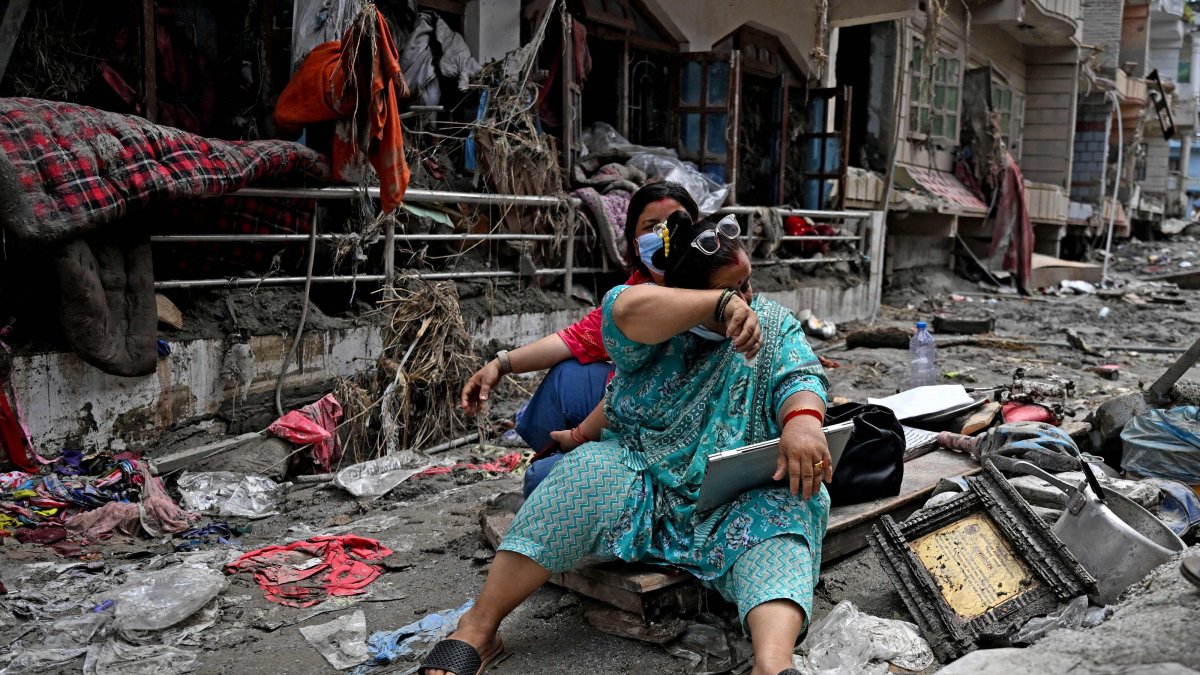
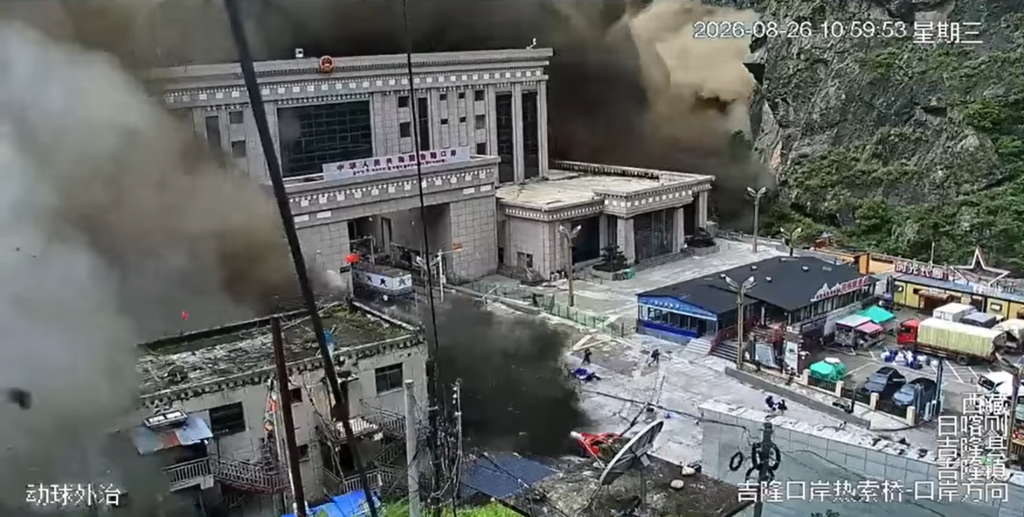
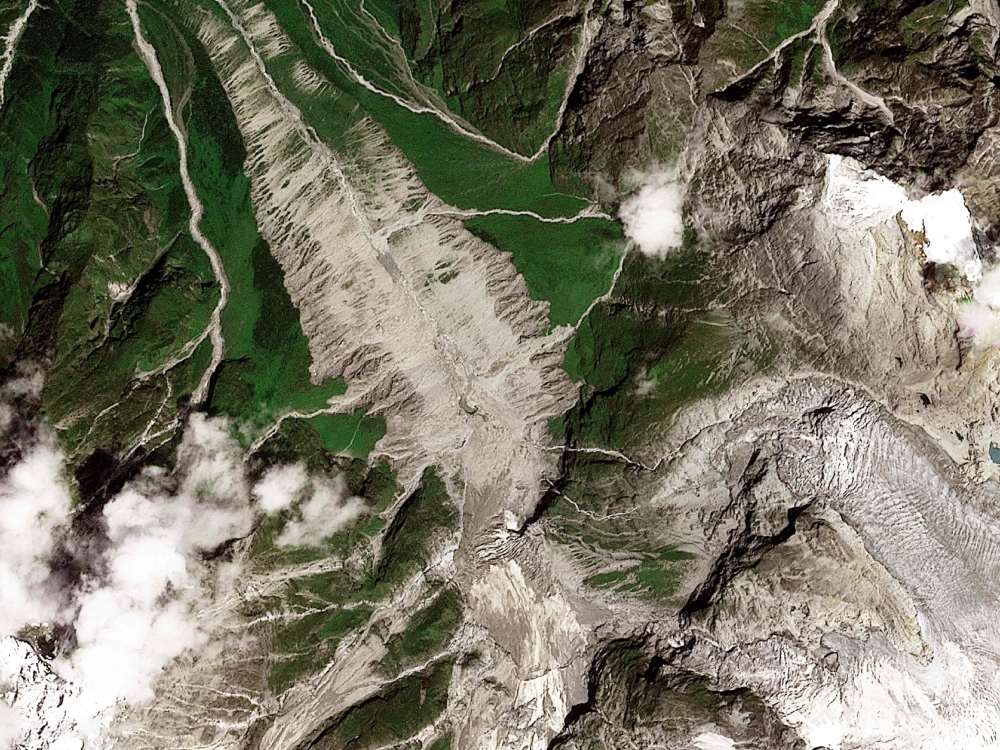
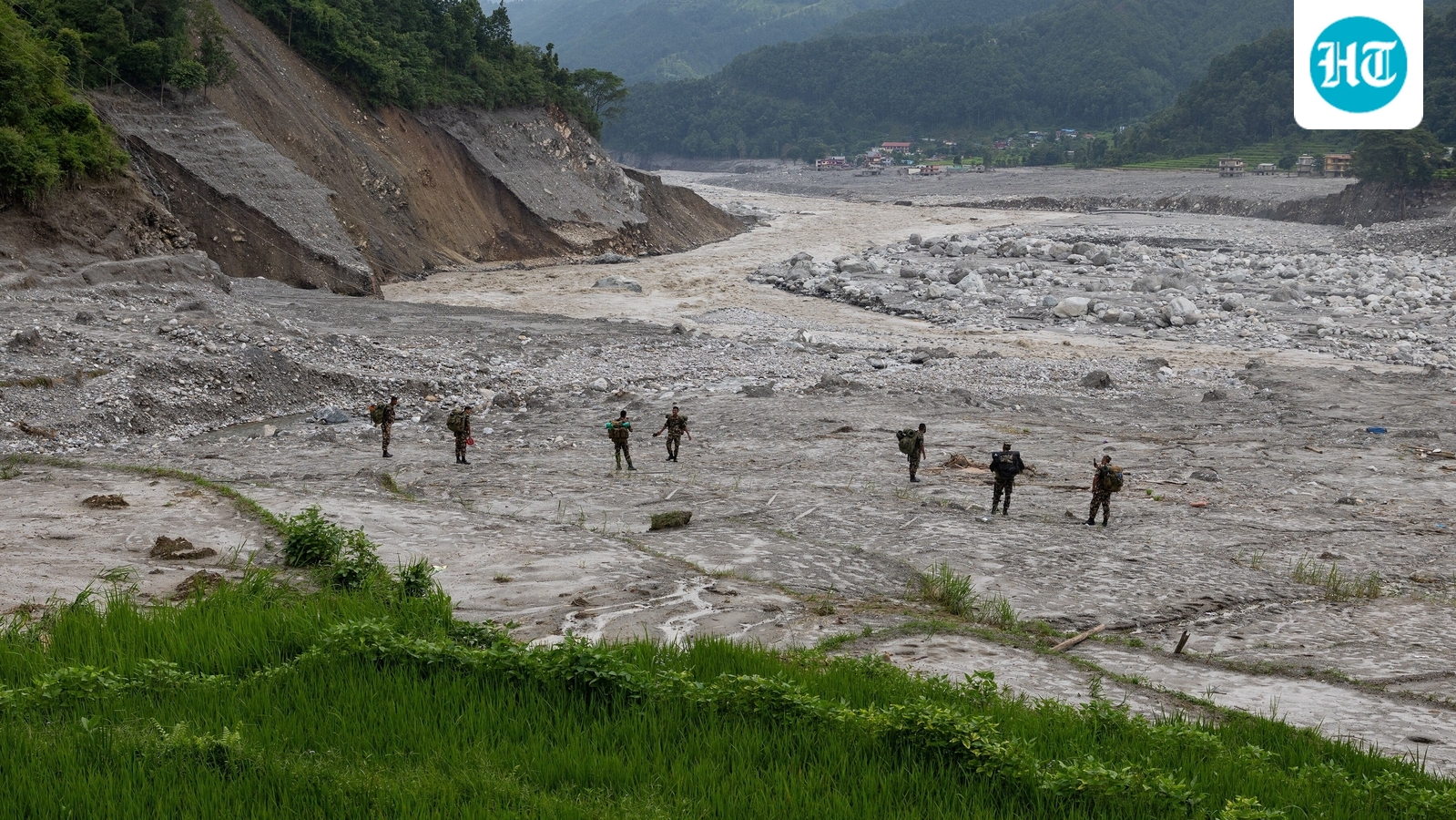
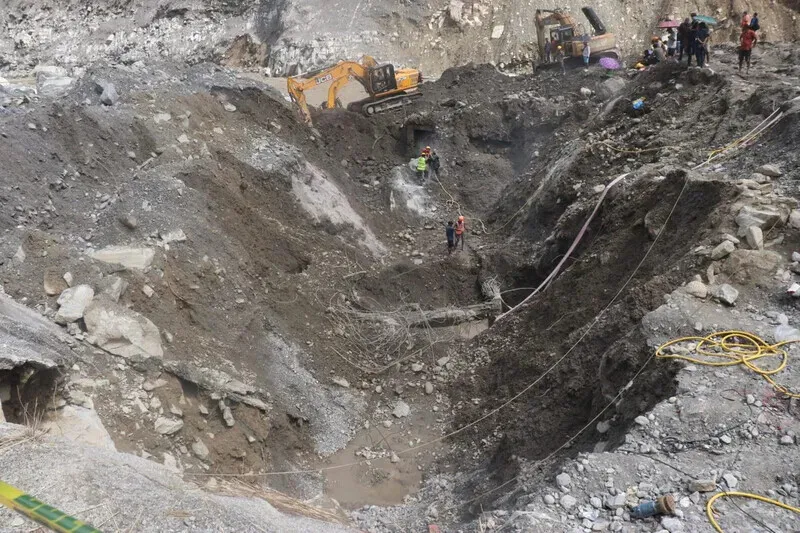
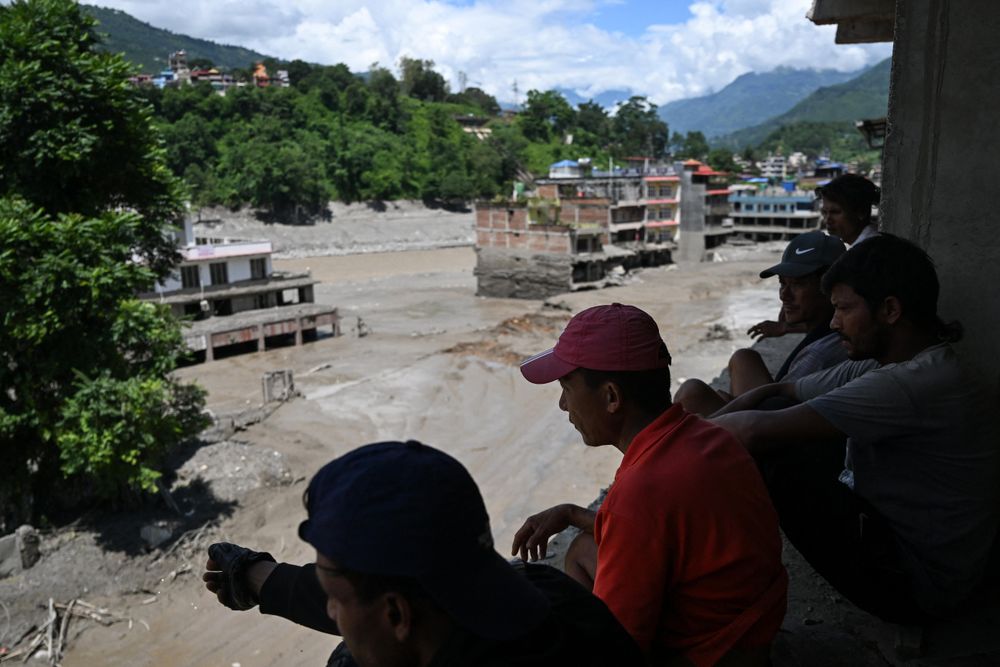
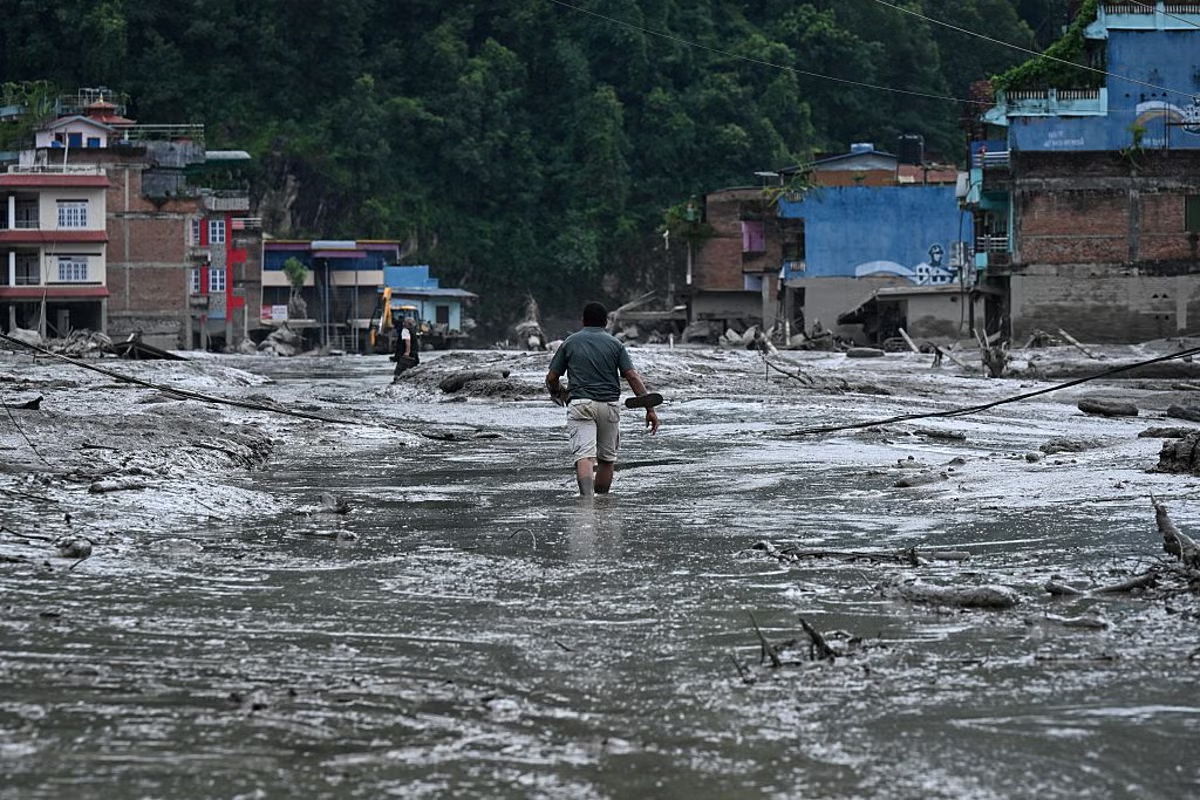
The devastating deluge that swept through the mountain valleys on the border between Nepal and Tibet in China is a potent reminder of a growing green-energy risk in one of the world’s most hazard-prone areas.
Hydropower dams high in the Himalayas seem to be a ready solution for an energy-starved region. Governments see mountain rivers as an answer to rising electricity demand, fossil-fuel dependence and economic underdevelopment. But a changing climate is bringing with it unstable glaciers and unpredictable rain, creating new risks for existing projects and raising the potential cost of those that are still on the drawing board.
“Hydropower is very important for climate change adaptation and the energy transition,” said Holger Frey, a researcher leading a group studying hazards and risks in mountains at the University of Zürich. “This is a dilemma for countries investing in renewables and hydro, and at the same time having to deal with the consequences of climate change.”