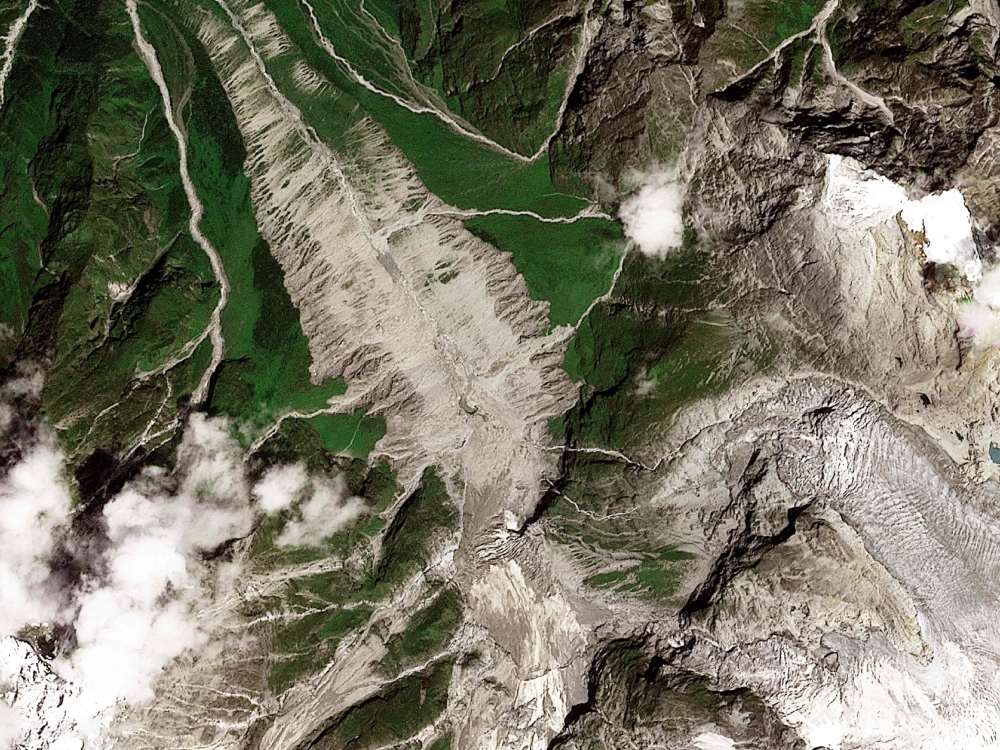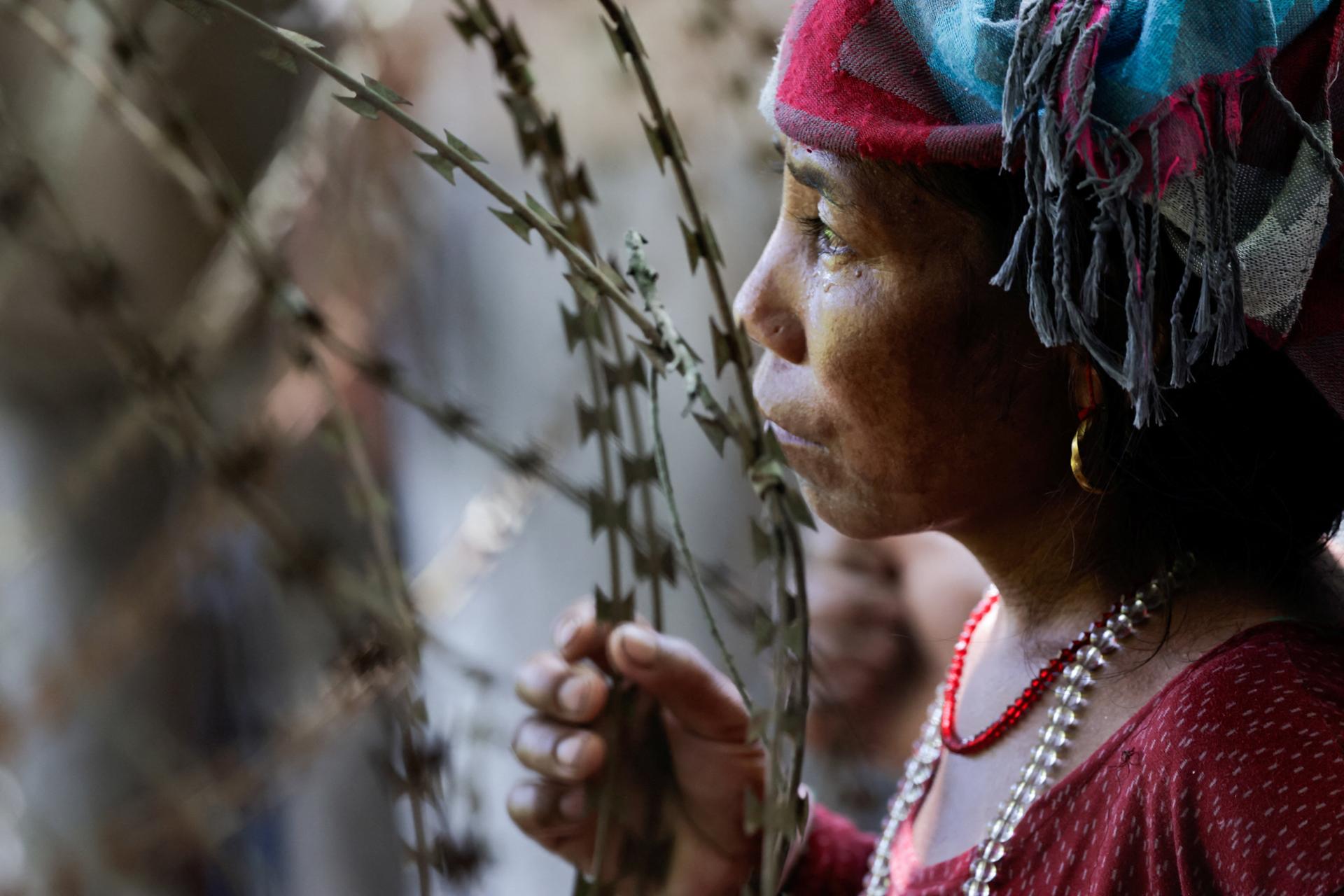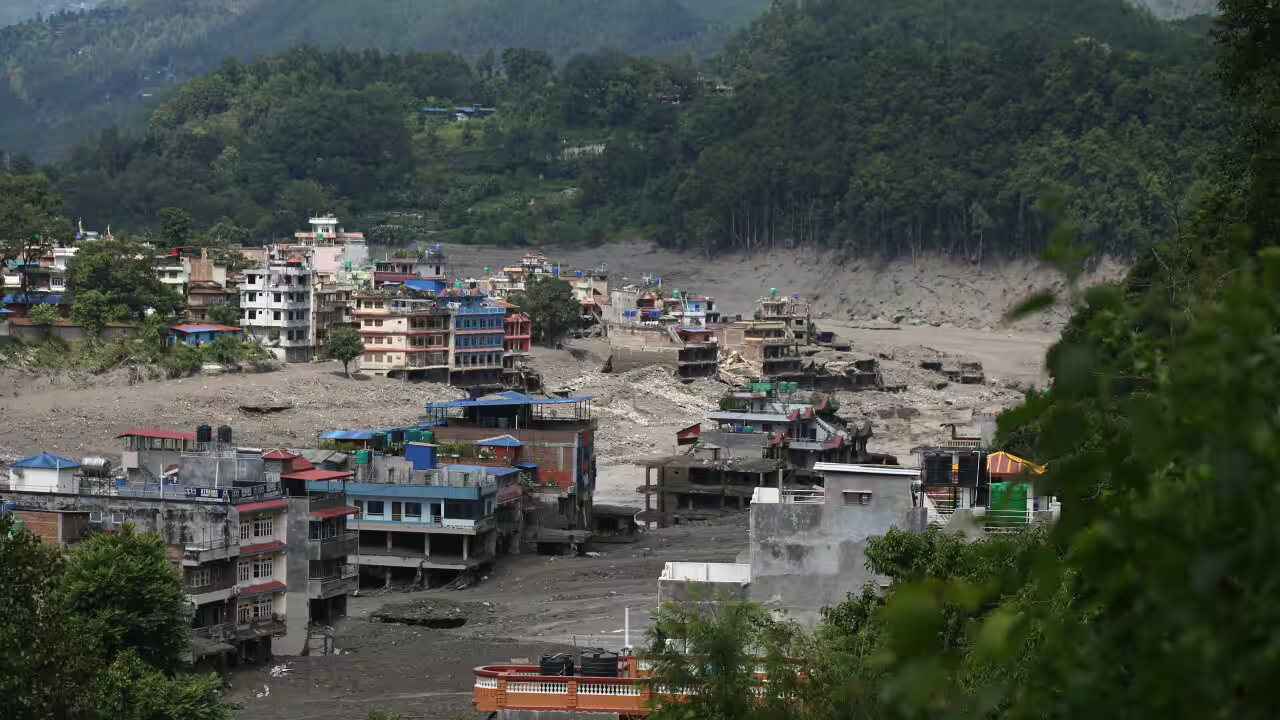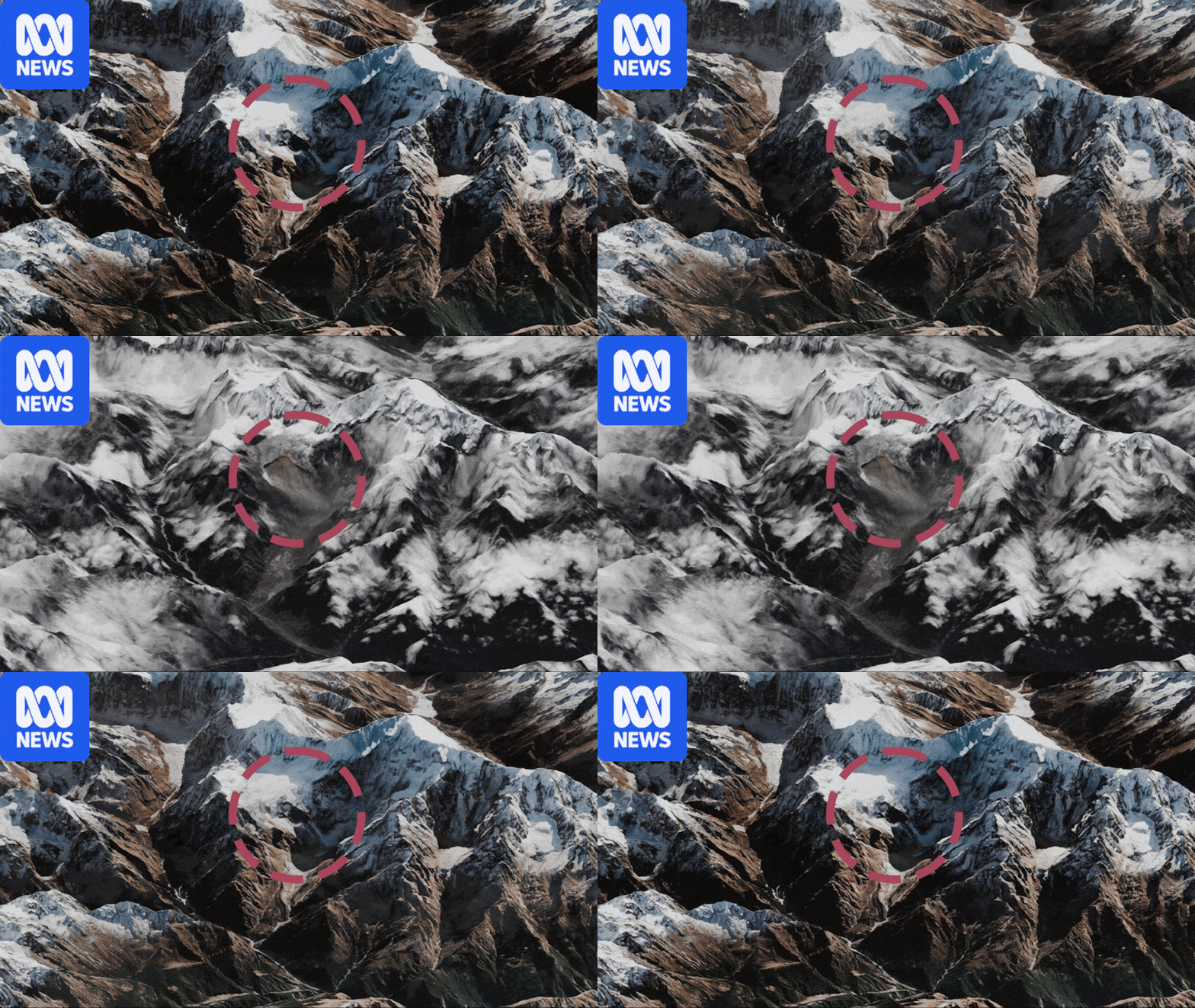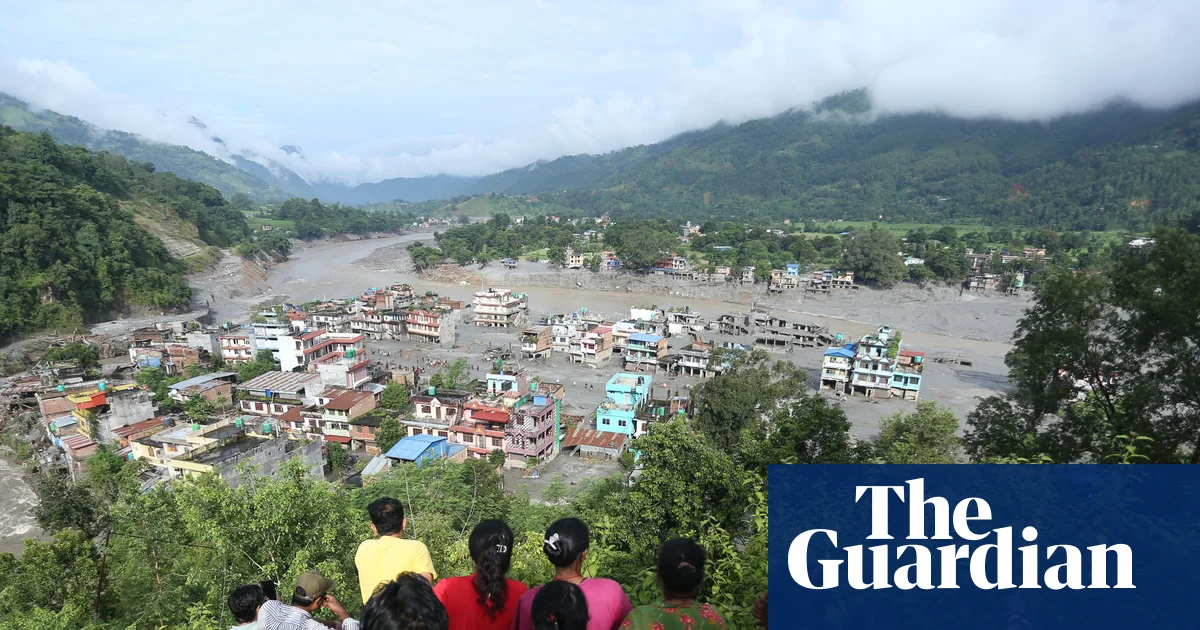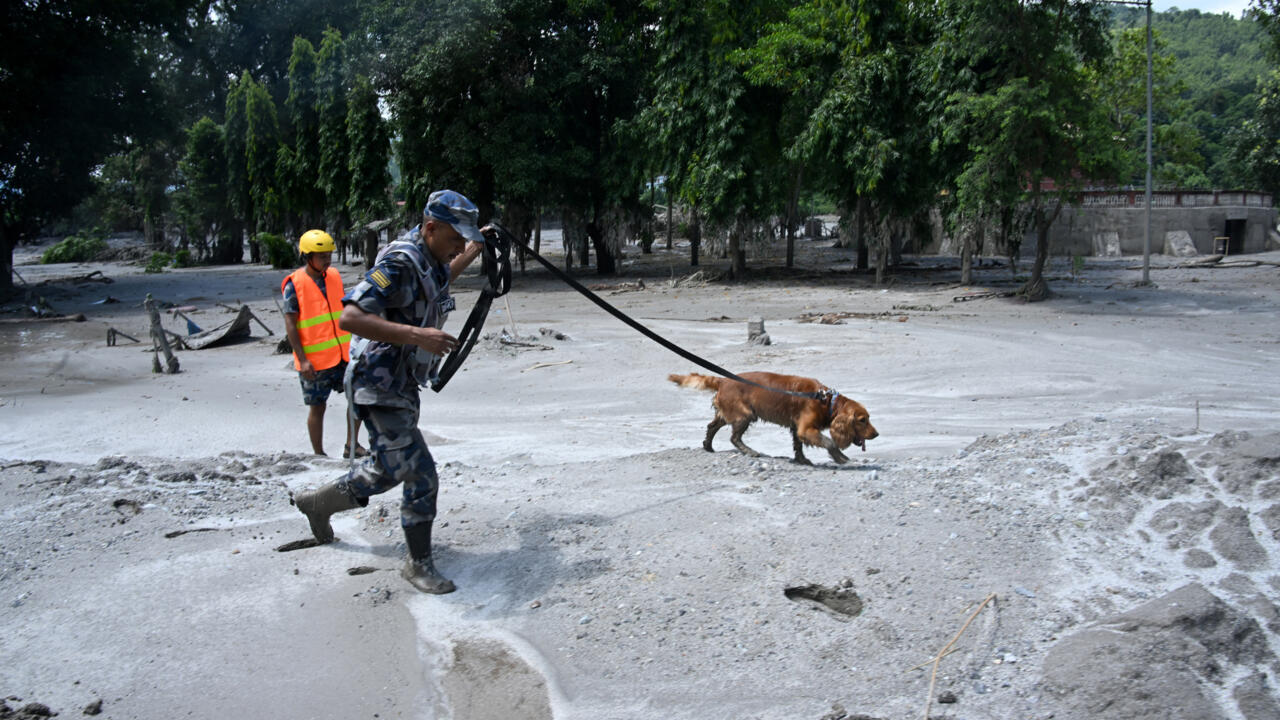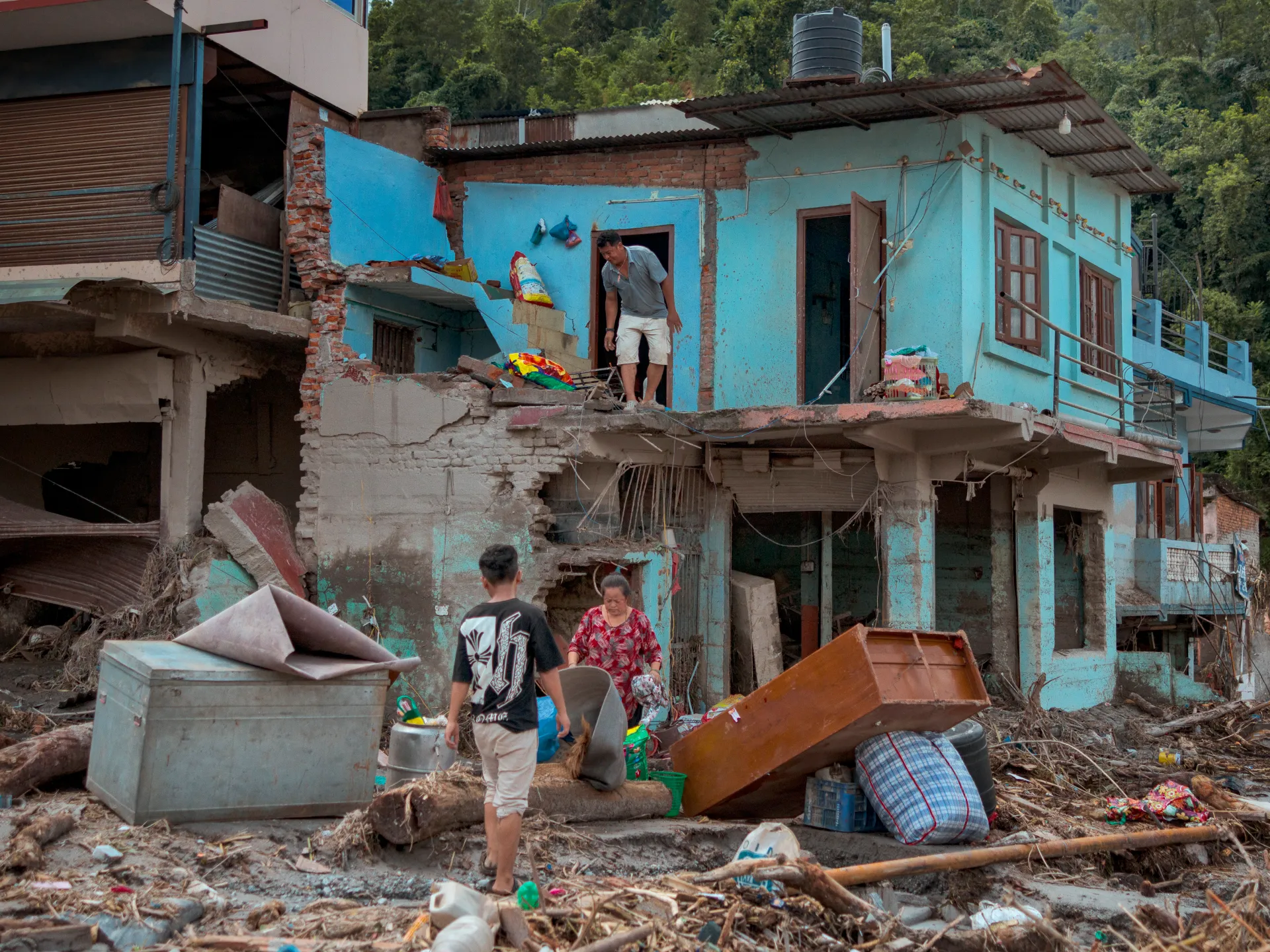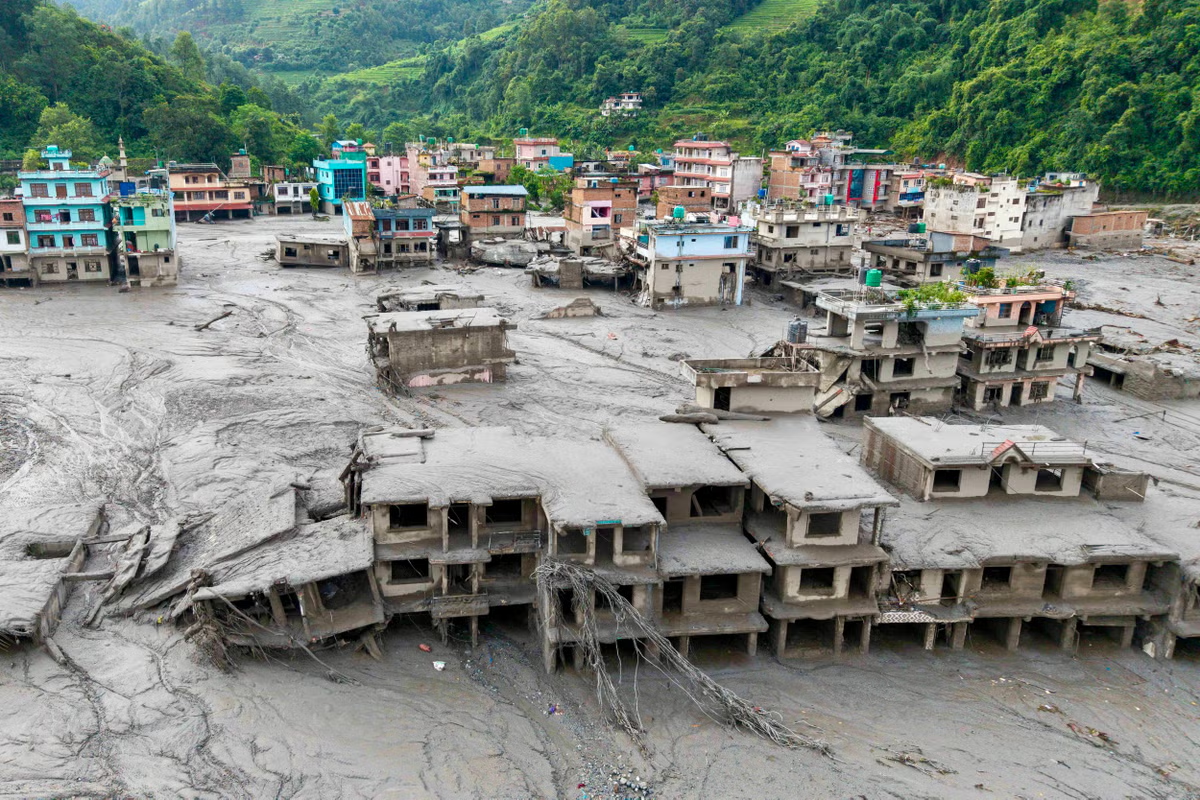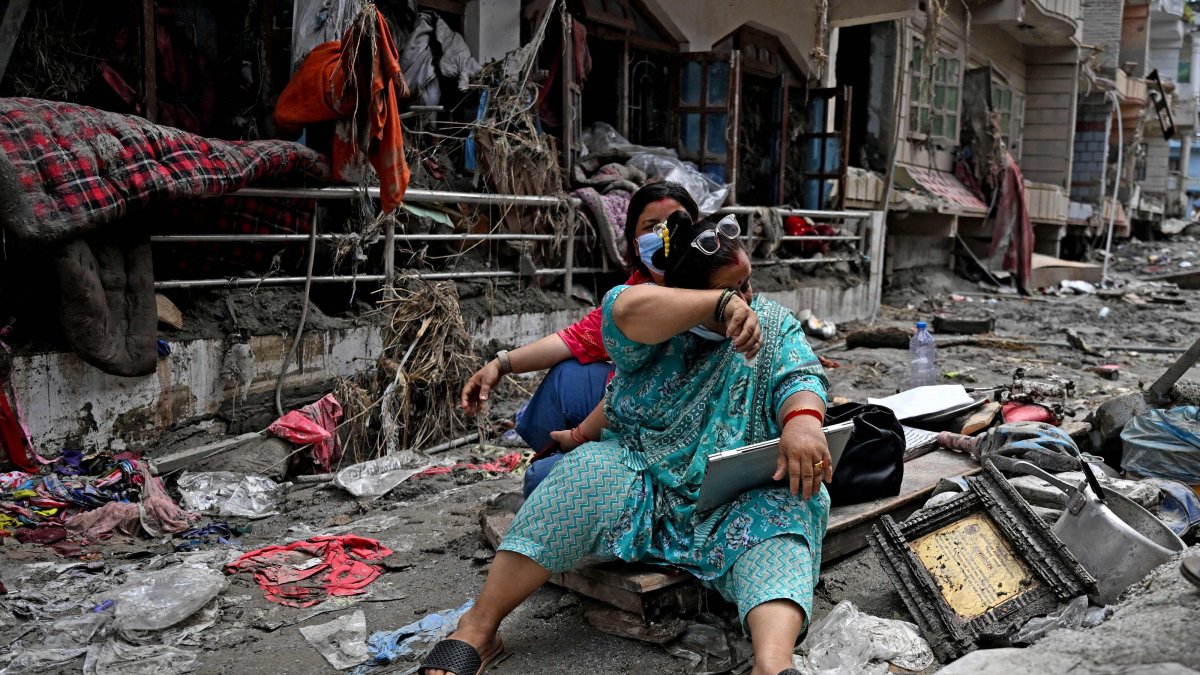
On the morning of Aug. 26, a chunk of glacier broke off Langtang Lirung, one of Nepal’s Himalayan peaks, and plunged into a river valley below. Within minutes, water levels in the Trishuli River rose by as much as nine meters (30 feet). Villages, bridges, hydropower stations and roads vanished under a wall of mud, ice and rock. As of this weekend, the confirmed death toll across Nepal and Tibet has passed 800, with more than 3,000 people still missing, including hundreds of foreign nationals. The scale of loss is still unfolding. But the cause is becoming clear, and it should alarm anyone paying attention to how the planet is changing.
Scientists studying the collapse point to a familiar and worsening pattern. The Hindu Kush Himalaya region is warming faster than the global average, destabilizing glaciers, permafrost and mountain slopes that have held steady for centuries.
Researchers at the International Centre for Integrated Mountain Development, based in Kathmandu, have long warned that more than a third of Himalayan glaciers are set to disappear by the end of this century even if the world meets its most ambitious climate targets, and up to two-thirds could vanish if emissions keep rising unchecked.