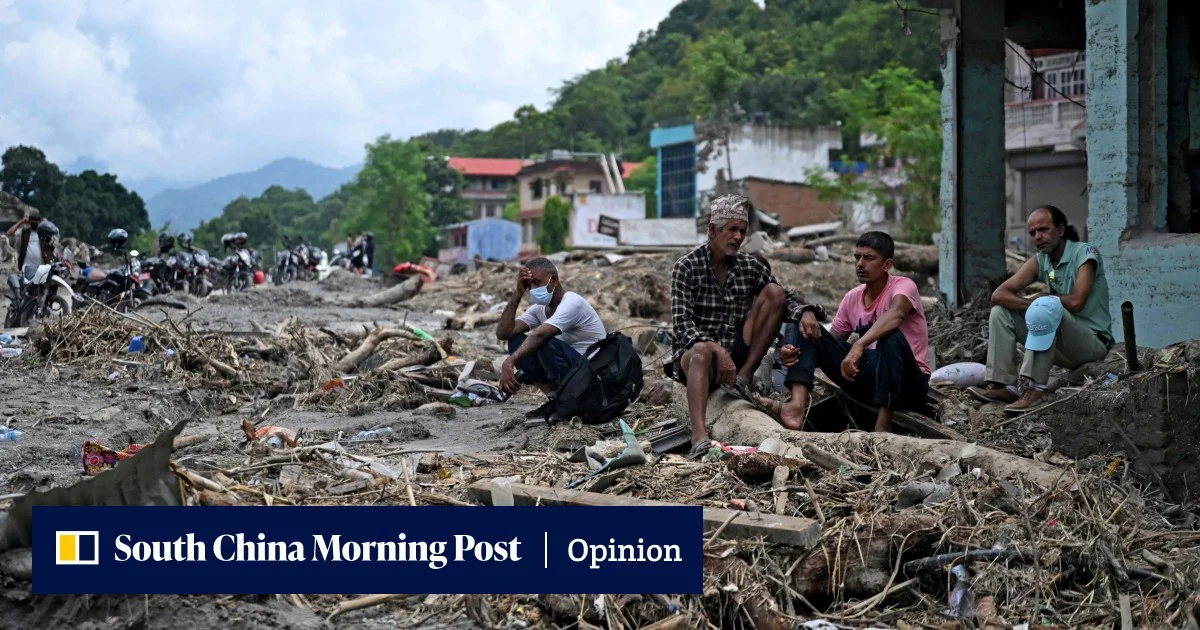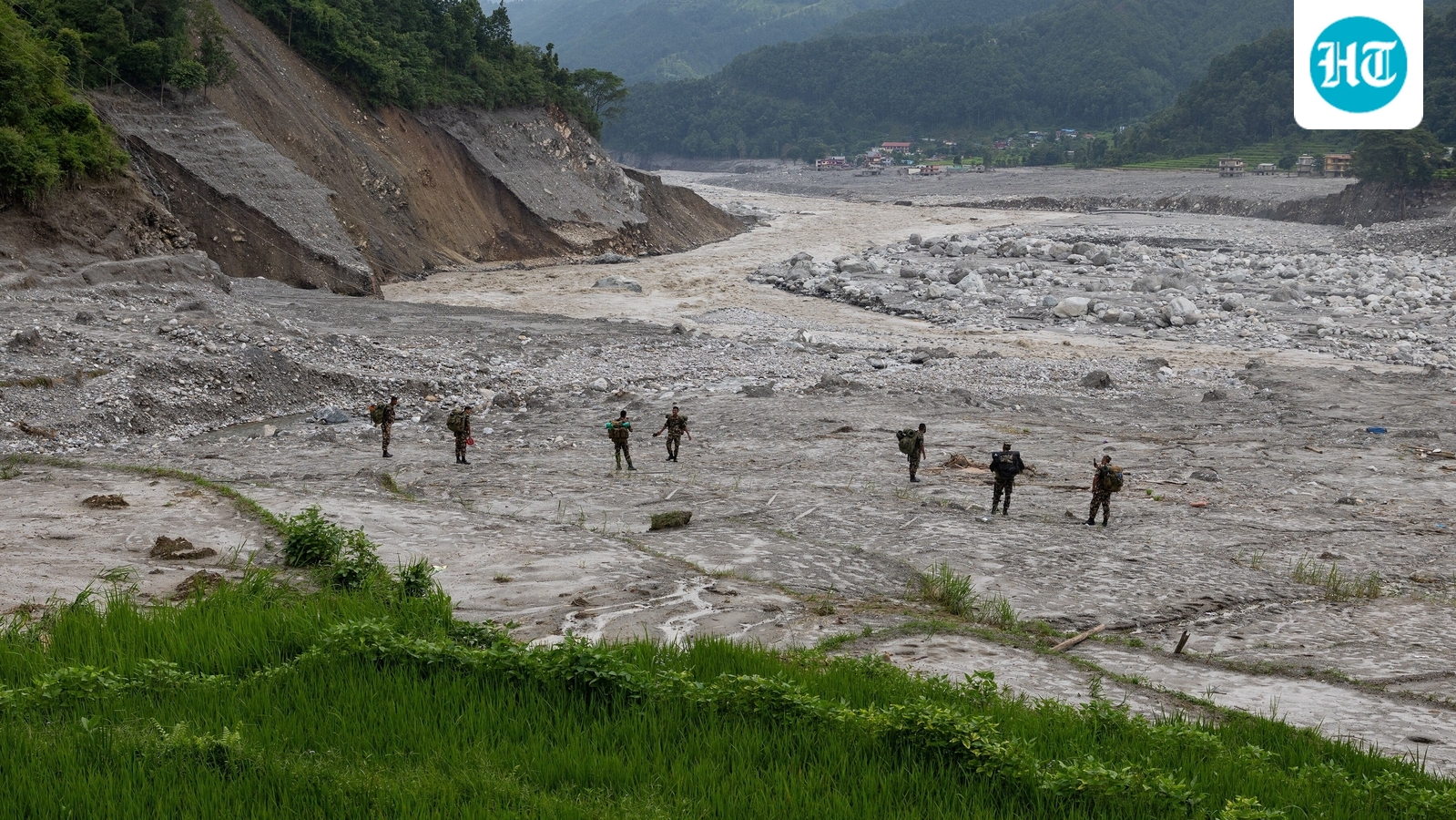
Devastating flash floods in Nepal highlight the growing risks from melting glaciers and climate change, underscoring the urgent need to strengthen early-warning systems and greater accountability for climate-related disasters.
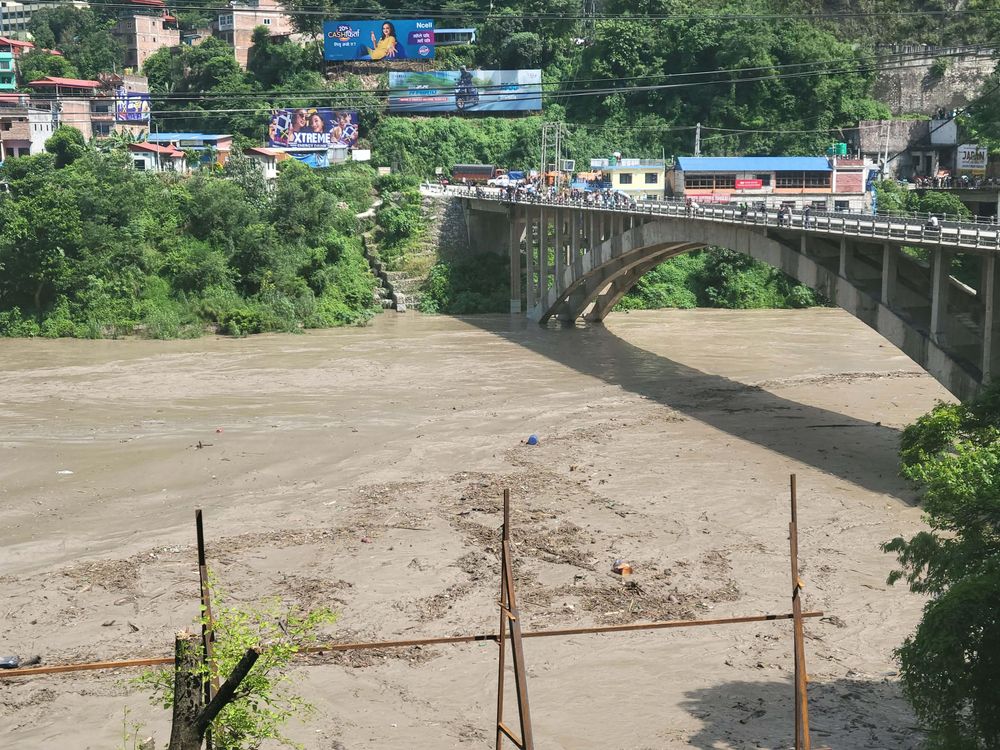
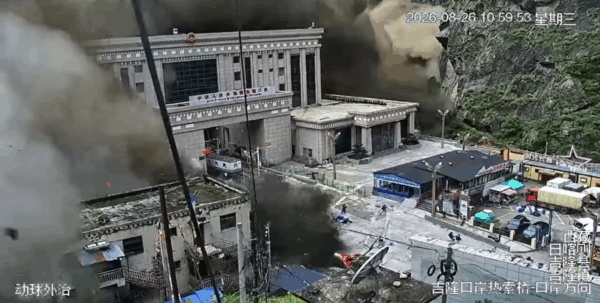
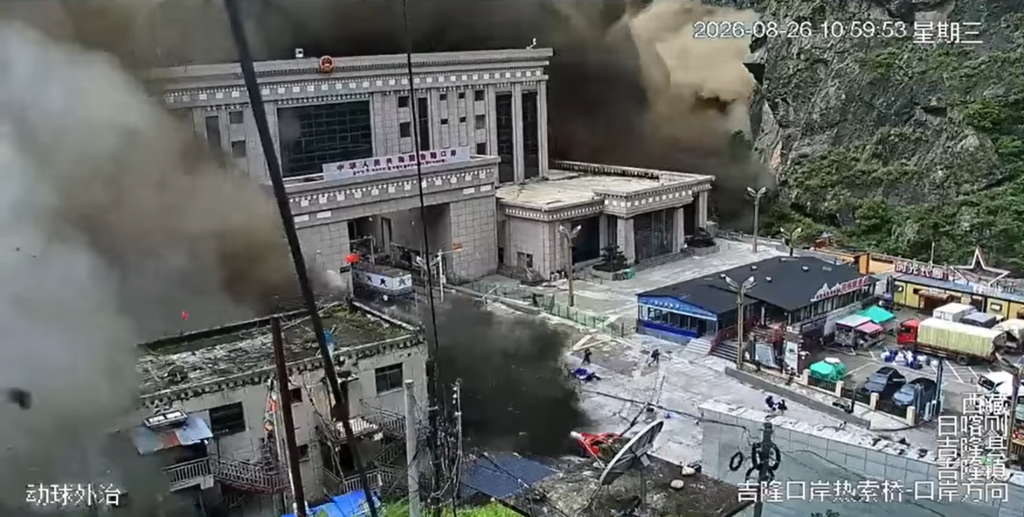
Screenshot of the CCTV footage of the August 26, 2026 Nepal flash flood hitting Gyirong Port border crossing between China and Nepal (view to the south, downstream). Public domain.
Devastating flash floods in Nepal highlight the growing risks from melting glaciers and climate change, underscoring the urgent need to strengthen early-warning systems and greater accountability for climate-related disasters.
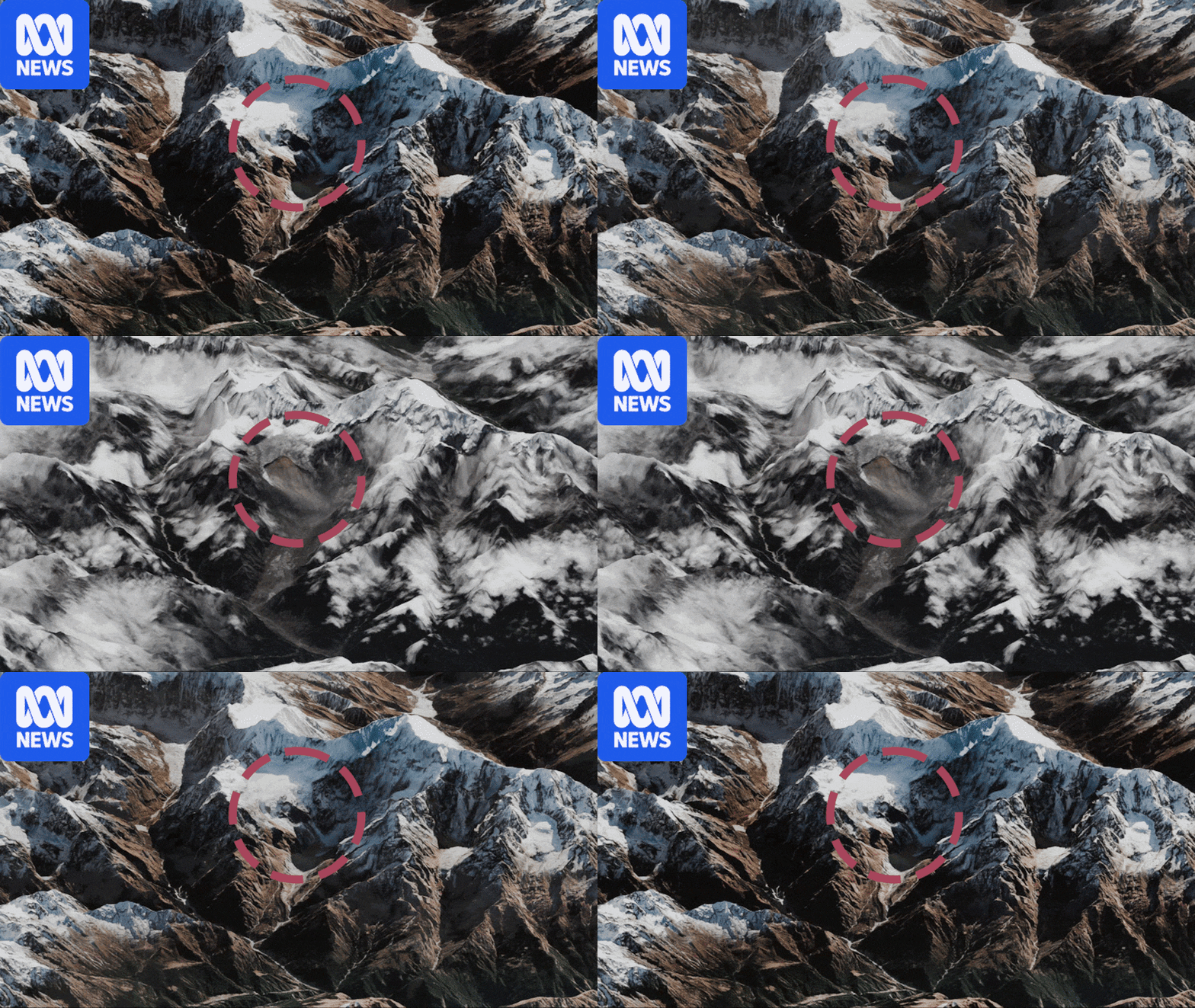
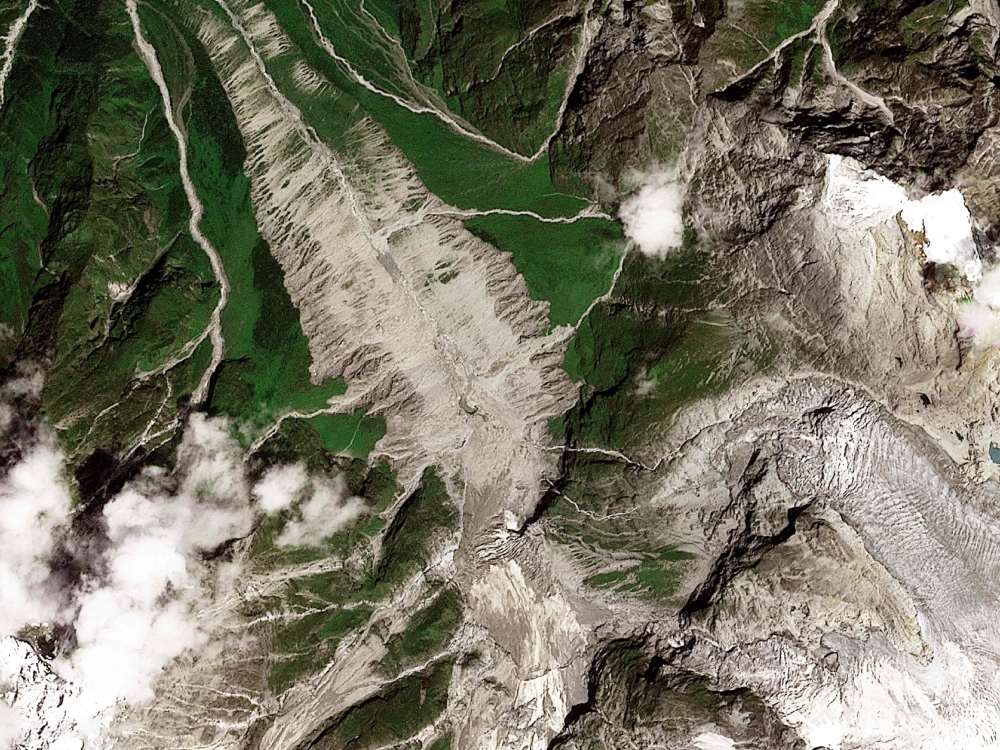
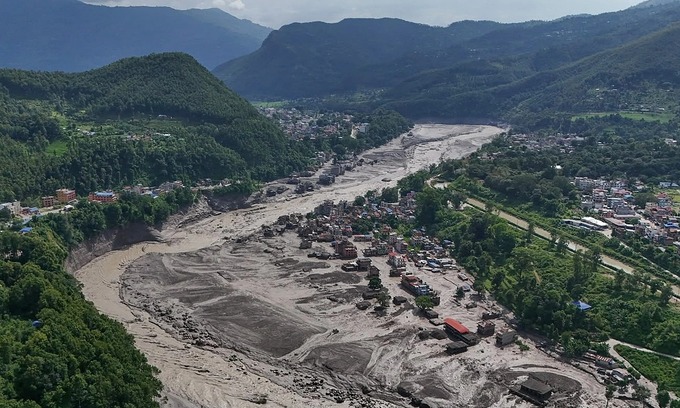
On 26 August 2026, the rapid outburst of a avalanche that led to a supraglacial lake collapse in Tibet caused widespread devastation along the Trishuli River in Nepal.
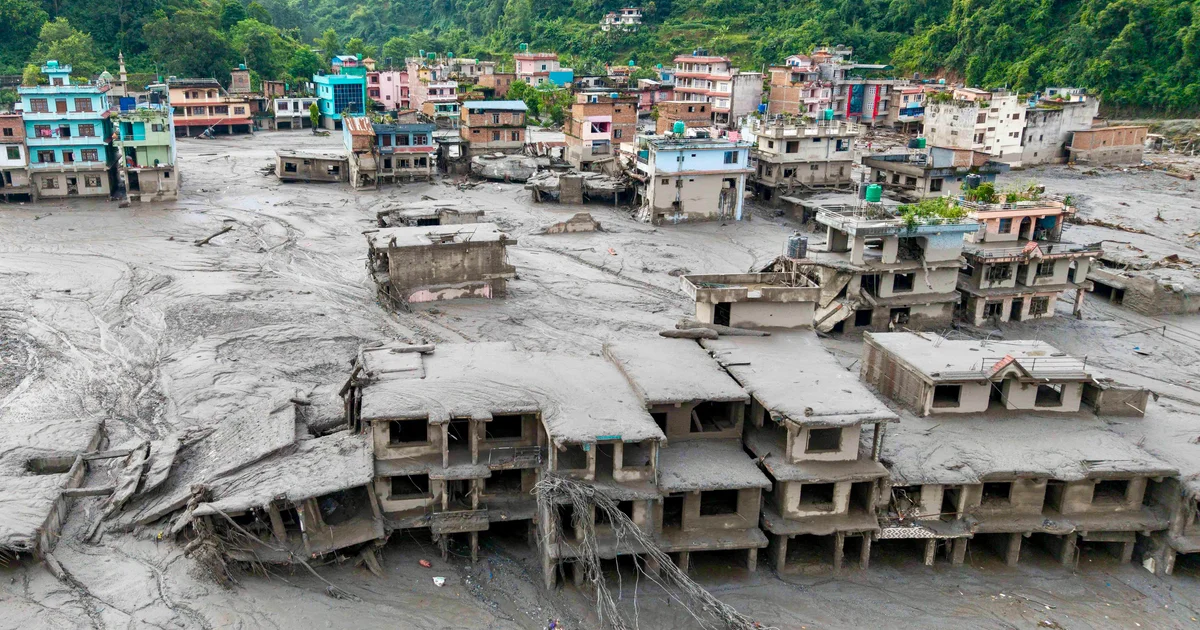
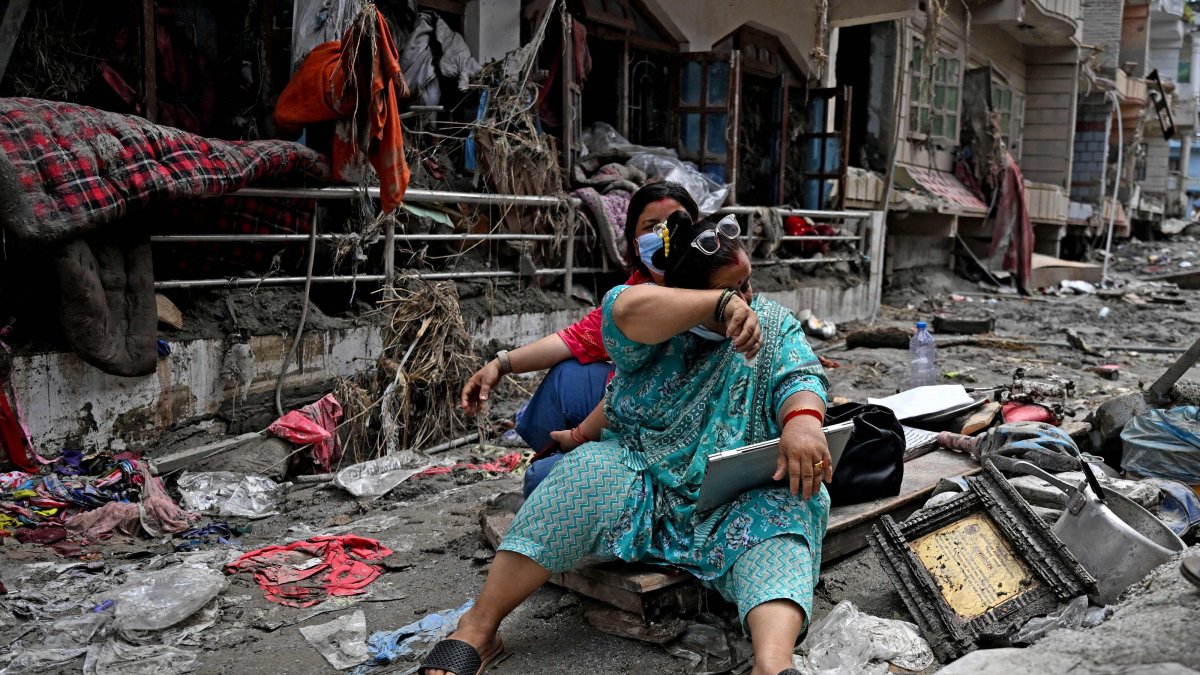
The flood claimed more than 900 lives, left an estimated 4,000 missing, and damaged critical infrastructure, including roads, hydropower plants, schools, bridges and electricity supply systems. Estimated losses amount to billions of rupees. According to the International Red Cross, at least 93,000 people may have been affected by the flash floods.