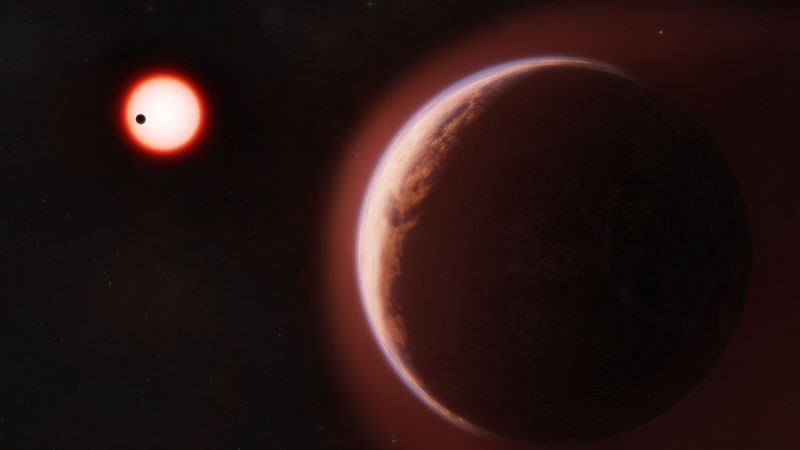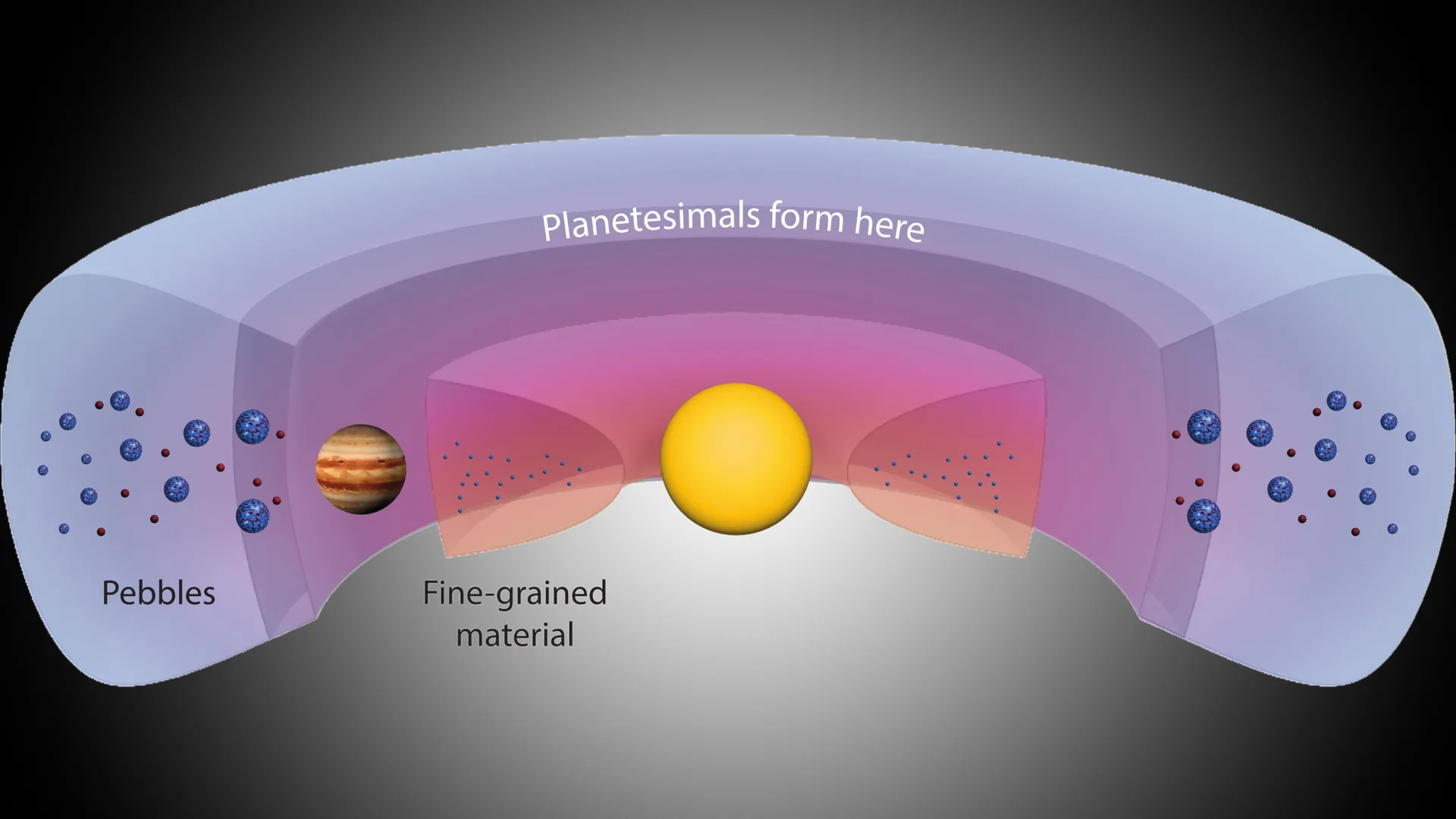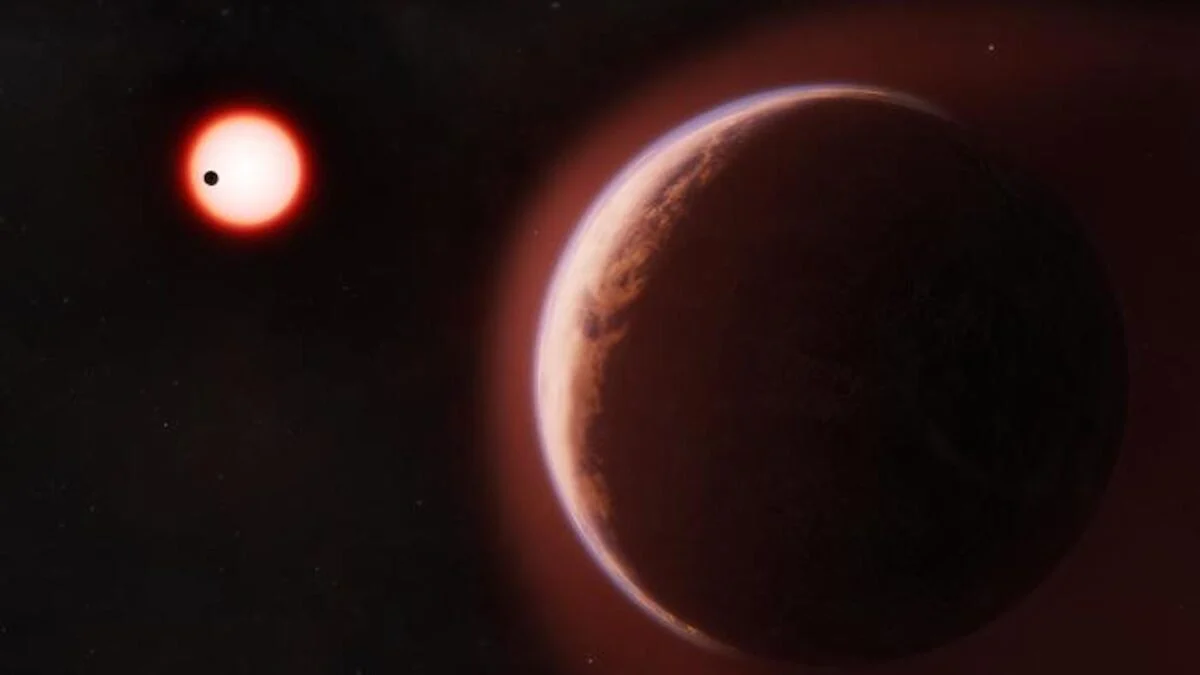
The ingredients needed to build rocky planets may have appeared as early as 100 million years after the Big Bang, according to new research from the University of Portsmouth. That would place the beginnings of planet formation remarkably close to the dawn of the Universe, even before the first galaxies had fully emerged.
Scientists have long thought that planets took much longer to become possible, with significant planet formation beginning several billion years into cosmic history. The new findings suggest that the necessary conditions may have developed far sooner.
The First Stars Seeded Space With Planet Ingredients
Some of the earliest stars were extremely massive and ended their lives in violent explosions. These stellar blasts spread large quantities of elements such as carbon, oxygen and iron into the surrounding gas.
Known as 'Pop III supernovae', these explosions acted as the Universe's first major sources of the heavier elements required to make planets and, eventually, life.