Story audio is generated using AI
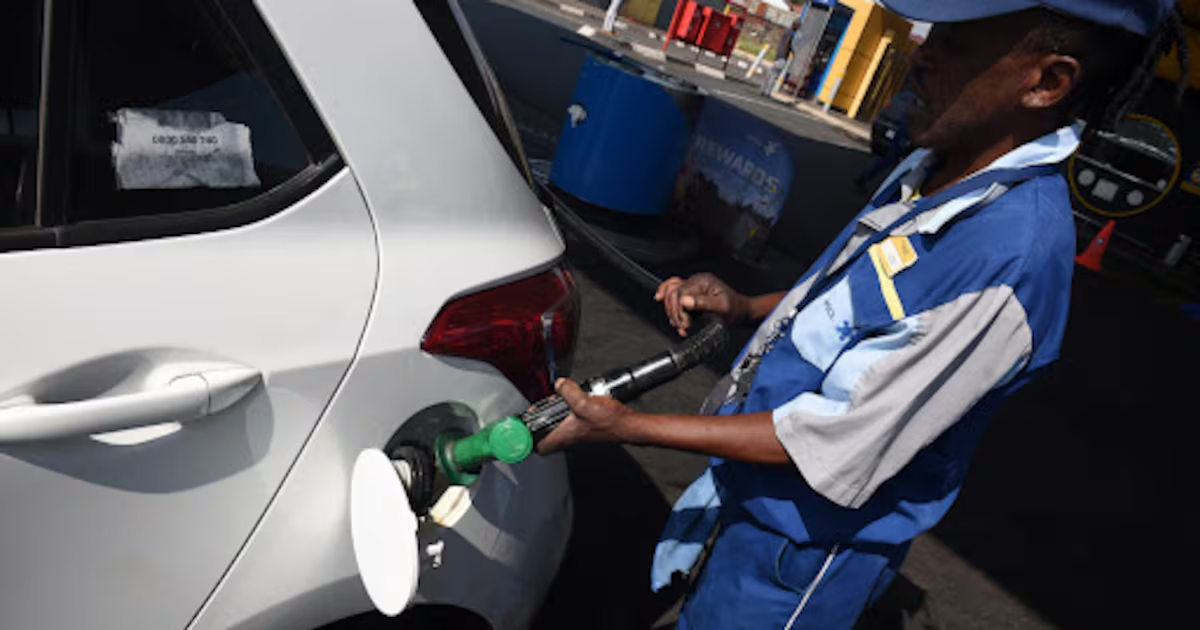
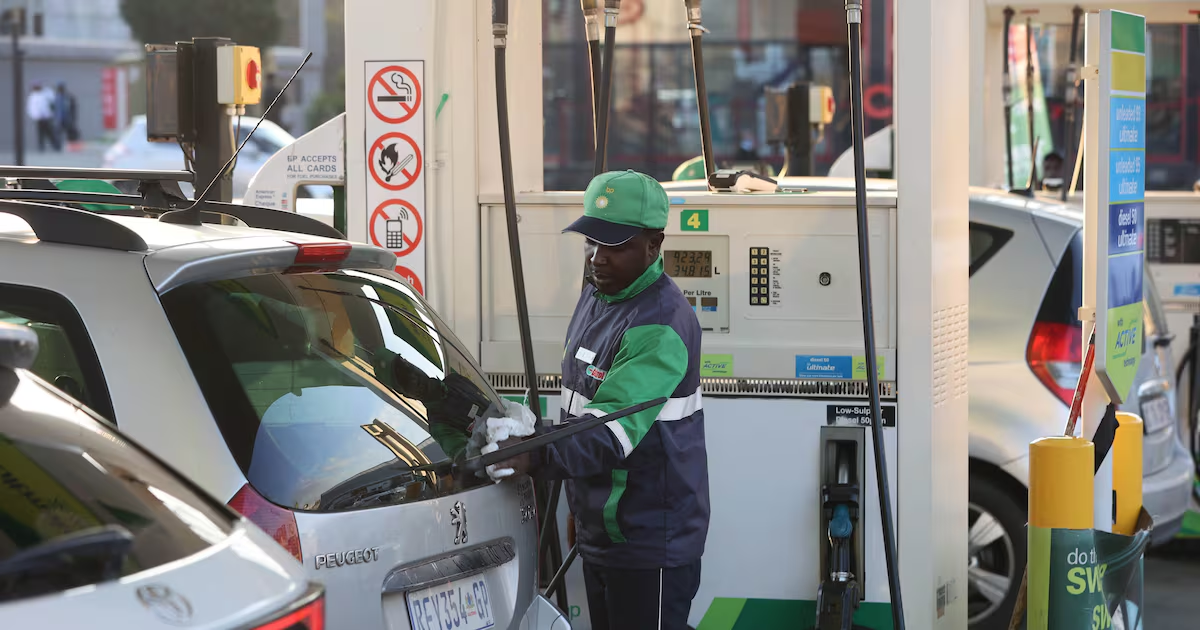
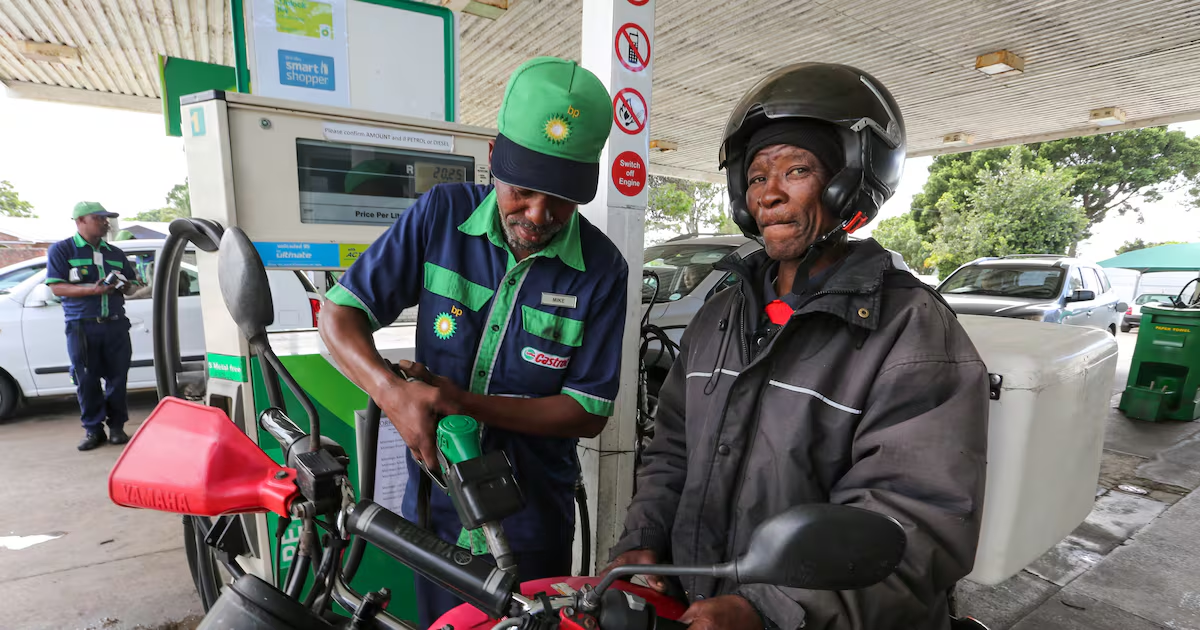
The highlight of this week’s economic calendar will be the Bureau for Economic Research (BER) and Rand Merchant Bank’s third quarter business confidence index (BCI), which will show how the private sector is weathering the global oil market turmoil triggered by the conflict between the US and Iran, which is now entering its seventh month.The index slumped eight points to 39 in the second quarter after two consecutive quarters of gains, as the operating environment deteriorated due to the war, which has kept oil prices elevated this year.South Africa is particularly vulnerable, being a net importer of oil and petroleum products. The sharpest pullback in the BCI was in those sectors most exposed to shifts in household spending, financing conditions and fuel costs.“The Q3 business confidence data … will be a key pulse check on the private sector business mood…. With geopolitical uncertainty in the Middle East persisting and fuel costs remaining elevated, we will be watching how the businesses read the current environment,” Absa said in its “Economics Weekly” report.“An environment of prolonged external uncertainty may keep investment growth muted, even with the modest gradual progress on growth reforms.”The economic week starts on Monday with the department of mineral & petroleum resources announcing new fuel prices. which take effect at midnight on Wednesday.South Africa adjusts fuel prices monthly, based on changes in international oil prices and the rand/dollar exchange rate. Domestic fuel prices lag global oil movements by a month.In August, the retail price of petrol dropped by 52 cents per litre, but that of diesel rose by more than R1.The latest estimates from the state Central Energy Fund (CEF), which manages energy assets, strategic fuel reserves and related investments to secure the country’s energy supply, point to hefty increases for petrol and diesel in September.Later on Monday, the South African Revenue Service will publish data showing the country’s balance of trade with the rest of the world in July.In June, the trade surplus widened to R17.75bn from R4.44bn the previous month, as exports increased by 4.3%, driven by higher shipments of vehicles and transport equipment, chemical products, and prepared foodstuffs as well as precious metals and stones. Imports declined 2.9%, reflecting lower purchases of mineral products, vehicles and transport equipment as well as original equipment components.Absa will, on Tuesday, publish another key pointer to how the manufacturing sector is navigating the uncertain operating environment in its August purchasing managers’ index (PMI).July’s report showed factory activity was at its lowest in seven months, with the PMI declining to 46.8 points from 47.3 in June as export demand remained weak and inventory draw-downs continued.On Tuesday afternoon, auto industry body Naamsa will publish new vehicle sales numbers for August, after a strong performance in July when sales reached 40,912 units, their highest monthly level in 12 years and a 12.5% increase over the same period in 2025. On Thursday S&P Global will release its own August PMI which, unlike the Absa report, focuses on the broader private sector beyond manufacturing. The S&P Global PMI — a weighted average of new orders, output, employment, suppliers’ delivery times and stocks of purchases — was 50.3 in July. Readings above 50 signal an improvement in business conditions from the previous month, while those below 50 show a deterioration.The Competition Commission will hold its 20th Annual Competition Law, Economics and Policy Conference on Thursday and Friday, during which it will launch its first-yet “Rural and Township Economy Report” on the first day and the third instalment of its “Cost of Living” report on the second day.Business Day