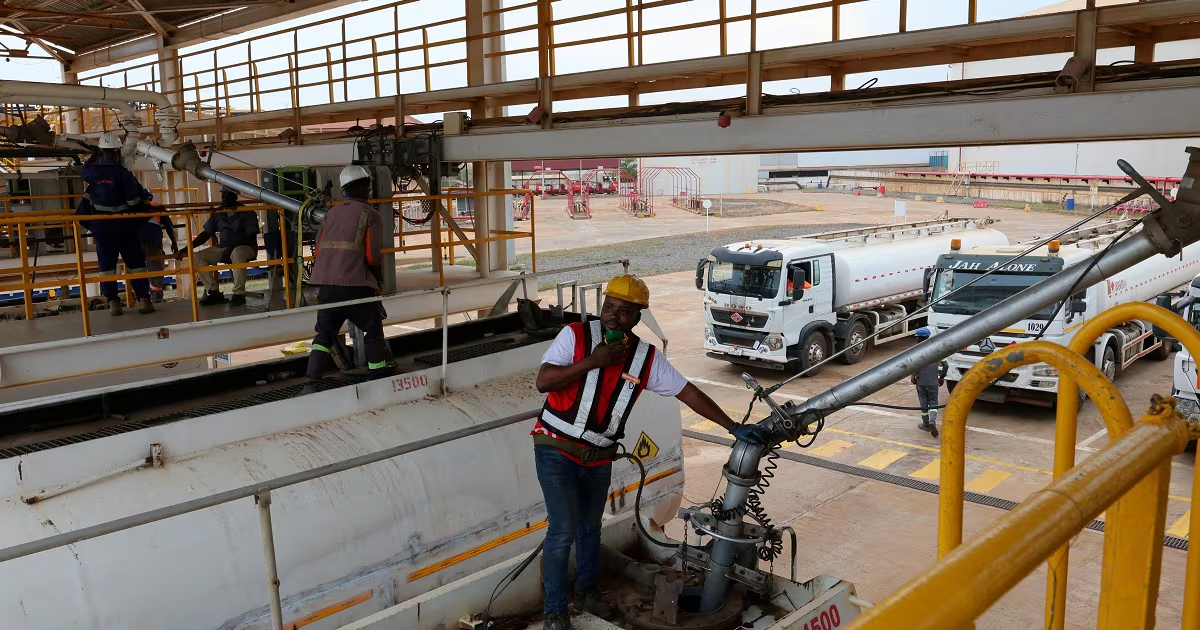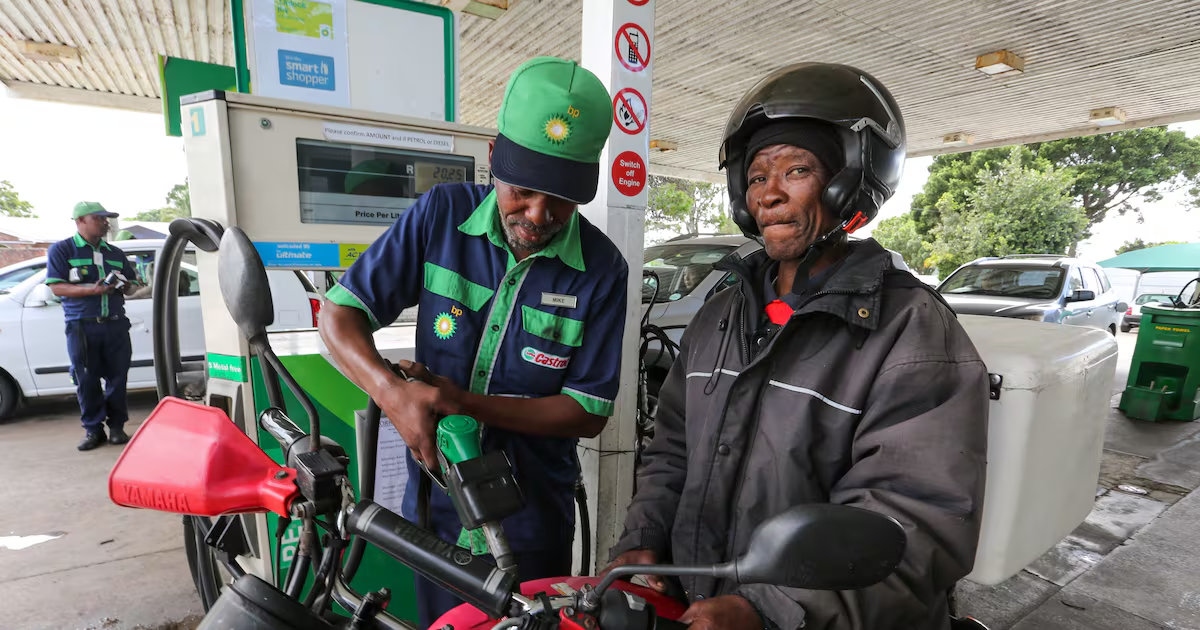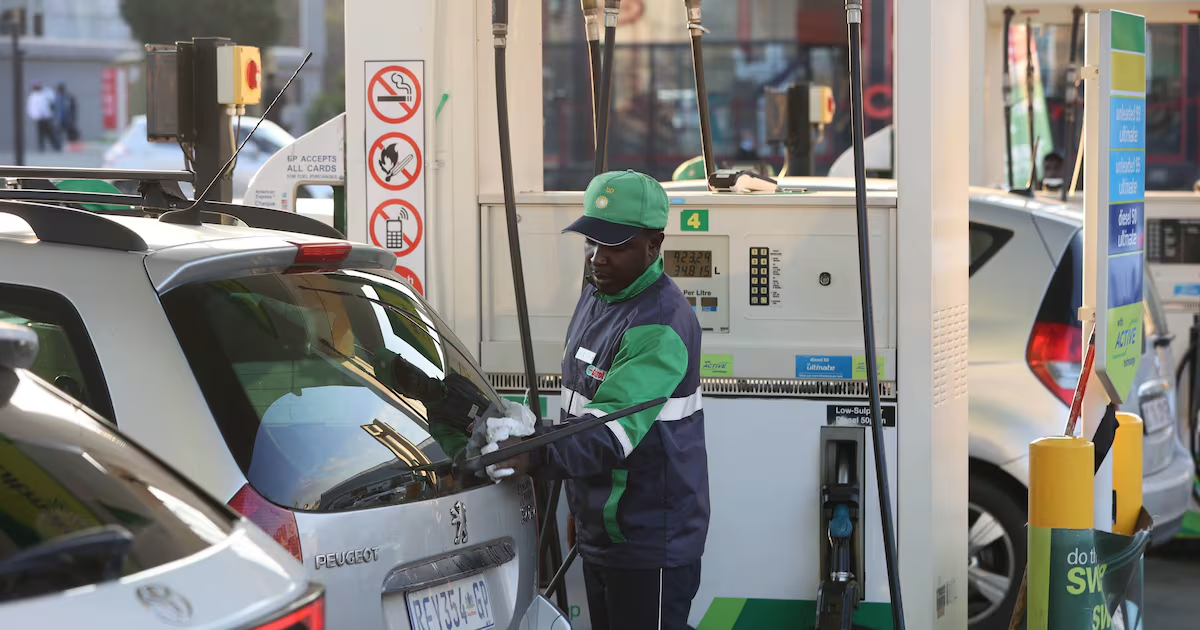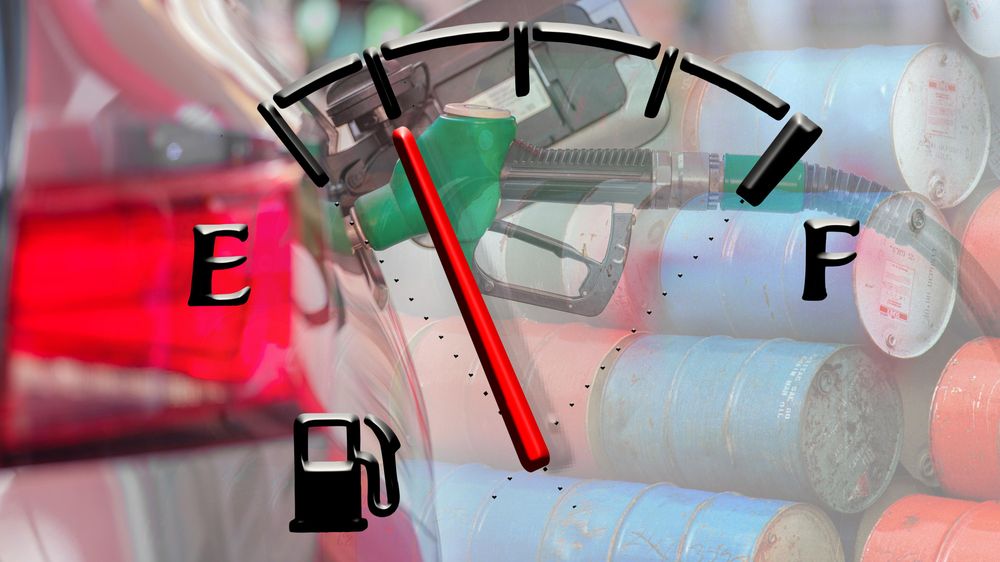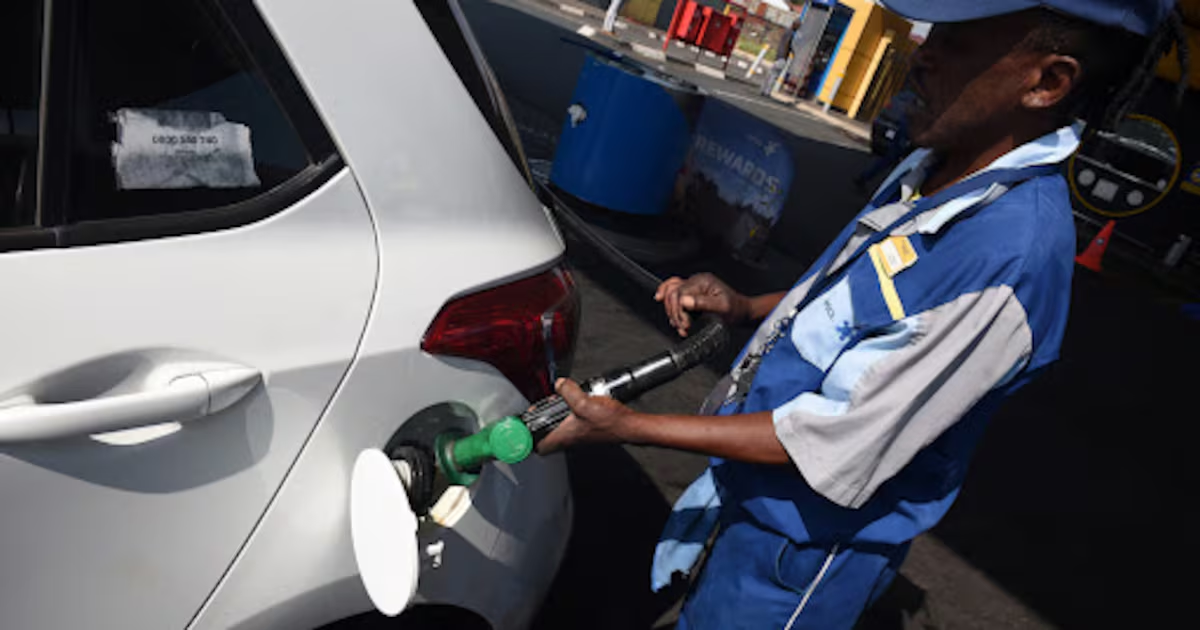
After last Thursday’s interest rate increase, this week’s focus will be on the next fuel price adjustment and a raft of data and economic conferences highlighting sentiment as the country navigates the global turmoil triggered by the Middle East conflict.The Absa manufacturing PMI on Monday will provide the latest indication of how businesses are responding to higher fuel costs, elevated uncertainty and weaker consumer demand. The PMI increased to 52.6 in April from 49 in March, driven by stronger business activity and a sharp recovery in new sales orders. The report made clear that the improvement was partly driven by temporary factors and that sharply rising input costs and continued weakness in export demand presented big risks to its sustainability.Monday will also see the department of mineral & petroleum resources announce fuel prices for June. The petrol retail price jumped by a hefty R3.27/l in May while the wholesale cost of diesel surged R5.27. Further steep increases are in the pipeline this year as the US-Iran war rages on, constraining the flow of cargo through the Strait of Hormuz.On Tuesday, the Bureau for Economic Research (BER) will hold its annual conference, which this year will focus on how South Africa is navigating a challenging, uncertain path toward stronger growth. South African Reserve Bank Governor Lesetja Kganyago will give a keynote address, offering timely insights into the bank’s monetary policy stance and outlook against a backdrop of global volatility, persistent uncertainty and the energy price shock.The second quarter RMB/BER business confidence index (BCI) is also due to be released at the conference. The index rose to 47 in the first quarter, the highest since early 2021, from 44 previously, but it is uncertain whether it can be sustained as companies grapple with soaring input costs.S&P Global Ratings will host its annual South Africa conference on Tuesday, days after affirming its long-term foreign currency sovereign credit rating at “BB” and local currency rating at “BB+” and maintaining the positive outlook. S&P expects South Africa’s real GDP growth to rise slightly to 1.2% in 2026 from 1.1% last year. The agency warned on Friday that it could revise the outlook on the country to “stable” if economic and governance reforms do not progress, or the global energy price shock has a prolonged and more severe impact on the domestic economy, resulting in a deterioration of economic growth rates or higher-than-expected fiscal deficits and interest burden.On Wednesday S&P will publish its South Africa PMI for April, following a tick up to 50.8 in March from 50 in February, driven by businesses accelerating the rate of hiring workers and increased inventories. But even then, there were already supply chain constraints linked to the war.On Thursday, Statistics South Africa will release a report on electricity production for April. Output fell 7.1% in March compared with the same period last year and down 1.6% month on month.
ECONOMIC WEEK AHEAD | Fuel prices set to rise again as Middle East conflict hits supply
Data releases to gauge business sentiment, monetary policy outlook and risks to growth
480 words~2 min read