Story audio is generated using AI
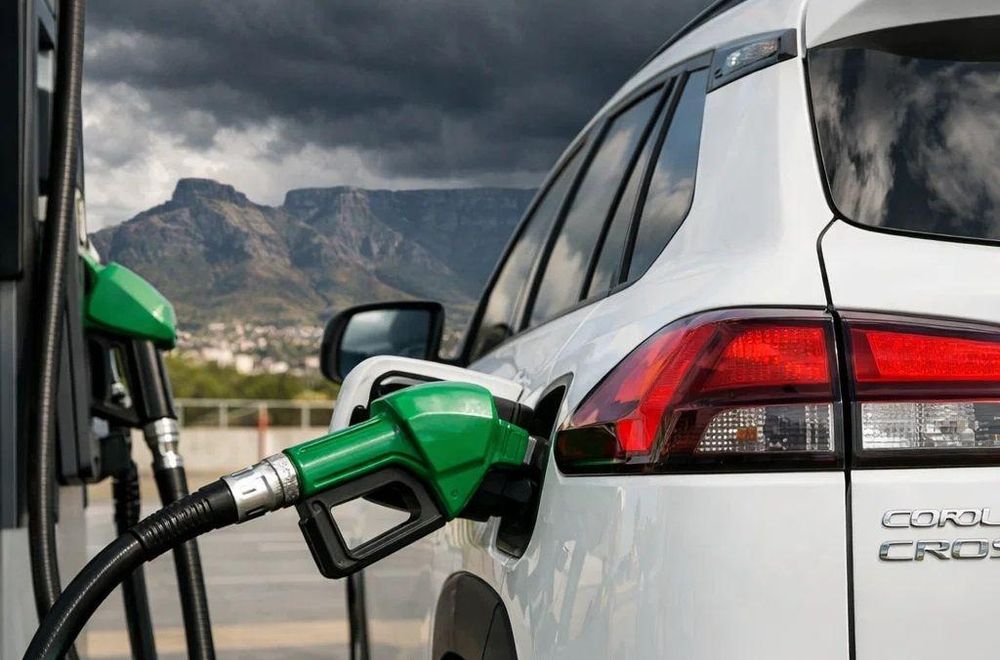
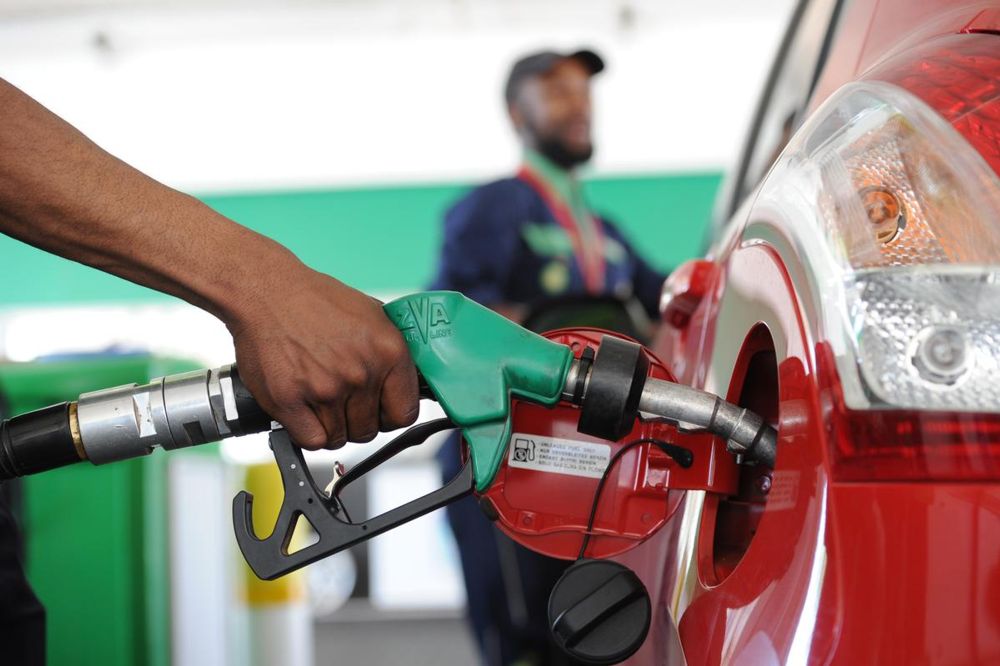
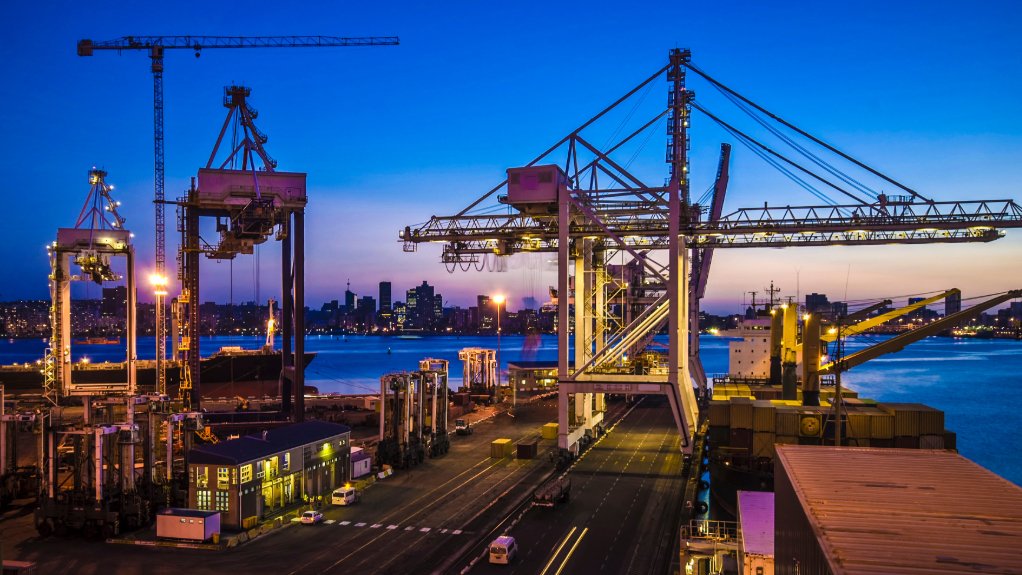
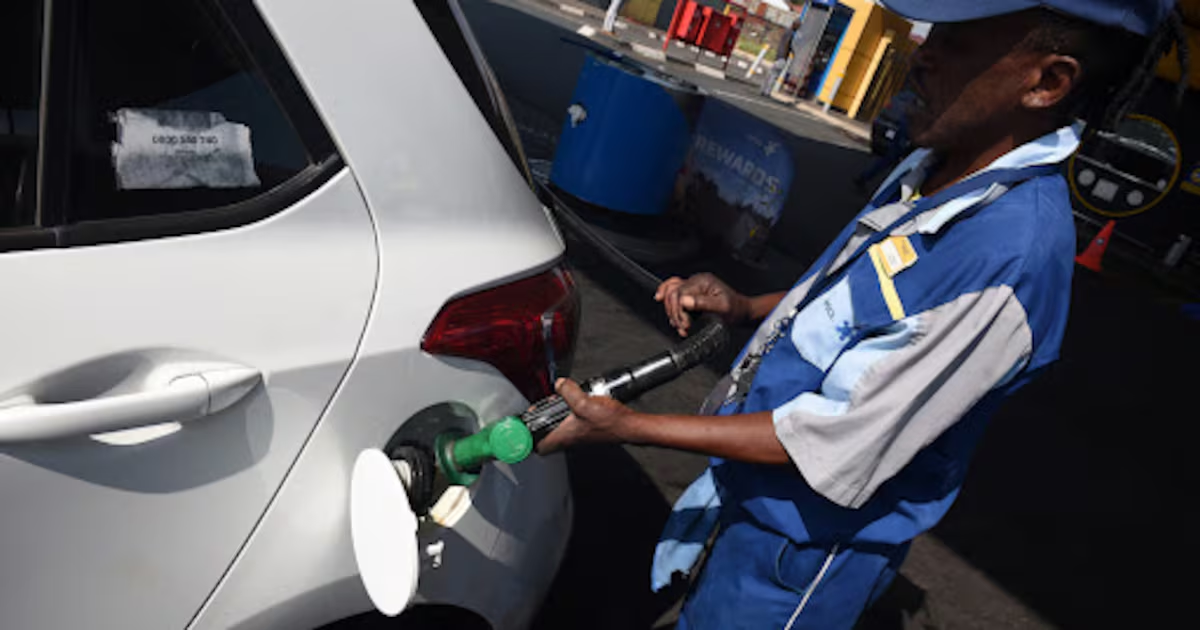
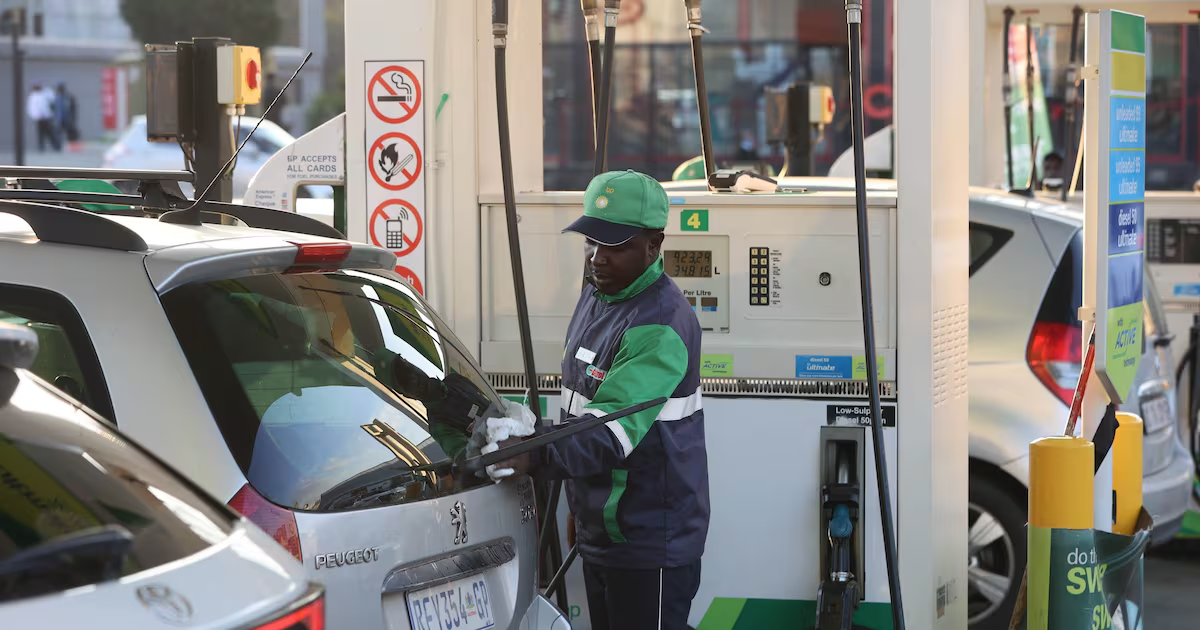
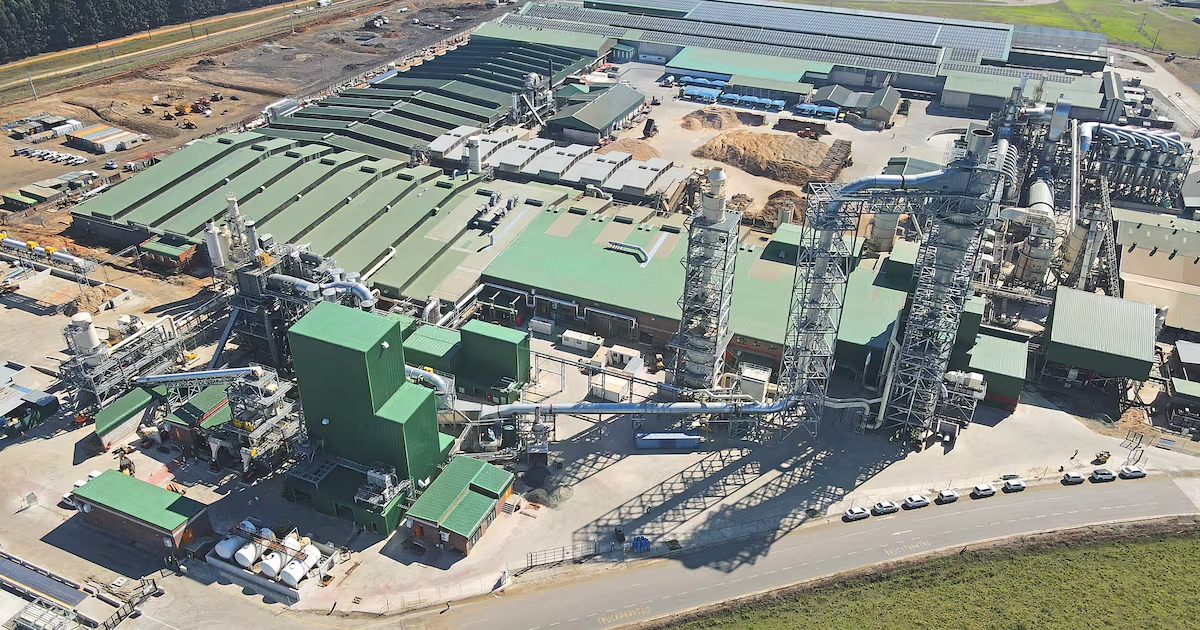
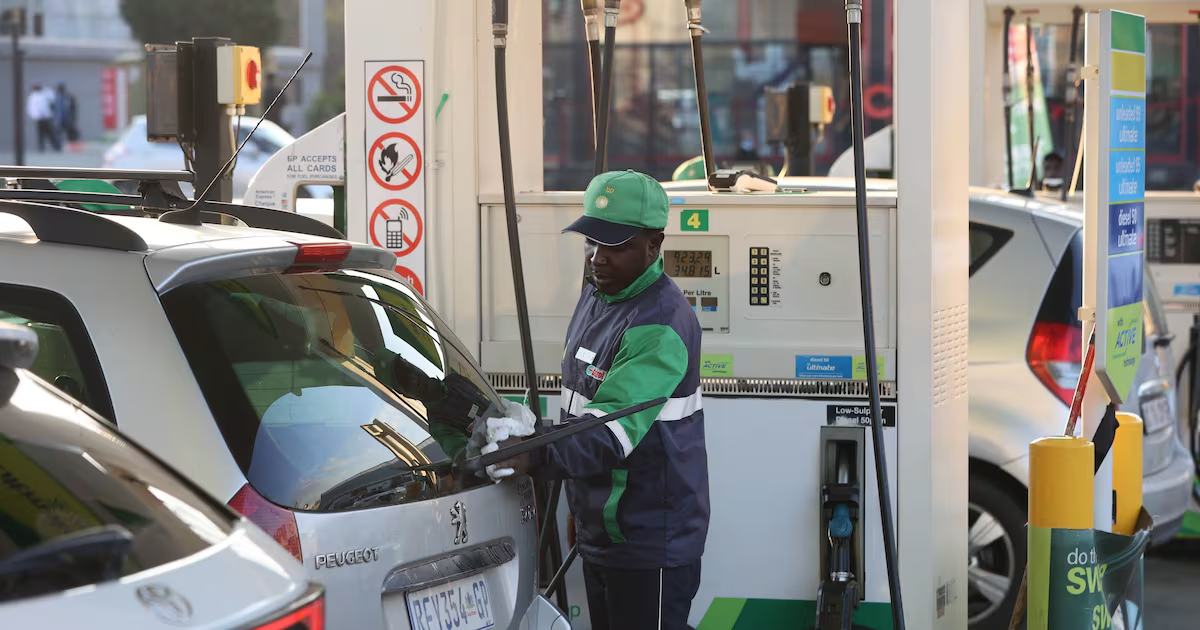
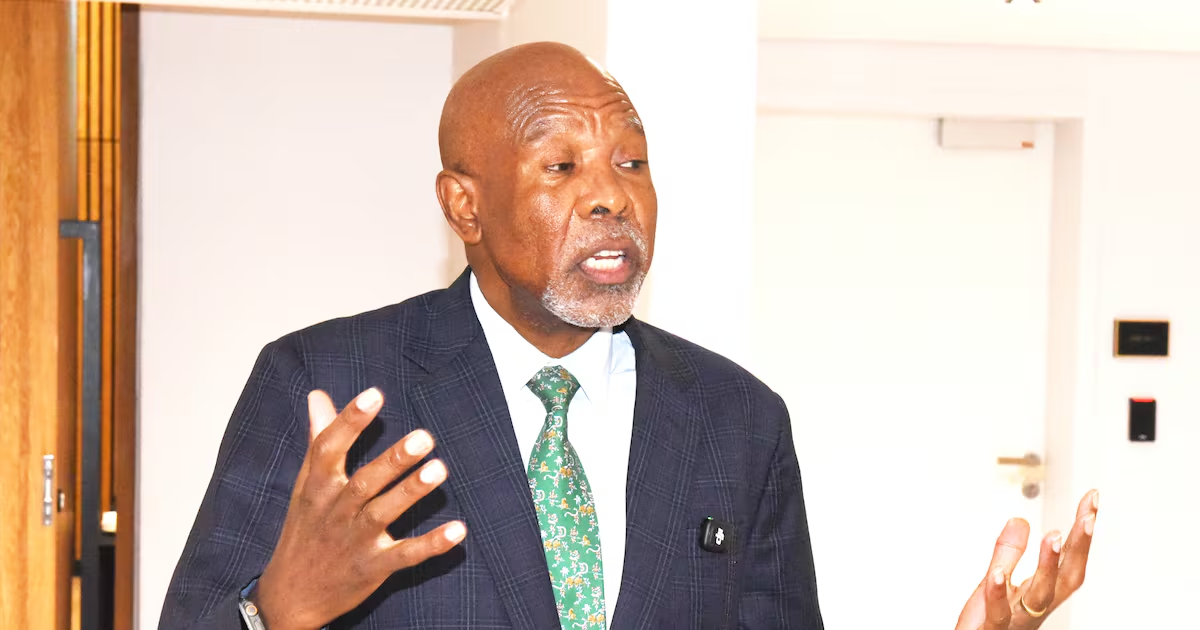
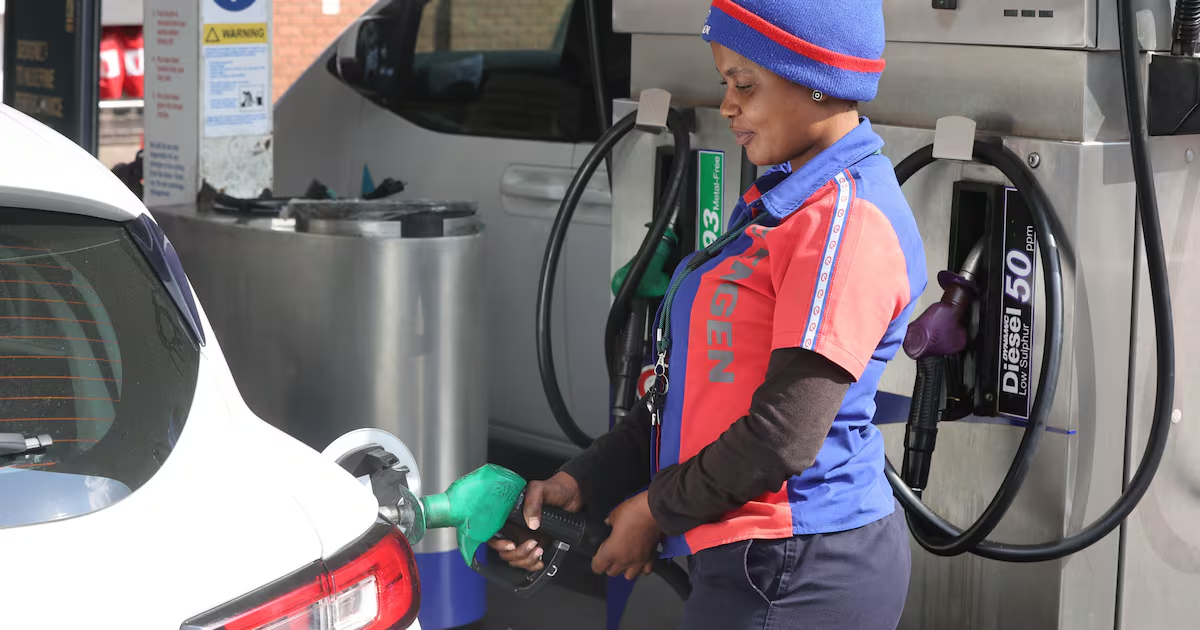
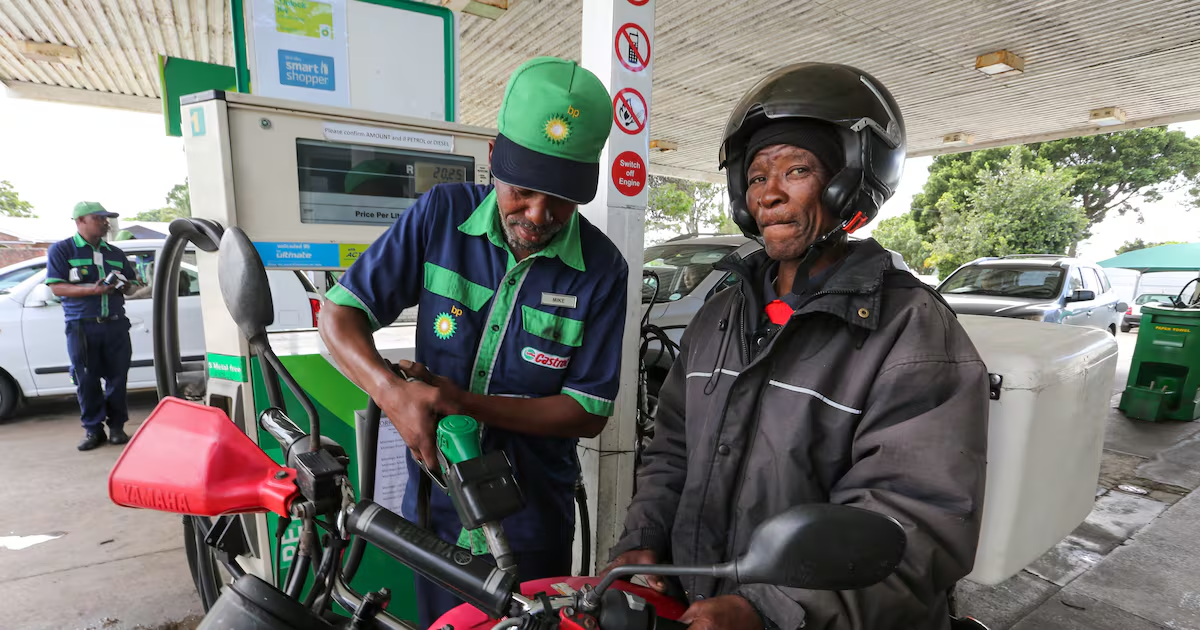
The Absa purchasing managers’ index (PMI) for July will start off the economic calendar for the week on Monday, giving the latest clue on how the manufacturing sector is grappling with higher production costs this year which have largely been driven by fuel prices.Despite easing input cost pressures and improving business confidence in June, manufacturing activity still slipped back into contractionary territory on the back of weaker demand, declining by 3.5 points to 47.3.Later on Monday the department of mineral & petroleum resources is expected to announce the monthly fuel price adjustment for August, with the latest data from the Central Energy Fund suggesting 95-grade petrol will cost about 41c less a litre, while the wholesale price of diesel will climb by R1.10.SA is a net importer of oil and petroleum products and the government adjusts the price of fuel based on global international prices and the rand exchange rate the previous month. The retail price of 95-grade petrol has jumped nearly 29% to R26.10/l in the economic hub of Gauteng since March, while the wholesale price of diesel has leapt almost 34% to R24.79/l, though it has come off a peak of R31.18 reached in May.Automobile association Naamsa will on the same day announce new vehicle sales for July. Sales increased to 54,480 units in June from 50,990 Units in May.SA Reserve Bank (Sarb) governor Lesetja Kganyago will on Tuesday give a public lecture at the University of South Africa with the theme: “From Fragility to Resilience: The Emerging Market Journey.”This is against the backdrop of geopolitical conflict, inflationary pressures, volatile capital flows, climate disruption and structural inequality continually testing the strength of emerging market institutions and the endurance of their citizens.On Wednesday S&P Global SA will publish its own PMI for July which, unlike that of Absa, focuses on the entire private sector, not just manufacturing. The index rose to 50.5 in June 2026 from 49.6 in May, returning the private sector to marginal growth territory.On Thursday governor Kganyago and members of the Sarb leadership will brief the media on the work of the institution as well as global and domestic economic developments. At the Bank’s AGM last Friday, Kganyago again warned against the risks posed by AI and defended the Sarb’s cautious stance against crypto assets, highlighting the responsibility it has to limit the dangers of digital technology to the financial system without stifling innovation.Stats SA will on Thursday publish data on electricity generated and available for distribution in June. Electricity generation decreased 9% year on year in May though it was up 0.6% compared with April. “Broader trend shows weakness in the sector, with production down 2.2% over the past three months relative to the prior three-month period. This suggests that electricity production could weigh on second quarter GDP,” First National Bank said in its latest Economics Weekly report.International Monetary Fund (IMF) first deputy MD Dan Katz is on a country visit to SA from Monday until Friday, when he will speak at the University of Cape Town on “Stablecoins: Promise, Risks, and Policy Choices for Emerging Economies”. The visit comes after the IMF lifted its 2026 growth forecast for SA to 1.1% in its latest World Economic Outlook update in July from 1% in April, when it cut it from the previous prediction of 1.5% due to the negative effect of the Middle East conflict.