Story audio is generated using AI
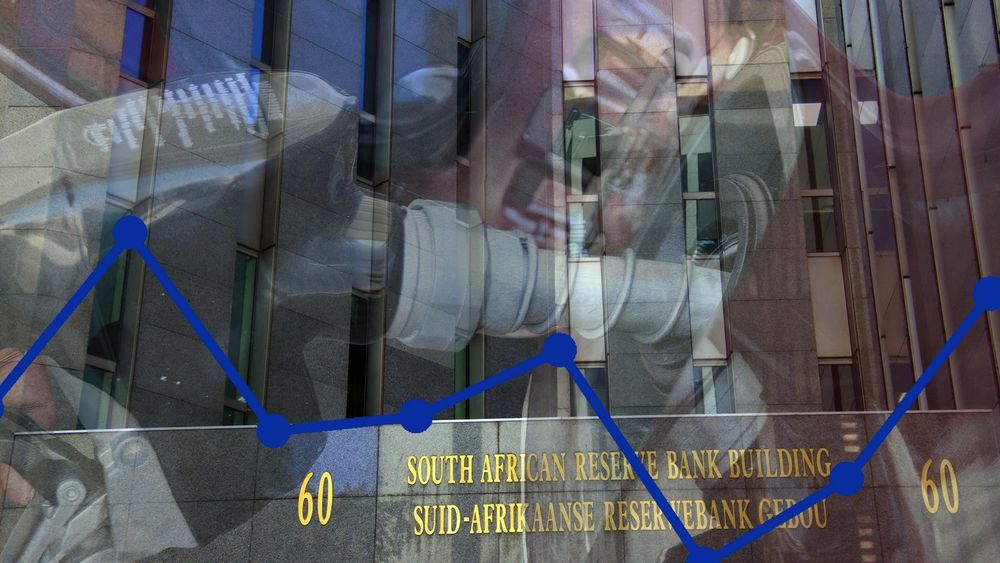
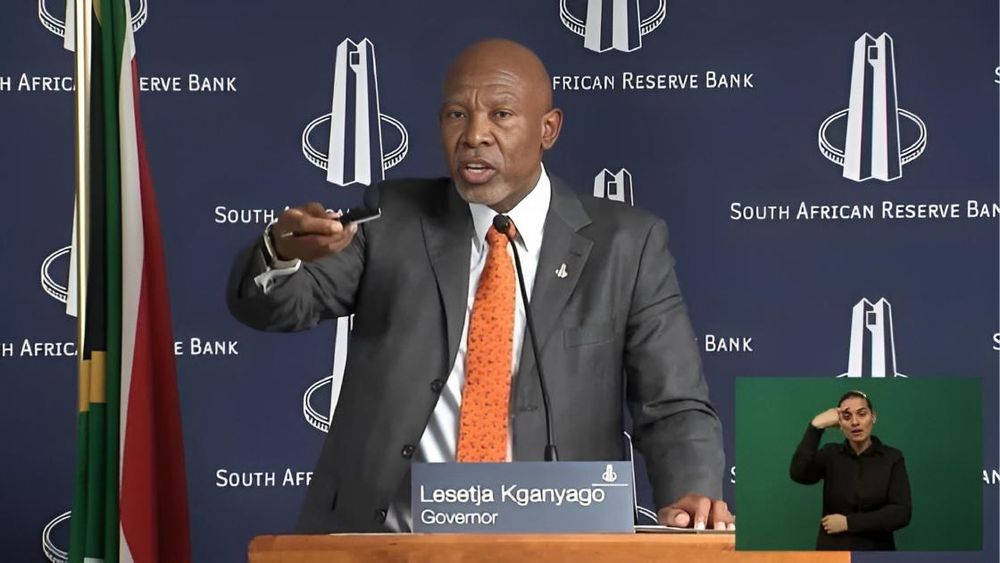
The main economic news this week will be the South African Reserve Bank’s monetary policy committee (MPC) three-day meeting, which could deliver the second interest rate hike of the year.The MPC will meet against the backdrop of rising inflation expectations, easing global inflation pressures and a still-fragile domestic growth environment.Though lower oil prices have lessened some of the global inflation risks that dominated its May meeting, the deterioration in domestic inflation expectations presents a more immediate challenge for policymakers, FNB said.“As a result, we continue to view a further 25 basis point increase in the repo rate as the most likely outcome,” its economists said in a note.The Reserve Bank raised its key policy rate by 0.25 percentage points to 7% in May, signalling its intent to keep a close eye on the second-round effects of the oil price shock triggered by the US-Iran war and to ensure that high inflation expectations are not entrenched in South Africa’s economy.“Key for second-round effects is a rise in salaries and wages which then can entrench inflation at a higher level,” Investec economist Annabel Bishop wrote in a note.“With no change in expectations on salaries and wages this leaves the probability of a hike in July of around 50%, but the Bank tends to be on the hawkish side and also operates on the basis that an interest rate hike earlier has more effect on reducing inflation than one down the line.”The Bank will make its announcement on Thursday, a day after Stats SA publishes June consumer data, which will most probably be the final decider for the MPC.Most economists are expecting the consumer price index (CPI) to have accelerated further during the month after reaching 4.5% in May, well above the 2%-4% tolerance band of the Reserve Bank’s 3% target.Nedbank is forecasting a spike to 4.9% in June, driven primarily by a sharp increase in transport costs stemming from the fuel price surges seen since April.“These fuel-related pressures are expected to offset ongoing disinflation in food prices. Food inflation should continue to moderate, supported by lower global food prices, robust domestic agricultural production and the normalisation of meat prices as the impact of foot-and-mouth disease eases,” the bank said.Later on Wednesday, Stats SA will publish retail sales numbers for May. Sales were up 1.3% year on year in April but could start reflecting how consumer spending has come under pressure from rising living costs, including fuel prices, as well as the effect of higher interest rates after May’s adjustment.Also on Wednesday, the statistics agency will release its May data on civil cases for debt, followed on Thursday by wholesale trade sales numbers for the same month.Business Day