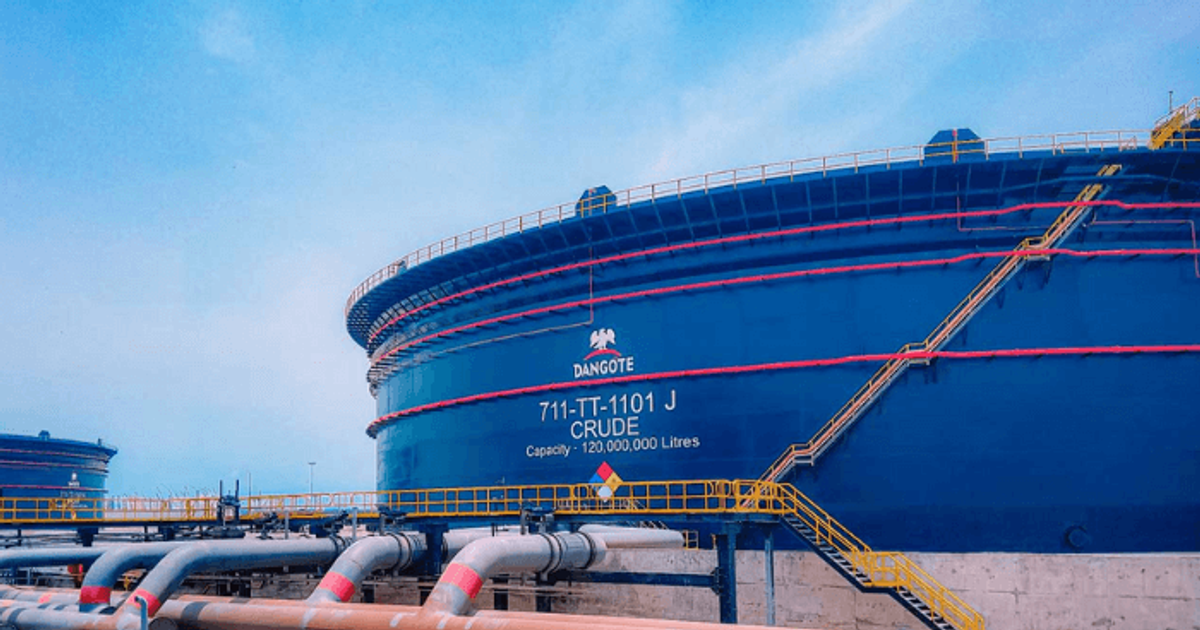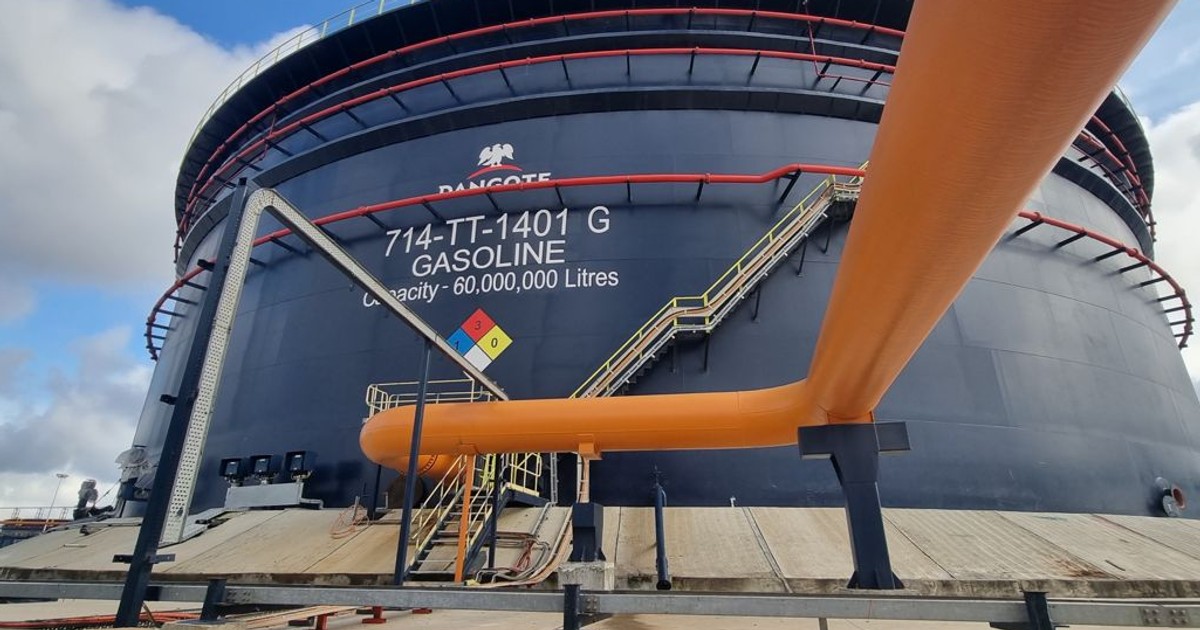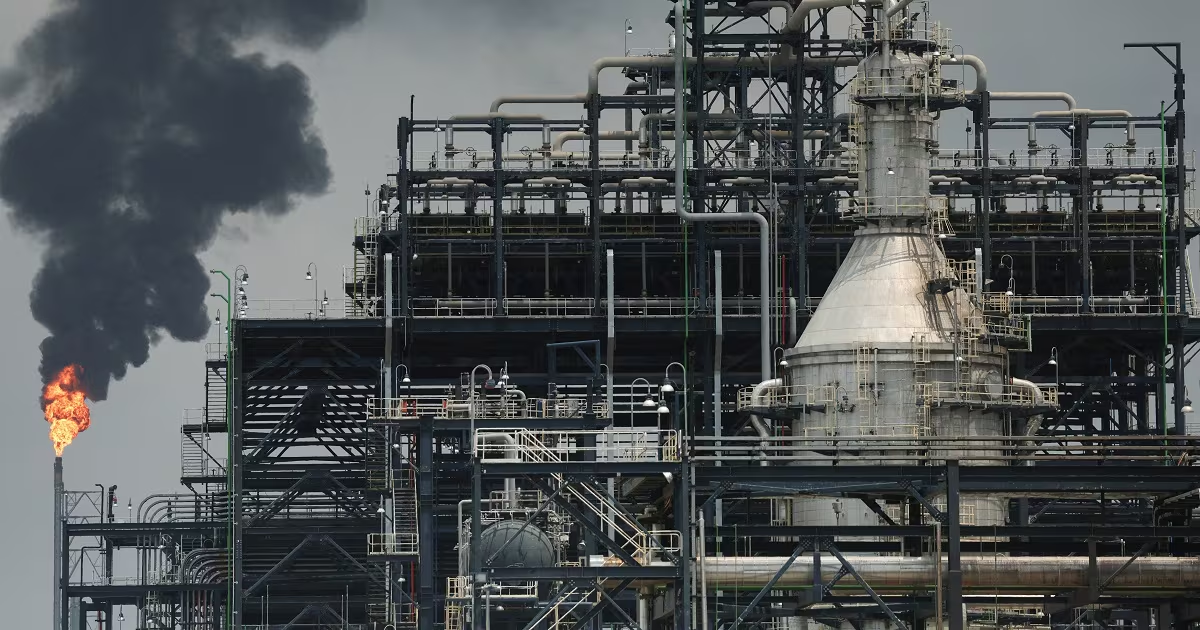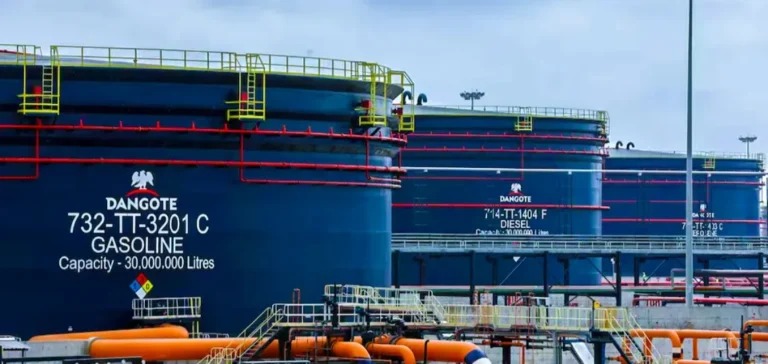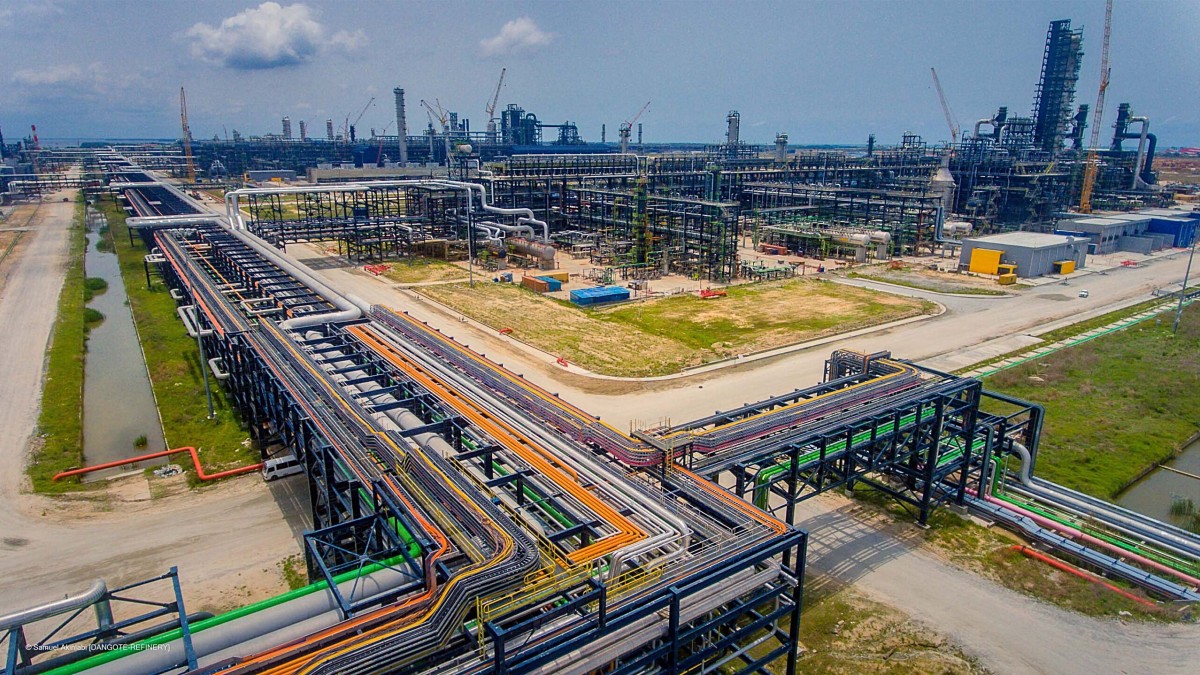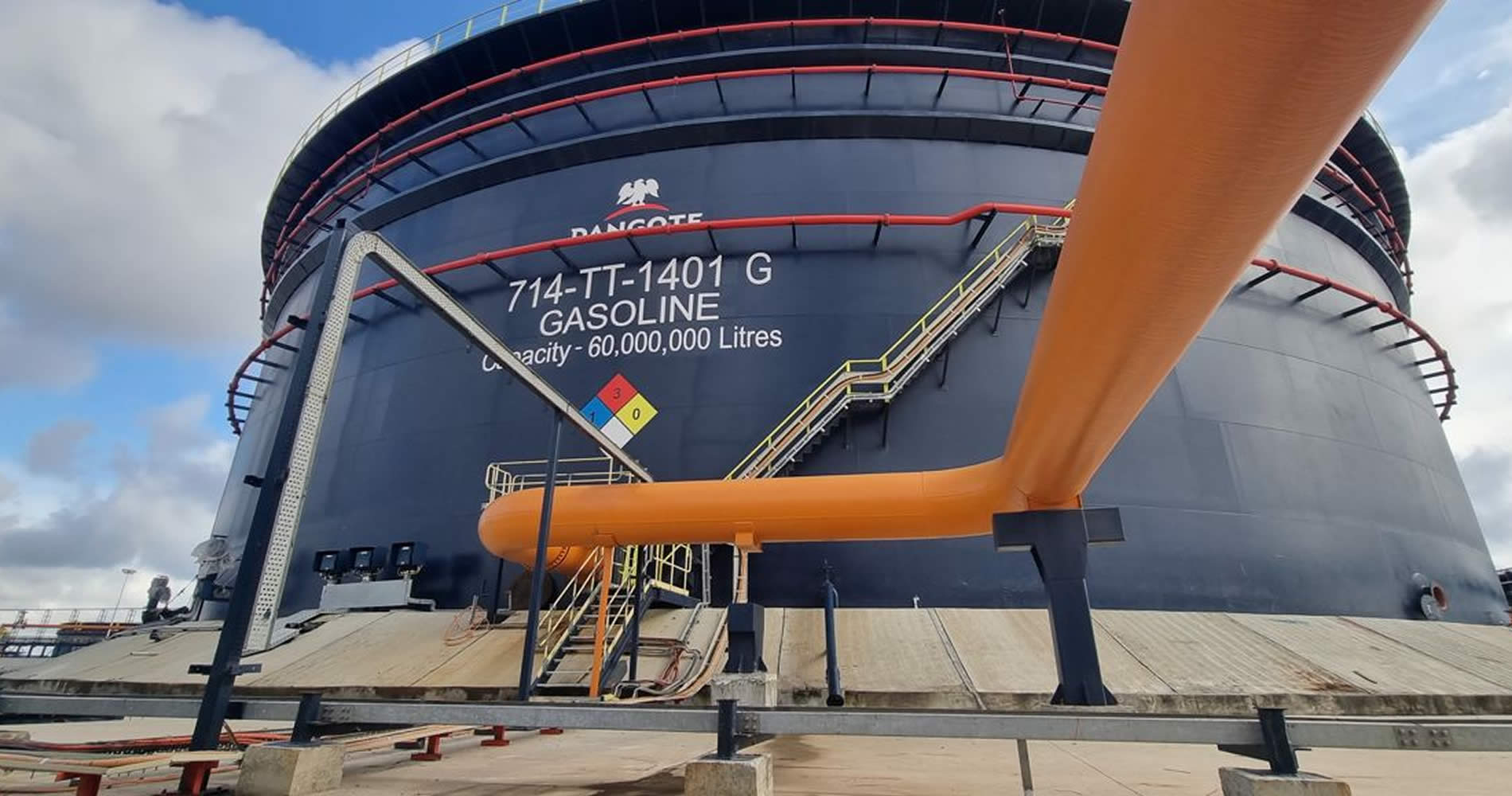
The emergence of world-class refining capacity in Nigeria led by the Dangote Petroleum Refinery represents more than an achievement in energy. It signals the possibilities of an economy increasingly defined by value addition, industrial capability, and productive investment, writes Peter Uzoho
For decades, conversations about Africa’s energy future have been dominated by a familiar question: Can the continent produce enough fuel to meet its own needs? While that question remains important, many people believe it is the wrong one.The more consequential question today is this: How can refining become a catalyst for broad-based economic transformation?Modern refining is no longer simply about converting crude oil into petrol, diesel, aviation fuel or petrochemicals. It has evolved into a strategic industrial platform capable of stimulating manufacturing, creating skilled jobs, strengthening national competitiveness, improving trade balances and attracting long-term investment.
Around the world, countries that have successfully leveraged refining have done so not merely by producing fuel but also by building integrated industrial ecosystems around it.Nigeria now stands at a pivotal moment in that journey. As Africa’s largest crude oil producer and one of its largest consumer markets, Nigeria has long carried the paradox of exporting crude while importing significant volumes of refined petroleum products.The economic implications of this model have been substantial; from pressure on foreign exchange reserves to supply vulnerabilities and lost opportunities for industrial expansion. Addressing this imbalance is therefore, not simply an energy policy objective; it is an economic development imperative.