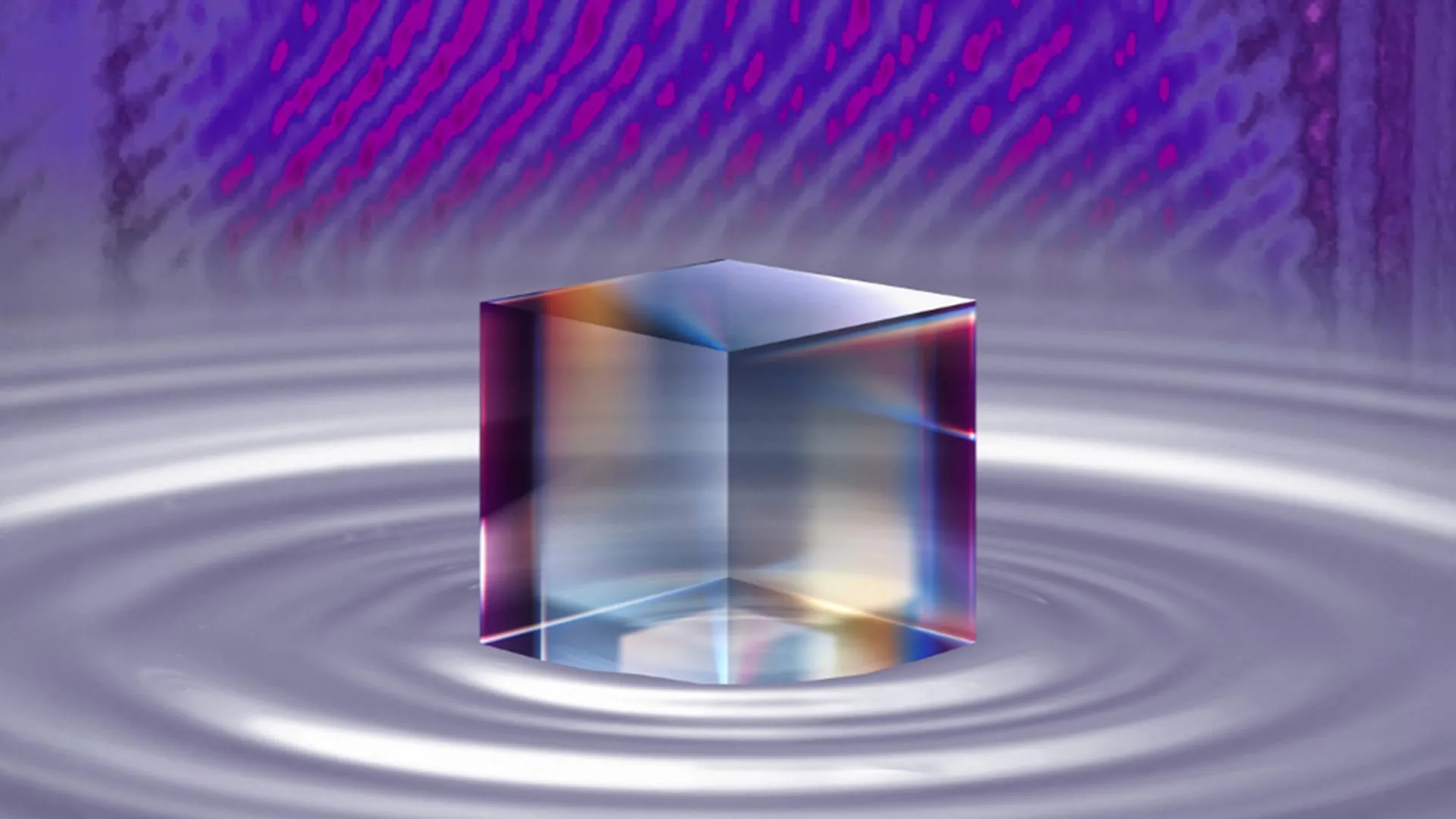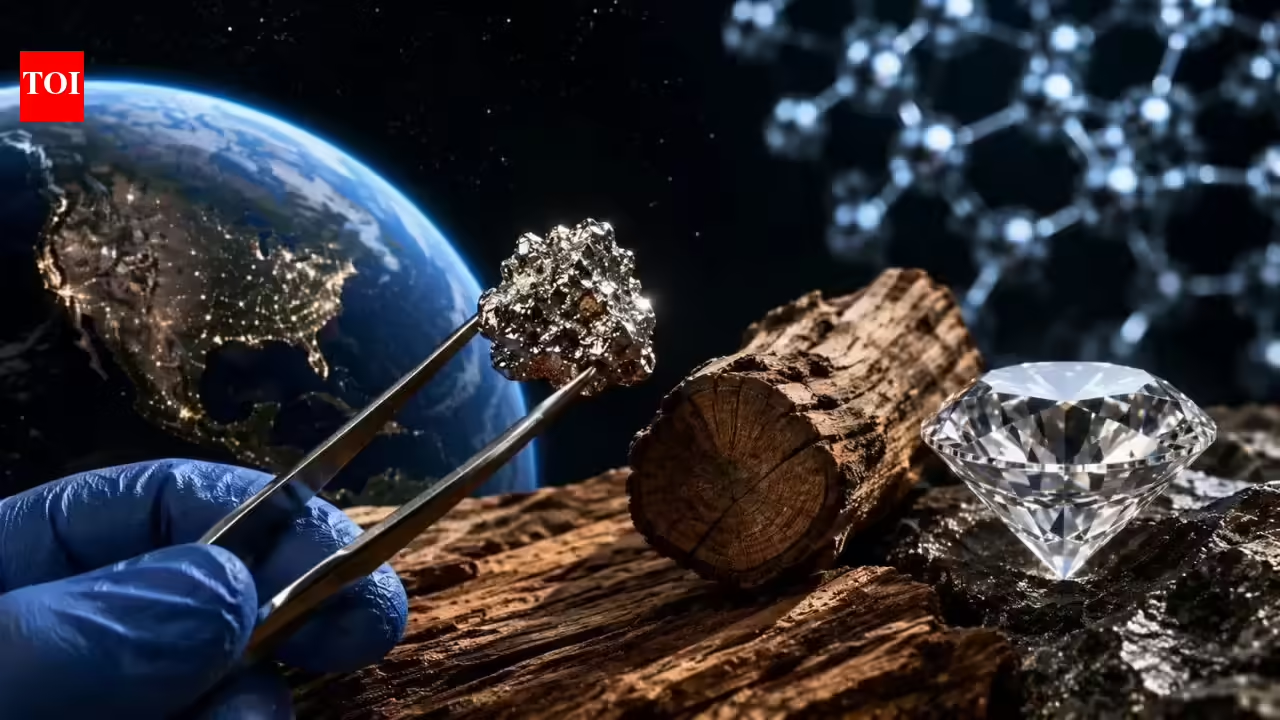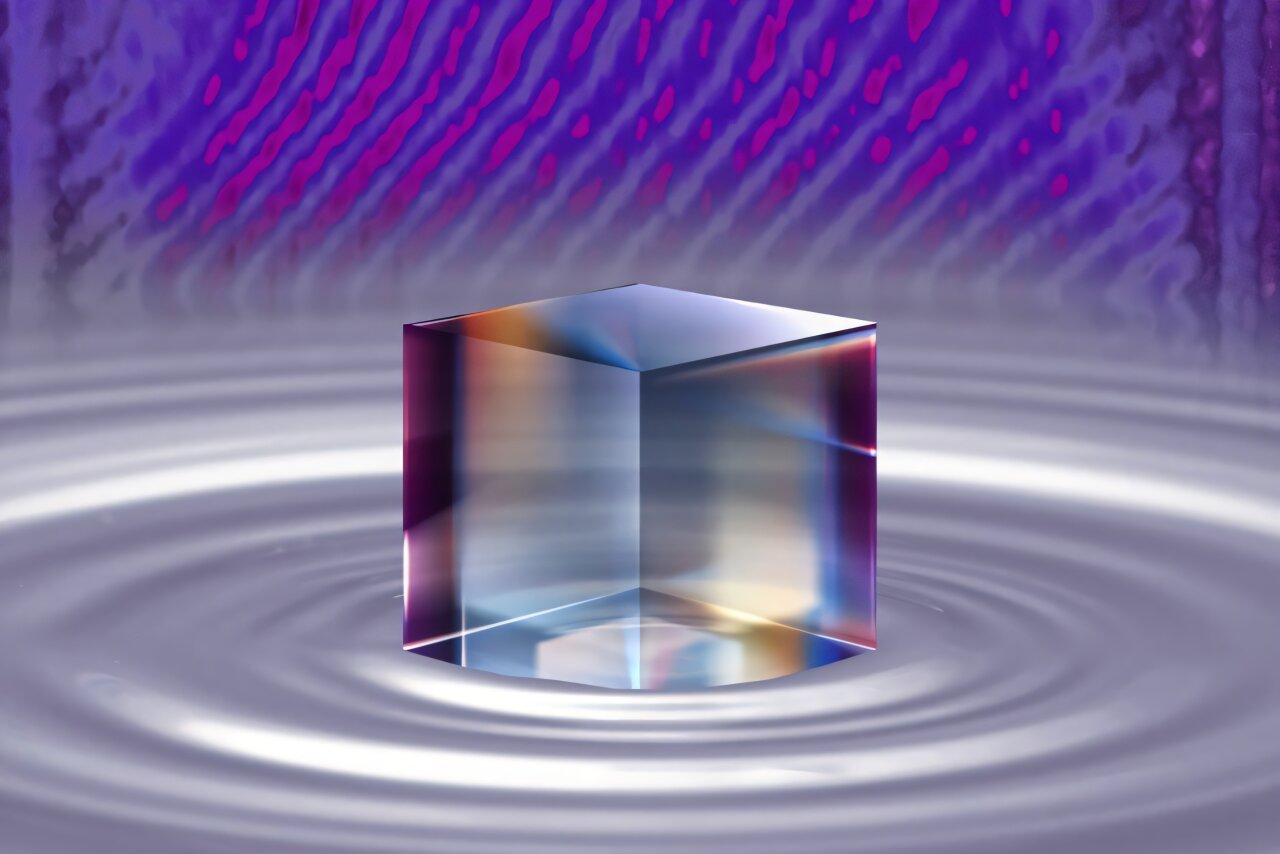
Artist's concept of the diamond target melting. Credit: James Wickboldt/LLNL
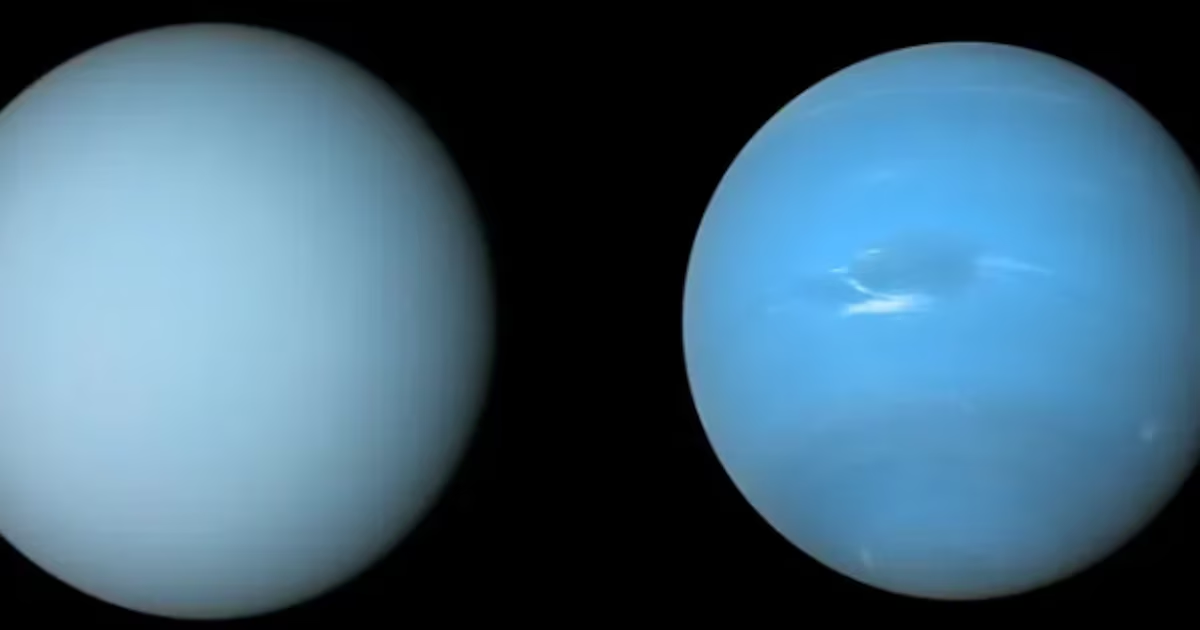
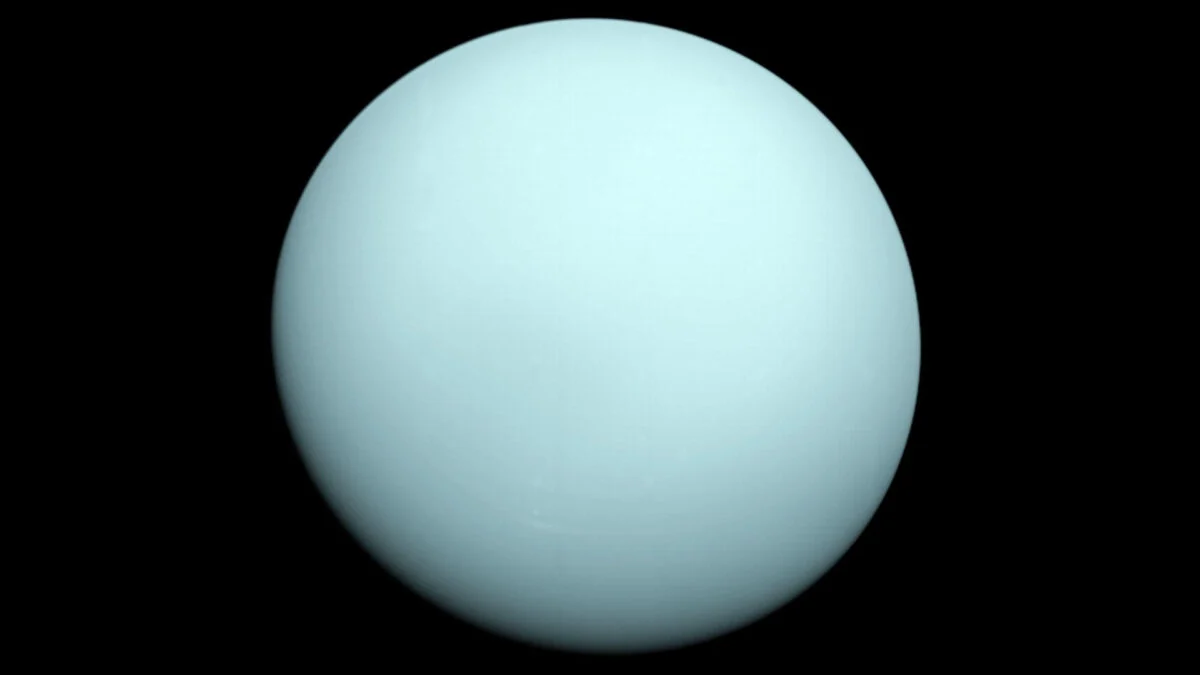
Some of the strangest weather in the solar system doesn't happen on Earth or even in Jupiter's Great Red Spot—it happens in the interiors of ice giants like Neptune and Uranus. Specifically, scientists have long believed that, at certain pressures and temperatures, it literally rains diamonds inside these planets. For the first time, scientists have mimicked the process they believe creates this phenomenon.
A new paper by physicists at Lawrence Livermore National Laboratory (LLNL), published in Nature Physics, resolves the 20-year-old scientific mystery and shows how the same physics that makes it rain diamonds inside Neptune could also help us triple our fusion energy output.
Let's talk about the actual experiment first. The LLNL scientists set up their experiment at the University of Rochester's Omega Laser Facility—which does exactly what its name suggests. In this case, the laser vaporized the outer layer of a diamond sample, and the scientists watched it with as many sensors as they could, including an ultrafast technique called X-ray diffraction. That vaporization sent a huge shock wave through the interior of the diamond itself, compressing it to pressures more than three times that of Earth's core, with resulting temperatures equivalent to the surface of the sun—but only for a billionth of a second.