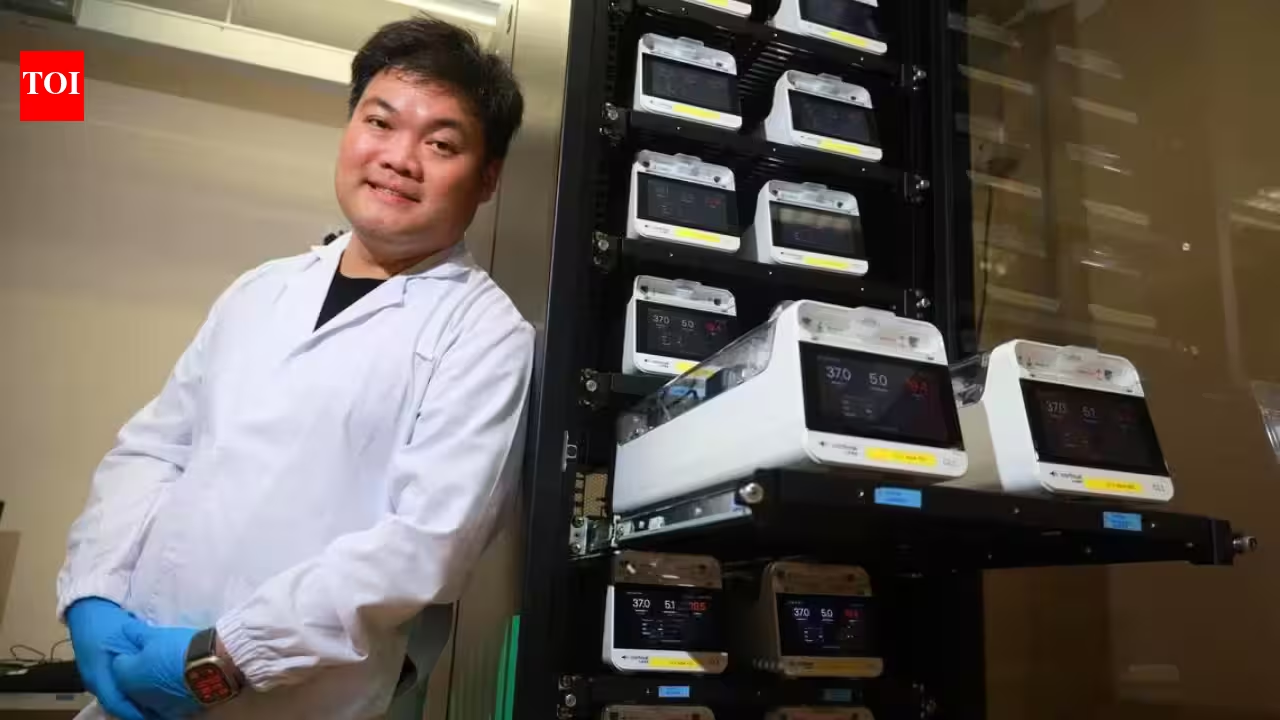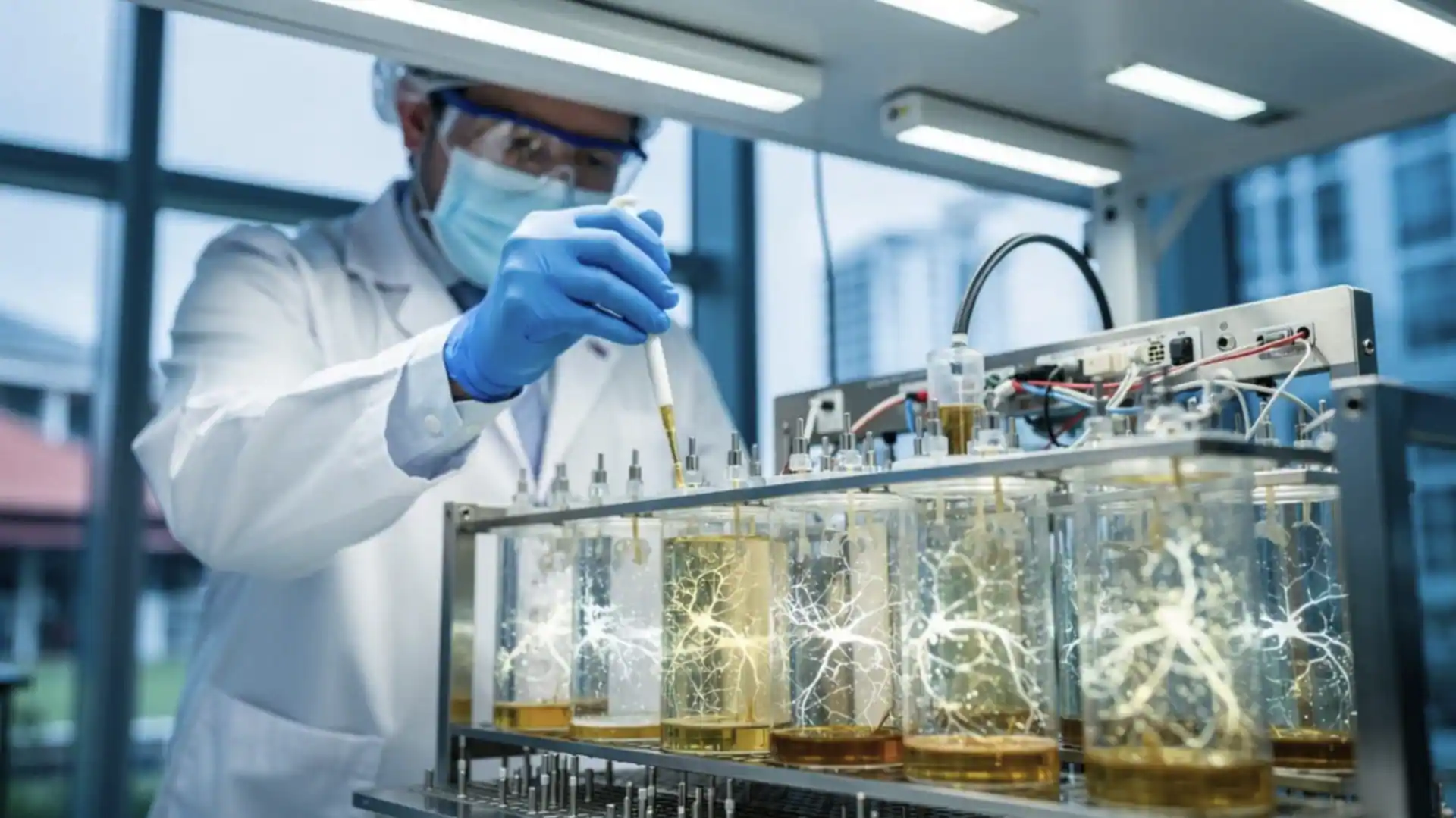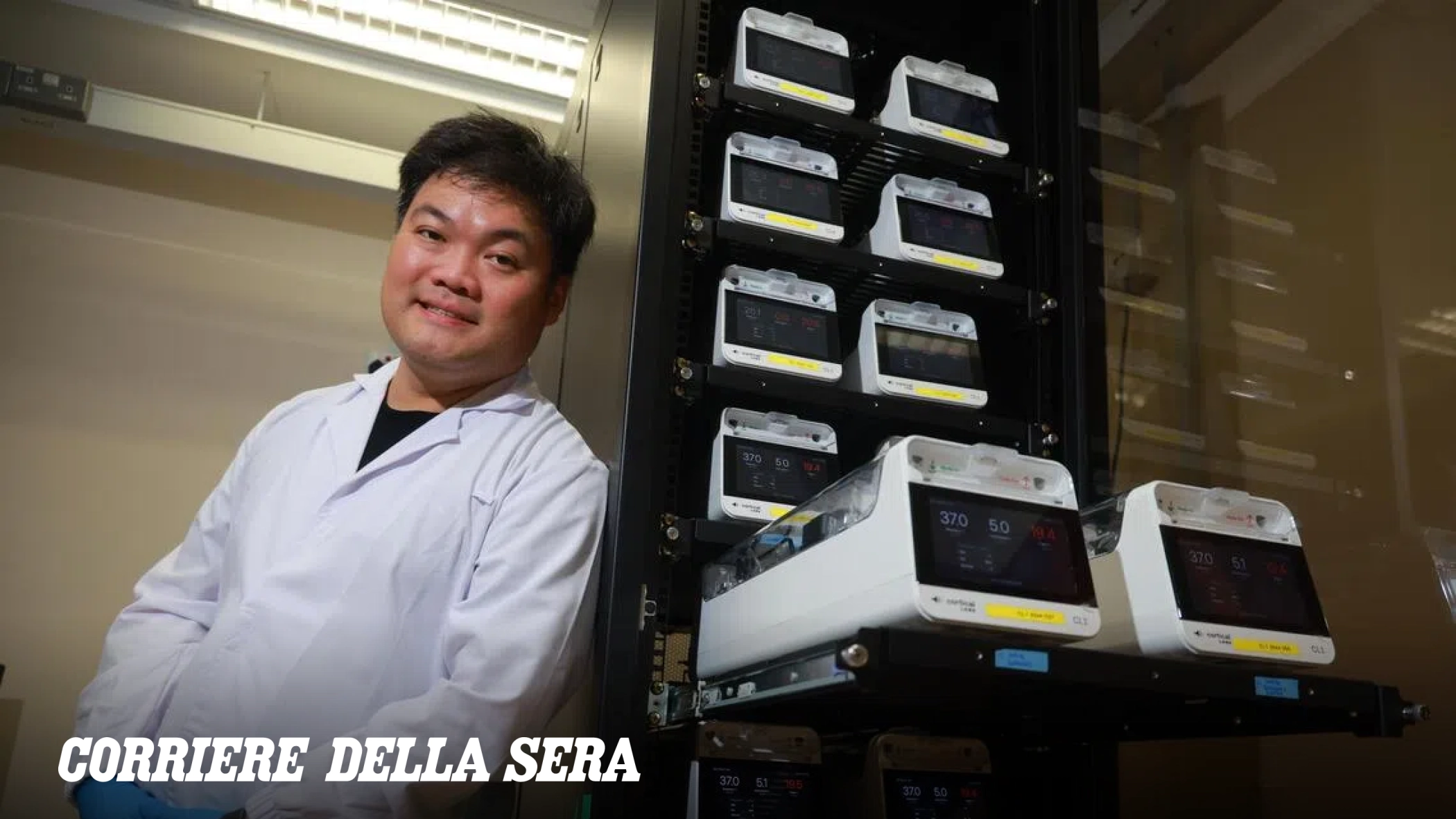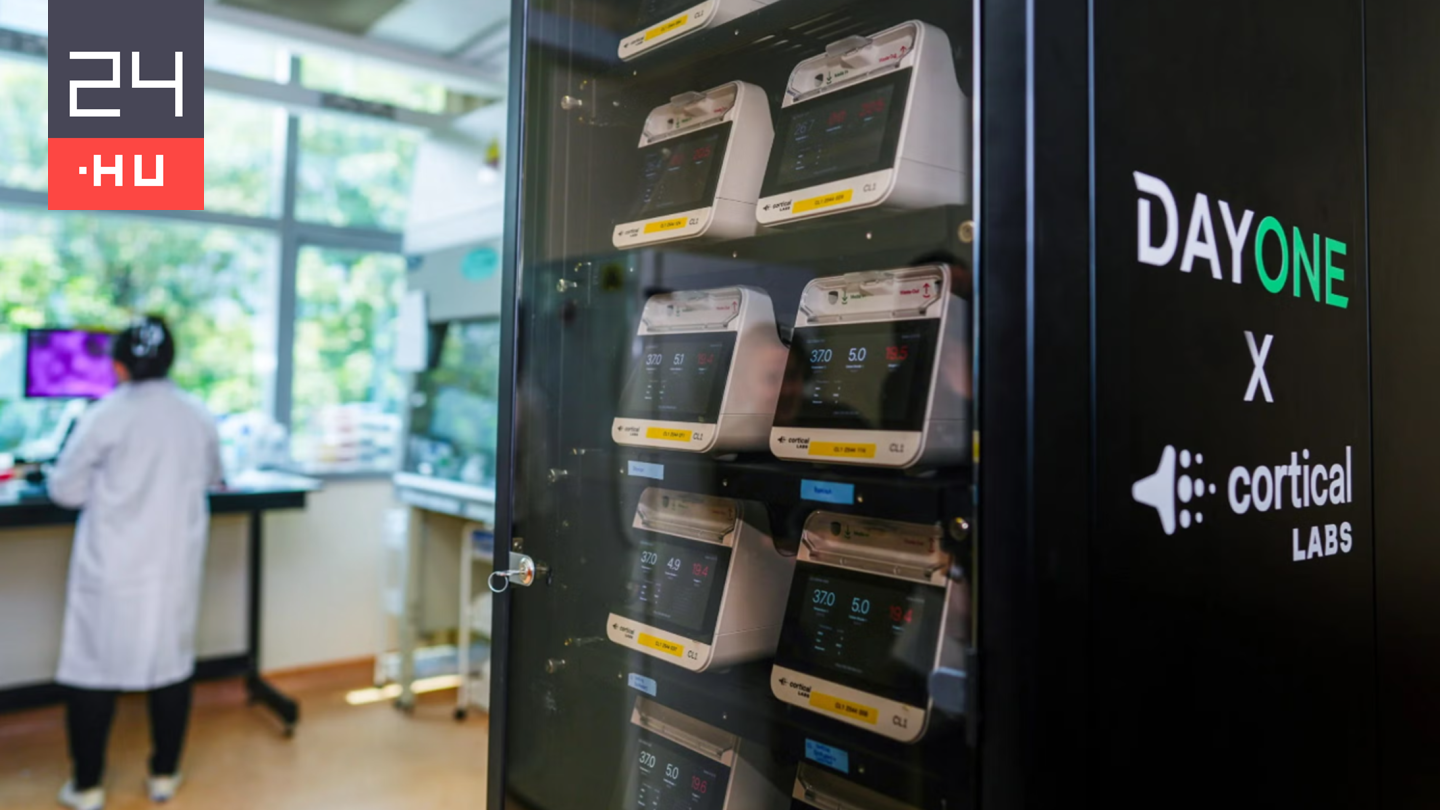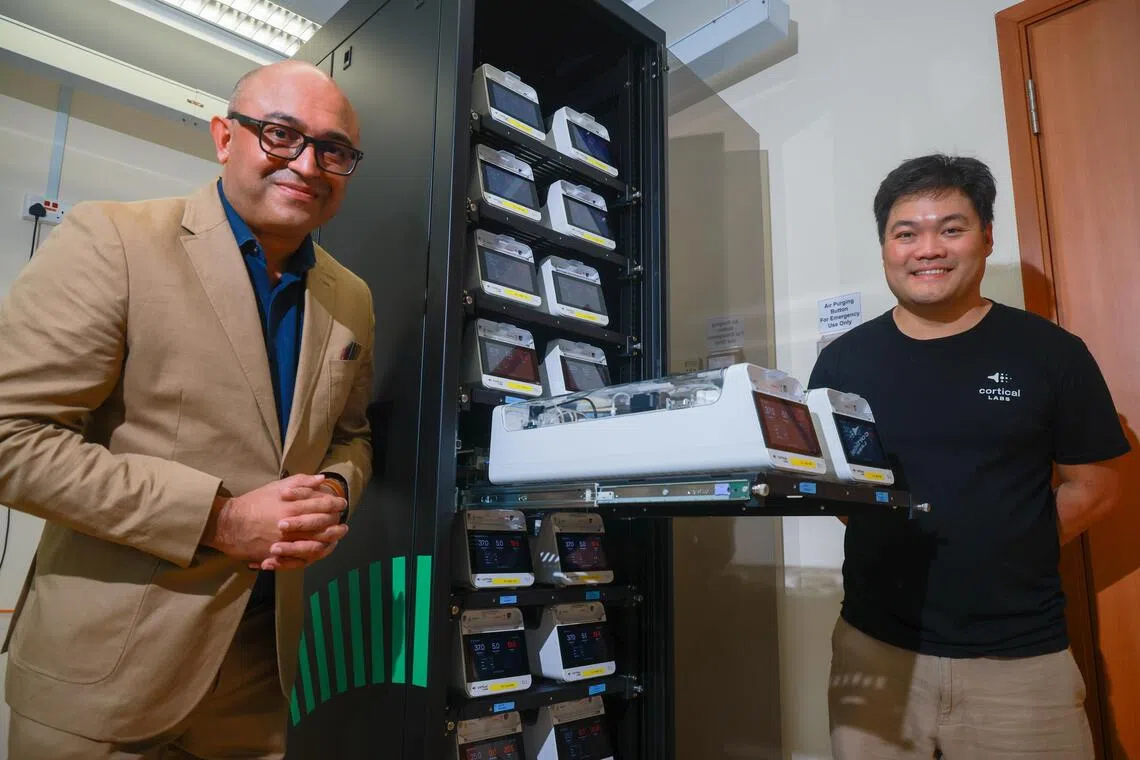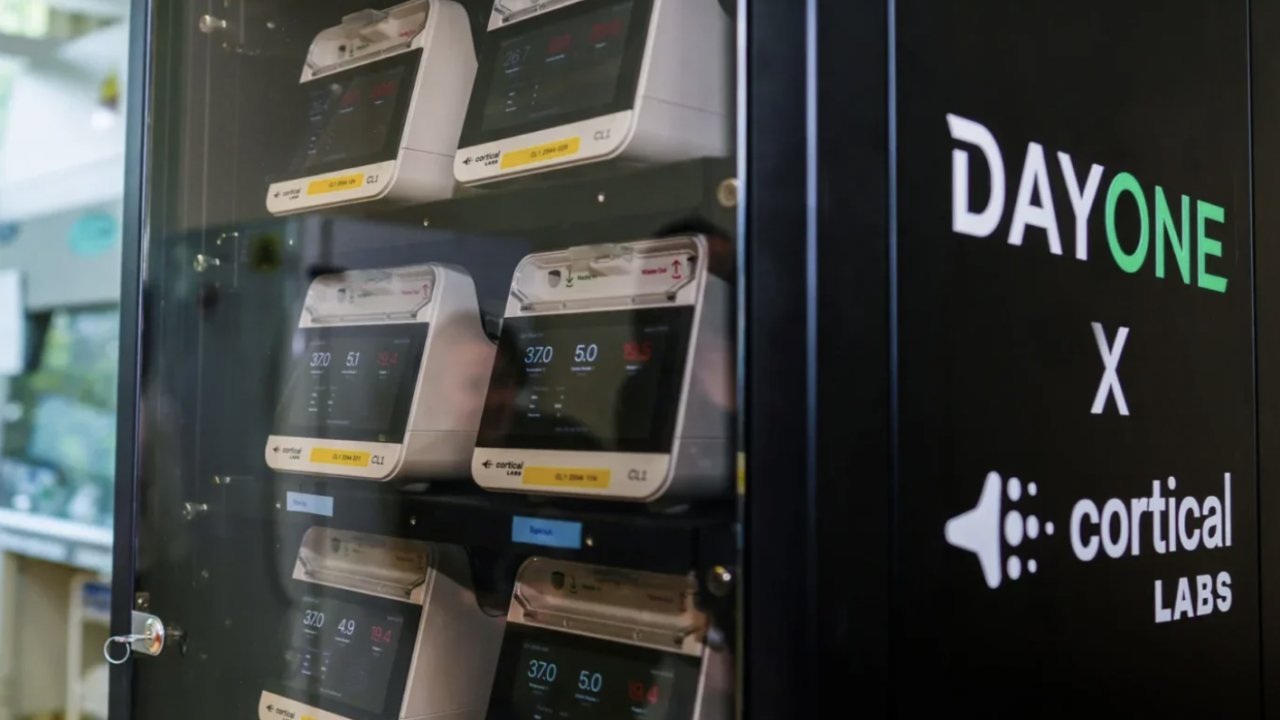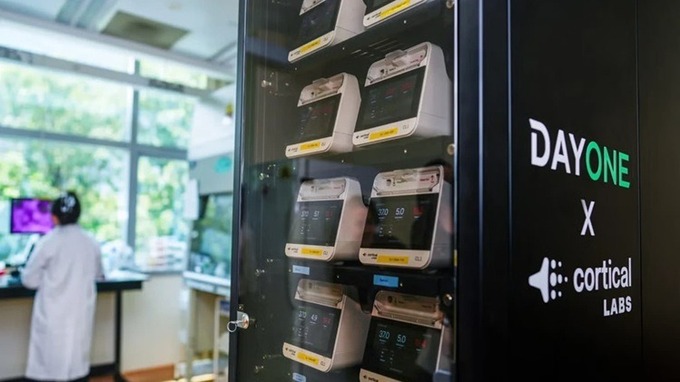
The prototype was built by NUS Medicine with Singapore-headquartered data center developer DayOne and Melbourne-based Cortical Labs, and sits at the university's Life Sciences Institute. It went live on July 16 and was demonstrated to more than 80 guests from industry and academia on Aug. 6 before NUS Medicine announced it publicly on Aug. 17.
The three partners describe the installation as the first independently operated biologically integrated server rack in the world, and as a step toward Singapore's first large-scale biological data center. Cortical Labs already runs about 120 of the same units in a small data center in Melbourne, the company told Euronews in April.
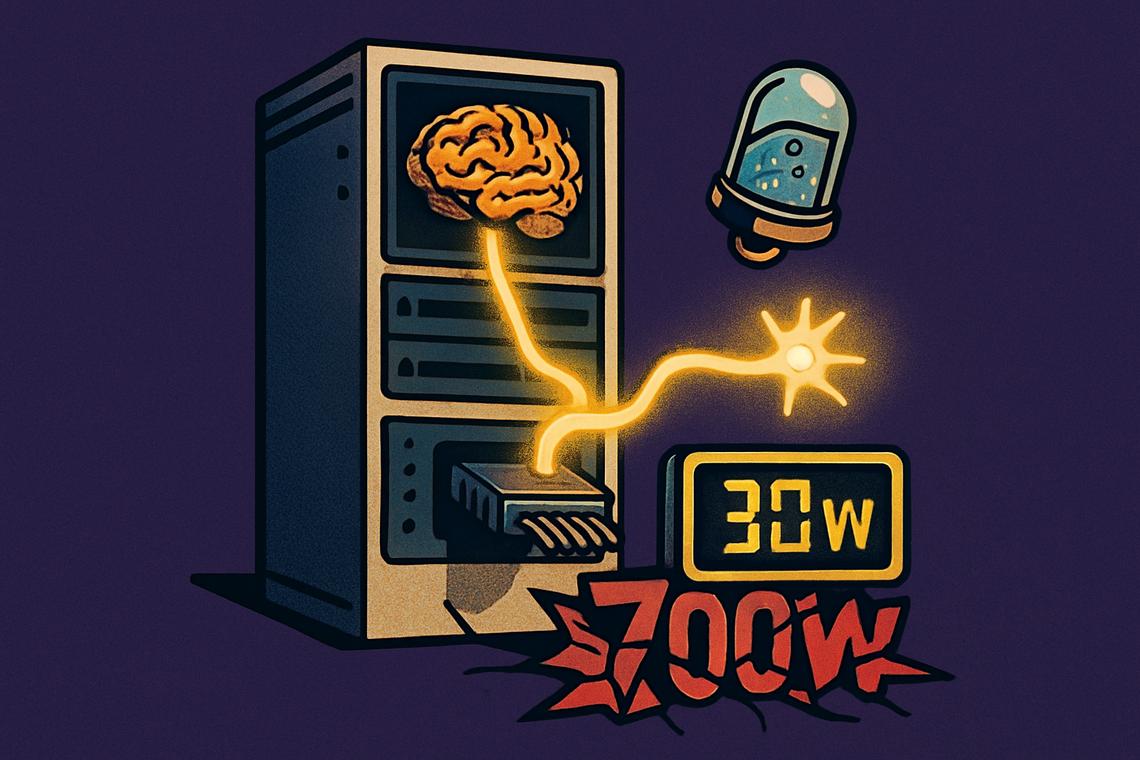
Each unit draws about 30 watts including its life support systems, less than a handheld calculator, and the neurons produce so little heat that the cooling equipment dominating conventional data centers becomes largely unnecessary, The Straits Times reported.
Nvidia rates its H100 SXM accelerator at up to 700 watts under load, and the company's DGX H100 server, which carries eight of the chips, has a maximum draw of roughly 10.2 kilowatts.
The International Energy Agency reported in April that data center electricity demand rose 17% in 2025 against 3% growth in global electricity demand overall, and projected that consumption will double by 2030. In Southeast Asia, data center power demand is expected to quadruple from 2.6 gigawatts in 2025 to 10.7 gigawatts by 2035, Computer Weekly reported.