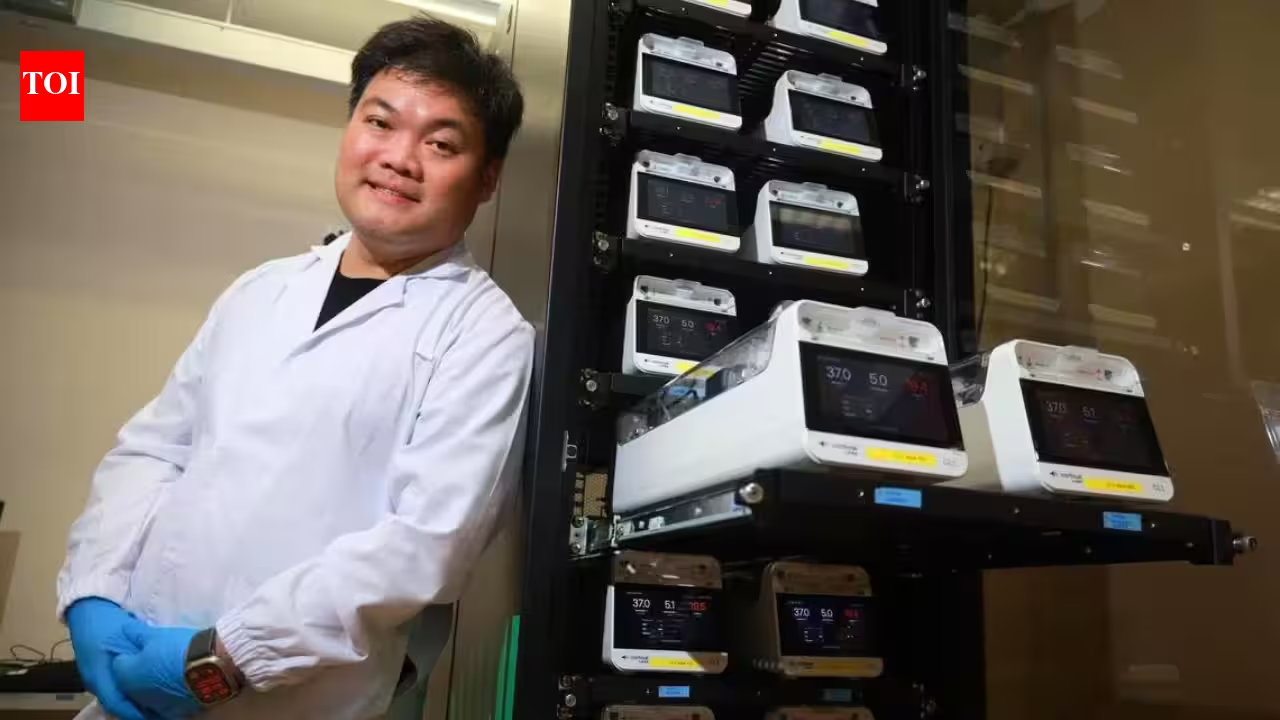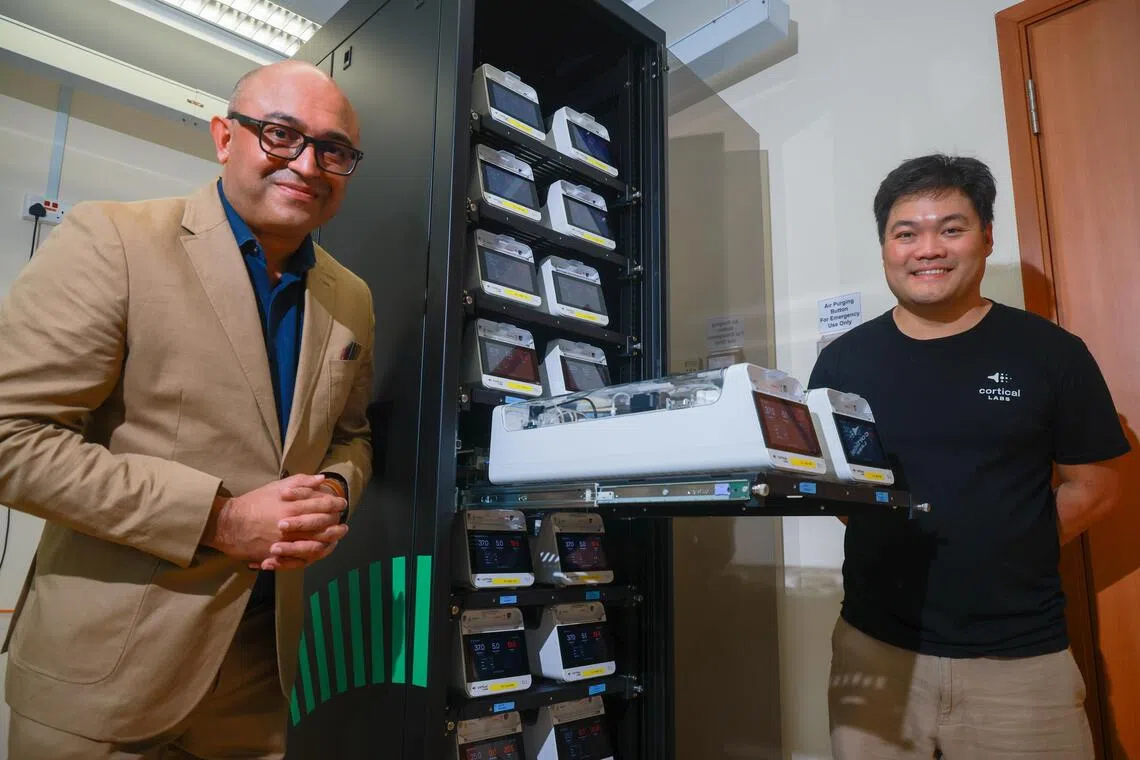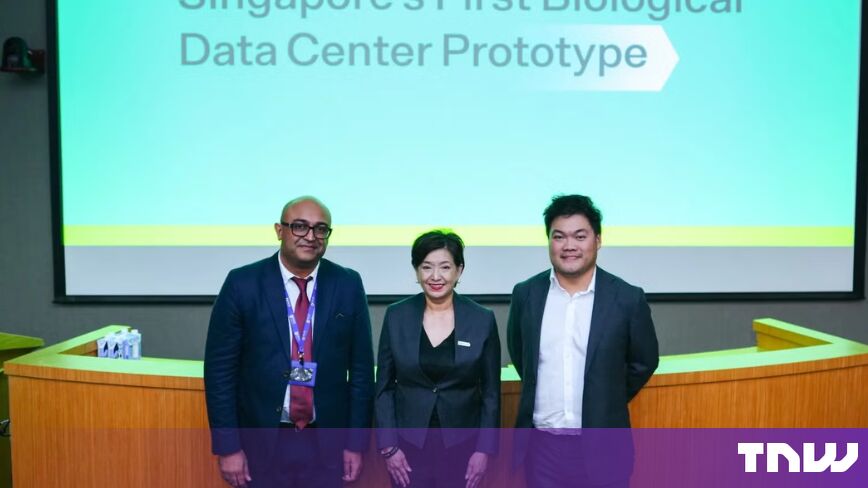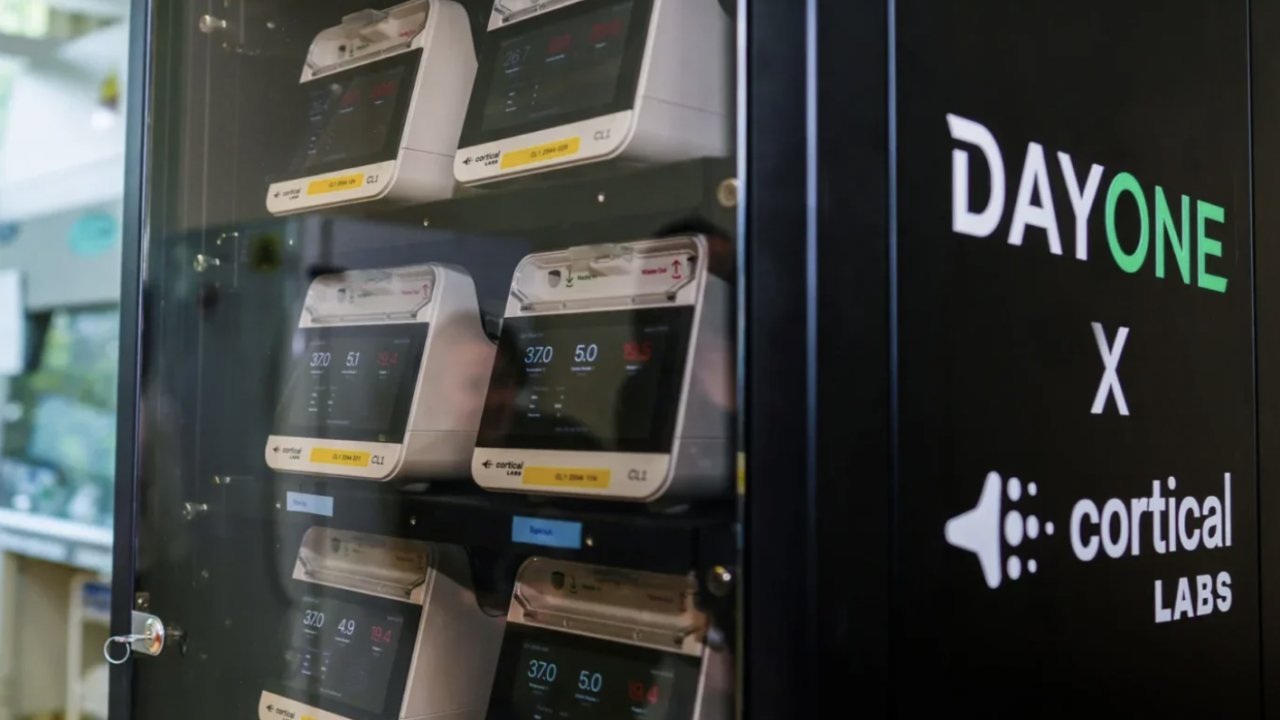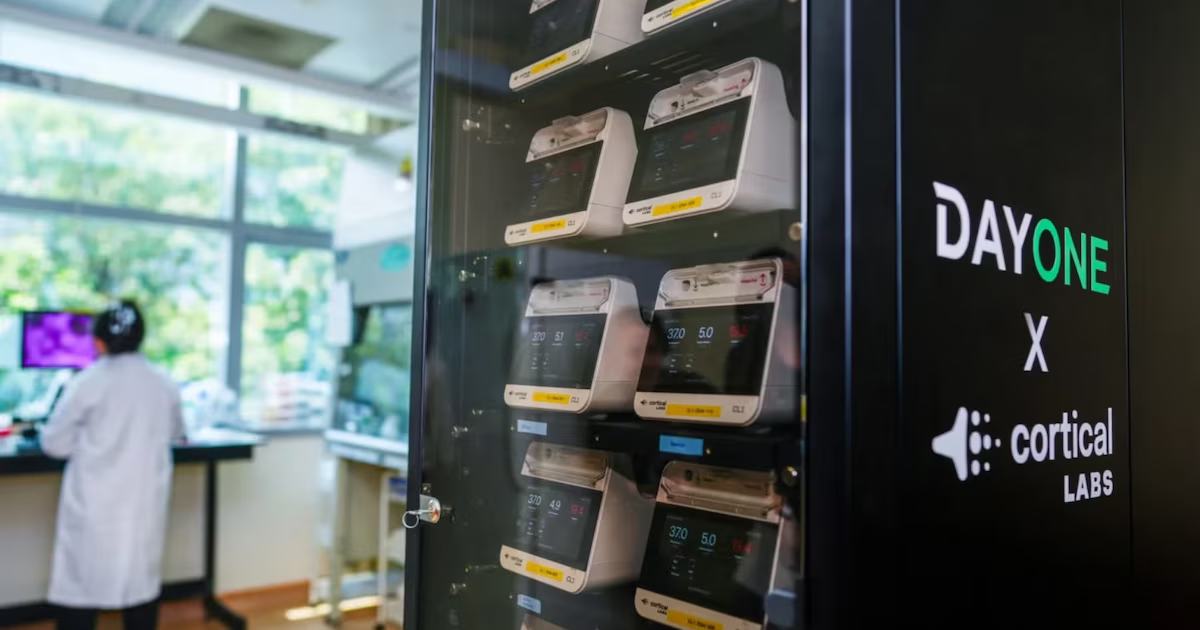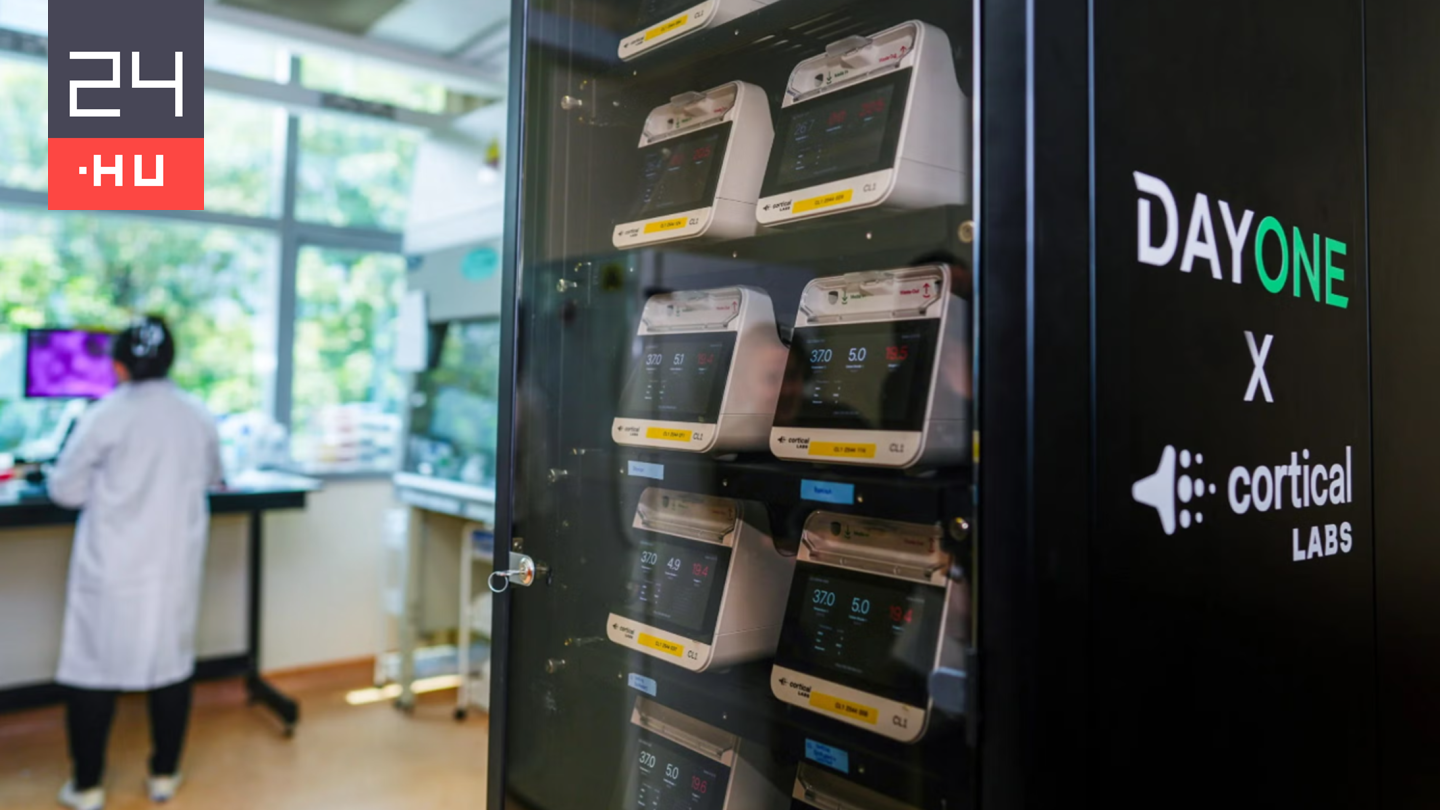
A data center in Singapore is now running on human brain cells. That sentence reads like the opening crawl of a sci-fi movie, but it’s a real thing happening at the National University of Singapore’s Life Sciences Institute, where 20 biological computing units containing lab-grown human neurons went live on July 16.
The system, publicly unveiled on August 6, represents the world’s first independently operated biologically integrated server rack. It was built through a collaboration between NUS Medicine’s Yong Loo Lin School of Medicine, Melbourne-based biotech startup Cortical Labs, and Singapore data center operator DayOne.
How it works, without the sci-fi jargon
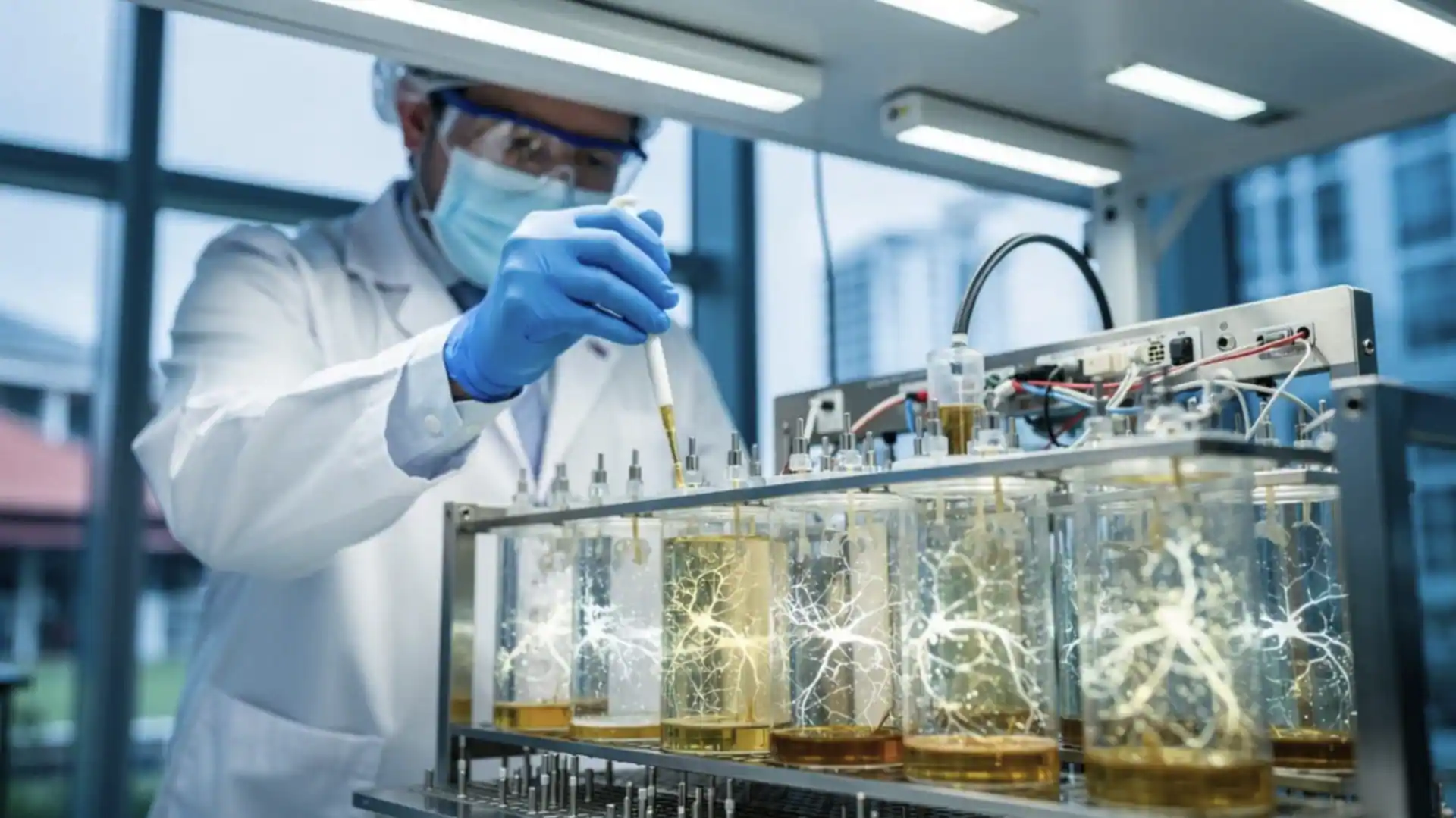
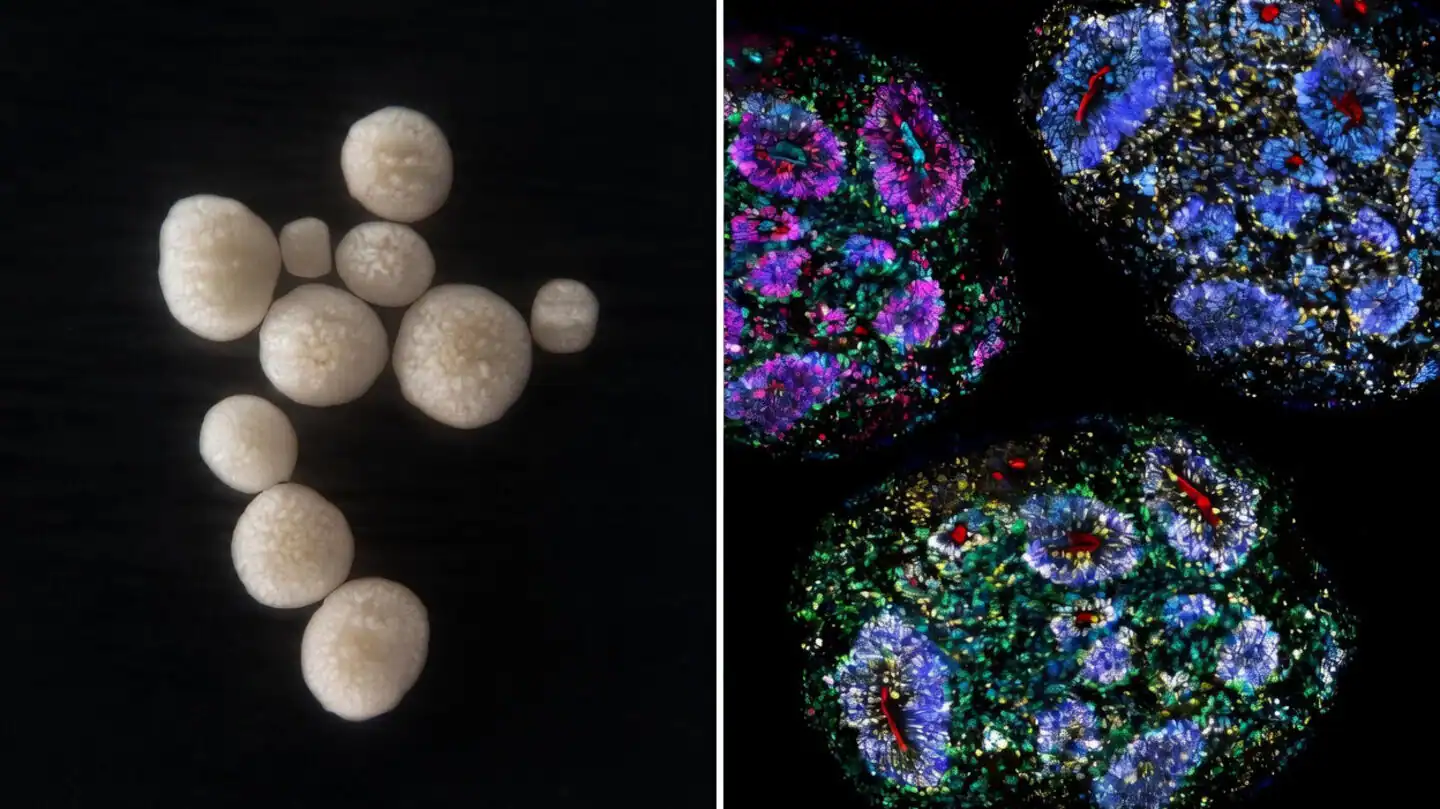
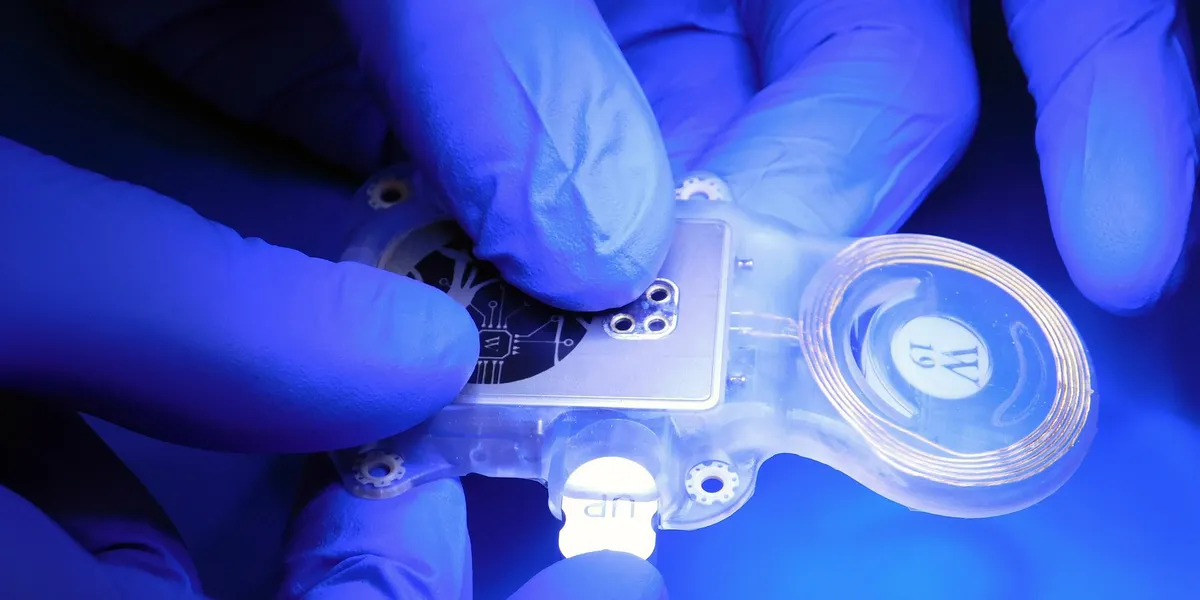
Each of Cortical Labs’ CL1 units houses between 200,000 and 800,000 human cortical neurons grown in a lab, not harvested from anyone’s skull. These neurons sit on silicon-based microelectrode arrays, creating a hybrid system where biological tissue and traditional chips work together.
The cells need feeding every three days and are kept alive by dedicated life-support equipment that maintains precise gas mixtures of CO2, oxygen, and nitrogen, along with carefully controlled temperatures. Their operational lifespan runs about six months before they need to be replaced.