NUS Medicine, data centre operator DayOne and Melbourne’s Cortical Labs have unveiled a biological data centre prototype in Singapore, built from a 20-unit rack of neuron-powered CL1 computers. The efficiency claim central to the project comes with no published figures.
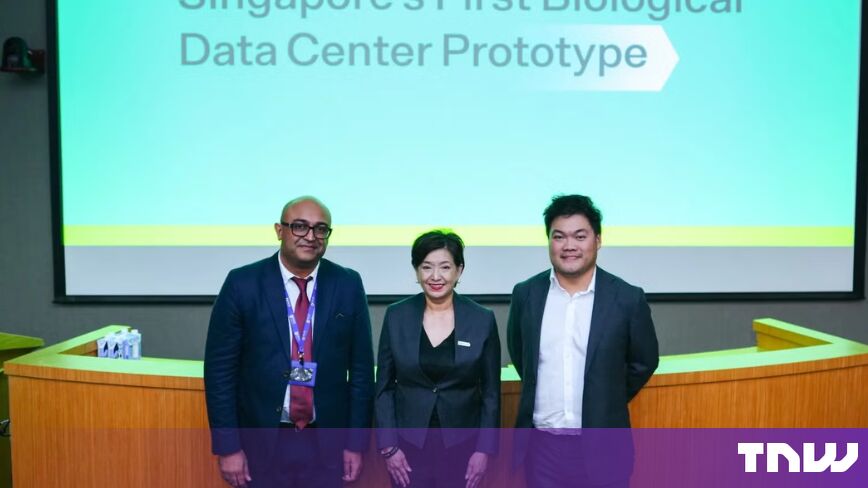
A rack of computers running on living human neurons has been switched on in Singapore. NUS Medicine, the data centre operator DayOne and Melbourne’s Cortical Labs showed the prototype to about 80 guests on 6 August.
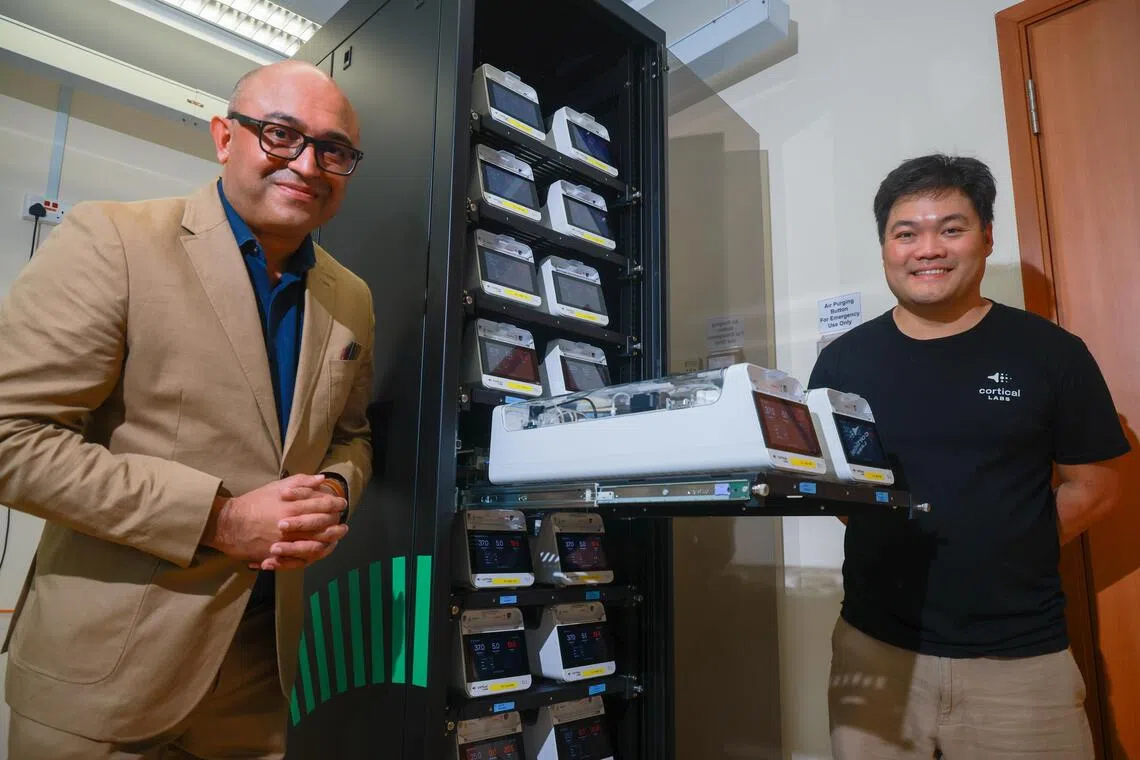
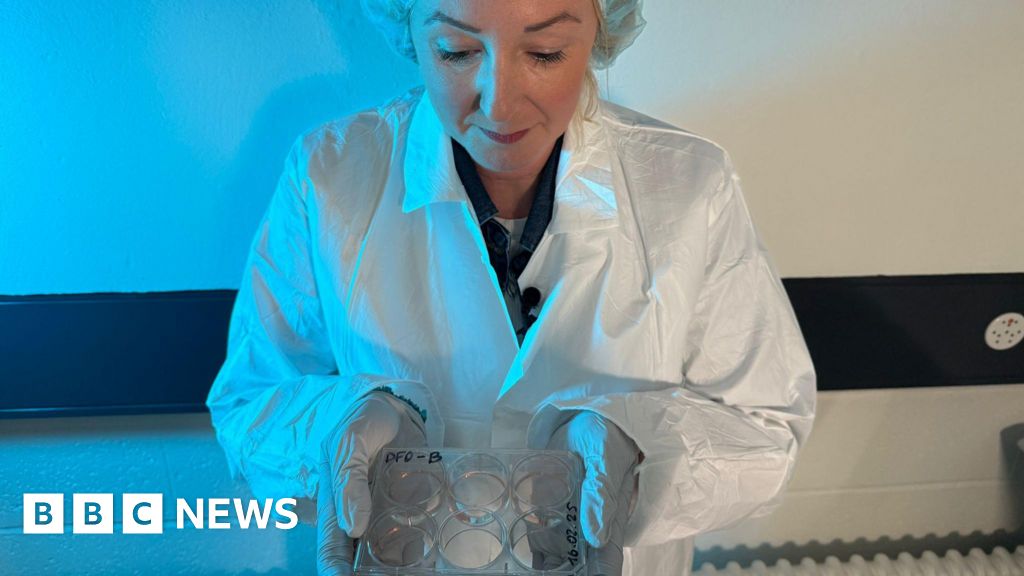
The hardware is 20 CL1 units, which the partners describe as the first independently operated biologically integrated server rack anywhere. The neurons are grown from stem cells and cultured at the NUS Life Sciences Institute.
The argument for it is electricity. Biological computing is presented as a way to scale AI capacity at a fraction of the power that silicon servers demand.
The announcement contains no figures to support that. Cortical Labs’ own published specification puts a single CL1 at 850 to 1,000 watts, which makes this rack a device drawing up to 20 kilowatts.