Commentary
If another hazard arrives before systems have recovered, it encounters a place with less resilience and a weakened infrastructure, say two researchers.
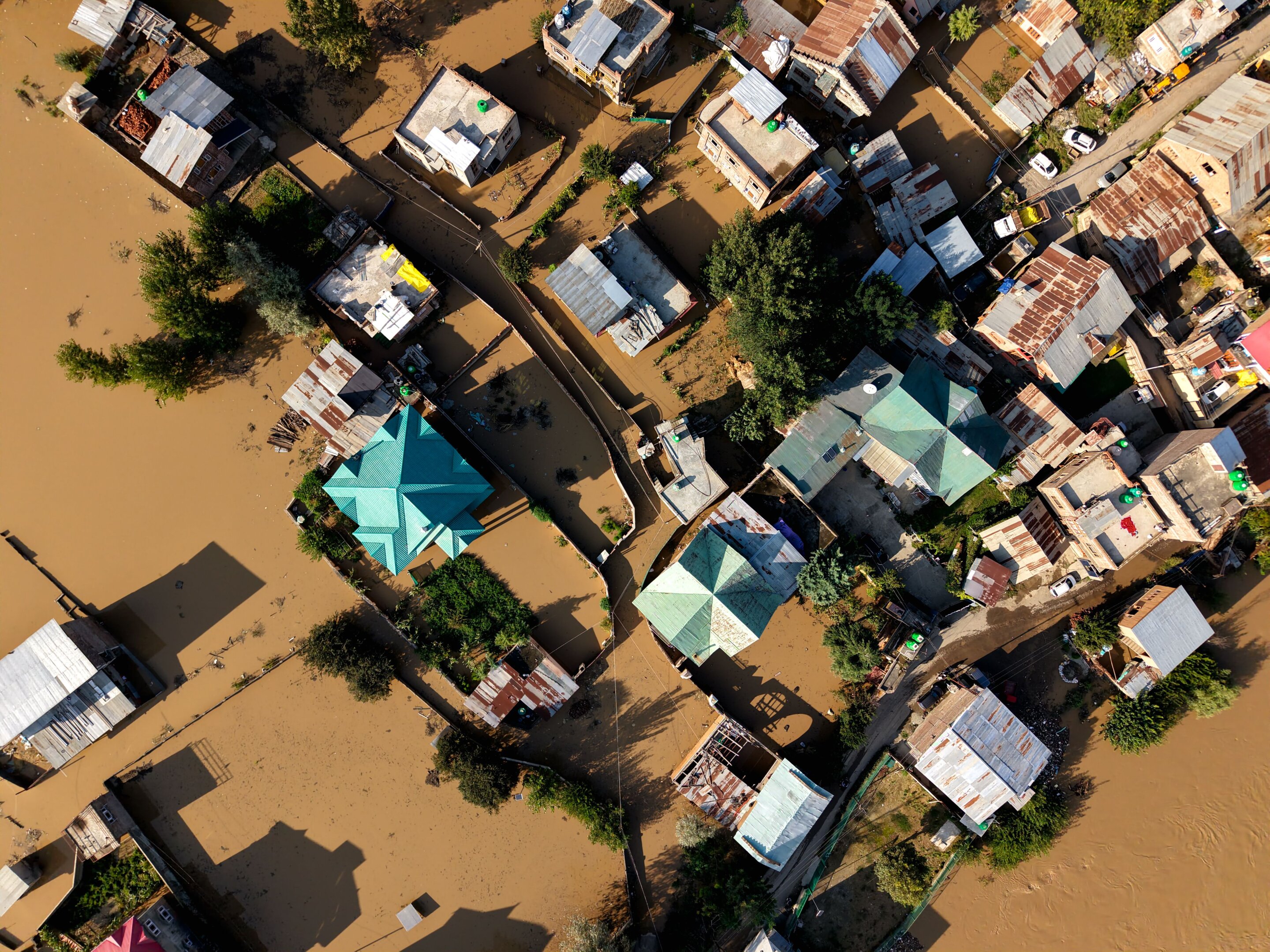
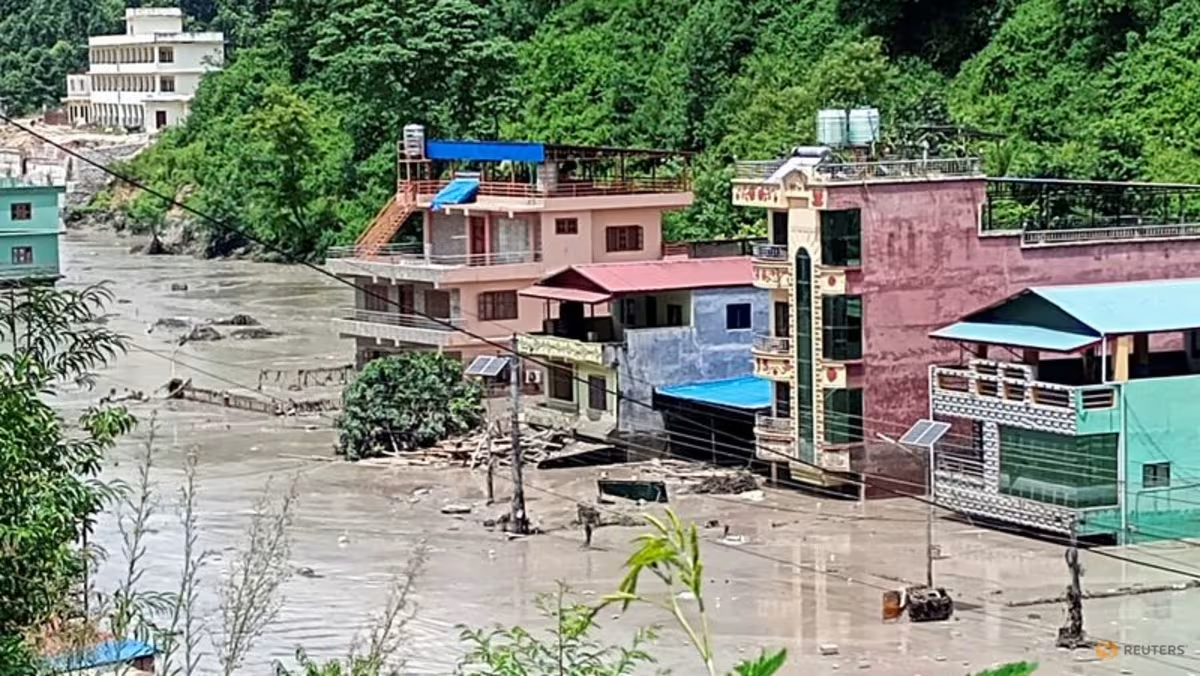
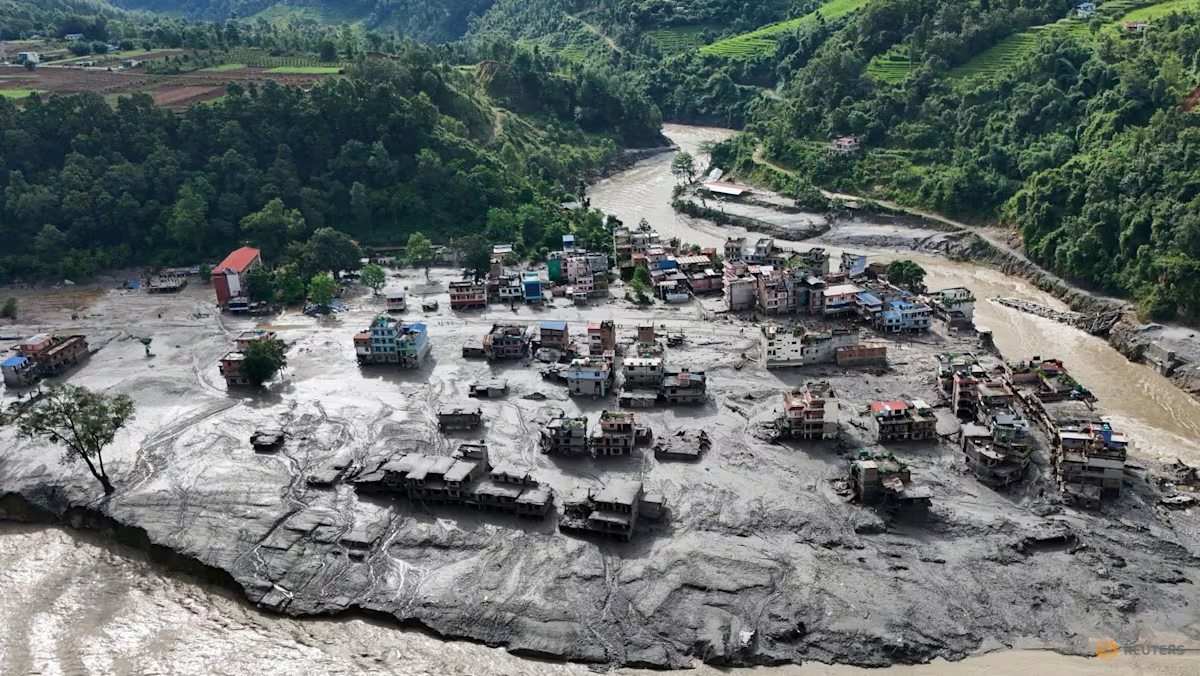
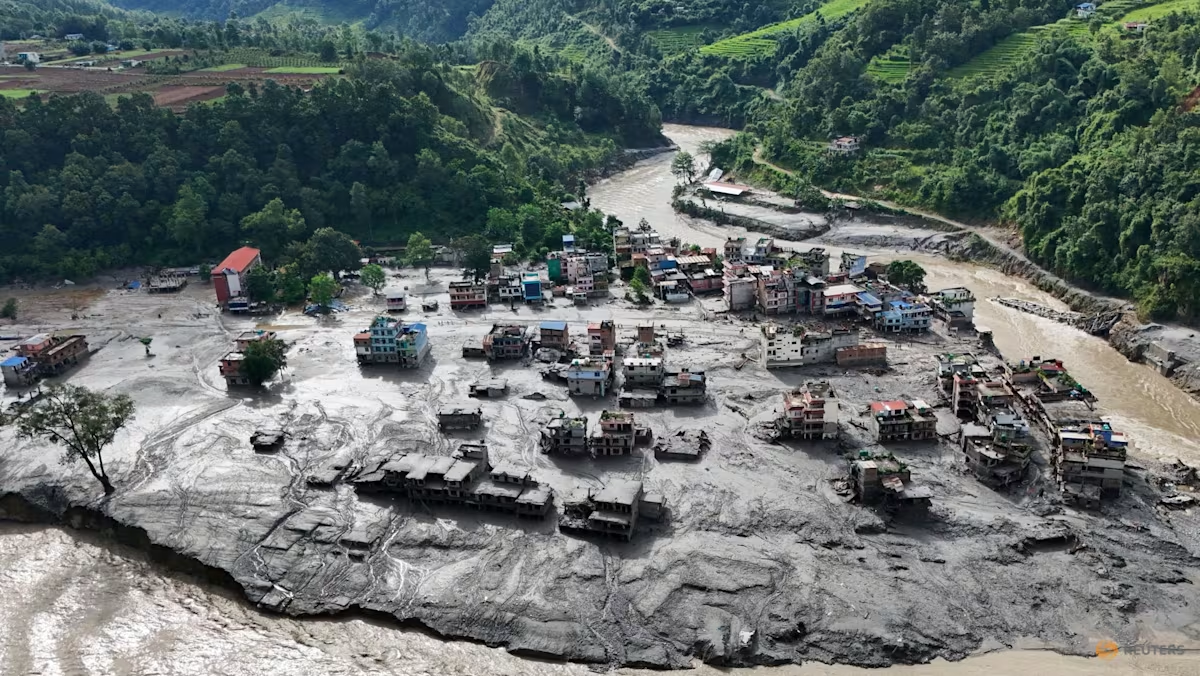
A drone view shows mud covering buildings and property following devastating floods at Trishuli in Nuwakot district, Nepal, on Aug 27, 2026. (Photo: Reuters/Navesh Chitrakar)
29 Aug 2026 05:59AM
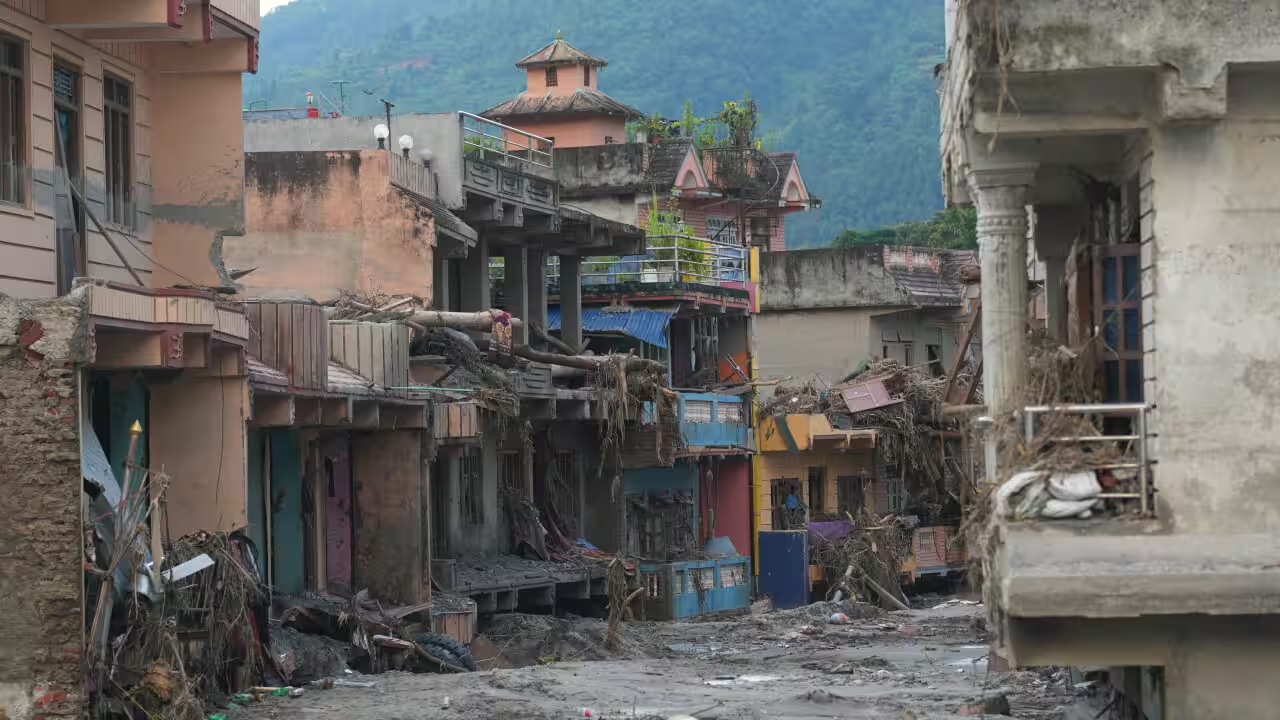
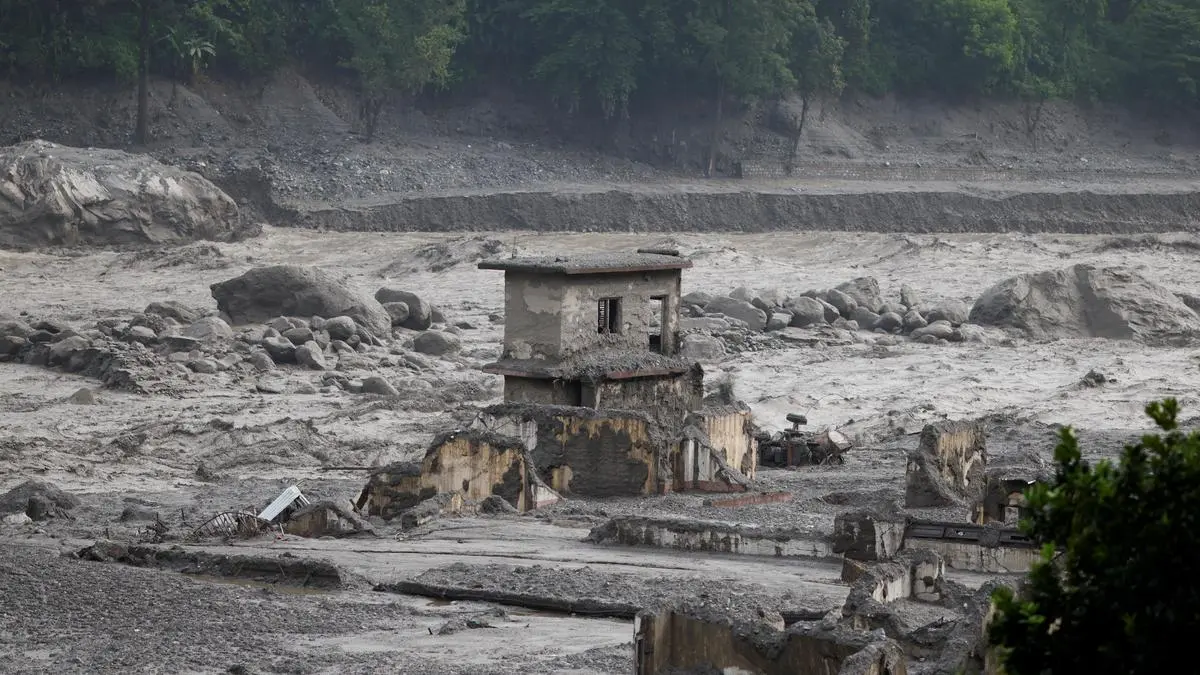
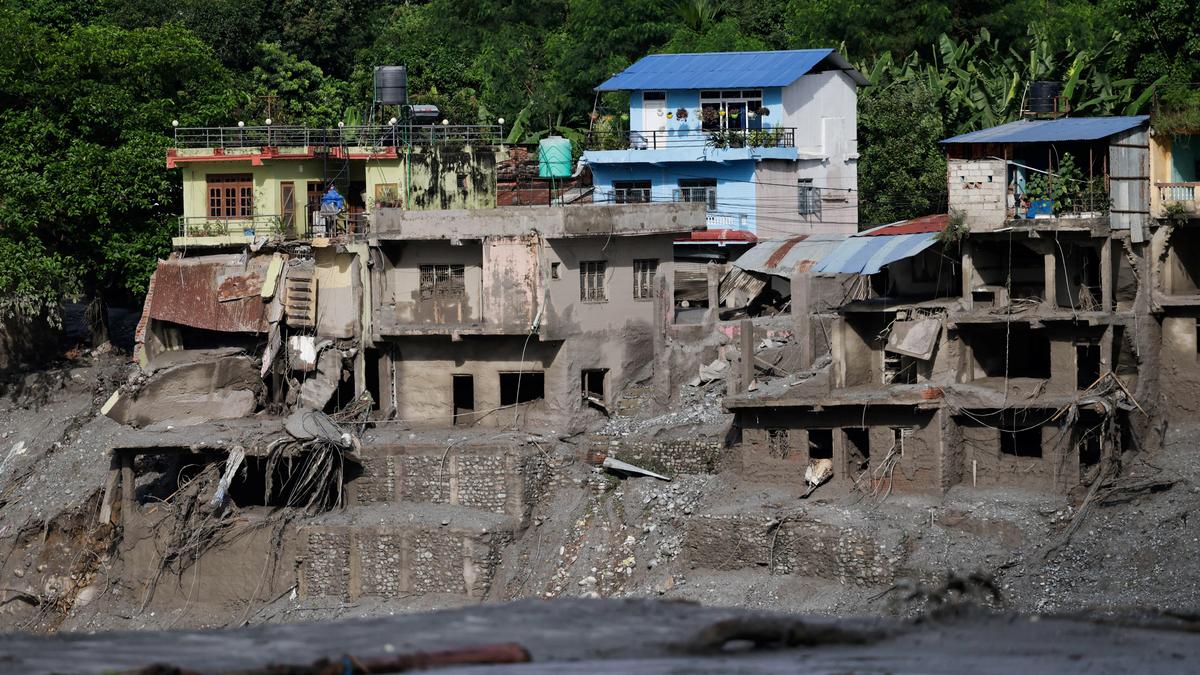
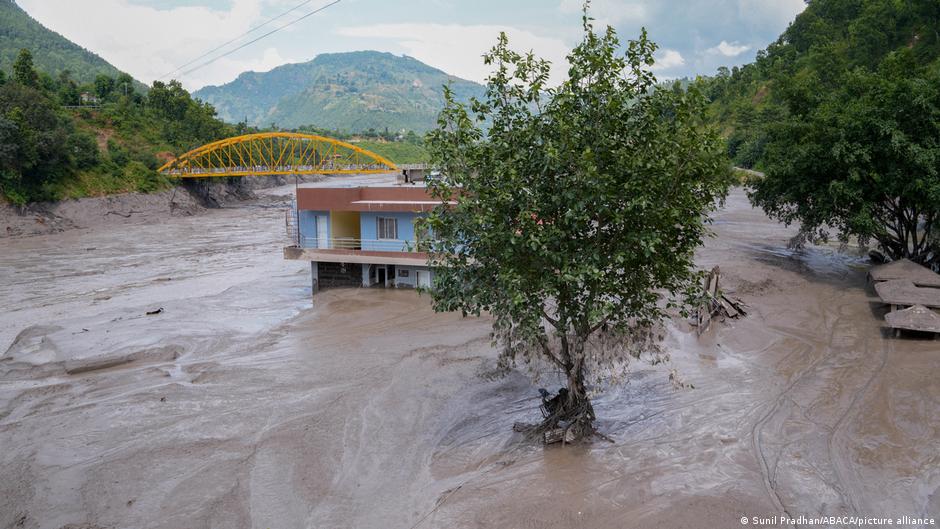
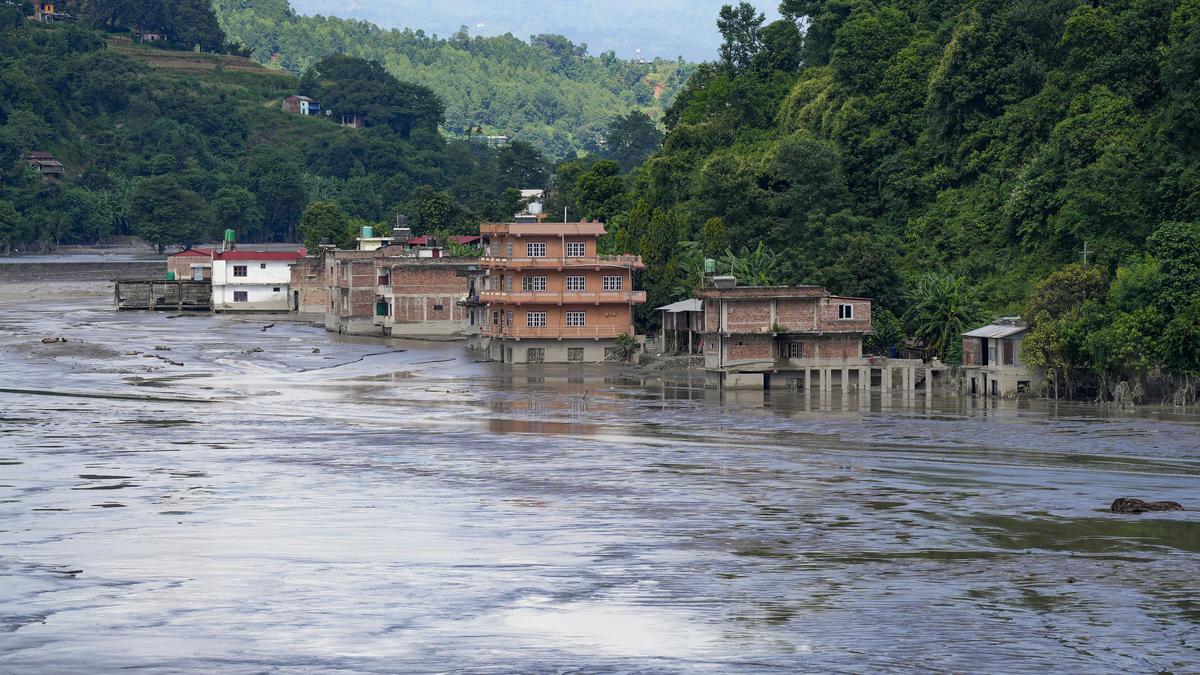
LONDON: Major flash floods on the Nepal-Tibet border have destroyed homes, roads, bridges and local hydropower projects. The flooding of the Bhote Koshi River is affecting 50,000 residents. More than 500 people have died as of Friday (Aug 28), with hundreds more, including international tourists, missing.This region of the Himalayas had not yet recovered from the Bhote Koshi flooding in 2025 that killed nine people as it washed away a “friendship bridge” linking Nepal and China, disrupting trade and transport for months.In Sri Lanka, recent floods and landslides struck affected communities that were still recovering from Cyclone Ditwah, which had caused widespread damage only nine months earlier. With little time to recover from the cyclone, communities had no protection from further flooding. More than 15,000 people have been directly affected and 6,800 people were displaced this August.