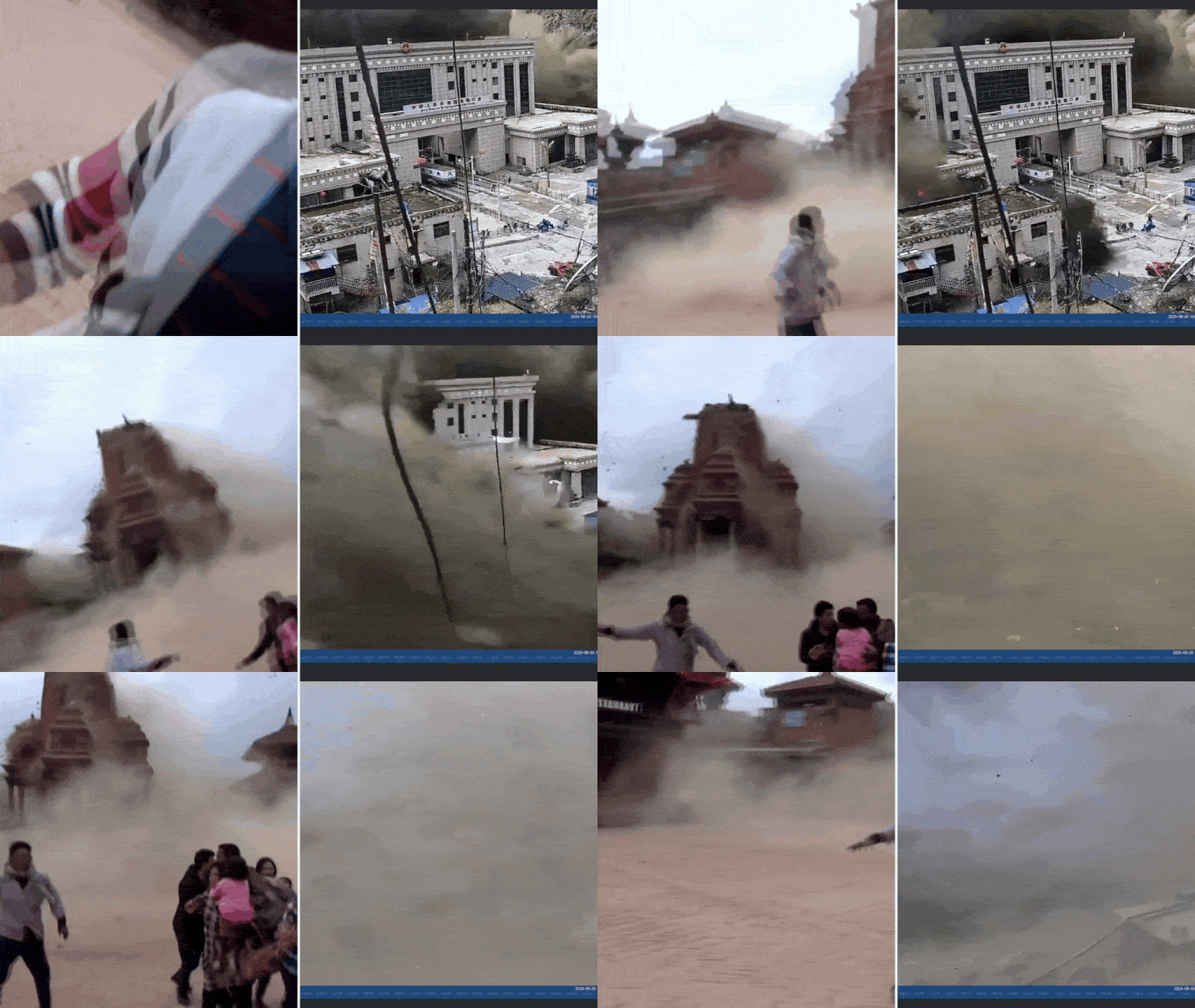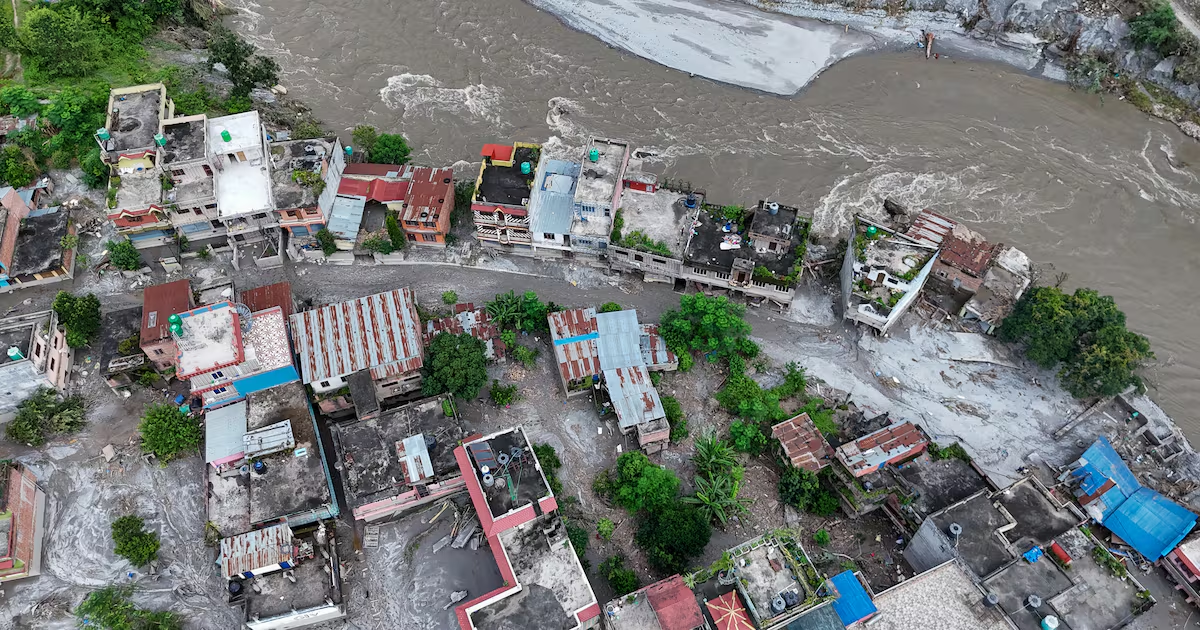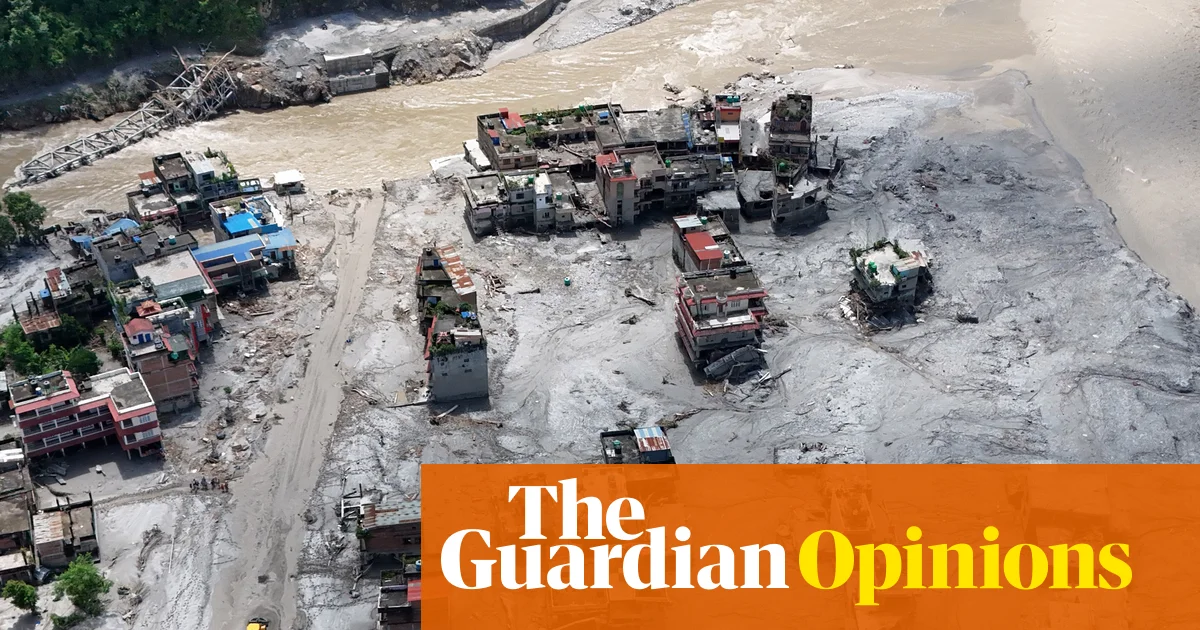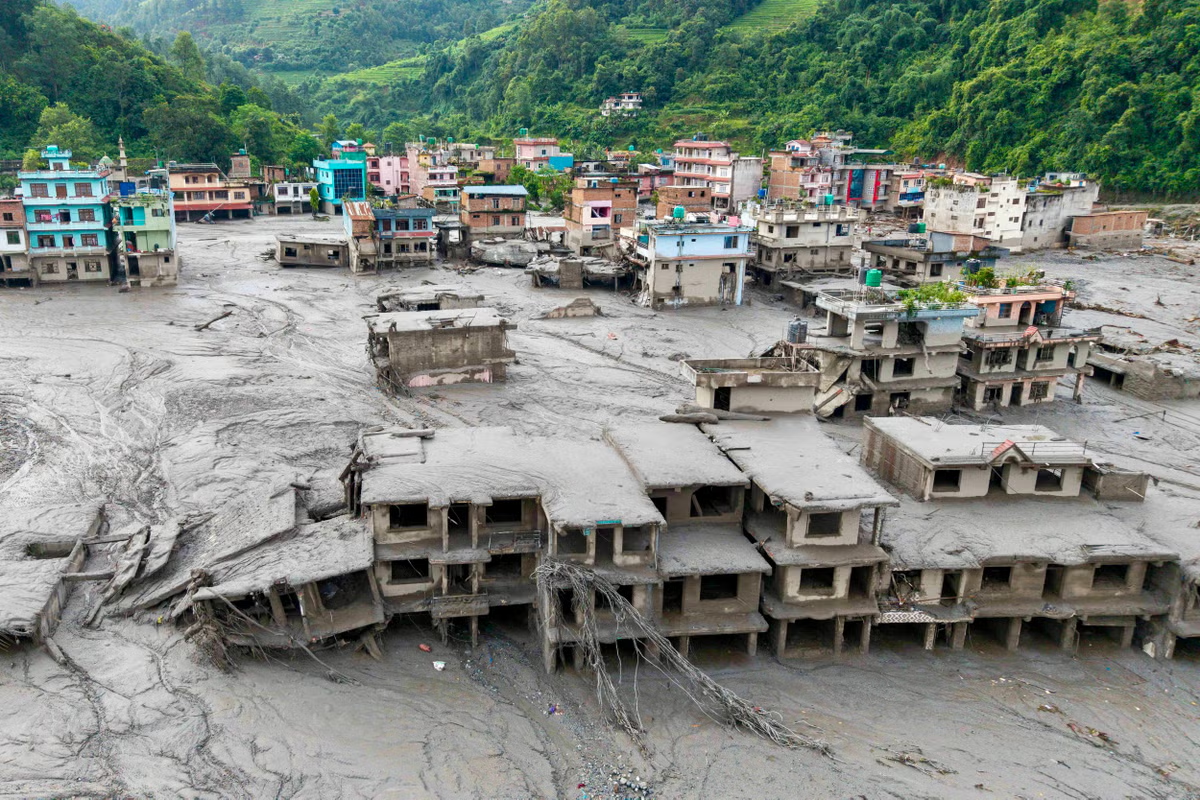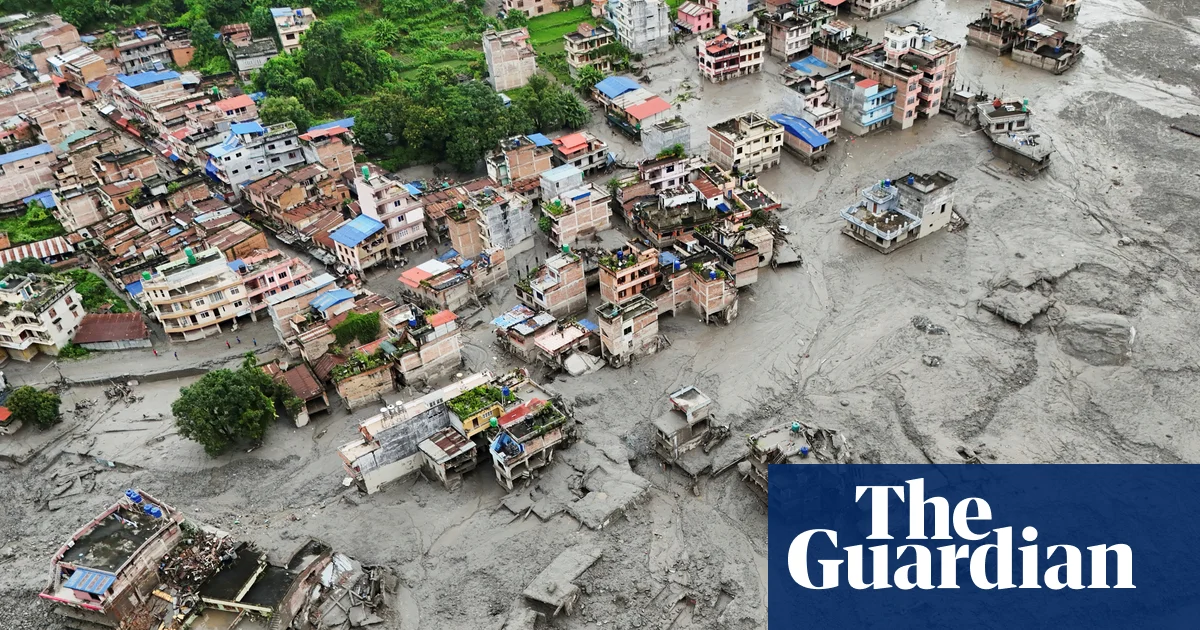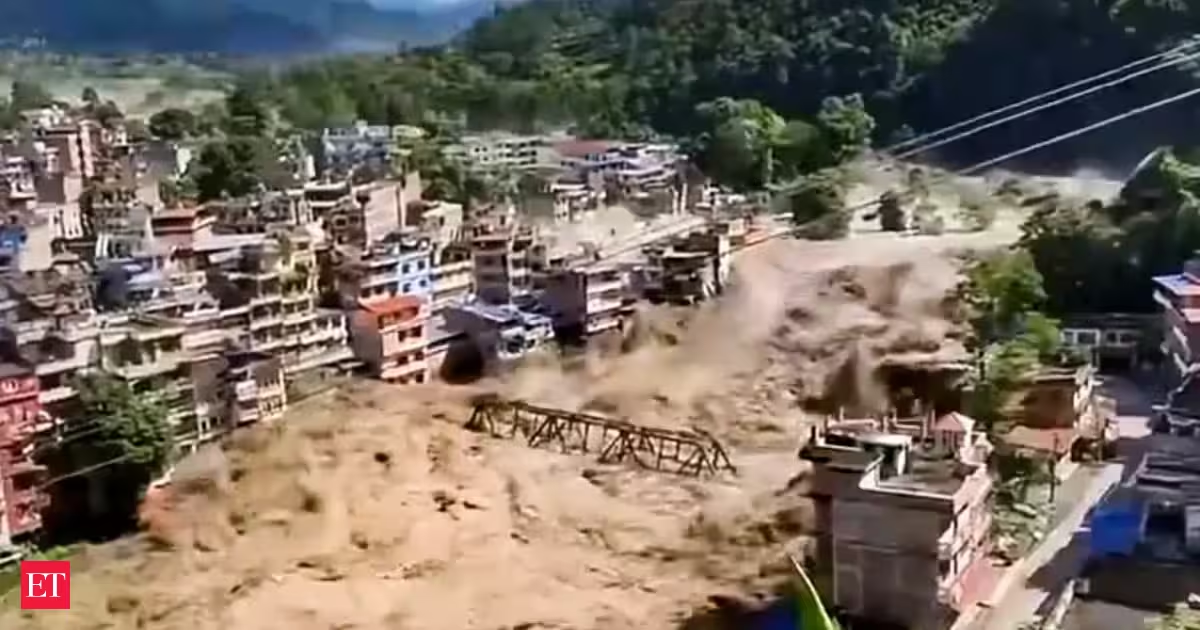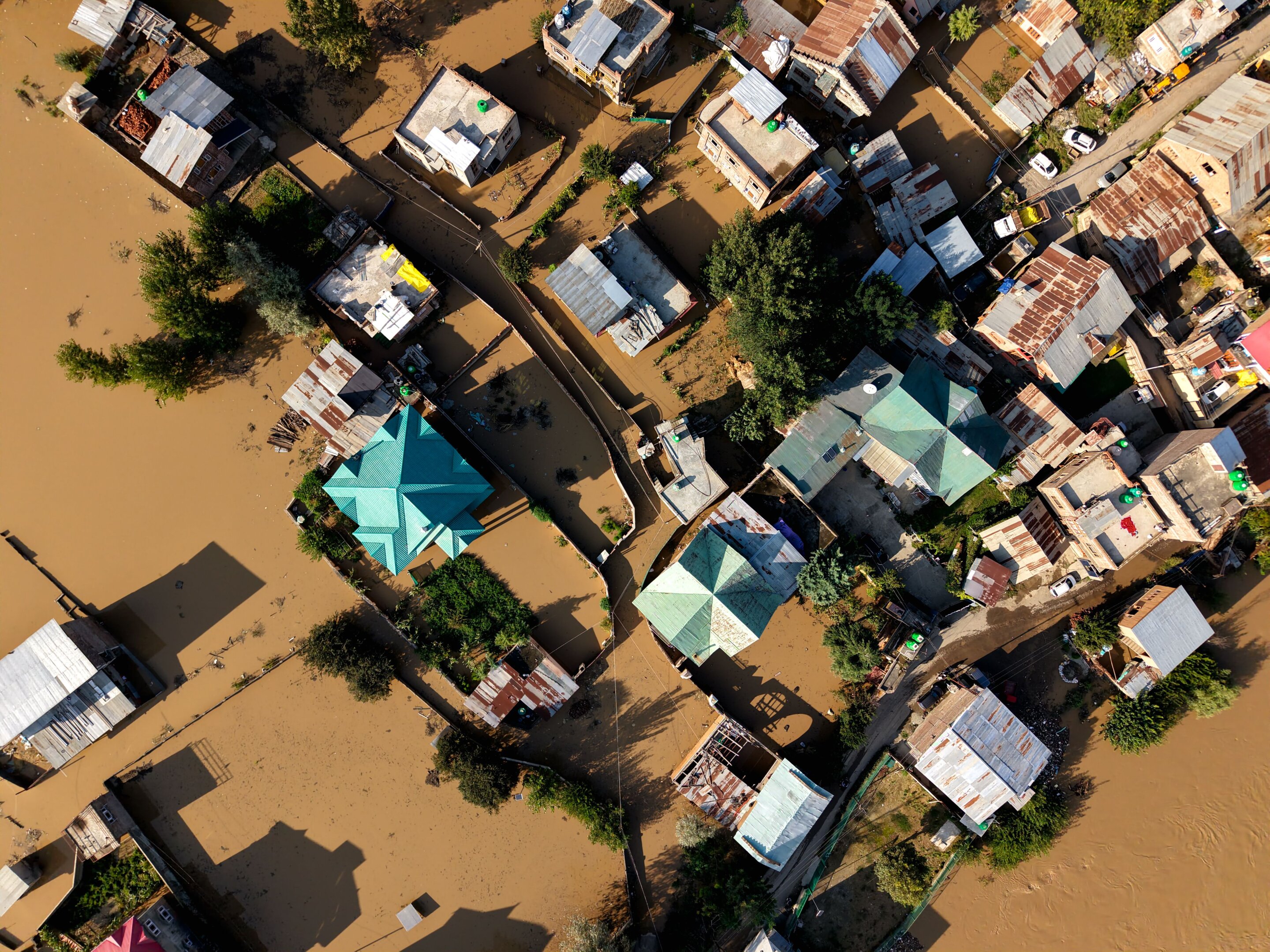
The catastrophic flood in Nepal and Tibet is a devastating reminder that disasters rarely occur in isolation.
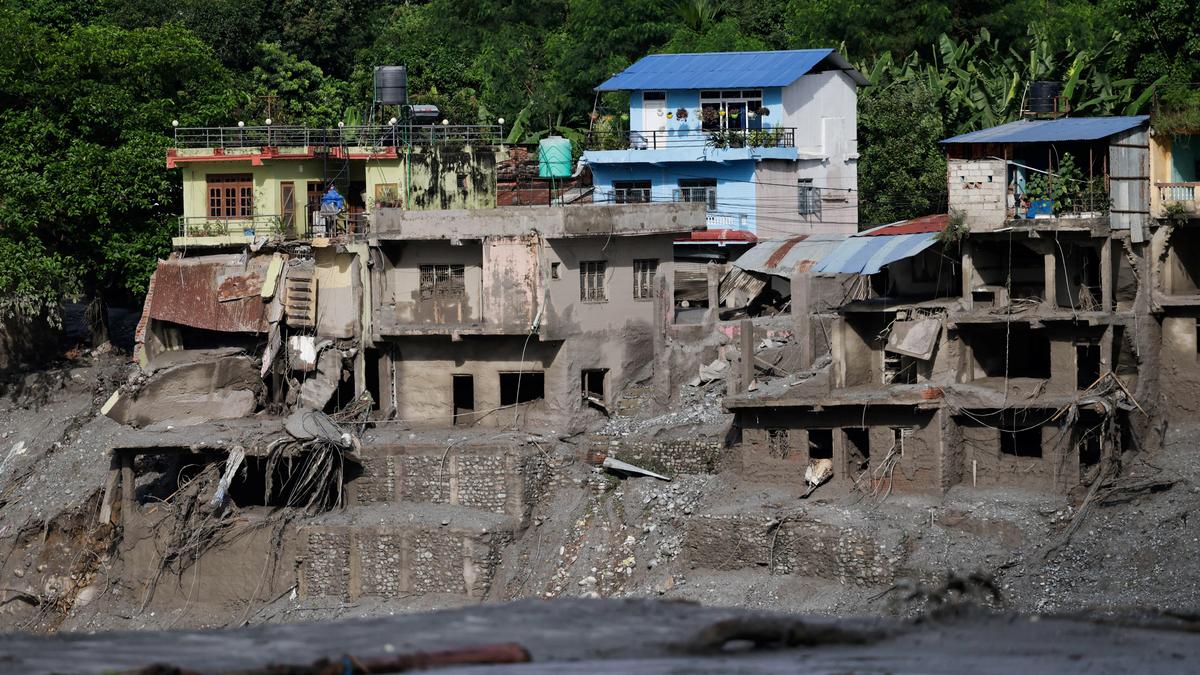
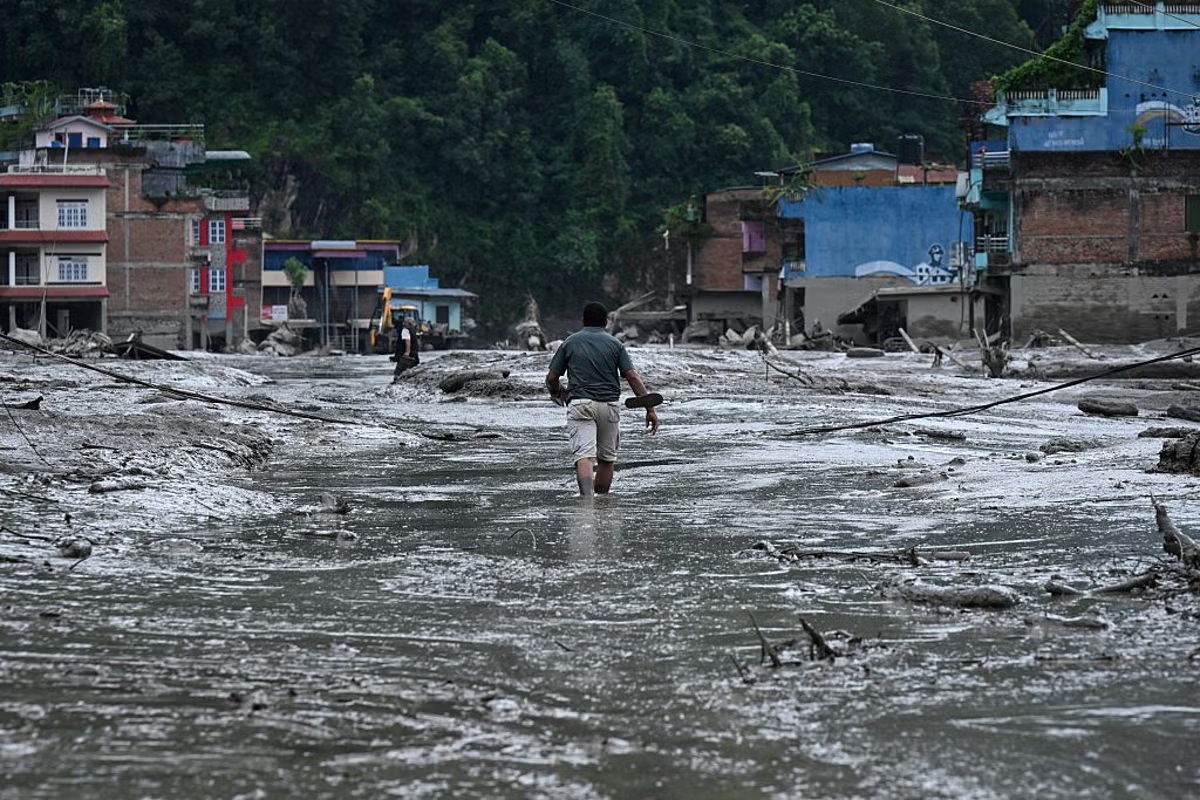
A massive collapse of glacial ice, rock and debris high in the Himalayas generated destructive flash flooding that swept through interconnected river valleys, killing hundreds, leaving many more people missing and damaging villages, towns and infrastructure. The dead include Nepalis as well as tourists visiting from other countries, including dozens of Canadians and Americans.
Yet focusing only on the physical trigger risks missing a larger story. Our research with communities in Nepal and elsewhere has increasingly led us to understand disasters as interconnected ecological, social, cultural, health, economic and governance crises.
We therefore need to ask both what caused this disaster and why hazards become human catastrophes.
Who bears their consequences? And who carries responsibility for reducing the conditions that make communities vulnerable? These questions were central to our recently published study on community-led earthquake preparedness in Kathmandu.