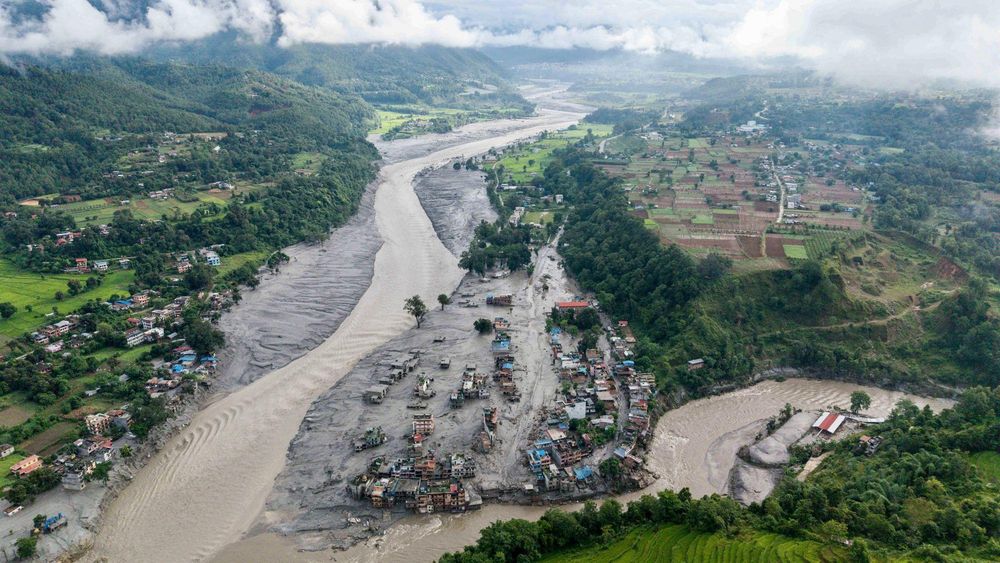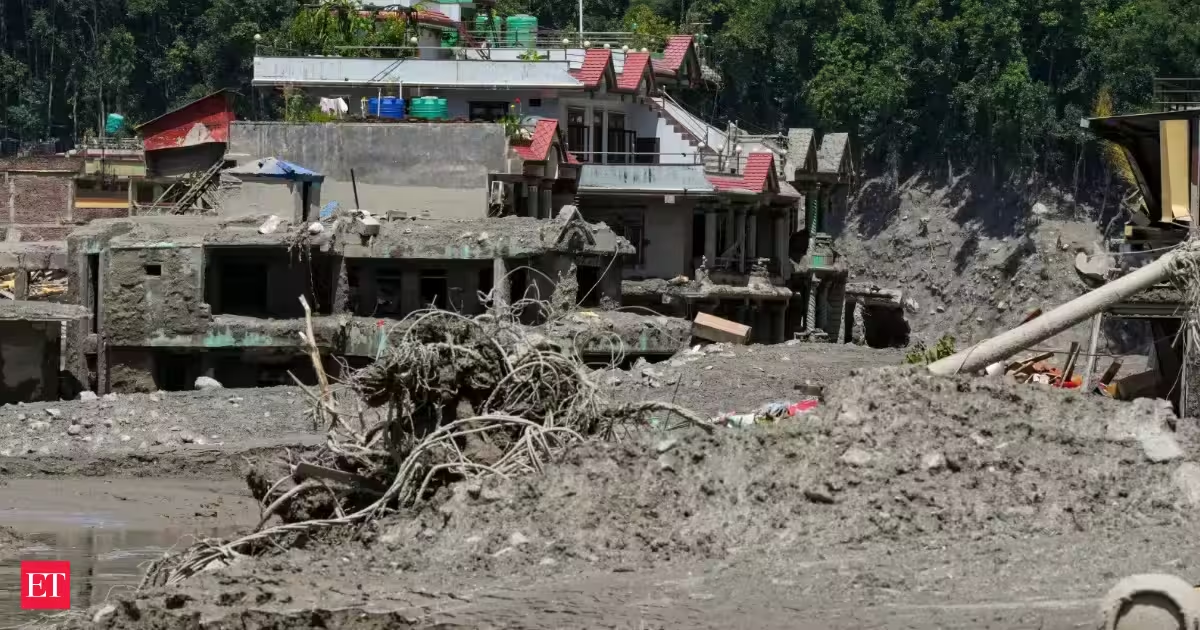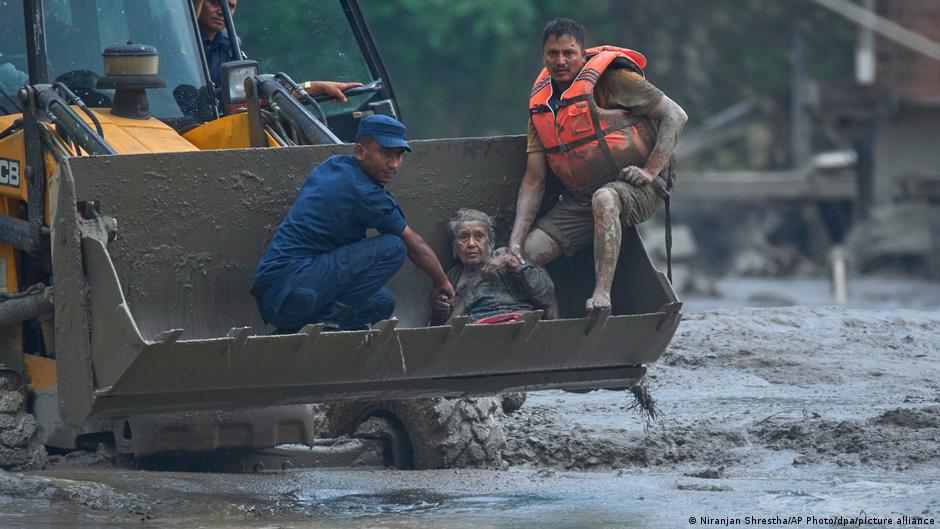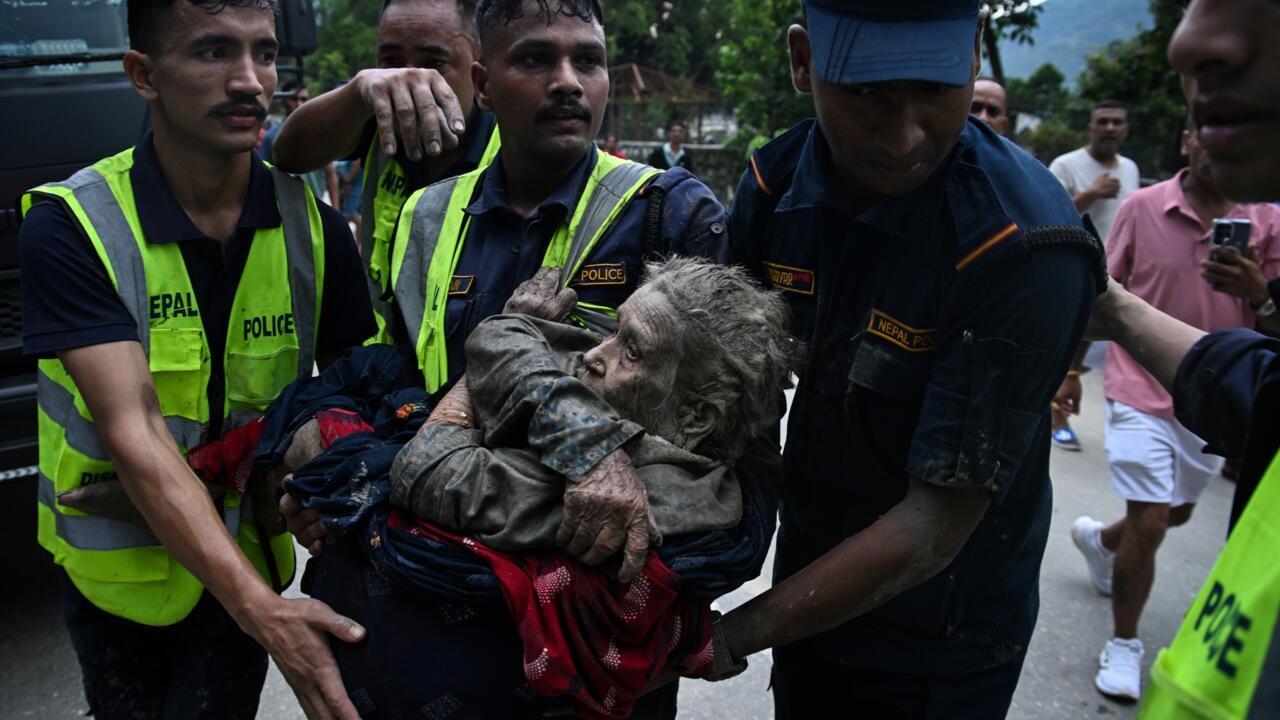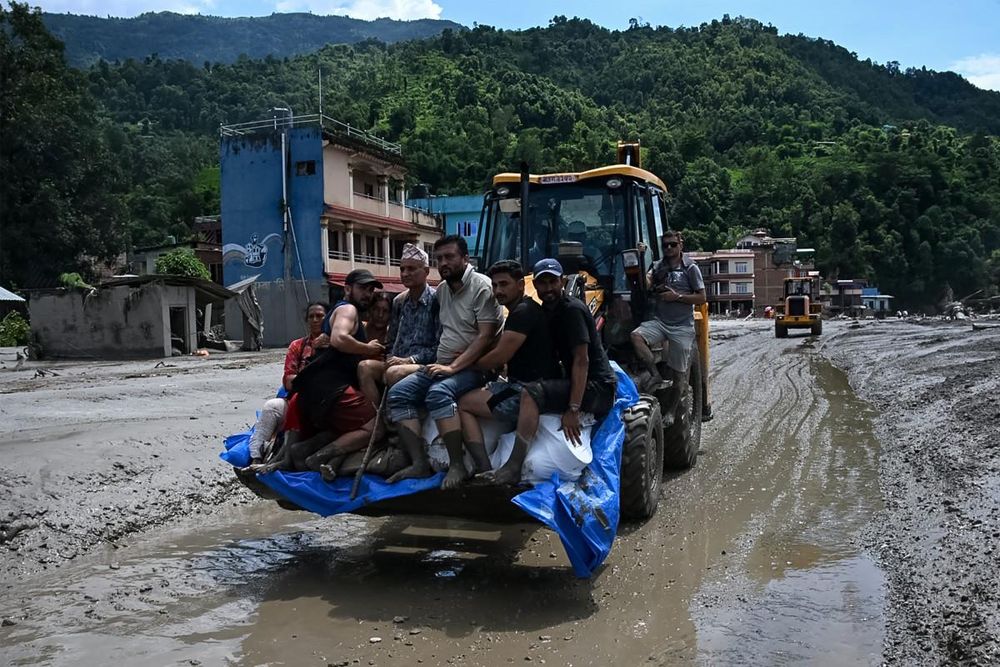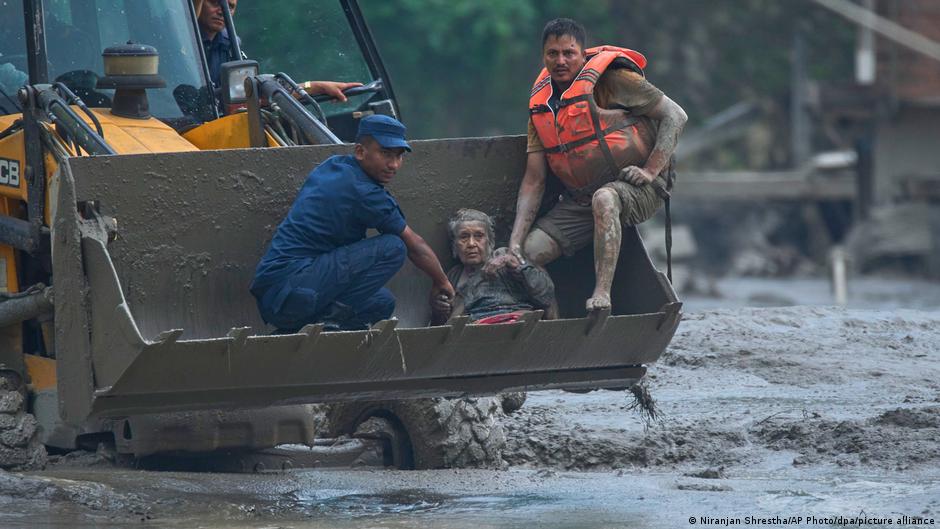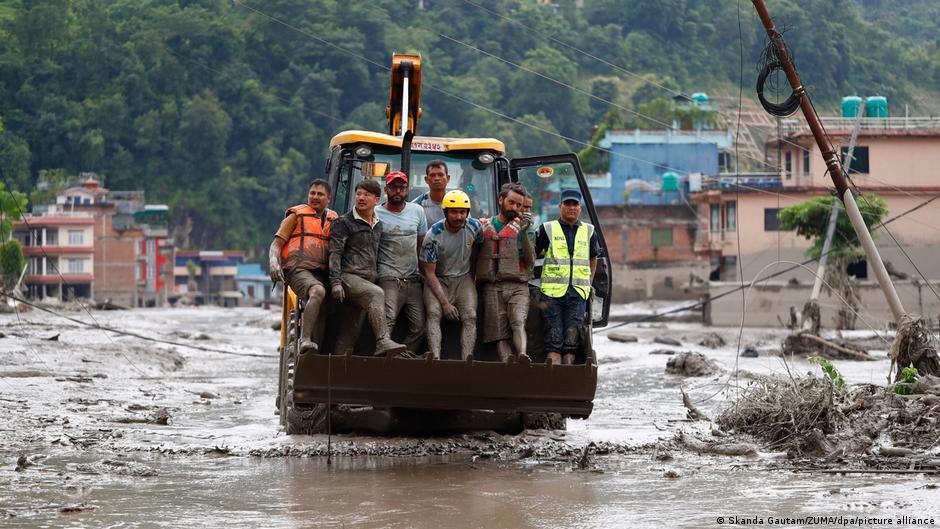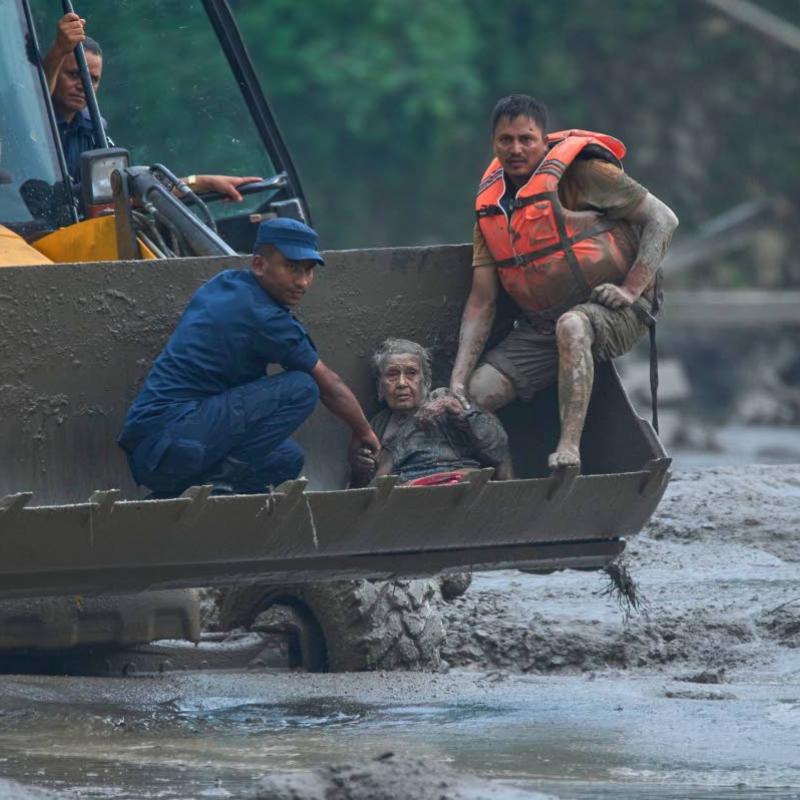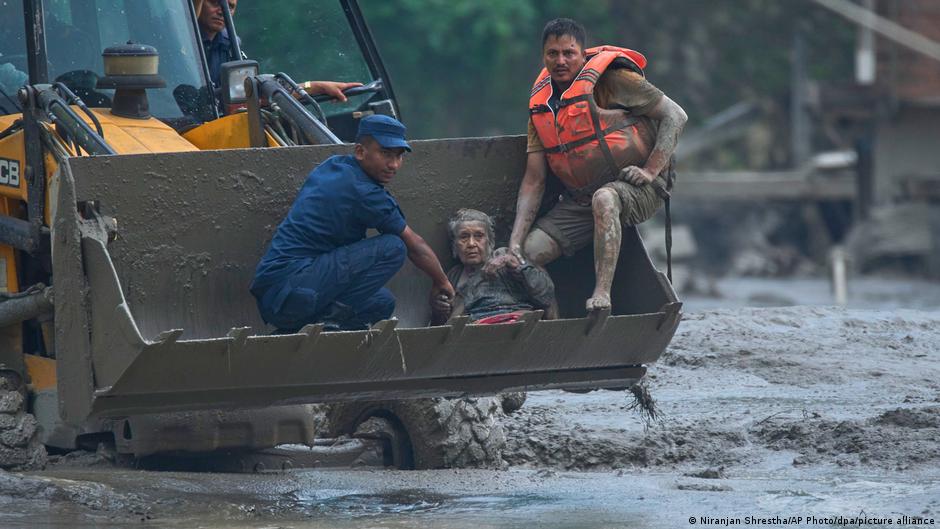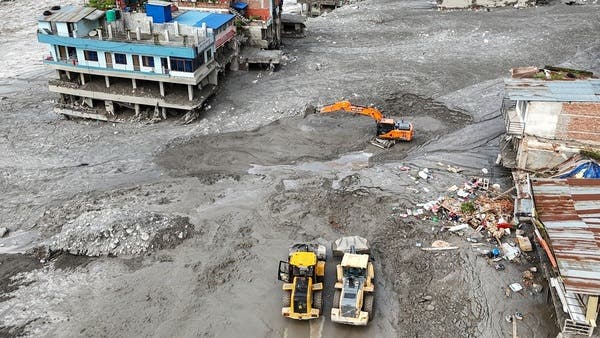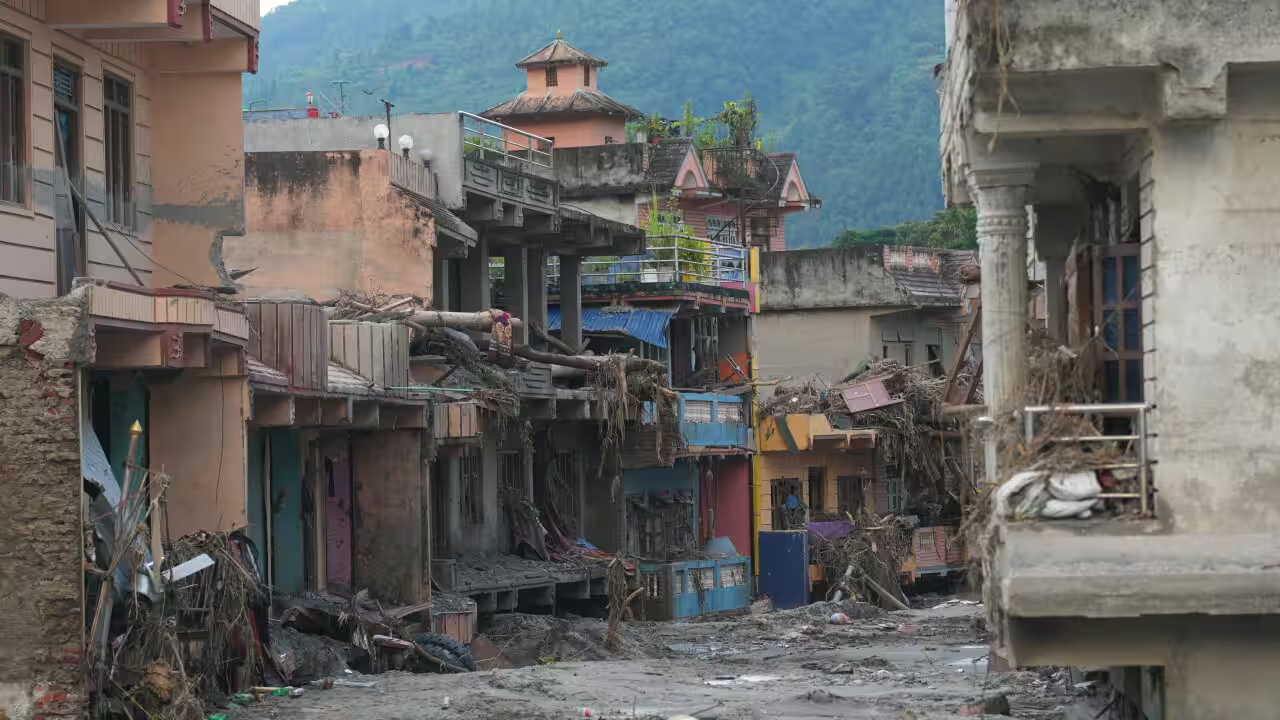
IN BRIEFMore than 1,400 people remain missing after devastating floods swept through communities near the Nepal-Tibet border.Experts warn damaged infrastructure and unstable slopes could complicate rescue efforts and put survivors at risk.At least 1,400 people remain missing after a catastrophic flash flood swept through communities along the Nepal-Tibet border, killing at least 472 people across Nepal and Tibet.Thirty-nine Australians are among those reported missing as rescue efforts continue.And the danger is not over, experts warn, with another disaster still possible in Nepal despite the difficulty of predicting when, where or how severe it could be."This can be the next day, after a couple of days or can be months later, but it is less likely that we will have this scale of flood again," Monash University glacier researcher Levan Tielidze said.Another disaster looming?News that makes senseYour trusted source for staying up-to-date with the world around you. Get free daily news updates and analysis, straight to your inbox.Scientists have warned the first collapse may also have left the surrounding mountain slopes unstable, with concerns that further sections of ice or rock could break away, while cracks or fractures could develop in already weakened slopes, potentially triggering another landslide or flood."The slope seems like it was unstable and it is even unstable today because of this event," Tielidze said.That uncertainty means authorities will be required to keep a close watch on the landscape, using helicopters, drones and satellite imagery alongside measurements of temperature, precipitation and river levels.Tielidze said that while another flood on the same scale as the first is less likely, it cannot be ruled out.Search for survivors becoming harderThe possibility of another flood is adding another layer of danger to an already difficult rescue operation.The affected region is remote; roads and bridges have been destroyed, and communications have been disrupted."Helicopters are the main way to currently access some of those more difficult-to-reach areas," Australian Red Cross executive director of international programs Alex Mathieson said.But Mathieson said limited helicopter capacity poses a "major challenge" which could force rescuers to prioritise where those resources are sent while accounting for the risk of further flooding.He said the priority is to mobilise as many people and resources as possible, but local communities are also critical to the response."We know from experience that it's local people, it's local actors, that are absolutely most critical in response, particularly in those early days," Mathieson said.The Nepal Red Cross has hundreds of staff and thousands of volunteers across the country, including people trained in first aid and disaster response.Survivors now face a new set of dangers"The big issue and big challenge is to get a really comprehensive assessment of the overall impact of the situation," Mathieson said.And establishing the full scale of the damage will take time while infrastructure remains damaged and the threat of further flooding continues.For those who have survived, their immediate needs may already be changing."Ensuring people have somewhere safe to live" will be critical, alongside access to water, food, clothing and other essential services, Mathieson said.Adding to the complexity is the possibility that another flood could intensify the toll already experienced by affected communities."Any further event, even if it may be at a smaller scale, is also going to compound that trauma," he said.He said some people may not be able to return home, with the risk of further flooding and unstable ground making some areas unsafe to live in. In some places, the disaster may have permanently changed the landscape.The risk extends beyond this disasterTielidze told SBS News that rising temperatures are contributing to the destabilisation of frozen slopes and glaciers across the Himalayas."Glaciers are melting everywhere in the world in all mountain regions, and especially the Himalayas," he said.He said that the region's steep slopes and hanging glaciers create particular risks, while melting rates have increased significantly since the late 20th century."We expect this kind of event will happen again in the Himalayas and the mountain regions as well," Tielidze said.But for now, he said the immediate priority remains finding those who are still missing and keeping survivors safe.A humanitarian crisis loomsThe disaster could leave some communities facing an uncertain future, with unstable ground and the risk of further flooding making it unsafe for some people to return home."The environment will be changed significantly after this event," Tielidze said.He warned some villages may never be rebuilt and that some areas are "getting less safe to live in", with similar events expected to happen again across the Himalayas.UNSW disaster recovery expert David Sanderson echoed this concern and told SBS News that in areas where residents have little insurance or the means to rebuild, they may never be able to return home.Sanderson said for survivors, the immediate needs are basic warmth, shelter, food and clothing, but reaching remote communities can be difficult."It's access, it's costs, it's exhaustion. Because of these things, a lot of people don't receive help," he said.He said tangible recovery will likely take "months and years", and warned that even well-intentioned international aid can become unhelpful if it is not properly coordinated.What happens next?Mathieson said in the imminent future, people will remain focused on finding missing friends and relatives, but the response will need to extend well beyond the initial search. Support will be required "over the days and months that are going to come" to help people rebuild their lives, homes and livelihoods.And one of the most urgent concerns is restoring access to clean water and sanitation, with damaged infrastructure leaving some communities vulnerable to disease and other health risks."Without access to adequate water and sanitation facilities, adequate food, all of these things can compound an additional health crisis," Mathieson said."Without that, then the chances of disease outbreaks are really high."For the latest from SBS News, download our app and subscribe to our newsletter.
The threat hanging over Nepal: What happens next after the deadly floods?
Another disaster could strike Nepal as rescuers search for survivors and communities face a long road to recovery.
964 words~4 min read