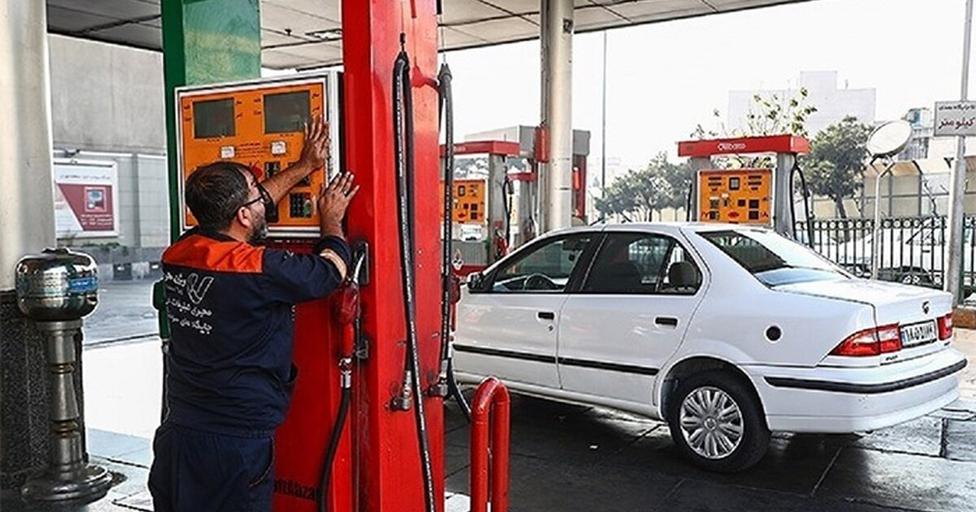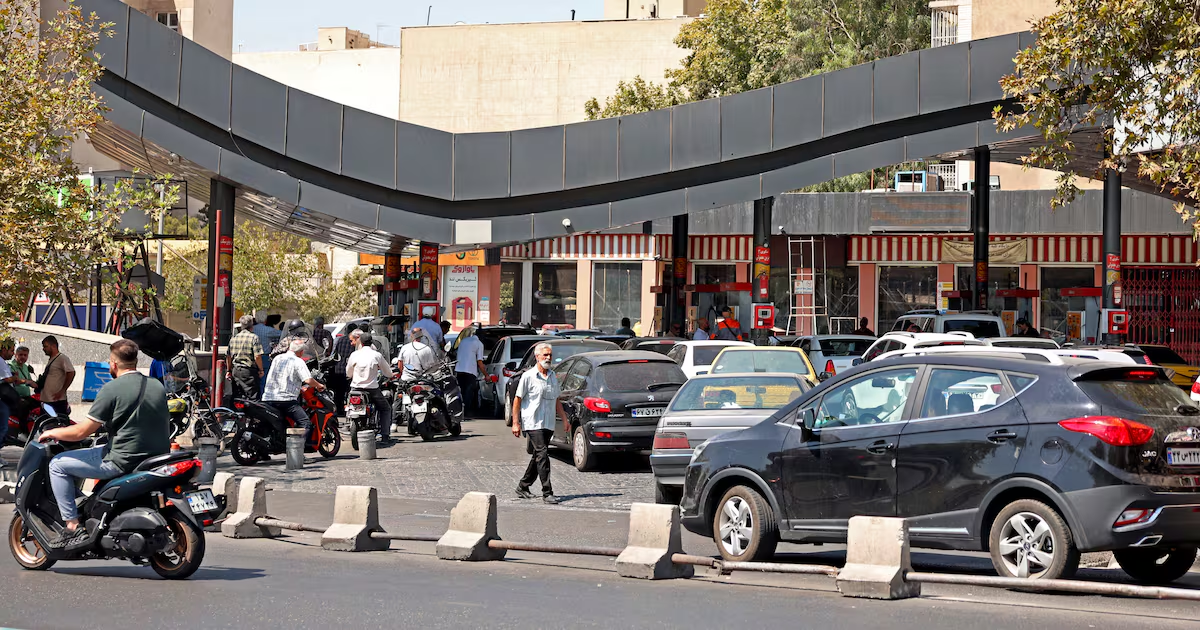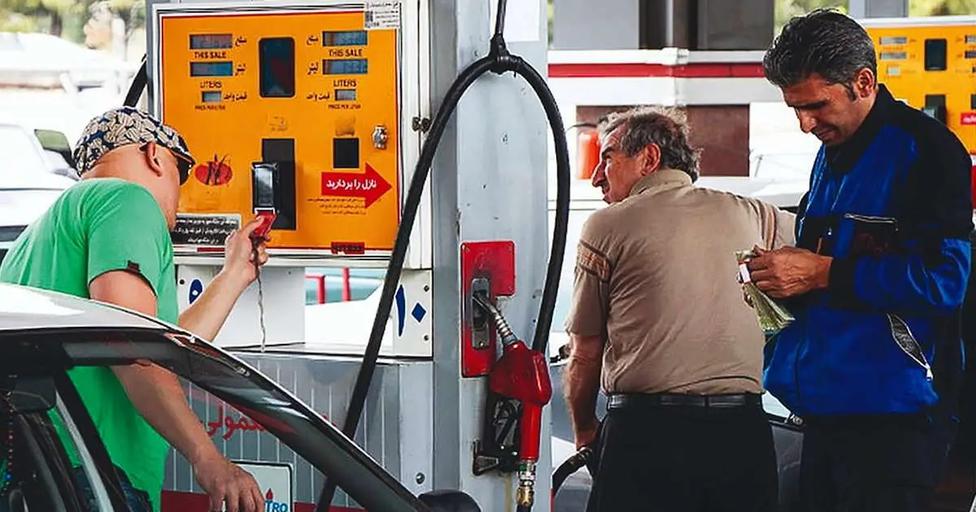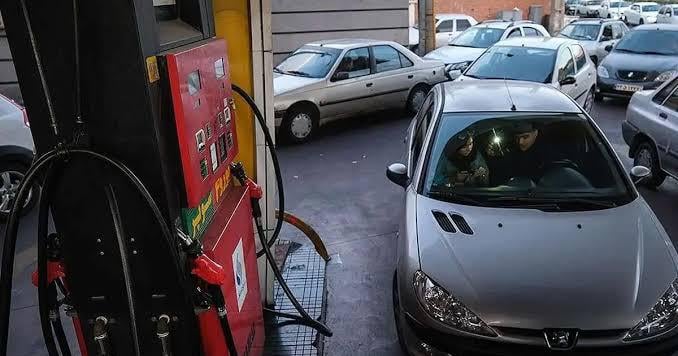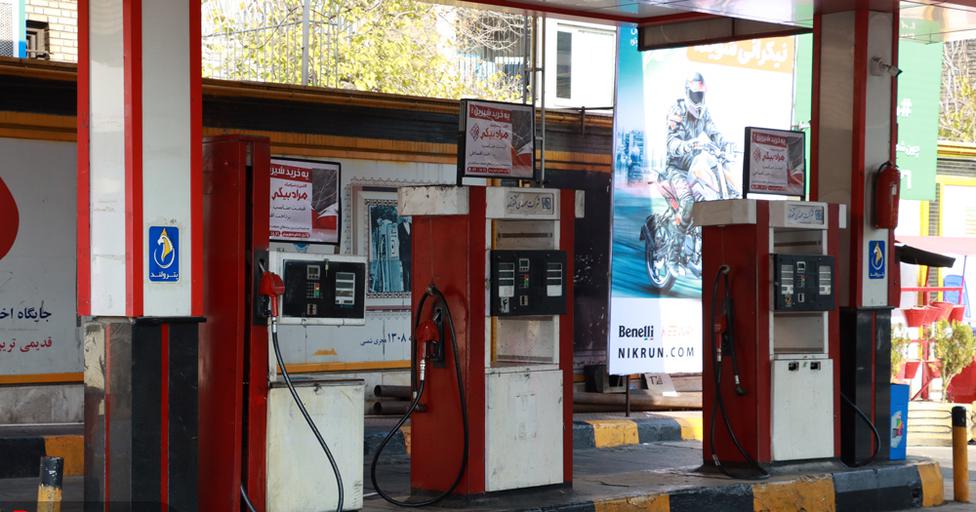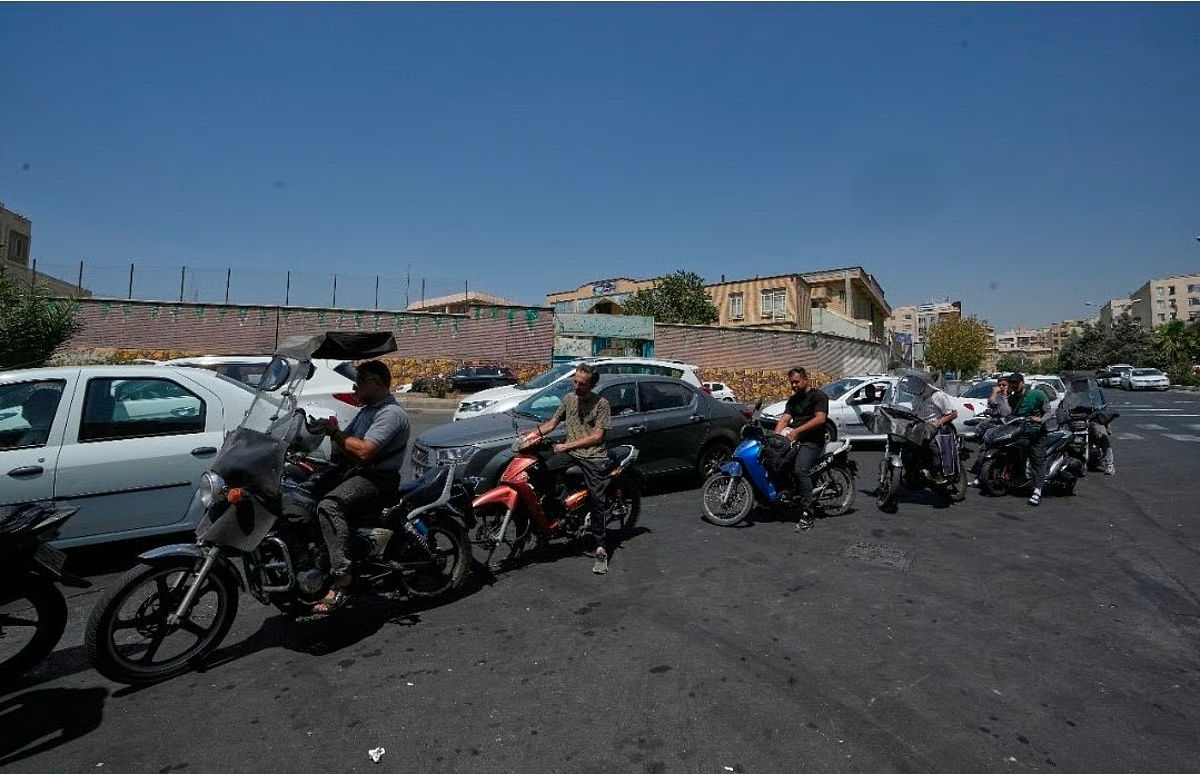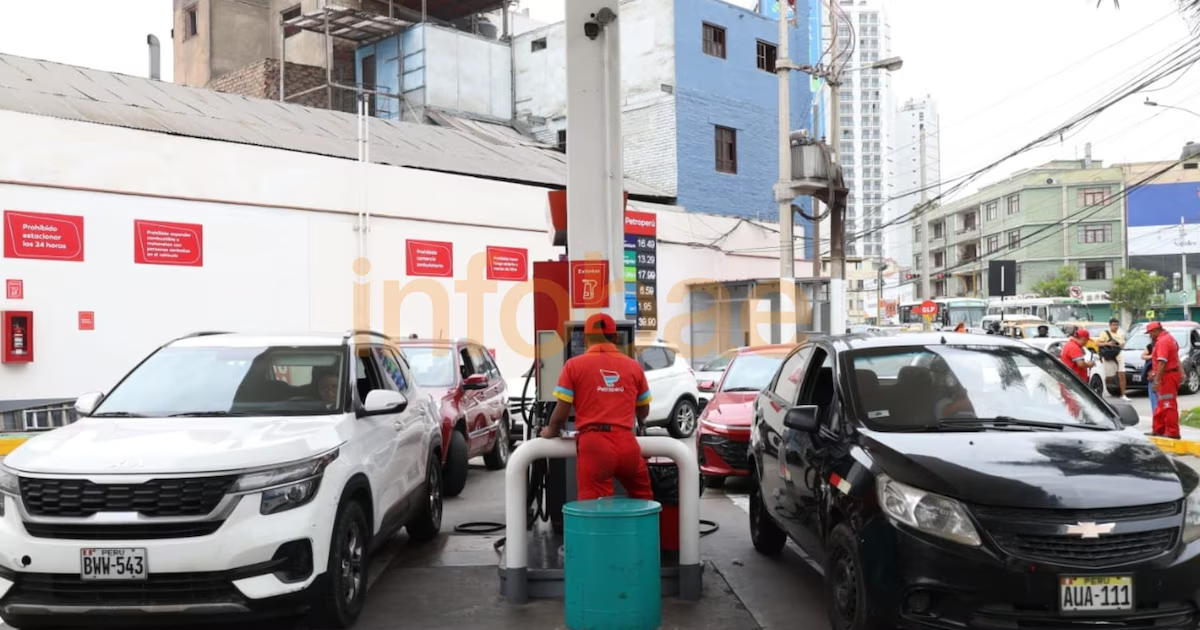
Iranian President Masoud Pezeshkian has stated that the ongoing war has exacerbated the country’s fuel shortage, as reported by the Iranian Students News Agency (ISNA). This development is part of a larger gasoline and energy crisis impacting Iran, with disruptions to imports and refining capacity. The shortages have led to long queues at petrol stations and discussions of possible rationing and tighter quotas. These measures indicate government efforts to manage limited supplies amid ongoing production constraints.
The worsening fuel shortage appears to have implications for Iran’s political stability. Market pricing suggests that this situation could increase the likelihood of President Pezeshkian’s departure by the end of the year. The market pricing for Pezeshkian stepping down has shown a modest increase, now at 16.5% YES, up from 16% a day earlier and 14% a week prior. This suggests market participants view the current instability as a potential catalyst for leadership change.
The situation also impacts broader geopolitical dynamics, including Iran’s uranium enrichment activities. The probability of Iran agreeing to halt uranium enrichment by the end of the year has seen minor fluctuations, with current market pricing at 13.5% YES, slightly lower than the previous day. This suggests ongoing uncertainty about Iran’s nuclear policy amid the internal and external pressures facing its leadership.