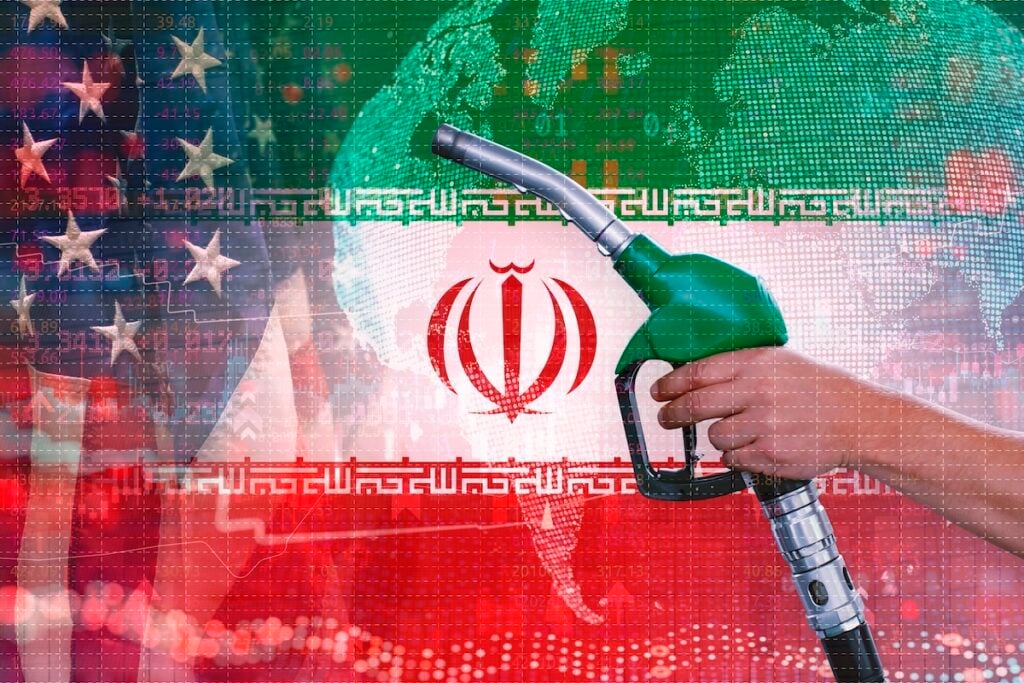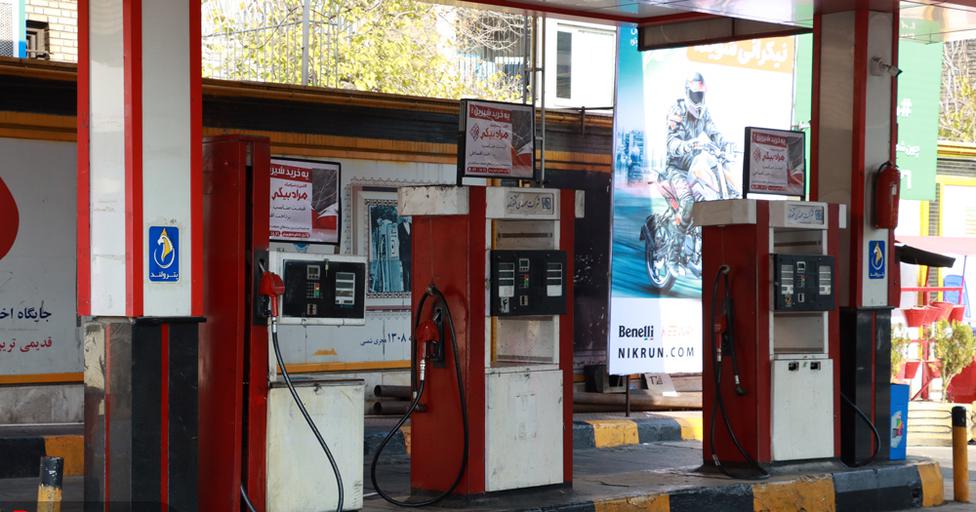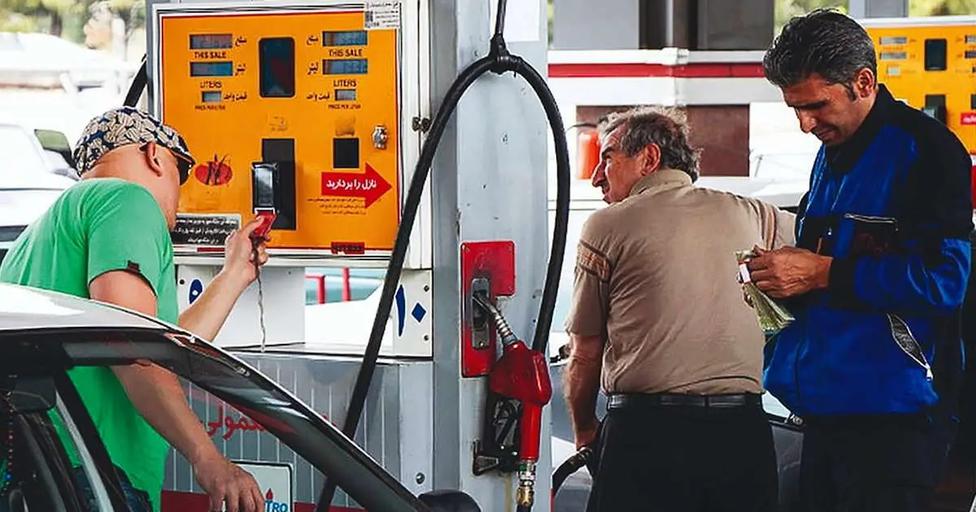
Amid worsening gasoline imbalances and warnings over daily fuel deficits, government and parliamentary officials have announced that the current plan does not involve raising gasoline prices. Instead, potential changes will be implemented by reducing fuel quotas.
Fatemeh Mohajerani, the government spokesperson, stated that the price of subsidized gasoline will remain unchanged, noting that, thus far, only the secondary 3,000-toman quota has been reduced from 70 litres to 50 litres. She added that, should any changes be made to the price of non-subsidized, or free-market, gasoline, official announcements will be made before implementation.
Concurrently, Ali Nikzad, Vice Speaker of Parliament, reported on a meeting with Mohammadreza Pourmohammadi, Head of the Planning and Budget Organization. According to Nikzad, Pourmohammadi explained that the government faced only two options for managing the fuel situation: raising prices or reallocating quotas. Nikzad emphasized that Pourmohammadi had confirmed that price increases were off the table, with the government choosing to pursue quota reductions or reallocations instead.
These statements come as energy officials highlight a deepening gasoline imbalance. Hamid Hosseini, spokesperson for the Union of Oil, Gas, and Petrochemical Products Exporters, previously disclosed that Iran faces a daily deficit of approximately 20 million litres of gasoline. According to Hosseini, domestic refinery production is capped at around 110 million litres per day, while daily consumption has reached nearly 130 million litres.