High energy prices in the first two months of the war in Iran limited gasoline consumption, but not diesel consumption, where the pump price subsidy measure worked positively both in maintaining economic activity and in limiting inflationary pressures on products and services.
The downward trend in gasoline consumption appears to be further intensifying in May, at levels more than double those in March-April, while diesel consumption is increasing, mainly due to the inflexibility of the fuel in commercial transport, agricultural production and manufacturing.
Assessing the data and the risk of inflationary pressures spreading throughout the economy, Prime Minister Kyriakos Mitsotakis announced on Tuesday the government’s decision to extend the diesel fuel subsidy in June by 15 cents per liter. He said that will keep the price 30 cents lower than in March.
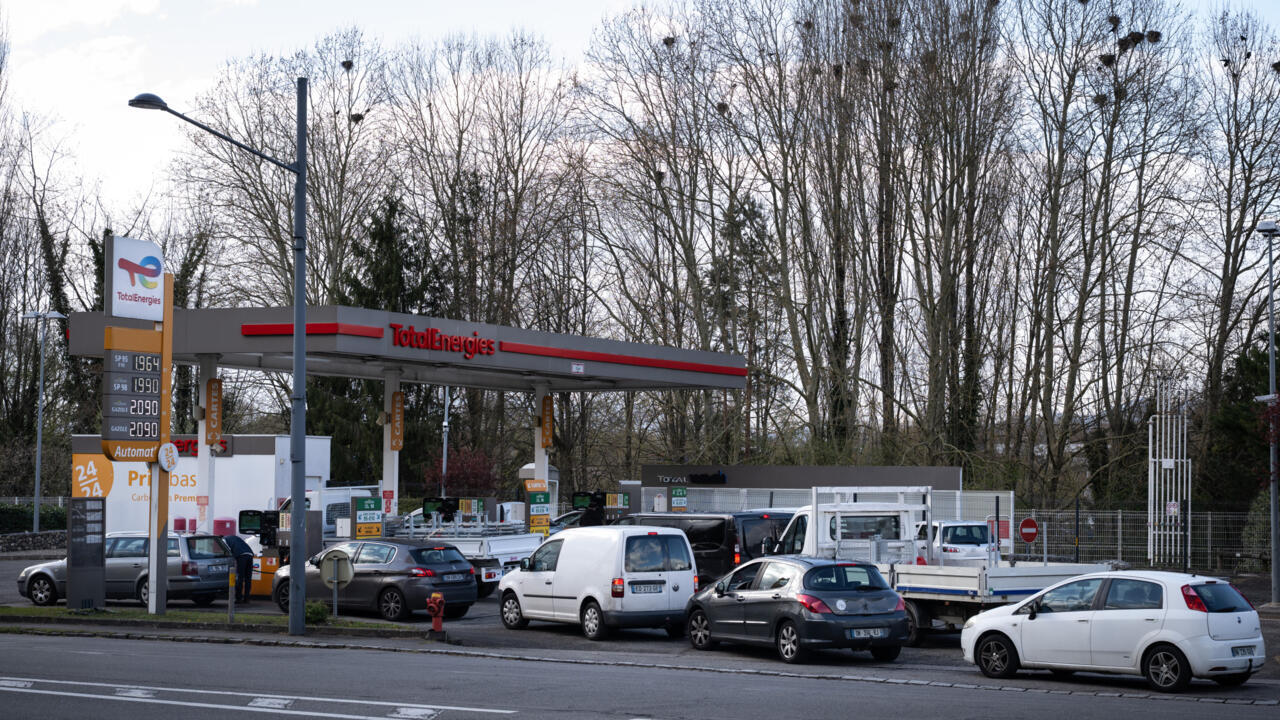
The average nationwide price of diesel fuel stood at €1.815/liter on Tuesday, an increase of 16% since the start of the conflicts in the Middle East.
In the case of gasoline, consumers have taken advantage – and continue to – of the only measure at their disposal to limit the burden of the large increases brought to the pump by the disruptions caused to the global market supply by the closure of the Strait of Hormuz.