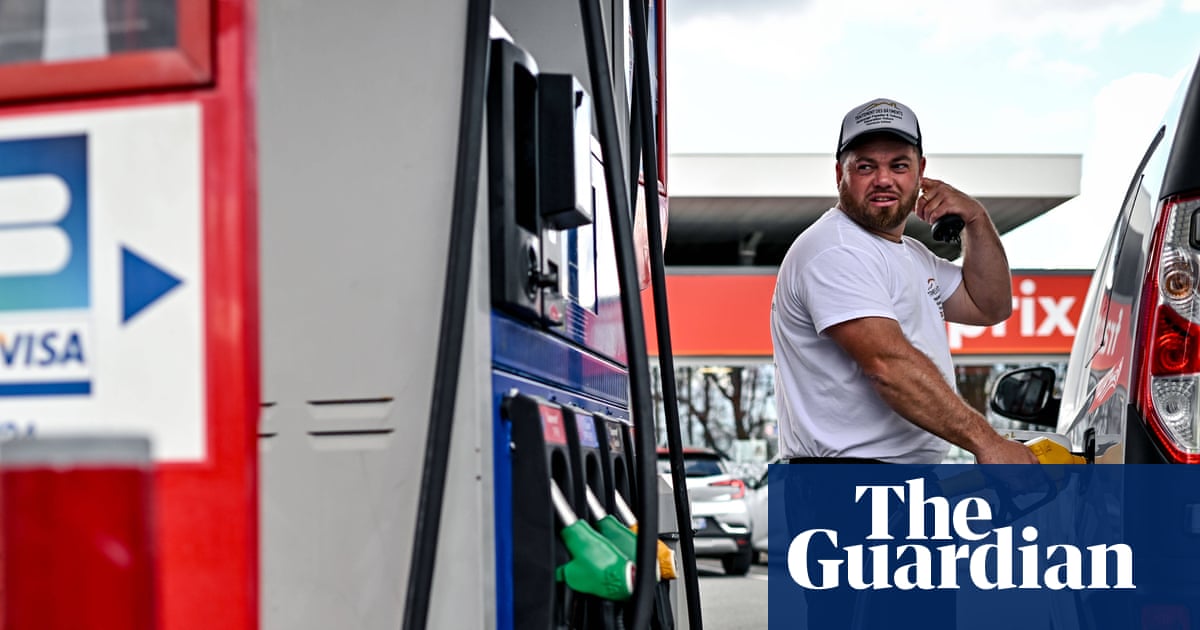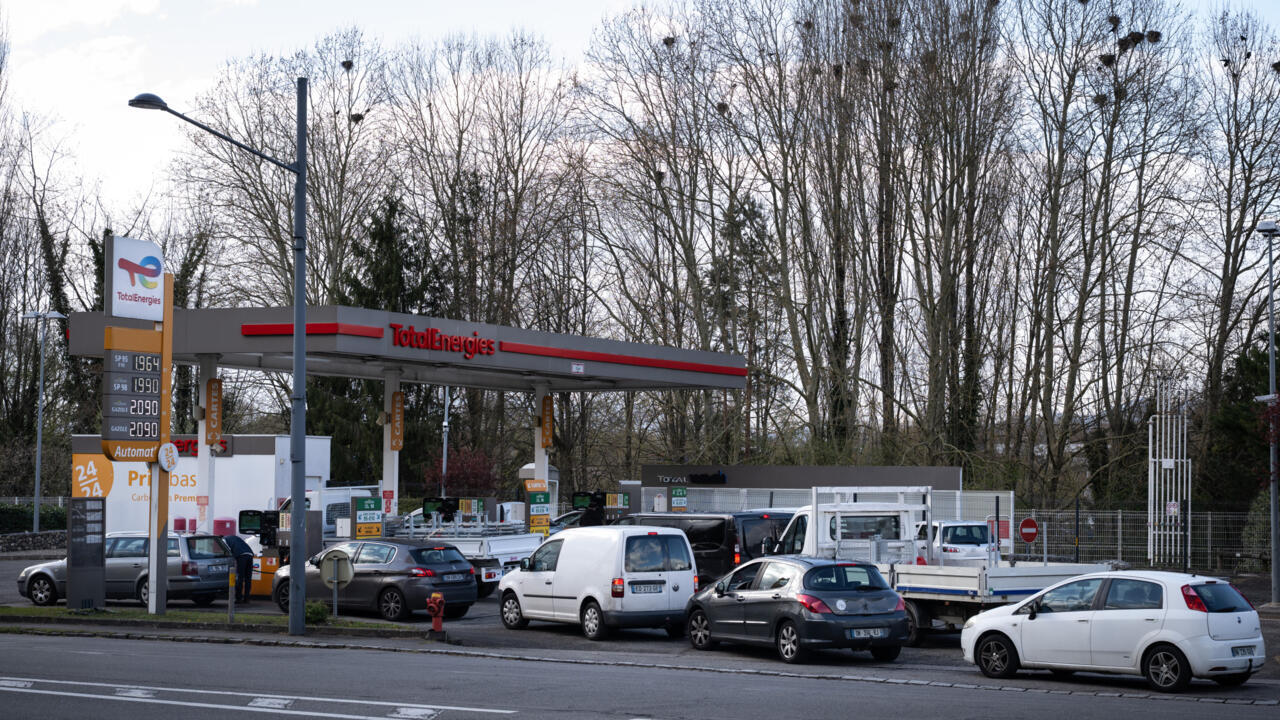
European drivers face a record fuel inflation at the pumps because of the surge in oil prices caused by the war in Iran, with diesel now 30 percent more expensive than it was when the US and Israel attacked Iran on February 28. The Easter holiday weekend across Europe is expected to see a surge in demand with queues at petrol stations. Diesel has been worse hit than other fuels, and was already under pressure before the war. Experts say its cost will rise further -- with a knock-on effect on inflation -- as long as trade through the Strait of Hormuz remains blocked. The per-barrel price of diesel rose above $200 in Europe on Thursday, the highest since March 2022 when Russia's invasion of Ukraine shook markets. Diesel is ubiquitous in Europe. While electric cars are making inroads in new sales, diesel is still the most widely used fuel. Trucks, farm tractors, buses, building site machinery and even shipping depend on it. Read moreMiddle East war live: US-Israeli strikes hit 30 Iranian universities since war began, minister says Diesel accounted for 86 percent of transport fuel sales in Latvia in 2024, 73 percent in France and 66 percent in Germany, according to FuelsEurope, a trade body which represents the refining industry. The international supply-and-demand balance for diesel "was much tighter than the gasoline balance going into the war and the subsequent market response has been one of strong gasoil (diesel) price escalation while gasoline’s price response has been somewhat muted," Susan Bell, a commodity markets specialist at Rystad Energy, a consultancy, told AFP. Russia dilemma In Britain, France and other countries, the price of diesel has risen more than 30 percent since the first US-Israeli air strikes on Iran and resulting choking of the Strait of Hormuz. In France, the price of regular petrol has gone up by just 17 percent, according to government statistics consulted by AFP.
European drivers choke on rising diesel prices due to Iran conflict
European drivers face a record fuel inflation as diesel prices have spiralled by more than 30 percent since the start of the Iran war, highlighting the continent's dependence on imported energy and the…
721 words~3 min read