Brent crude has jumped from a pre-conflict average of $64 per barrel to a projected $83 average for 2026. That 30% spike, triggered by the Iran war that erupted on February 28, is now doing exactly what energy shocks have always done to import-dependent economies: squeezing them from both ends.
The energy chokepoint that matters most
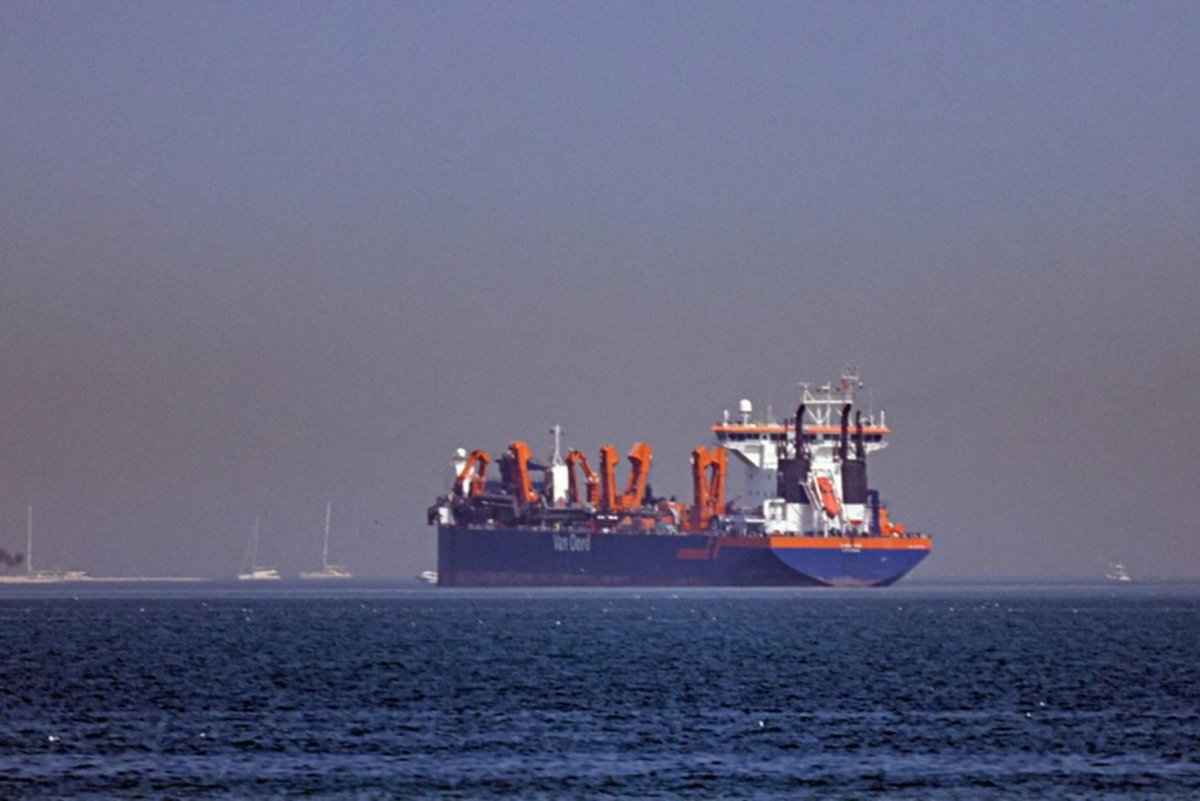
The Strait of Hormuz handles roughly 20% of the world’s oil and liquefied natural gas trade. When a war breaks out in the country that borders it, shipping routes don’t function normally. That’s the situation Europe is dealing with right now.
European TTF natural gas prices have surged to nearly €44 per MWh. For industrial users across the continent, that translates to a 20-30% annual increase in energy costs.
The conflict began with US and Israeli airstrikes that resulted in the assassination of Iranian Supreme Leader Ali Khamenei.