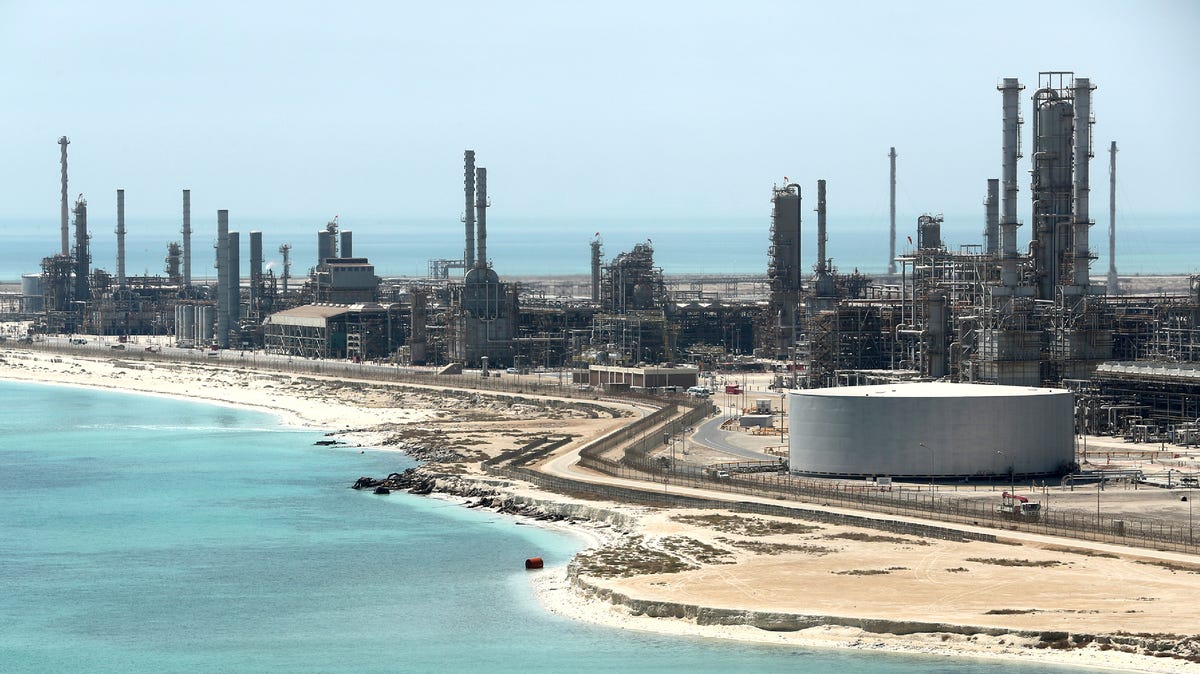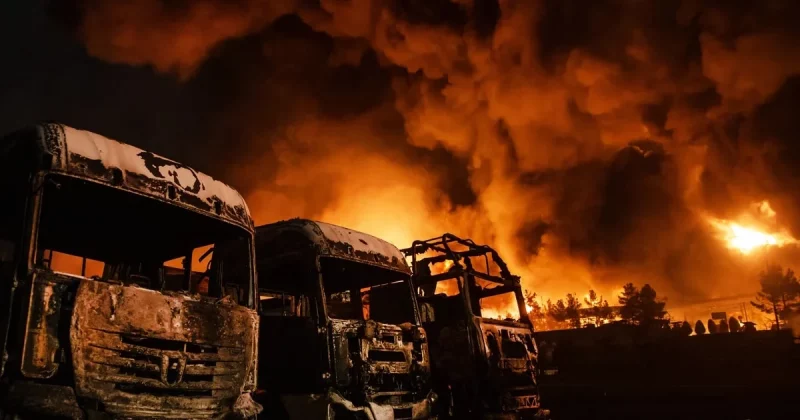
The Strait of Hormuz handles roughly 20% of the world’s petroleum traffic. When that chokepoint gets squeezed, everything downstream, from gas pumps to grocery shelves to Bitcoin mining rigs, feels it. Right now, it’s getting squeezed hard.
The ongoing Iran war has pushed Brent crude above $100 per barrel, a threshold that tends to make central bankers lose sleep and consumers lose patience. Global oil stocks are depleting at a pace that has energy analysts reaching for words like “historic” and “unsustainable,” and the timing could not be worse: peak summer travel season is right around the corner.
Strategic reserves are burning fast
The International Energy Agency and G7 nations have responded with the largest coordinated reserve release on record: 400 million barrels drawn from strategic petroleum reserves across member countries. Think of it as breaking the glass on the emergency fire extinguisher. The problem is the fire is still burning.
That 400 million barrel release sounds enormous. And it is. But strategic reserves exist to buy time, not to replace sustained production. They’re a bridge, not a road. If the Strait of Hormuz remains contested and Iranian oil continues to be locked out of global markets, no amount of reserve drawdowns can paper over the gap between supply and demand.