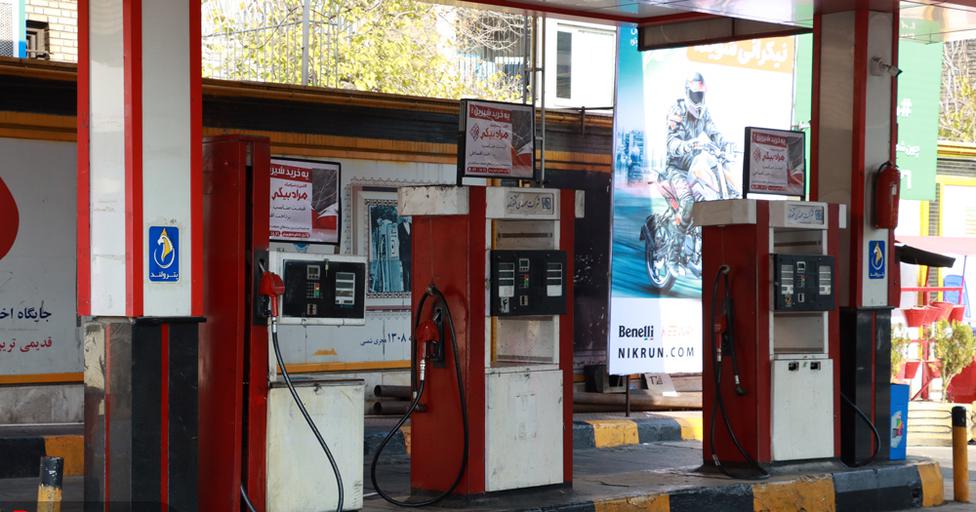
Hamid Hosseini, spokesperson for the Union of Exporters of Oil, Gas, and Petrochemical Products, warned of a worsening gasoline imbalance in Iran, stating that the country faces a daily deficit of approximately 20 million litres. He noted that, under current conditions, importing gasoline has become “nearly impossible” due to regional and international constraints.
In an interview with Didaban Iran, Hosseini stated that the maximum production capacity of domestic refineries stands at around 110 million litres per day, while daily consumption has reached nearly 130 million litres. This gap poses a severe challenge to maintaining a stable fuel supply. He added that, while bringing certain petrochemical plants back online has partially offset the shortage, it remains insufficient to bridge the existing deficit.
Highlighting the declining feasibility of fuel imports, Hosseini explained that while Iran previously met a portion of its needs through foreign purchases, that avenue is now severely restricted. He noted that recent Ukrainian attacks on Russian refineries and energy infrastructure have curtailed Russia’s petroleum export capacity, disrupting one of Iran’s primary sources of fuel supply.